

Finding real relief during a tattoo session can feel challenging, especially with so many myths clouding the options. For both passionate tattoo enthusiasts and skilled professionals in Central Europe, the search for effective pain management solutions is rooted in history as much as it is in modern science. This guide uncovers the origins, traditional remedies, and cutting-edge methods that help turn tattooing into a comfortable and satisfying experience.
Table of Contents
- Tattoo Pain Management Origins And Myths
- Traditional And Early Modern Pain Relief Methods
- Rise Of Numbing Creams And Modern Solutions
- Safety, Legal, And Effectiveness Factors Today
Key Takeaways
| Point | Details |
|---|---|
| Understanding Myths | Many common beliefs about tattoo pain are misconceptions, such as the idea that tattoos affect the administration of epidural anesthesia. Research shows no evidence supporting these myths. |
| Advances in Pain Management | Modern numbing creams like TKTX and Dermacain offer effective pain relief, significantly improving the tattoo experience. Their use allows artists to perform better without compromising artistry. |
| Cultural Evolution | Tattooing has evolved from enduring pain to actively managing it, reflecting changes in both medical science and societal attitudes toward discomfort. This shift emphasizes the importance of comfort in contemporary tattoo practices. |
| Legal and Safety Standards | In Europe, strict regulations surround tattoo inks and numbing products, ensuring safety and effectiveness. When choosing numbing creams, verify that they meet these legal standards for reliable results. |
Tattoo Pain Management Origins and Myths
Tattoos aren’t modern inventions, and neither is the desire to reduce their pain. Humans have been tattooing for over 5,000 years, and therapeutic tattooing practices suggest our ancestors understood pain management’s importance. The famous 5,300-year-old Tyrolean Iceman bore tattoos that likely served medicinal purposes, hinting that pain relief during tattooing has always mattered.
Over time, tattoo culture developed its own folklore about pain. Some myths became so widespread that even medical professionals believed them without questioning the evidence. Understanding where these ideas came from helps you separate fact from fiction when preparing for your session.
Common Misconceptions About Tattoo Pain
One persistent myth claims you absolutely cannot receive certain medical treatments if you have a back tattoo. Specifically, many people feared that epidural anesthesia couldn’t be safely administered through tattooed skin. This belief was so strong that hospitals sometimes refused procedures based on this unfounded concern.
However, research on epidural analgesia myths reveals no documented complications from this practice. Despite decades of concern, no cases exist where a tattoo actually caused problems during epidural administration. This myth persisted simply because people assumed risk without evidence.
Other widespread beliefs about tattoo pain include:
- Larger tattoos hurt proportionally more (pain depends on location and technique, not size)
- Black ink causes less pain than colored ink (ink color has no impact on pain sensation)
- Numbing products are ineffective or dangerous (modern numbing creams work reliably when applied correctly)
- Professional artists cause less pain than others (technique matters more than reputation alone)
Why These Myths Developed
Before modern pain management options existed, tattoo pain was simply endured. Artists and clients normalized suffering as part of the process. When no solutions were available, people created explanations and rules to make sense of the experience.
Cultural factors reinforced these beliefs. Some traditions viewed pain as integral to tattooing’s meaning or spiritual significance. This perspective made it harder for practical pain solutions to gain acceptance, even when they became available.
Much of tattoo culture in Central Europe has been influenced by these historical attitudes. Older generations passed down assumptions about what was possible or safe, and those ideas stuck even as technology advanced.
Pain management myths often persist not because they’re true, but because people repeat them without questioning the source.
The Evolution of Real Solutions
Numbing creams represent the modern answer to ancient problems. These products use proven numbing agents to reduce sensation during tattooing without compromising artwork quality or safety.
Quality numbing solutions like TKTX and Dermacain represent years of development focused on making tattooing comfortable. These products deliver approximately 3 hours of numbing, giving artists enough time to complete most sessions without your discomfort.
The shift from myth-based beliefs to evidence-based comfort represents genuine progress. You no longer need to choose between getting tattooed and managing your pain.
Pro tip: Apply numbing cream approximately 30 minutes before your appointment for maximum effectiveness, and inform your artist that you’re using professional-grade numbing products so they understand how to adjust their technique accordingly.
Traditional and Early Modern Pain Relief Methods
Ancient cultures never accepted tattoo pain as unavoidable. They developed their own strategies to manage discomfort, combining practical techniques with cultural and spiritual beliefs. These early approaches laid the groundwork for everything modern artists use today.
For thousands of years, therapeutic tattooing practices served healing purposes across many civilizations. Communities recognized that the act of tattooing could address pain and medical conditions, blending cosmetic intent with medicinal goals. This dual purpose shaped how people thought about managing the tattoo experience itself.
What Early Artists Used
Before electric machines, tattoo artists relied on hand tools that required significant skill and control. Pre-electric tattooing techniques including hand poking, tapping, and incision methods left distinct physical signatures on skin. Each method had different pain implications, and experienced artists understood these differences intimately.
Common traditional tools included:
- Bone or wooden needles bundled together for poking
- Stone or metal chisels for cutting techniques
- Plant thorn bundles for precise line work
- Wooden handles attached to needle arrangements
These tools required the artist to work slowly and deliberately. Unlike modern machines that operate in milliseconds, traditional methods meant sustained pressure and repeated motions. Pain management during these sessions became a cultural practice, not just an individual challenge.
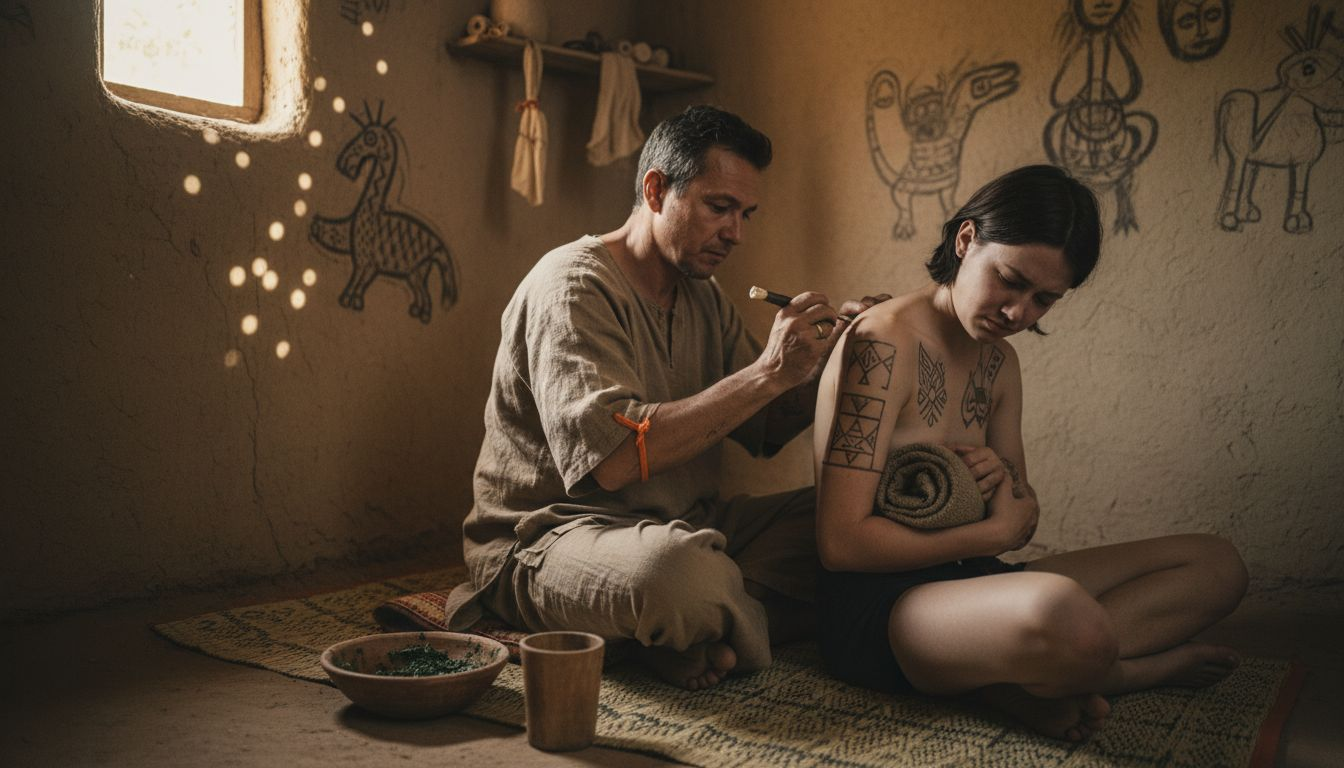
Natural Substances and Folk Remedies
Ancient practitioners used plant-based substances to reduce sensation. Cultures across Europe, Asia, and beyond discovered that certain plants numbed skin or reduced inflammation when applied topically. Ice and cold water also played roles in managing discomfort.
Common natural approaches included:
- Herbal pastes and plant extracts applied before tattooing
- Cold compresses using water or snow
- Medicinal plants known for numbing properties
- Alcohol-based remedies for cleaning and mild anesthesia
These methods worked with varying effectiveness. Some provided genuine relief, while others relied more on placebo effect or ritual significance. Regardless, they represented humanity’s consistent drive to manage pain during tattooing.
Early pain management wasn’t about eliminating discomfort completely—it was about making the experience bearable and culturally meaningful.
The Transition to Modern Understanding
As medical science advanced, people began questioning old folk remedies. By the 1800s and early 1900s, doctors started experimenting with chemical anesthetics for tattooing. This marked the shift from purely traditional methods to evidence-based pain management.
However, widespread adoption took decades. Many tattoo artists and clients clung to traditional beliefs, skeptical of new chemical solutions. This cultural resistance delayed progress even when better options became available. Central European tattoo communities particularly held strong to traditional practices, making change slower in some regions.
Today, modern numbing creams represent the culmination of centuries of experimentation. Products like TKTX and Dermacain combine chemical science with practical application, delivering reliable pain reduction that ancient artists could never achieve.
Pro tip: Understanding that pain management has deep historical roots can ease anxiety—your discomfort matters, and using modern numbing solutions honors both traditional respect for the process and contemporary comfort standards.
Here’s how pain management approaches in tattooing have evolved over time:
| Era | Main Methods | Effectiveness | Cultural Impact |
|---|---|---|---|
| Ancient/Traditional | Hand tools, herbal pastes | Varied, often minimal | Pain seen as meaningful |
| Early Modern (1800s-1900s) | Folk remedies, basic anesthetics | Limited to moderate | Shift toward medical solutions |
| Modern (21st century) | Professional numbing creams | Highly reliable | Comfort prioritized over ritual |
Rise of Numbing Creams and Modern Solutions
The shift from enduring pain to managing it represents one of tattooing’s most significant transformations. Numbing creams changed everything, turning what was once a rite of passage into a genuinely comfortable experience. This evolution didn’t happen overnight—it took decades of medical research and cultural acceptance.
Numbing creams emerged from the same pharmaceutical developments that transformed surgery and dentistry. When topical anesthetics for tattooing gained acceptance, tattoo artists and clients finally had a reliable alternative to traditional pain tolerance. The transition from tradition to innovation created tension, but comfort ultimately won.
How Modern Numbing Creams Work
Active ingredients like lidocaine block nerve signals, preventing pain sensations from reaching your brain. These compounds don’t harm the skin—they temporarily interrupt communication between nerve endings and your nervous system. The effect is localized, meaning only the tattooed area experiences numbness.
Key mechanisms include:
- Lidocaine penetrating skin layers and blocking sodium channels
- Reduced nerve signal transmission during the procedure
- Numbness lasting up to 3 hours with quality products
- No interference with tattoo ink application or artist technique
Numbing cream effectiveness depends on proper application timing and product quality. Products formulated specifically for tattooing deliver superior results compared to general-purpose numbing options. Applying cream 20-30 minutes before your session allows adequate time for absorption.
Why Central European Artists Embraced This Technology
Initially, numbing creams faced resistance from traditionalists who viewed pain as integral to tattooing’s meaning. However, practical benefits eventually overcame cultural hesitation. Artists discovered that comfortable clients move less, breathe steadily, and allow for better technique execution.
Modern advantages include:
- Clients can sit longer without distraction
- Artists achieve cleaner lines with steadier positioning
- Fewer involuntary muscle movements disrupt work
- Better client retention and satisfaction
Today’s forward-thinking studios across Europe recognize that numbness doesn’t diminish the tattoo’s significance—it simply removes unnecessary suffering. Professional artists actively recommend quality numbing solutions because they understand the business and artistic benefits.
Modern numbing creams represent respect for both the art and the client—achieving comfort without compromising quality.
Choosing Quality Products
Not all numbing creams deliver the same results. Products like TKTX and Dermacain are specifically formulated for tattooing, with proven effectiveness and safety records. These options provide guaranteed comfort without compromising your tattoo’s final appearance or integrity.
When selecting products, look for:
- Formulations designed specifically for tattoo application
- Transparent ingredient lists
- Proven track records with professional artists
- Satisfaction guarantees
Quality matters because cheap alternatives may cause skin irritation, allergic reactions, or provide inadequate numbness. Professional-grade products ensure you get genuine pain relief and protection.
Pro tip: Always apply numbing cream at least 30 minutes before your appointment, keep the treated area covered with plastic wrap until your artist begins, and inform your tattoo artist which product you used so they understand the expected numbness duration.
Safety, Legal, and Effectiveness Factors Today
Getting a tattoo in 2025 means operating within a framework of established safety standards and legal protections that didn’t exist decades ago. Europe leads the world in tattoo regulation, and understanding these rules protects both you and your artist. Safety isn’t just a suggestion—it’s increasingly a legal requirement.
The European Union has implemented strict guidelines governing tattoo inks, equipment sterilization, and practitioner qualifications. Regulatory frameworks for tattoo safety address allergic reactions, infections, and long-term health risks. These standards represent years of research and incident documentation. Compliance ensures you receive service from properly equipped professionals.
What Legal Requirements Mean for You
Quality numbing creams must meet safety standards across Europe. Products sold through legitimate channels undergo testing for skin irritation, allergic potential, and effectiveness. When you purchase TKTX or Dermacain from verified sellers, you’re buying products that comply with European safety protocols.
Important legal factors include:
- Product registration with health authorities in your country
- Ingredient transparency showing exactly what you’re applying
- Safety documentation proving non-harmful formulation
- Seller verification confirming legitimate distribution channels
- Money-back guarantees protecting customer satisfaction
Legitimate sellers in Central Europe now guarantee satisfaction and offer free shipping on orders over 30 euros. This commitment reflects confidence in product quality and regulatory compliance. If numbing creams don’t work as promised, reputable vendors refund your money—no hassle.
Effectiveness Standards in Modern Practice
Modern numbing creams must deliver measurable results within established timeframes. Quality products provide 3 hours of effective numbness, allowing most tattoo sessions to complete without discomfort. This isn’t theoretical—it’s verified through consistent customer experience and professional artist feedback.
Key effectiveness markers include:
- Complete numbness within 30 minutes of application
- Sustained pain relief for full 3-hour duration
- No interference with tattoo ink deposition
- Consistent results across different skin types
- Professional artist endorsement from experienced studios
Artists across Europe increasingly recommend quality numbing solutions because they’ve witnessed the difference. Better client comfort equals better work conditions and superior tattoo outcomes. This practical effectiveness creates a win-win situation for everyone involved.
Legal compliance and proven effectiveness work together—safety standards exist because products must actually work reliably.
Choosing Verified Products
When selecting numbing creams, prioritize products with clear legal status in Europe. Avoid unverified sellers or suspiciously cheap alternatives that lack proper documentation. Your skin deserves products that meet rigorous safety standards.
Verification checklist:
The following table highlights key features of verified numbing creams important for safe tattoo sessions:
| Feature | Why It Matters | What To Check For |
|---|---|---|
| Ingredient transparency | Avoids hidden allergens | Full ingredient list available |
| Regulatory approval | Ensures safety/testing | European health authority registration |
| Product authenticity | Guarantees effectiveness | Purchase from recognized distributors |
| Satisfaction guarantee | Protects your purchase | Written money-back policy |
- Seller provides transparent business information
- Product ingredients listed clearly
- Customer satisfaction guarantees in writing
- Free shipping policies for larger orders
- Documented compliance with European regulations
Trust your instincts. Legitimate vendors operate transparently and welcome questions about safety, ingredients, and effectiveness. They understand you’re making an informed choice and respect that decision-making process.
Pro tip: Before purchasing any numbing cream, verify the seller’s European business registration, check for customer reviews from reputable sources, and confirm the product has a money-back guarantee—these three factors indicate legitimate, safety-compliant vendors.
Discover True Comfort with Proven Tattoo Numbing Solutions
The journey from ancient tattoo pain myths to modern pain management shows how far we have come in making tattooing a more comfortable experience. If you want to skip the outdated belief that tattoo pain must simply be endured discover professional-grade numbing creams like TKTX and Dermacain. These creams guarantee up to 3 hours of effective numbness allowing you to enjoy your tattoo session with less discomfort and more confidence. Say goodbye to unnecessary pain and hello to a pain-free process backed by science and trusted across Europe.

Ready to take control of your tattoo pain for good Visit https://buytktx.online to explore top-quality numbing creams with free shipping on orders over 30 Euro and a money-back satisfaction guarantee. Learn more about the benefits of our products and how they can transform your tattoo experience at our main site. Don’t settle for myths when comfort is just a click away. Make your next tattoo session something you truly look forward to by choosing effective pain management today.
Frequently Asked Questions
What are some common myths about tattoo pain?
Many myths surround tattoo pain, such as larger tattoos hurt more and black ink causes less pain. In reality, pain levels depend on the tattoo’s location and the artist’s technique, not the size or color of the ink.
How do modern numbing creams work during tattoo sessions?
Modern numbing creams contain active ingredients like lidocaine, which block nerve signals in the skin. This creates localized numbness, preventing pain sensations from reaching the brain for up to three hours when applied correctly.
What factors should I consider when choosing a numbing cream for tattooing?
When selecting a numbing cream, look for products formulated specifically for tattooing, transparent ingredient lists, proven effectiveness, and a satisfaction guarantee to ensure safety and reliability during your tattoo session.
How have pain management techniques in tattooing evolved over time?
Pain management in tattooing has evolved from traditional methods, such as herbal pastes and cold compresses, to modern solutions like professional-grade numbing creams. This transition emphasizes comfort without compromising the quality of the tattoo artwork.


