

Many tattoo enthusiasts and professional artists in Central Europe know pain is part of the tattoo process, but the truth often gets distorted by myths. Research reveals pain during tattooing is manageable and shaped just as much by emotional and environmental factors as physical sensation, rather than being universally unbearable. Understanding how pain really works—and how products like TKTX and Dermacain change the experience—helps you choose solutions that support both comfort and artistry.
Table of Contents
- Defining Tattoo Pain And Misconceptions
- Types Of Pain Management Products Today
- How Tattoo Numbing Creams Work Safely
- Legal Status And Safety Standards In Europe
- Common Risks, Costs, And Effective Use Tips
Key Takeaways
| Point | Details |
|---|---|
| Understanding Tattoo Pain | Tattoo pain is influenced by mental and environmental factors as much as physical sensations. Personal thresholds vary greatly among individuals. |
| Myths about Pain | Common misconceptions include beliefs about gender differences in pain tolerance and that larger tattoos always hurt more. Pain is subjective and varies by individual and technique. |
| Pain Management Options | Modern topical anesthetics, particularly lidocaine-based creams, significantly reduce discomfort during sessions. Proper application is crucial for effectiveness. |
| Regulatory Compliance | Tattoo numbing creams in Europe must meet strict safety standards, ensuring products are safe for consumer use. Look for reputable brands and clear labeling. |
Defining Tattoo Pain and Misconceptions
Tattoo pain is real. But it’s not what most people think it is. Pain during tattooing is an unpleasant sensory and emotional experience tied to tissue damage, yet it’s heavily shaped by your mind and surroundings.
Your brain processes tattoo discomfort differently than other types of pain. The emotional side matters as much as the physical sensation. Stress, anxiety, and your expectations all influence how intensely you feel the needle.
The Reality of Tattoo Pain
Here’s what research actually shows about the tattooing experience:
- Pain varies dramatically from person to person based on individual thresholds
- Session length, bleeding, and stress levels are major factors affecting discomfort
- Research indicates no gender difference in pain intensity, despite common myths
- Pain is typically described as manageable, not unbearable
The biggest misconception? That tattoo pain is always extreme and uniform. It’s not. Your unique physiology, the artist’s technique, placement on your body, and your mental state all create different experiences.
Cognitive and emotional factors matter just as much as the physical needle. Managing your mindset directly reduces how much pain you perceive.
Common Myths That Mislead People
Women experience more pain than men during tattooing. False. Your gender doesn’t determine your pain tolerance for this specific procedure.
Everyone feels the same intensity. Wrong again. Pain thresholds vary significantly between individuals, making the experience highly personal.
Larger tattoos always hurt worse. Not necessarily. Duration and placement matter more than size alone.
Pain means something’s wrong. Incorrect. Controlled discomfort during tattooing is normal and expected, not a warning sign.
When you understand how skin sensitivity impacts tattoo pain, you can prepare better. Different areas of your body have different sensitivity levels.
Why This Matters for Your Tattoo Session
Knowing the truth about tattoo pain helps you prepare mentally and physically. You’ll avoid unnecessary anxiety from false information. You can focus on choosing the right pain management approach for your specific situation.
Environmental factors and stress directly modulate your pain perception. A calm artist, comfortable studio, and proper preparation all reduce discomfort. Your mindset going in shapes what happens during the session.
This is why managing pain expectation matters as much as managing the physical sensation itself.
Pro tip: Address your anxiety before the appointment by understanding that pain is manageable and varies based on controllable factors like stress levels, session duration, and body placement—not something you simply have to endure.
Types of Pain Management Products Today
Pain management for tattoos has evolved dramatically. You’re no longer limited to gritting your teeth and hoping the discomfort passes. Modern solutions offer real relief during your session, making the experience significantly more comfortable.
The market now includes various topical anesthetics designed specifically for tattooing. These work by blocking nerve signals temporarily, allowing you to sit through longer sessions with minimal distraction from pain.
Numbing Cream Formulations
Lidocaine-based numbing creams remain the gold standard for pain reduction during tattooing. They penetrate the skin and numb nerve endings at the application site, creating a localized pain-blocking effect that lasts through your appointment.
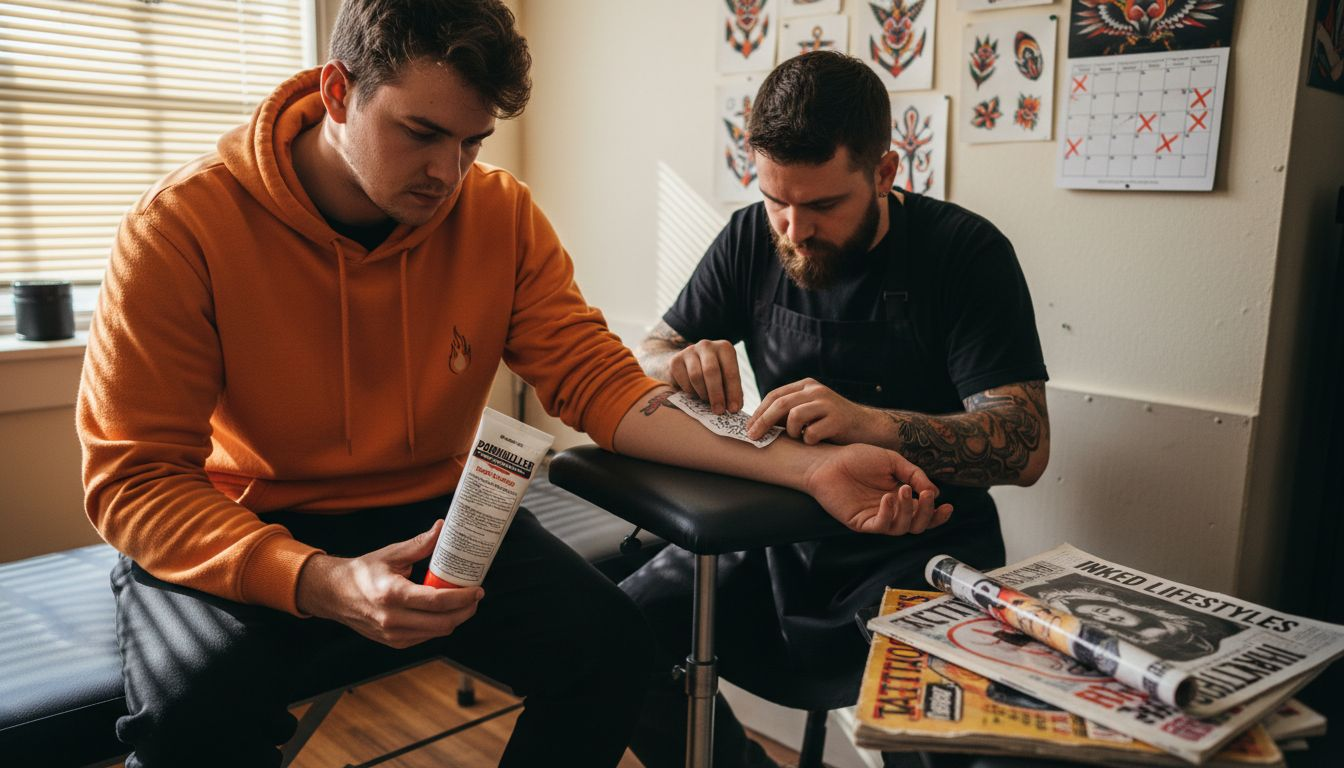
Formulations have expanded beyond basic creams. Today’s options include:
Here’s a quick comparison of tattoo numbing cream formulation types and their typical benefits:
| Type | Absorption Speed | Best Use Cases | Residue Level |
|---|---|---|---|
| Cream | Slow, steady | Long sessions | Moderate |
| Spray | Very fast | Touch-ups, small areas | Minimal |
| Gel | Fast | Medium sessions | Low |
| Combination Formula | Varies by ingredients | Extended pain relief | Minimal to moderate |
- Topical creams: Direct application, longer lasting, thicker consistency
- Sprays: Quick application, lighter feel, good for touch-ups
- Gels: Fast-absorbing, clean application, minimal residue
- Combination formulas: Multiple active ingredients for enhanced effectiveness
Modern products combine multiple actives to extend duration and increase pain reduction beyond what single-ingredient formulas can achieve.
How These Products Work
Numbing creams don’t eliminate sensation completely. Instead, they reduce nerve signal transmission to your brain, making the needle feel like pressure rather than sharp pain.
The best products for Central European tattoo artists and enthusiasts offer 3-hour guaranteed pain reduction. This window covers most standard tattoo sessions, from small designs to larger pieces requiring extended sitting.
When you apply these creams before your appointment, the anesthetic penetrates through the outer skin layer to reach nerve endings below. The effect builds gradually over 15-30 minutes and reaches peak effectiveness around 60 minutes post-application.
Choosing the Right Product
Different products suit different needs. Session length, skin type, and tattoo placement all influence which option works best for your situation.
Pain management solutions with numbing creams have become the preferred choice for professional artists and clients seeking comfortable experiences. Quality matters significantly—cheap alternatives often fail to deliver consistent results.
Look for products that guarantee satisfaction. Free shipping on orders over 30 Euro makes testing different options more accessible for European customers.
Pro tip: Apply your numbing cream 60 minutes before your appointment and keep the area covered with plastic wrap to maximize penetration—this ensures you reach peak numbness exactly when your tattoo session begins.
How Tattoo Numbing Creams Work Safely
Tattoo numbing creams deliver pain relief through a carefully designed biochemical process. Understanding how they work helps you use them correctly and safely during your tattoo session.
Lidocaine and similar anesthetic compounds penetrate the outer skin layer and block sodium channels in nerve cells. This prevents pain signals from traveling to your brain, creating a localized numbing effect without systemic side effects.
The Application Process
Proper application is critical for safety and effectiveness. The cream must reach the dermis layer where sensory nerves sit, not just sit on the skin surface.
Follow this sequence for optimal results:
- Clean the area thoroughly with soap and water
- Pat skin completely dry (moisture blocks absorption)
- Apply a generous layer of numbing cream
- Cover with plastic wrap to increase penetration
- Wait 60 minutes for peak effectiveness
- Remove wrap and wipe away excess cream
- Begin your tattoo session immediately
Timing matters significantly. The cream reaches maximum strength around 60 minutes post-application. Starting your session before peak effectiveness reduces pain relief duration.
Safety Considerations
Safety of tattoo numbing creams depends on proper usage and understanding your personal skin sensitivity. Quality products from reputable manufacturers contain consistent active ingredient concentrations.
Key safety points include:
- Use only on intact skin (no cuts, wounds, or abrasions)
- Avoid contact with eyes and mucous membranes
- Test on a small area first if you have sensitive skin
- Follow recommended application amounts precisely
- Don’t exceed recommended session duration
- Check expiration dates before use
Overusing numbing cream or applying to damaged skin increases absorption rates, potentially causing unwanted systemic effects—stick to recommended dosages.
Guaranteed Pain Reduction
Quality numbing creams provide 3-hour guaranteed pain reduction when applied correctly. This window covers most standard tattoo sessions without requiring reapplication.
The effectiveness plateau occurs between 60 and 120 minutes post-application. Your pain perception remains significantly reduced throughout this window, making longer sessions more comfortable.
Different skin types and body locations affect absorption rates. Thicker skin requires longer penetration time, while thinner areas on the inner arm or neck absorb faster.
Why Professional Artists Prefer These Solutions
Central European tattoo professionals increasingly recommend numbing creams because they create better working conditions. Relaxed clients sit still longer, allowing artists to work with precision and consistency.
Clients experience less involuntary muscle contractions and flinching, resulting in cleaner linework and better overall tattoo quality. This mutual benefit drives adoption across professional studios.
Pro tip: Arrive 90 minutes before your appointment if using numbing cream, apply it immediately upon arrival, and keep the plastic wrap on until just before your session begins—this ensures you reach peak numbness exactly when your artist starts working.
Legal Status and Safety Standards in Europe
Tattoo numbing creams operate within a complex regulatory framework across Europe. Understanding these legal boundaries protects you as a consumer and ensures you’re using safe, approved products.
European regulations prioritize consumer protection through rigorous safety standards. Products sold across the EU must meet stringent chemical composition requirements and safety protocols before reaching the market.
Regulatory Framework
European Chemicals Agency regulations establish safety standards for products used in tattooing procedures, including numbing creams. This regulatory oversight prevents harmful substances from entering consumer products and protects both artists and clients.
Key regulatory aspects include:
- Chemical composition must meet EU safety standards
- Active ingredients require approval for topical application
- Manufacturing processes must follow Good Manufacturing Practice guidelines
- Product labeling must include ingredient lists and usage instructions
- Safety data sheets must be available to consumers
- Products require testing for skin irritation and allergic reactions
European safety standards ensure numbing creams contain approved anesthetics at safe concentrations, making them fundamentally different from unregulated products sold online.
Status in Central European Countries
Central European nations follow EU guidelines while maintaining additional national requirements. Reputable suppliers like those offering TKTX and Dermacain products comply with all applicable standards across the region.
Products sold in Austria, Czech Republic, Hungary, Poland, and Germany must meet:
- Registration with national pharmaceutical authorities
- Compliance with the Cosmetics Regulation (EU) 1223/2009
- Documentation of safety testing results
- Proper import and distribution licensing
Legal aspects of tattoo numbing vary slightly between countries, so purchasing from established retailers ensures you receive compliant products.
What Makes Products Legal and Safe
Legal numbing creams come from manufacturers who invest in safety testing and regulatory compliance. These products carry transparent ingredient lists and come with clear usage instructions.
Look for these indicators when purchasing:
- Clear labeling showing all active ingredients
- Expiration dates on packaging
- Usage instructions in your language
- Money-back guarantees indicating manufacturer confidence
- Free shipping policies suggesting legitimate business practices
- Customer satisfaction guarantees
Companies offering 3-hour guaranteed pain reduction with money-back guarantees demonstrate confidence in their products’ compliance and effectiveness.
Why Compliance Matters
Compliant products undergo rigorous testing for safety and effectiveness. Non-regulated alternatives from unknown sources may contain harmful substances or incorrect active ingredient concentrations.
Your health depends on using products tested and approved by European authorities. Purchasing from licensed retailers ensures you receive genuinely safe, effective numbing creams for your tattoo session.
Pro tip: Before purchasing numbing cream, verify the seller offers money-back guarantees and clear ingredient lists—these indicators signal they’re confident their product meets European safety standards and delivers promised results.
Common Risks, Costs, and Effective Use Tips
Numbing creams improve comfort during tattooing, but they come with specific risks if misused. Understanding these potential issues helps you apply products safely and get the results you want.
Proper application separates successful sessions from problematic ones. When you follow guidelines and consult with your artist beforehand, risks drop dramatically.
Potential Risks to Avoid
Risks of tattoo numbing cream include lidocaine toxicity if applied excessively, allergic reactions, and skin texture changes that affect final tattoo quality. These complications occur almost exclusively with improper usage or low-quality products.
Key risks include:
- Lidocaine toxicity from excessive application or broken skin absorption
- Allergic reactions to active ingredients or preservatives
- Temporary skin texture changes affecting tattoo clarity
- Delayed healing if numbing cream interferes with skin recovery
- Compromised needle feedback affecting artist precision
Limiting application to recommended areas and avoiding broken skin eliminates most risks. Always consult your tattoo artist before applying numbing cream.
Impact on Tattooing Process
Numbing creams can complicate the tattooing experience if artists aren’t prepared for them. Numb skin feels different under the needle, potentially affecting pressure feedback and line consistency.
Professional artists adapt their technique when numbing cream is present. Communication before your session ensures your artist adjusts needle depth and pressure accordingly.
Informing your artist about numbing cream application beforehand allows them to modify their technique, preventing design issues and ensuring optimal healing.
Cost Considerations
Quality numbing creams cost between 15 and 35 Euros per application. One tube typically provides multiple uses depending on tattoo size and application area.
Value breaks down as:
- Small tattoo (under 5cm): 1 application costs 15-20 Euros
- Medium tattoo (5-15cm): 1-2 applications cost 20-30 Euros
- Large tattoo (over 15cm): 2-3 applications cost 30-50 Euros
Free shipping on orders over 30 Euros across Europe makes purchasing multiple tubes cost-effective. Money-back guarantees mean you risk nothing trying quality products.
Here is a summary of key risks, average costs, and effective strategies for tattoo numbing cream use:
| Risk/Cost/Strategy | Typical Impact | Main Prevention Tip |
|---|---|---|
| Lidocaine toxicity | Unwanted side effects | Follow dosage guidelines |
| Allergic reaction | Skin irritation, redness | Test small area first |
| Single tube cost | €15-35 per application | Buy from reputable sellers |
| Timing strategy | Maximizes pain reduction | Apply 60 min before session |
Effective Application Strategy
Proper technique maximizes benefits while minimizing risks. Start with conservative amounts and adjust based on comfort levels during your session.
Follow this approach:
- Clean and dry the tattoo area completely
- Apply thin, even layer of numbing cream
- Cover with plastic wrap for 60 minutes
- Remove wrap 10 minutes before appointment
- Wipe away excess cream
- Inform your artist immediately
- Monitor comfort during tattooing
Timing matters most. Peak effectiveness occurs exactly when you want maximum pain reduction, creating the ideal window for your session.
Pro tip: Tell your tattoo artist about your numbing cream use at least one week before your appointment—experienced artists adjust their technique and pressure when working on numbed skin, resulting in better line quality and faster healing.
Experience A Truly Painless Tattoo With Advanced Pain Management Solutions
The challenge of managing tattoo pain is real but no longer something you have to fear. This article highlights how factors like individual pain thresholds, session length, and body placement influence your discomfort. With evolving techniques like lidocaine-based numbing creams, you can dramatically reduce pain and anxiety, making your tattoo session comfortable and stress-free. Imagine handling 3 hours of guaranteed pain relief backed by real science and European safety standards.

Discover the power of premium products such as TKTX and Dermacain available exclusively at our website. Backed by customer satisfaction guarantees and free shipping on orders over 30 Euro throughout Europe, you can trust these numbing creams to transform your tattoo experience. Take control of your pain management now by visiting Buy TKTX Official Site and start your journey toward a painless tattoo session today.
Frequently Asked Questions
What are the common types of tattoo pain management products?
Tattoo pain management products typically include topical anesthetics, numbing creams, sprays, gels, and combination formulas that contain multiple active ingredients for enhanced pain relief.
How do numbing creams work during a tattoo session?
Numbing creams work by penetrating the skin and blocking nerve signals that transmit pain to the brain, making the sensation feel more like pressure rather than sharp pain.
How long before my tattoo appointment should I apply numbing cream?
It’s recommended to apply numbing cream about 60 minutes before your tattoo appointment to ensure it reaches peak effectiveness when your session begins.
Are there any safety considerations for using tattoo numbing creams?
Yes, it’s important to use numbing creams only on intact skin, avoid contact with eyes, and follow the recommended dosage. Testing on a small area first is also advisable if you have sensitive skin.


