

Over half of American adults report that pain is their biggest concern when getting a tattoo. Pain tolerance varies widely, and for many, the idea of sitting through hours of needlework is daunting. Topical anesthetics offer a simple yet powerful way to make the tattoo experience much less stressful and more comfortable. This guide explains how these numbing products work, the types most effective in tattooing, and what every American should know before using them.
Table of Contents
- What Are Topical Anesthetics for Tattoos
- Types of Topical Anesthetics and Forms
- How Topical Anesthetics Numb Tattoo Pain
- Legal and Safety Guidelines in Central Europe
- Risks, Side Effects, and Best Practices
Key Takeaways
| Point | Details |
|---|---|
| Topical Anesthetics Enhance Comfort | These agents significantly reduce pain during tattoo procedures, making the experience more comfortable for clients. |
| Various Formulations Available | Options include creams, gels, and sprays, each suited for different areas and preferences for pain management. |
| Safety Guidelines are Essential | Strict regulations and safety protocols must be followed to ensure safe application and minimize risks of side effects. |
| Proper Consultation is Key | Clients should always discuss their health history and suitability of topical anesthetics with professionals before use. |
What Are Topical Anesthetics for Tattoos
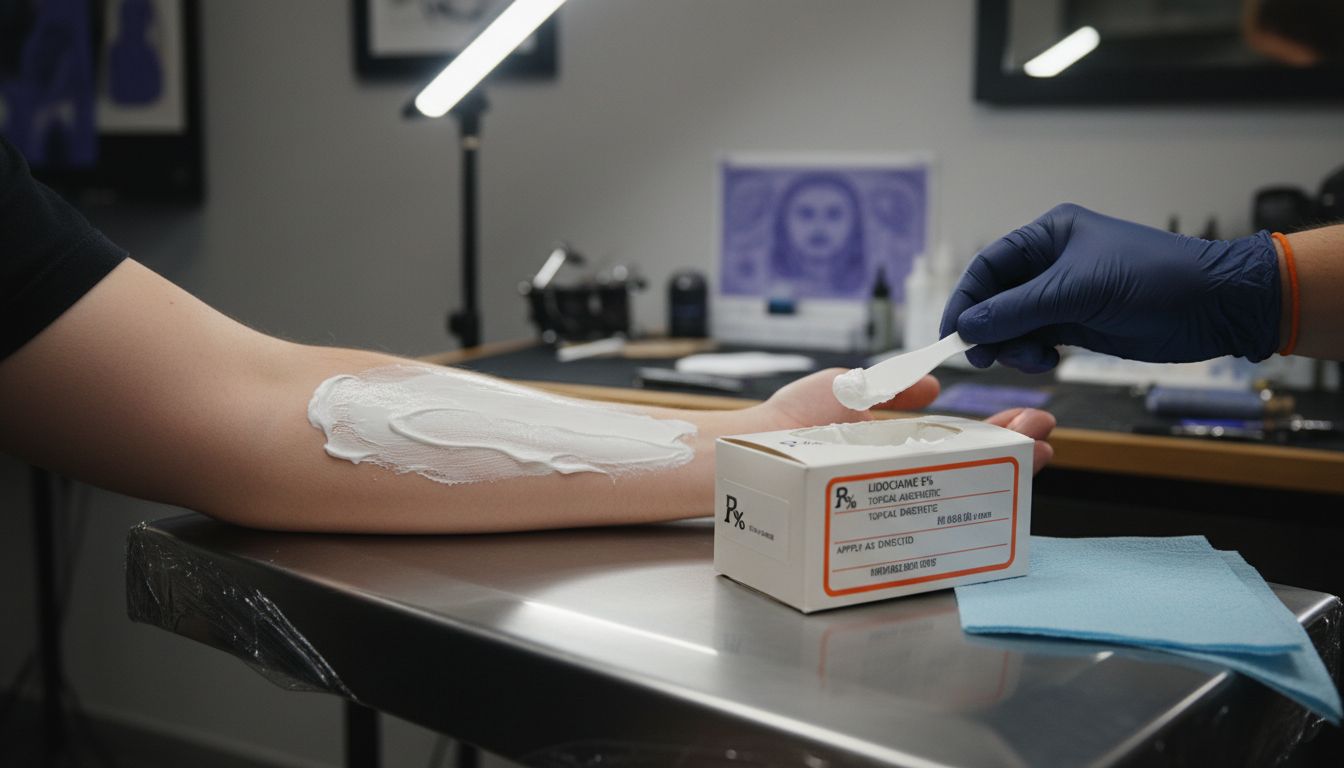
Topical anesthetics are special numbing agents designed to reduce pain during tattoo procedures. These powerful skin treatments temporarily block nerve signals, making the tattooing process significantly more comfortable for clients. Lidocaine/prilocaine creams represent one of the most common types of topical anesthetics used in professional tattoo settings.
At their core, topical anesthetics work by interrupting pain signals before they reach the brain. When applied to the skin before tattooing, these medications create a localized numbing effect that dramatically reduces discomfort. EMLA cream, a mixture of lidocaine and prilocaine, provides an excellent example of how these medications function by temporarily desensitizing the targeted skin area.
Topical anesthetics typically offer several key benefits for tattoo enthusiasts:
- Significant pain reduction during tattoo application
- Minimal invasiveness compared to injectable anesthetics
- Quick and easy application process
- Reduced anxiety for individuals with low pain tolerance
- Shorter recovery time between tattoo sessions
The effectiveness of topical anesthetics varies depending on factors like skin type, cream concentration, and individual pain sensitivity. Professional tattoo artists often recommend applying the numbing cream approximately 30-45 minutes before the tattoo session to ensure maximum effectiveness. Clients should always consult with their tattoo professional about proper application techniques and potential skin reactions.
Types of Topical Anesthetics and Forms
Topical anesthetics come in various formulations designed to meet different pain management needs for tattoo enthusiasts. Benzocaine-based products represent one of the most versatile categories, available in multiple application formats including creams, gels, and sprays that provide targeted numbing for skin procedures.
The primary types of topical anesthetics used in tattoo settings include cream formulations, numbing sprays, and gel-based solutions. Each type offers unique advantages depending on the specific tattoo location and client preferences. Cetacaine, a specialized topical anesthetic, demonstrates the complexity of these formulations by combining multiple numbing agents like benzocaine, butamben, and tetracaine to enhance pain reduction effectiveness.
Here are the most common topical anesthetic forms:
-
Cream Formulations
- Easy to apply
- Provides even coverage
- Longer lasting effect
-
Spray Applications
- Quick application
- Good for hard-to-reach areas
- Rapid absorption
-
Gel Solutions
- Thick consistency
- Precise application
- Minimal dripping
Professional tattoo artists typically recommend selecting a topical anesthetic form based on individual skin type, tattoo location, and personal comfort level. Understanding the differences between these formulations helps clients make informed decisions about pain management during their tattoo experience.
How Topical Anesthetics Numb Tattoo Pain
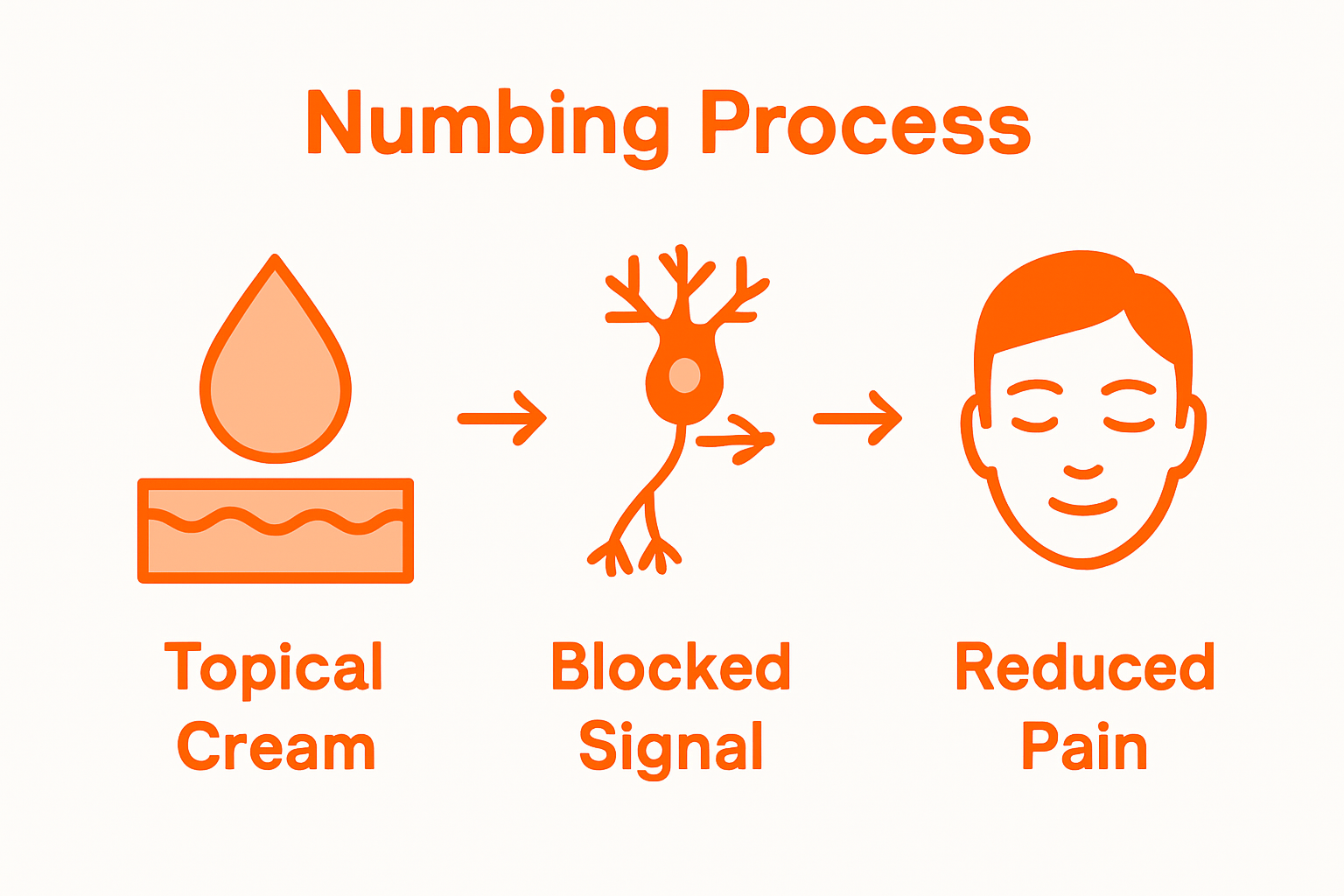
Topical anesthetics function through a sophisticated neurological mechanism that interrupts pain signal transmission in the skin. Lidocaine works by blocking sodium channels in nerve cells, preventing the brain from receiving pain messages during tattoo procedures. This targeted approach creates a temporary numbing effect that significantly reduces discomfort for tattoo clients.
The nerve signal interruption process occurs at a microscopic level, where the anesthetic compounds directly interfere with the body’s pain communication system. Prilocaine, another key anesthetic compound, shares similar mechanisms by blocking sodium channels and preventing nerve impulses from reaching the central nervous system. When applied to the skin, these medications create a protective barrier that essentially “switches off” pain receptors in the targeted area.
Key steps in the pain numbing process include:
- Penetration of skin layers by anesthetic compounds
- Blocking of sodium channels in nerve cells
- Interruption of pain signal transmission
- Temporary desensitization of nerve endings
- Reduced pain perception during tattoo application
Understanding this scientific process helps tattoo enthusiasts appreciate how topical anesthetics provide effective pain management. The duration and intensity of numbness depend on factors like cream concentration, individual skin sensitivity, and proper application technique. Professional tattoo artists recommend carefully following application instructions to maximize the anesthetic’s effectiveness and ensure a more comfortable tattoo experience.
Legal and Safety Guidelines in Central Europe
Topical anesthetics for tattoos are subject to strict regulatory oversight across European markets, with specific guidelines designed to protect consumer safety. Regulatory standards for topical anesthetics typically limit active ingredient concentrations to ensure minimal health risks, requiring careful adherence to recommended application protocols.
The legal framework surrounding topical anesthetics involves multiple considerations for tattoo professionals and clients. European regulations emphasize comprehensive screening processes that include assessing individual skin sensitivity, potential allergic reactions, and appropriate product concentrations. Benzocaine-based products require particularly careful administration, with specific guidelines addressing age restrictions and potential side effect monitoring.
Key safety guidelines for topical anesthetic use include:
- Mandatory patch testing before full application
- Strict adherence to recommended concentration levels
- Professional consultation prior to procedure
- Comprehensive medical history review
- Immediate discontinuation if adverse reactions occur
Tattoo professionals across Central Europe must maintain rigorous standards of client protection. This involves not just following legal requirements, but also implementing proactive safety measures that prioritize individual client health and well-being. Understanding these guidelines helps ensure a safe, comfortable tattoo experience while minimizing potential medical complications.
Risks, Side Effects, and Best Practices
Topical anesthetics, while incredibly helpful for pain management during tattoos, come with potential risks that clients and tattoo professionals must carefully understand. Overexposure to topical anesthetics can lead to serious medical complications, including potential heart and kidney issues, or even permanent nerve damage if application guidelines are not strictly followed.
Understanding the potential side effects is crucial for safe application. Numbing creams may significantly alter skin texture, creating a rubbery surface that can potentially interfere with tattoo needle penetration and overall artwork quality. The potential risks extend beyond immediate physical reactions and can impact both the tattoo process and long-term skin health.
Best practices for safe topical anesthetic use include:
- Conduct thorough medical history screening
- Perform patch testing 24-48 hours before procedure
- Use only recommended product dosages
- Monitor skin reaction during application
- Communicate openly with tattoo professional
- Avoid applying on broken or irritated skin
- Stay within recommended application time frames
Tattoo enthusiasts should approach topical anesthetics as a carefully managed tool, not a guaranteed solution. Professional consultation, individual health considerations, and strict adherence to application guidelines are essential for minimizing potential risks and ensuring a safe, comfortable tattoo experience.
Experience Pain-Free Tattoo Sessions with Trusted Numbing Creams
The article explains how topical anesthetics reduce pain by blocking nerve signals during tattoos. If you struggle with discomfort or anxiety around tattoo pain, creams like TKTX and Dermacain offer a proven way to stay comfortable for up to 3 hours. These numbing solutions address common challenges such as sensitivity and skin reactions by providing reliable, easy-to-apply pain relief ahead of your tattoo session.
Why settle for unnecessary pain when you can choose safe and effective numbing creams that follow European safety guidelines? Our products come with a customer satisfaction guarantee and free shipping across Europe on orders over 30 Euro. Discover how simple it is to improve your tattoo experience with professional-grade topical anesthetics.

Take control of your tattoo pain now by visiting https://buytktx.online. Explore our range of numbing creams designed for lasting comfort. Don’t miss the chance to enjoy a more relaxed tattoo process with products trusted by artists and enthusiasts throughout Europe.
Frequently Asked Questions
What are topical anesthetics used for in tattooing?
Topical anesthetics are used to reduce pain and discomfort during tattoo procedures by temporarily blocking nerve signals in the skin.
How long before a tattoo session should I apply topical anesthetics?
It is generally recommended to apply topical anesthetics about 30-45 minutes before the tattoo session to ensure maximum effectiveness.
Are there different types of topical anesthetics for tattoos?
Yes, topical anesthetics come in various forms, including creams, gels, and sprays, each offering unique advantages based on the tattoo location and client preferences.
What are the risks and side effects of using topical anesthetics during a tattoo?
Potential risks include skin reactions, changes in skin texture, and serious complications like heart or kidney issues if the products are misapplied or overused.


