

More than 60 percent of American adults experience moderate to severe pain when getting a tattoo, yet numbing creams continue to spark heated debate. For many, the thought of needles meeting skin is enough to cause serious hesitation. Learning the real science behind numbing creams dispels widespread myths and explains why American tattoo artists increasingly recommend these products. This guide breaks down how numbing creams work, highlights safety tips, and clarifies what actually matters for effective pain relief.
Table of Contents
- Numbing Creams: How They Work and Common Myths
- Body Area Sensitivity and Pain Response
- Product Differences: TKTX vs. Dermacain Explained
- Factors That Impact Tattoo Numbing Results
- Avoiding Mistakes and Ensuring Safe Application
Key Takeaways
| Point | Details |
|---|---|
| Understanding Numbing Creams | Numbing creams block nerve signals to reduce pain during procedures like tattoos and must be applied correctly for effectiveness. |
| Individual Pain Sensitivity | Pain perception varies by body area, so understanding your own sensitivity can help manage discomfort. |
| Choosing the Right Product | TKTX and Dermacain have different characteristics affecting their use; consult professionals to select the right option for your needs. |
| Safe Application Practices | Proper preparation and application techniques are essential to avoid complications and ensure numbing effectiveness. |
Numbing Creams: How They Work and Common Myths
Numbing creams are specialized topical medications designed to reduce pain and discomfort during various procedures, including tattoos. These dermal anesthetic solutions work by temporarily blocking nerve signals in the skin, creating a localized pain reduction effect. Topical anesthetics function by interrupting the communication between nerve endings and the brain, effectively minimizing sensory perception in the targeted area.
The science behind numbing creams involves complex molecular interactions. Active ingredients like lidocaine and prilocaine penetrate the skin’s outer layers and attach to nerve receptors, preventing pain signals from being transmitted. Proper application is crucial for maximum effectiveness. Numbing cream performance depends on several key factors, including:
- Correct timing of application
- Adequate thickness of cream layer
- Proper skin preparation
- Duration of pre-procedure coverage
Despite their widespread use, several persistent myths surround numbing creams. Many people incorrectly believe these products are unsafe or ineffective. The reality is that when used according to professional guidelines, numbing creams are both safe and highly reliable. Professional tattoo artists and medical practitioners regularly recommend these products to reduce procedural discomfort. Understanding how to apply them correctly can transform your pain management experience during tattoos or other skin-related procedures.
While numbing creams offer significant benefits, they are not magical solutions. Individual responses can vary based on skin type, pain tolerance, and specific product formulation. Always consult with your tattoo artist or a healthcare professional to determine the most appropriate numbing strategy for your specific needs and skin characteristics.
Body Area Sensitivity and Pain Response
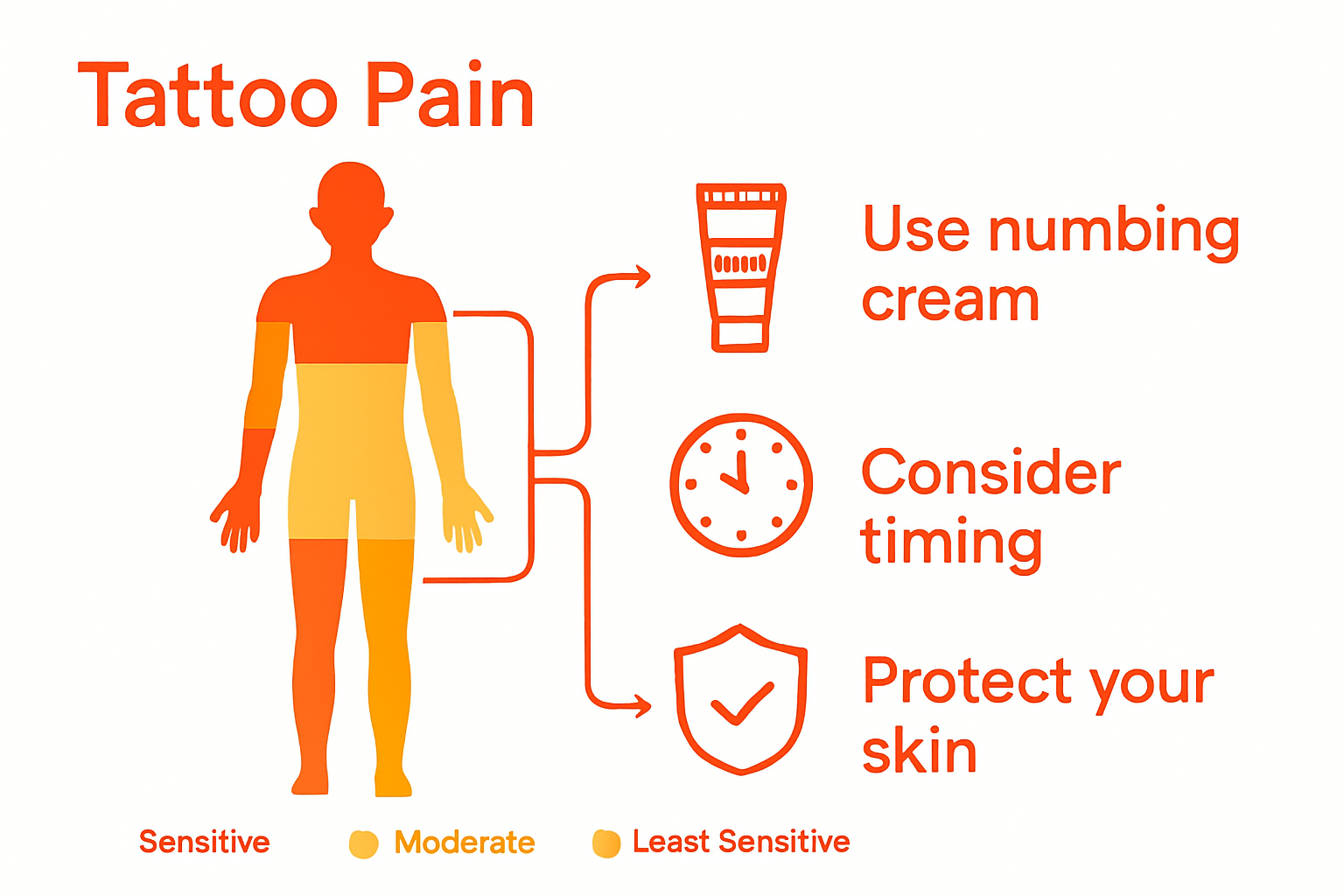
Tattoo pain perception varies dramatically across different body areas, with some regions significantly more sensitive than others. Individual bodily experiences of pain demonstrate that nerve density, muscle proximity, and skin thickness dramatically influence pain tolerance. Understanding these nuanced differences helps tattoo enthusiasts prepare mentally and physically for their ink journey.
Pain sensitivity is not a uniform experience. Somatic awareness and physical sensation play critical roles in how individuals perceive discomfort during tattoo procedures. Areas with higher nerve concentration typically generate more intense sensations. The most sensitive tattoo locations include:
- Ribcage
- Inner arm
- Ankle
- Spine
- Knee
- Elbow
- Neck
- Head
Factors influencing pain perception extend beyond anatomical structure. Personal pain thresholds, stress levels, hydration, and overall physical condition contribute to individual experiences. Some people possess naturally higher pain tolerances, while others might find identical tattoo locations significantly more uncomfortable.
Preparing for your tattoo involves understanding your body’s unique pain response. Techniques like controlled breathing, mental visualization, and strategic numbing cream application can help manage discomfort. Professional tattoo artists recommend discussing your specific concerns and sensitivity levels before starting the tattoo process, enabling a more personalized and comfortable experience.
Product Differences: TKTX vs. Dermacain Explained
Topical anesthetics are specialized pain management solutions designed to reduce discomfort during tattoo procedures. Understanding topical anesthetic variations requires examining key characteristics that distinguish different numbing cream formulations. While TKTX and Dermacain share similar pain reduction goals, they possess unique attributes that impact their application and effectiveness.
Comparing these two prominent numbing creams reveals several critical differences:
-
TKTX Characteristics:
- Faster absorption rate
- Longer lasting pain relief (up to 3 hours)
- More concentrated formula
- Suitable for larger tattoo areas
-
Dermacain Characteristics:
- Gentler skin application
- Shorter onset time
- Less intense formulation
- Better for smaller, more precise tattoo locations
Topical anesthetic application techniques play a crucial role in determining product effectiveness. Professional tattoo artists recommend carefully reading individual product instructions, as each cream requires specific preparation and application methods. Factors like skin type, tattoo location, and personal pain tolerance significantly influence which numbing cream will deliver optimal results.
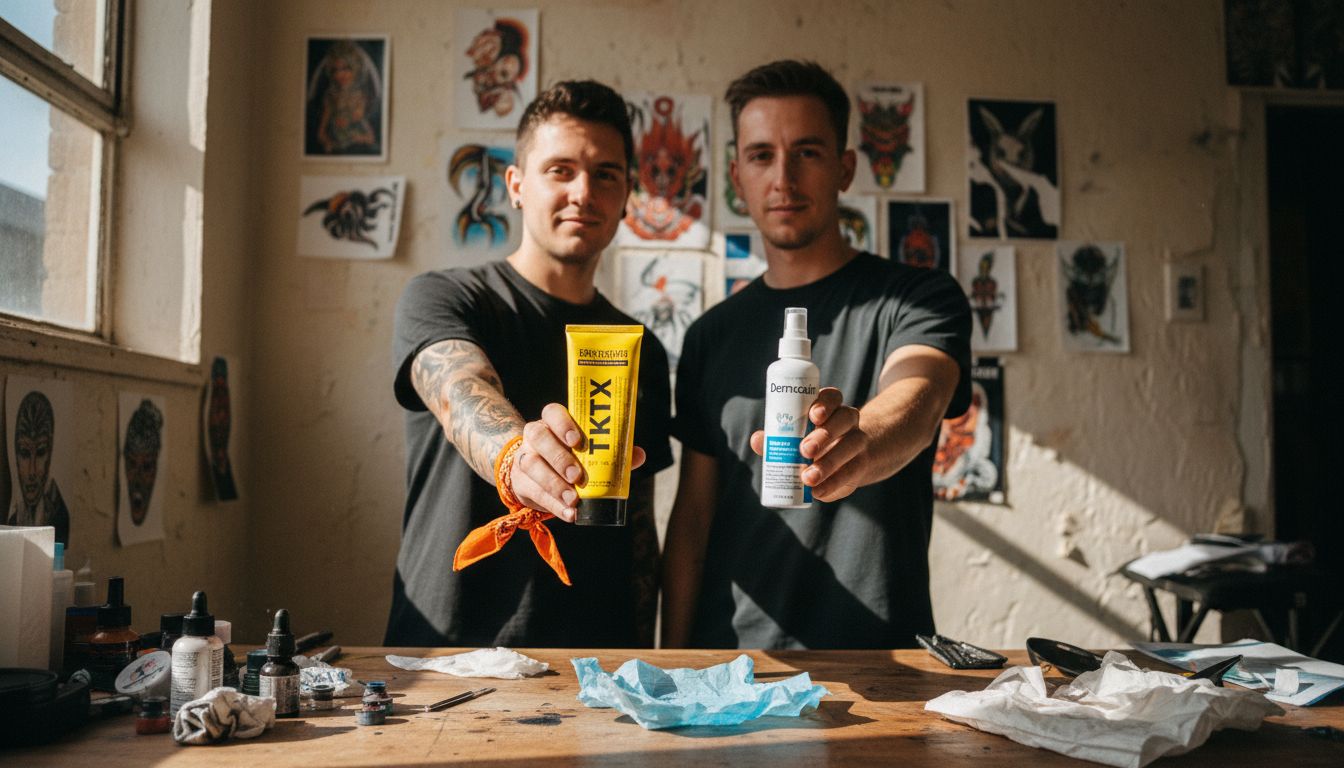
Ultimately, selecting between TKTX and Dermacain depends on individual preferences and specific tattoo requirements. Consulting with your tattoo artist about your pain management needs can help you make an informed decision. Some individuals even experiment with different products to determine which provides the most comfortable tattoo experience, ensuring a more enjoyable and less painful artistic process.
Factors That Impact Tattoo Numbing Results
Tattoo numbing effectiveness is a complex process influenced by multiple variables that extend far beyond simply applying a cream. Topical anesthetic performance depends on a sophisticated interaction between product characteristics, individual physiology, and precise application techniques.
Key factors that dramatically impact numbing results include:
-
Skin Preparation:
- Natural oil retention
- Cleanliness level
- Skin hydration status
- Potential allergic reactions
-
Application Technique:
- Cream thickness
- Coverage area
- Waiting time before procedure
- Method of cream distribution
Numbing cream application strategies reveal critical timing considerations. Professional recommendations suggest applying the numbing cream 30 to 60 minutes before the tattoo procedure, ensuring maximum absorption and pain reduction. Covering the treated area can enhance cream penetration and effectiveness, creating a more controlled numbing experience.
Individual physiological differences play a substantial role in numbing cream performance. Factors like metabolism, skin thickness, pain tolerance, and overall health significantly influence how effectively a numbing cream works. Some individuals might require multiple applications or higher concentration products to achieve desired pain reduction. Consultation with a professional tattoo artist can help customize your numbing strategy, ensuring a more comfortable and personalized tattoo experience.
Avoiding Mistakes and Ensuring Safe Application
Safe numbing cream application requires a methodical approach that goes beyond simple surface-level instructions. Topical anesthetic safety protocols emphasize the importance of understanding individual product specifications and personal skin characteristics before beginning any numbing procedure.
Common mistakes to avoid during numbing cream application include:
-
Preparation Errors:
- Applying cream to broken or irritated skin
- Using expired products
- Ignoring individual allergic sensitivities
- Failing to perform patch tests
-
Application Technical Mistakes:
- Incorrect cream thickness
- Uneven product distribution
- Insufficient waiting time
- Overlapping or excessive application
Numbing cream application guidelines highlight critical steps for safe and effective use. Professional recommendations stress the significance of carefully reading product instructions, understanding personal skin reactions, and maintaining proper hygiene during the application process. Covering the treated area can help enhance absorption while preventing accidental product removal.
Ultimately, safe numbing cream application requires a balanced approach combining product knowledge, personal awareness, and professional guidance. Consulting with your tattoo artist about your specific skin type, potential sensitivities, and appropriate numbing techniques can help prevent complications and ensure a smoother, more comfortable tattoo experience. Remember that individual responses vary, so what works for one person might not be ideal for another.
Enhance Your Tattoo Comfort with Trusted Numbing Creams
Understanding tattoo pain varies by body area highlights the importance of effective numbing creams that match your skin’s sensitivity and tattoo size. Whether you are facing a highly sensitive area like the ribcage or a smaller spot like the inner arm, choosing the right numbing cream is essential for a pain-free tattoo session. Our products, TKTX and Dermacain, provide guaranteed relief for up to three hours, helping you manage discomfort no matter the tattoo location.

Discover how your tattoo experience can change by preparing properly with Topical Anesthetics Infographic and learn best practices on Numbing Cream How to Make it Work for You. Visit https://buytktx.online today to order your numbing cream with confidence. Benefit from free shipping on orders over 30 Euro and our money-back satisfaction guarantee if you are not completely happy with your purchase. Take control of your tattoo pain now and enjoy a comfortable, lasting tattoo experience.
Frequently Asked Questions
What body areas are most sensitive when getting a tattoo?
Tattoo pain perception varies significantly across different body areas. The most sensitive locations include the ribcage, inner arm, ankle, spine, knee, elbow, neck, and head.
How does skin thickness influence tattoo pain?
Skin thickness affects pain tolerance during tattoo procedures. Areas with thinner skin tend to be more sensitive due to a higher density of nerve endings, resulting in increased discomfort.
Can numbing creams guarantee pain relief for all tattoo locations?
While numbing creams greatly reduce discomfort, individual responses vary based on personal pain thresholds, skin type, and the specific product used. Not all areas will have the same level of numbing effectiveness with the same cream.
What factors should I consider when choosing a numbing cream for a tattoo?
Consider factors such as skin preparation, application technique, and the specific area being tattooed. Additionally, it’s important to consult with your tattoo artist for recommendations based on your pain tolerance and the complexity of the tattoo.


