

Many tattoo enthusiasts confuse common skin irritations with true allergic reactions to numbing creams, leading to unnecessary worry and avoidance of effective pain relief. Understanding the difference between these reactions is crucial for safe tattoo experiences. This guide explains what allergic reactions really are, identifies their causes and symptoms, and shows you how to use numbing creams safely for your tattoo sessions across Europe.
Table of Contents
- Introduction To Numbing Creams And Allergic Reactions
- Chemical Mechanisms Behind Allergic Reactions To Numbing Creams
- Symptoms And Diagnosis Of Allergic Reactions
- Common Misconceptions About Reactions To Numbing Creams
- Comparison Of Allergenic Risks In Popular Numbing Creams
- Prevention, Safe Use, And Regulatory Considerations
- Responding To Allergic Reactions During Tattoo Procedures
- Safe Tattoo Pain Relief Starts With Trusted Numbing Creams
- FAQ
Key Takeaways
| Point | Details |
|---|---|
| Primary allergens | Lidocaine and prilocaine trigger most immune responses in numbing creams |
| Common symptoms | Redness, itching, swelling, and localized rash appear within hours of application |
| Patch testing essential | Confirms true allergies before full application and prevents severe reactions |
| Lidocaine-only formulas | Show up to 30% lower allergenic risk compared to combination anesthetic creams |
| EU safety standards | Strict dosing guidelines ensure safe topical application across member states |
Introduction to Numbing Creams and Allergic Reactions
Numbing creams used in tattooing are topical anesthetics that block nerve signals to reduce pain during procedures. The most common active ingredients include lidocaine and prilocaine, which work by temporarily stopping nerve impulses in the skin. Understanding numbing cream ingredients helps you make informed choices about pain management.
Allergic reactions occur when your immune system identifies certain chemicals in these creams as threats and mounts a defensive response. This differs significantly from typical irritant responses, which are direct toxic effects on skin cells without immune involvement. According to the European Medicines Agency, allergic reactions to numbing creams are primarily caused by chemical components such as lidocaine and prilocaine, which can act as skin sensitizers triggering immune responses.
Skin sensitization is the key allergic mechanism at work. When certain molecules penetrate your skin, they can bind to proteins and create new compounds your immune system sees as foreign. This initial exposure sensitizes you, meaning future contact triggers inflammation and allergic symptoms.
The primary purpose of numbing creams remains simple: provide reliable pain relief during tattoo procedures so clients can sit comfortably for extended sessions. Understanding allergy risks ensures you can use these products confidently and safely.
Chemical Mechanisms Behind Allergic Reactions to Numbing Creams
Lidocaine and prilocaine serve as the main allergens in most topical anesthetic formulations. These molecules have specific chemical structures that allow them to penetrate skin barriers and interact with nerve cells. Unfortunately, these same properties enable them to bind with skin proteins, creating allergenic complexes that trigger immune recognition.
Excipients and preservatives often hide as secondary allergens in numbing cream formulations. The European Chemicals Agency notes that certain excipients in numbing creams aside from active anesthetics, such as castor oil polyoxyl hydrogenated and preservatives, can also provoke allergic sensitization reactions in some individuals. These additives stabilize formulations but may cause problems for sensitive users.
Immune sensitization follows a two-phase process in allergic contact dermatitis. During the sensitization phase, your immune system learns to recognize the allergen through specialized cells called Langerhans cells. These cells capture the allergen, process it, and teach your T cells to mount an attack response. The elicitation phase occurs on subsequent exposures when memory T cells rapidly trigger inflammation.
Understanding chemical components in numbing creams helps distinguish true allergens from simple irritants at the molecular level. Allergens require immune system involvement and prior sensitization, while irritants cause direct cellular damage immediately upon contact regardless of previous exposure.
Pro tip: Request ingredient lists from your numbing cream supplier before purchase. Avoid products containing multiple preservatives or complex excipient mixtures if you have sensitive skin or known allergies.
Symptoms and Diagnosis of Allergic Reactions
Common allergy symptoms to numbing creams manifest as localized skin changes at the application site. You might notice redness spreading beyond the cream area, persistent itching that worsens over time, swelling that makes skin feel tight, and raised rashes with defined borders. These signs typically appear 30 minutes to several hours after application.
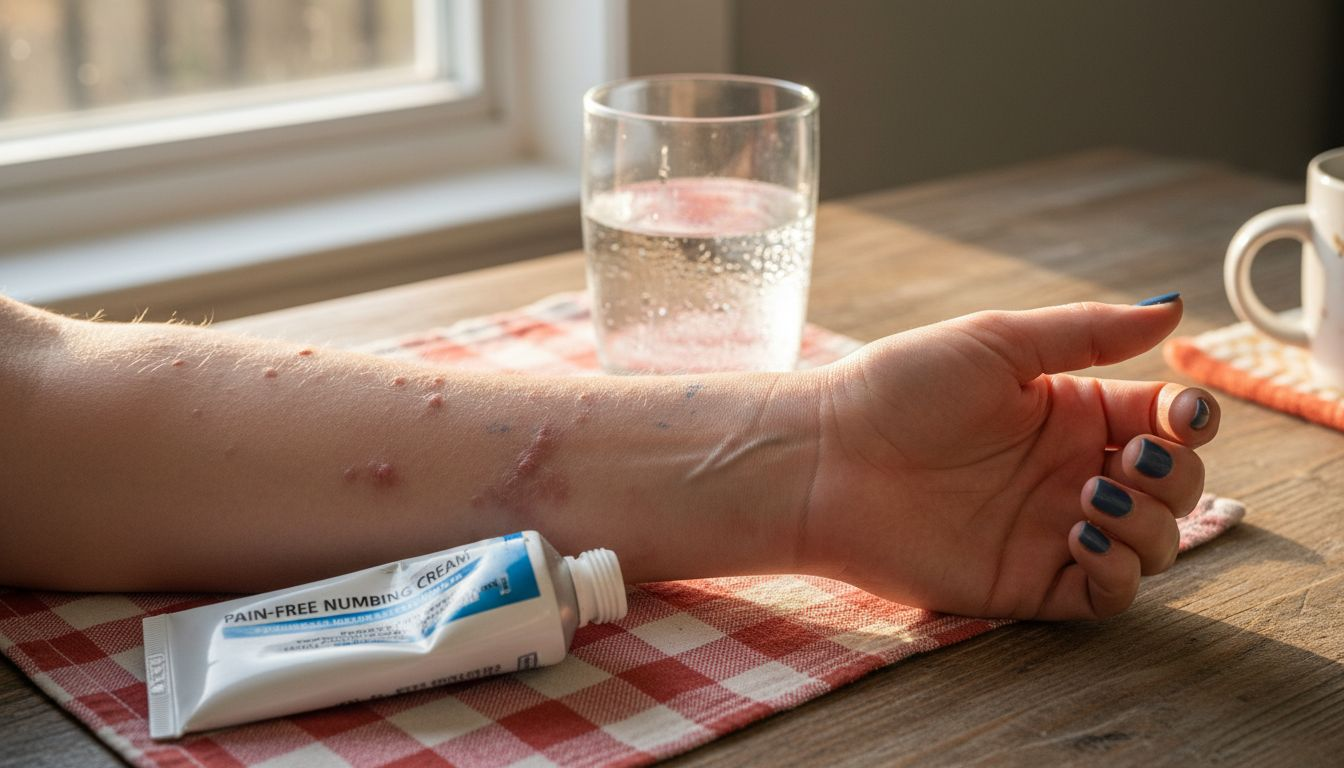
Timing of symptom onset provides important diagnostic clues. True allergic reactions usually develop gradually as immune cells mobilize and travel to the exposure site. Immediate burning or stinging within seconds often indicates irritation rather than allergy. Symptoms peaking 24 to 48 hours post-application strongly suggest allergic contact dermatitis.
Distinguishing allergic contact dermatitis from irritant reactions requires understanding their different mechanisms. The European Chemicals Agency explains that allergic contact dermatitis to topical anesthetics like lidocaine can manifest as redness, itching, swelling, and rash, which are distinguishable from irritant reactions by immune-mediated mechanisms. Irritant reactions typically appear quickly, affect only the direct contact area, and resolve faster.
Patch testing remains the gold standard for confirming numbing cream allergies. According to EMA guidelines, patch testing allows identification of specific allergens before use. A dermatologist applies small amounts of suspected allergens under occlusive patches on your back, then evaluates skin reactions after 48 and 96 hours.
Severe reactions like anaphylaxis are extremely rare with topical numbing creams. The European database of suspected adverse drug reaction reports confirms that severe allergic reactions to numbing creams require immediate medical attention but most reactions are limited to localized dermatitis. If you experience difficulty breathing, rapid heartbeat, or widespread hives, seek emergency care immediately.
For mild symptoms, initial response should include stopping cream use, gently cleansing the area with lukewarm water, and applying a cool compress. Over-the-counter antihistamines can reduce itching, while hydrocortisone cream may calm inflammation. Learn more about recognizing allergies to numbing creams for comprehensive symptom guidance.
Pro tip: Take clear photos of any skin reactions after numbing cream use. These images help dermatologists diagnose your specific sensitivity and guide patch testing decisions.
Common Misconceptions About Reactions to Numbing Creams
Not all redness or itching signals an allergic reaction to numbing creams. Many people mistake normal physiological responses or mild irritation for serious allergies, leading to unnecessary product avoidance. Slight tingling or temporary redness often represents expected sensations from active ingredients working on nerve endings.
Many reactions people attribute to numbing creams are actually irritant effects or injection-site inflammation from tattoo needles. The mechanical trauma of tattooing causes its own inflammatory response, which can overlap with cream application timing. Separating these causes requires careful observation of symptom location and progression.
Severe systemic allergies to topical numbing creams occur in fewer than 0.01% of users. This extremely low rate means most concerns about life-threatening reactions are unfounded. While vigilance remains important, the risk should not prevent appropriate use of effective pain relief products.
Not all numbing cream formulations carry equal allergy risks. Products containing only lidocaine show significantly lower sensitization rates than those combining multiple anesthetics. Excipient profiles also vary widely between brands, affecting overall allergenic potential.
Key misconceptions to avoid:
- Assuming any skin change means allergy
- Believing numbing creams always cause severe reactions
- Thinking all numbing products have identical ingredients
- Expecting immediate reactions from true allergies
- Confusing normal tattoo inflammation with cream allergy
Proper assessment through patch testing and professional evaluation replaces assumptions with facts. This approach builds confidence in using numbing creams safely.
Comparison of Allergenic Risks in Popular Numbing Creams
Lidocaine-prilocaine combination creams historically dominated the numbing cream market but carry higher sensitization risks than single-agent formulations. The dual anesthetic approach provides effective numbing but exposes users to two potential allergens simultaneously. Each additional active ingredient multiplies the chance of encountering a substance your immune system recognizes.
Lidocaine-only formulations demonstrate up to 30% reduction in allergenic potential compared to combination products. This significant decrease stems from eliminating prilocaine, which contributes its own sensitization profile. Clinical data reveals that comparative studies show numbing creams containing lidocaine and prilocaine have a higher sensitization risk compared to those with only lidocaine or alternative anesthetics, informing safer product selection.
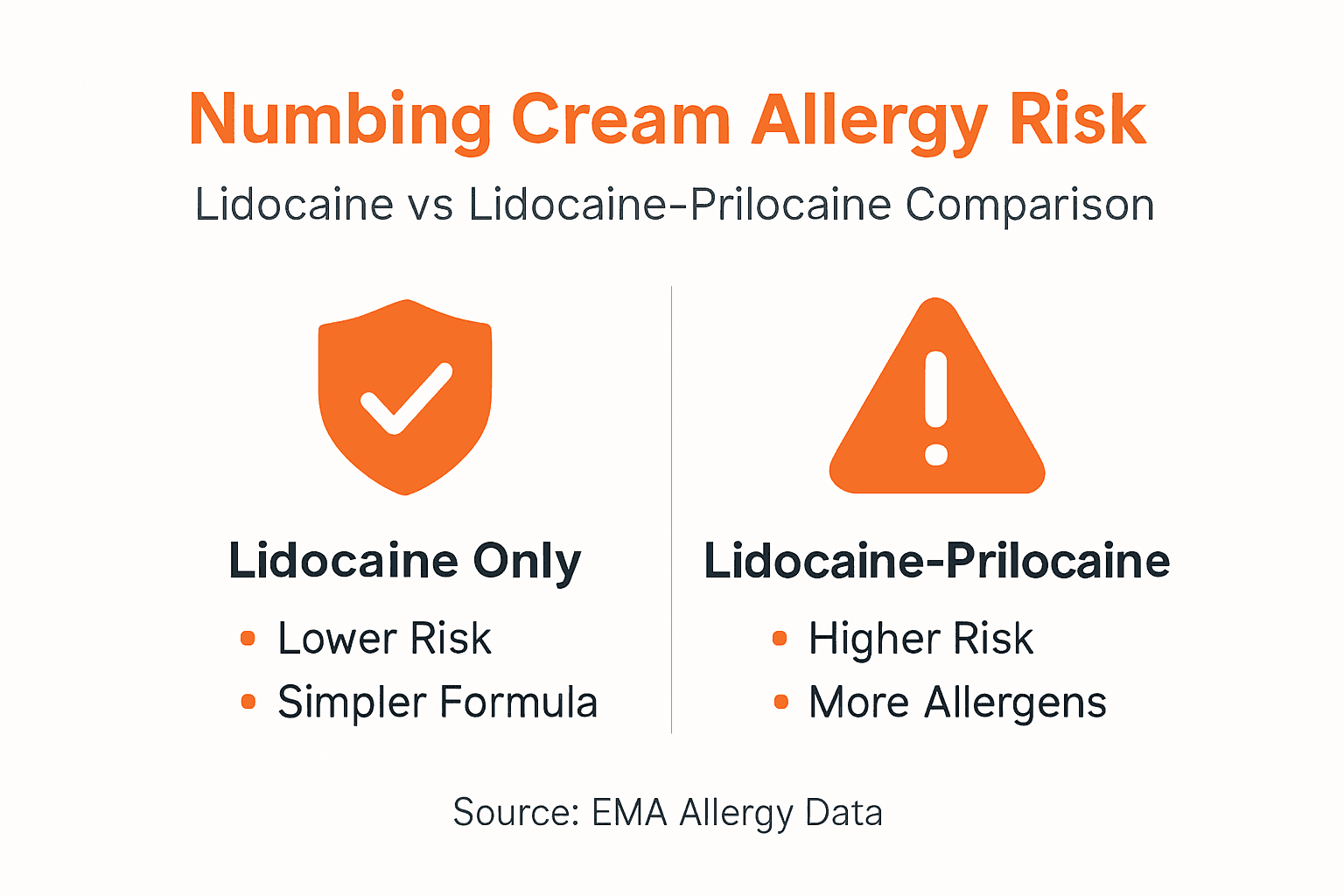
| Cream Type | Primary Allergens | Relative Sensitization Risk | Best For |
|---|---|---|---|
| Lidocaine + Prilocaine | Both anesthetics, excipients | Higher (baseline 100%) | First-time users with no known allergies |
| Lidocaine Only | Single anesthetic, fewer excipients | 30% lower than combination | Users with prilocaine sensitivity |
| Alternative Anesthetics | Benzocaine or tetracaine | Variable, cross-reactivity possible | Lidocaine-allergic individuals |
| Minimal Excipient | Primary anesthetic only | Lowest overall | Highly sensitive skin |
Excipients and preservatives significantly impact allergy potential beyond active ingredients. Products using simple formulations with minimal additives reduce exposure to potential sensitizers. Complex creams containing multiple emulsifiers, fragrances, and stabilizers increase allergenic load unnecessarily.
Safer alternative ingredients exist for those with confirmed lidocaine or prilocaine allergies. Benzocaine offers numbing effects through a different chemical structure, though cross-reactivity remains possible. Tetracaine provides another option, but requires careful evaluation as it belongs to a different anesthetic class with its own allergy profile.
Product recommendations based on allergy profiles:
- No known allergies: standard lidocaine-prilocaine or lidocaine-only creams
- Prilocaine sensitivity: pure lidocaine formulations
- Lidocaine sensitivity: alternative anesthetics after patch testing
- Multiple sensitivities: minimal excipient formulations
- Highly reactive skin: lowest concentration products
Compare allergy risk profiles of numbing creams to make informed selections for your specific needs.
Prevention, Safe Use, and Regulatory Considerations
Safe numbing cream use starts with systematic preparation and careful application following proven protocols. Taking these steps minimizes allergic reaction risks while maximizing pain relief effectiveness. Prevention always proves easier than managing reactions after they occur.
Key safety steps include:
- Perform a patch test 48 hours before your tattoo appointment by applying a small amount of cream to your inner forearm
- Apply the minimum effective dose according to product instructions, typically a thin layer over the tattoo area
- Avoid applying cream to broken, irritated, or inflamed skin which increases absorption and reaction risk
- Select products from certified manufacturers following EU safety standards
- Inform your tattoo artist about any previous reactions or known allergies
Recommended dosing limits ensure safe numbing cream application. For adults, apply no more than 2 grams per 10 square centimeters of skin. Total body dose should not exceed 30 grams in a single session. Children require lower doses calculated by body weight, typically 0.5 to 1 gram per treatment area.
According to the European Medicines Agency, safe use recommendations for numbing creams include applying the minimum effective dose, avoiding broken skin, performing sensitivity patch tests, and selecting products with fewer allergenic excipients. These guidelines reduce adverse reaction risks substantially.
The EU regulatory framework harmonizes numbing cream safety standards across member states. The EMA regulatory harmonization standardized prescribing information to reduce inconsistent usage and improve safety, emphasizing clear dosing, administration, and allergy precautions. This ensures products sold throughout Europe meet consistent quality and safety benchmarks.
Selecting certified creams from reputable suppliers guarantees product integrity and formulation consistency. Understanding numbing cream regulations in Europe helps you identify legitimate products. Learn about safe use of anesthetic creams for comprehensive application guidance.
Pro tip: Keep your numbing cream in its original packaging until use. This preserves product stability and keeps ingredient information and batch numbers accessible if you experience any reactions.
Responding to Allergic Reactions During Tattoo Procedures
Recognizing early signs of allergic contact dermatitis during tattooing enables quick intervention before symptoms escalate. Watch for expanding redness beyond the numbed area, increasing itch intensity despite the anesthetic effect, visible swelling that wasn’t present initially, and small raised bumps forming at the cream application site.
Immediate response steps when you suspect an allergic reaction:
- Stop the tattoo session immediately and inform your artist
- Remove any remaining cream with gentle soap and lukewarm water
- Pat the area dry with a clean towel without rubbing
- Apply a cool, damp compress to reduce inflammation
- Take an oral antihistamine if available to block immune mediators
- Apply over-the-counter hydrocortisone cream sparingly to calm skin
Medical situations requiring immediate professional attention include:
- Difficulty breathing or throat tightness
- Rapid heart rate or dizziness
- Widespread hives beyond the application site
- Facial or tongue swelling
- Severe pain or blistering at the reaction site
- Symptoms worsening despite initial treatment
These signs may indicate serious reactions needing emergency medical evaluation. Don’t hesitate to call emergency services if you experience any systemic symptoms.
Communicate any reactions to your numbing cream supplier promptly. Reputable companies track adverse events and may request details about your experience, including photos, symptom timeline, and product batch numbers. This information helps improve product safety and may trigger quality investigations.
Establishing clear dialogue between tattoo artists and clients about allergy history prevents most reaction scenarios. Before your appointment, discuss any previous sensitivities, medications you take, and concerns about numbing products. Artists can then select appropriate creams and monitor you closely during application. Learn more about managing allergic reactions for comprehensive response protocols.
Safe Tattoo Pain Relief Starts with Trusted Numbing Creams
Choosing certified numbing creams with proven low allergy profiles transforms your tattoo experience from painful to comfortable. Quality formulations using pure active ingredients and minimal excipients reduce reaction risks while delivering reliable pain relief for your entire session.

Educating yourself about key ingredients in numbing creams empowers informed product selection. Understanding the differences between types of tattoo numbing creams helps match formulations to your specific needs and sensitivity profile. Trusted suppliers offering satisfaction guarantees and transparent ingredient information provide the confidence you need for pain-free tattoo sessions. Products like TKTX 40% numbing cream deliver professional-grade numbing with quality assurance for European tattoo enthusiasts.
FAQ
What is an allergic reaction to numbing cream?
An allergic reaction is an immune system response to specific chemicals in numbing creams, typically lidocaine or prilocaine, causing symptoms like redness, itching, and swelling. It differs fundamentally from irritant effects because it involves immune sensitization and requires prior exposure to develop. True allergies engage specialized immune cells that remember the allergen and mount inflammatory responses upon re-exposure.
How can I tell if my reaction is allergy or irritation?
Allergic reactions typically involve immune-mediated symptoms like persistent rash and swelling that appear 30 minutes to several hours after application. Irritations are usually immediate, milder, and resolve quickly once you remove the product without requiring immune system involvement. Patch testing performed by a dermatologist definitively confirms allergies by exposing your skin to potential allergens under controlled conditions and monitoring for delayed hypersensitivity reactions.
Are severe allergic reactions to numbing creams common?
Severe reactions like anaphylaxis occur in fewer than 0.01% of topical anesthetic applications, making them extremely rare. According to the European adverse reaction database, most allergic reactions are mild and limited to localized skin symptoms. While rare, severe symptoms require immediate professional medical attention including emergency services if you experience breathing difficulties or widespread systemic effects.
What precautions can tattoo enthusiasts take to avoid allergic reactions?
Perform a patch test on a small skin area 48 hours before your scheduled tattoo session to identify potential sensitivities. Use only the minimum required dose and never apply numbing cream to broken, irritated, or inflamed skin. Choose products with fewer allergenic ingredients from certified manufacturers meeting EU safety standards. Always communicate your complete allergy history with your tattoo artist before beginning any numbing cream application.


