

Finding reliable pain relief for tattoos can spark strong opinions among artists and clients across Central Europe. Myths about numbing creams like TKTX and Dermacain often cause confusion, leaving many wary of using these products. Knowing the real science behind their active ingredients and understanding regulations is the key to managing discomfort and making informed choices about tattoo sessions.
Table of Contents
- Debunking Common Myths About Numbing Creams
- How Tattoo Numbing Creams Actually Work
- Ingredients and Real-World Effectiveness Compared
- Safety Guidelines and Legal Standards in Europe
- Risks, Misuse, and When to Avoid Use
Key Takeaways
| Point | Details |
|---|---|
| Numbing Creams Reduce Pain | Numbing creams significantly lessen tattooing pain but do not eliminate sensation completely. Individual sensitivity and application techniques influence their effectiveness. |
| Variability Among Products | Not all numbing creams are the same; formulations differ in strength and ingredients, impacting their performance. Selecting the right cream based on personal needs is essential. |
| Safety and Regulations | In Europe, stringent safety regulations ensure that numbing creams meet high safety standards, including ingredient testing and labeling requirements. Always verify compliance with regulations. |
| Consult Professionals | Always seek advice from tattoo artists and healthcare providers regarding the use of numbing creams to ensure safe and effective application tailored to individual health profiles. |
Debunking Common Myths About Numbing Creams
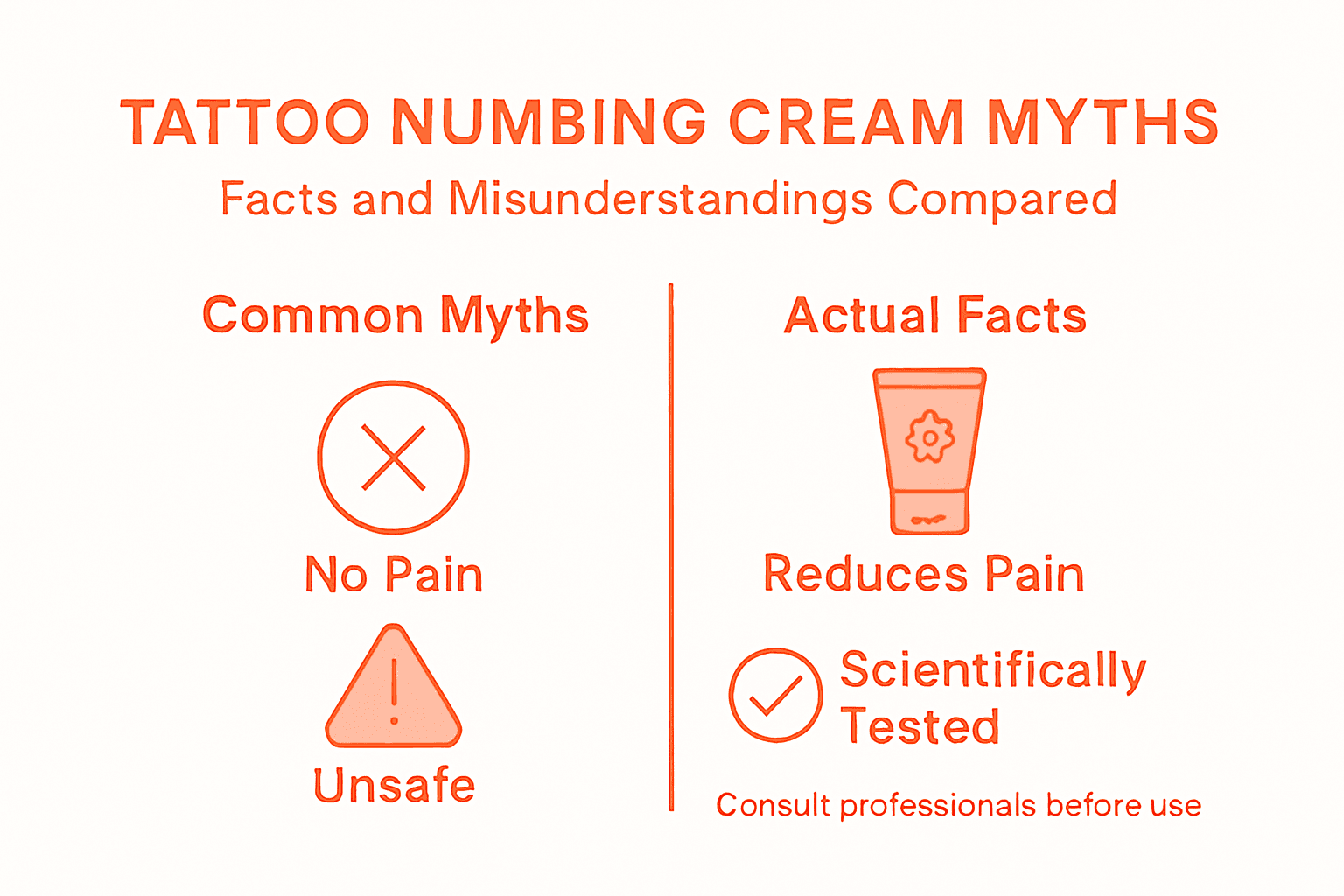
Numbing creams are often misunderstood in the tattoo community, surrounded by misconceptions that can prevent clients from making informed decisions about pain management. Understanding the truth behind these myths is crucial for anyone considering tattoo numbing solutions.
Many tattoo enthusiasts believe that numbing creams are dangerous or ineffective, but this couldn’t be further from the truth. Common numbing cream misconceptions reveal that most concerns stem from outdated information or limited understanding of modern pain management techniques.
Here are some of the most persistent myths about tattoo numbing creams:
-
Myth 1: Numbing creams completely eliminate tattoo pain
- Reality: They reduce pain significantly, but do not completely eliminate sensation
- Effectiveness varies based on individual pain tolerance and application technique
-
Myth 2: All numbing creams are the same
- Reality: Different formulations have varying strengths and active ingredients
- Quality and concentration of numbing agents differ between products
-
Myth 3: Numbing creams interfere with tattoo quality
- Reality: Properly applied numbing creams do not impact tattoo precision or ink absorption
- Professional artists can work effectively with clients using approved numbing solutions
Understanding the science behind numbing creams helps dispel these misconceptions. The active ingredients, typically lidocaine or prilocaine, work by temporarily blocking nerve signals in the applied area. This creates a localized numbing effect that can make tattoo experiences more comfortable without compromising the artistic process.
While numbing creams are not magical solutions, they represent a legitimate pain management strategy for tattoo clients. Pain management techniques have evolved, providing safe and effective options for those concerned about tattoo discomfort.
Pro tip: Always consult with your tattoo artist about using numbing creams and follow professional application guidelines to ensure the best possible experience.
How Tattoo Numbing Creams Actually Work
Tattoo numbing creams represent a sophisticated approach to pain management during the tattooing process, utilizing advanced chemical mechanisms to reduce discomfort for clients. Local anesthetic techniques provide targeted relief by interrupting nerve signaling in the skin.
The science behind numbing creams involves specialized active ingredients that temporarily block pain receptors. These ingredients, including lidocaine, prilocaine, benzocaine, and tetracaine, work through a precise neurological mechanism:
-
Nerve Signal Interruption
- Prevents pain signals from reaching the brain
- Creates localized numbness in targeted skin areas
- Reduces sensation without complete loss of feeling
-
Mechanism of Action
- Blocks sodium channels in nerve cells
- Prevents electrical impulses from transmitting pain
- Provides temporary anesthetic effect during tattoo procedure
The effectiveness of numbing creams depends on several critical factors. Numbing cream advantages demonstrate that proper application and individual physiology play significant roles in pain reduction.
Professional tattoo artists understand that numbing creams are not universal solutions. Different skin types, tattoo locations, and personal pain thresholds influence the cream’s performance. Some areas, like bony regions or sensitive skin, may respond differently to numbing agents.
Numbing creams provide targeted pain relief, not complete elimination of sensation.
Modern numbing creams offer a scientifically designed approach to managing tattoo discomfort. By understanding their complex biochemical interactions, clients can make informed decisions about pain management during their tattoo experience.
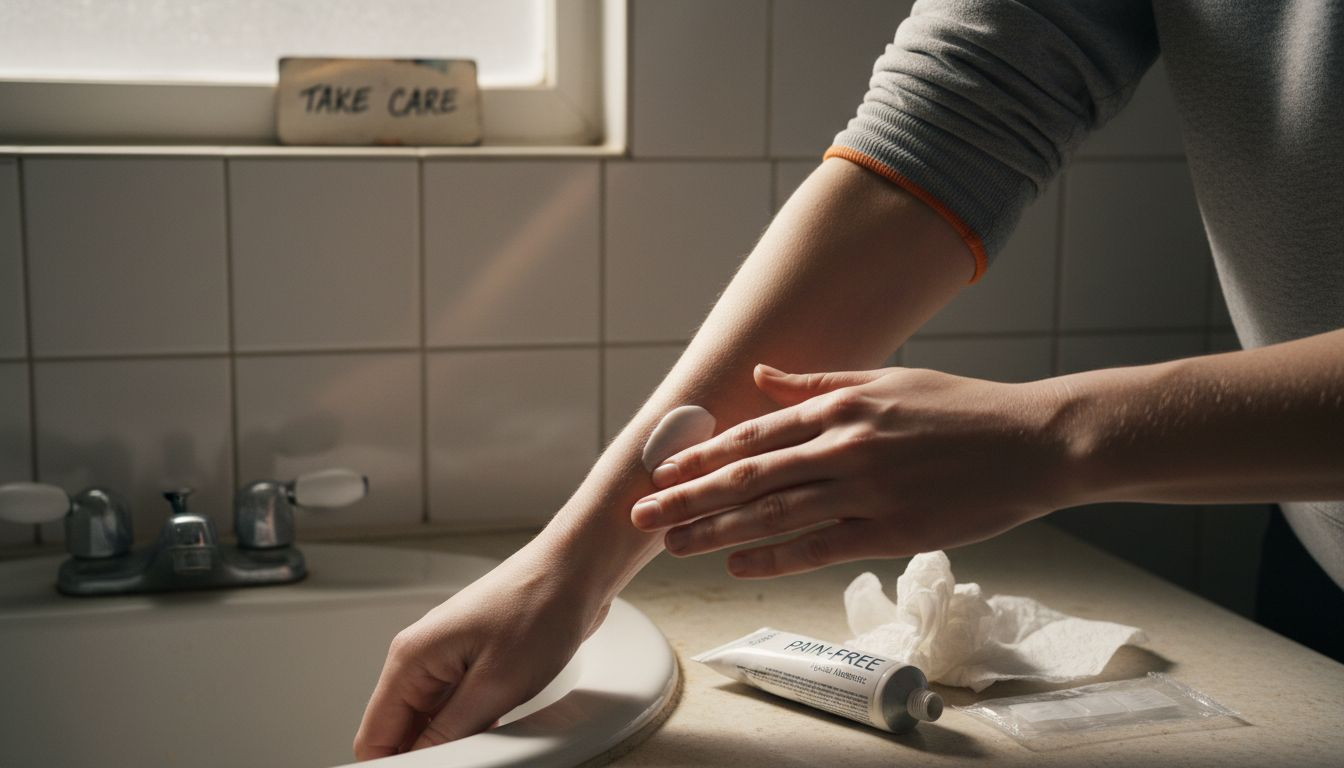
Pro tip: Always conduct a small skin patch test before full application to ensure no allergic reactions and discuss numbing cream use with your tattoo artist in advance.
Ingredients and Real-World Effectiveness Compared
Navigating the world of tattoo numbing creams requires a deep understanding of their active ingredients and real-world performance. Comprehensive numbing cream analysis reveals the nuanced differences between various pain management solutions.
The primary active ingredients in most numbing creams fall into four main categories:
-
Lidocaine
- Fastest-acting local anesthetic
- Provides quick pain reduction
- Typically 2.5-5% concentration
-
Prilocaine
- Longer-lasting numbing effect
- Lower risk of allergic reactions
- Often used in combination with other ingredients
-
Benzocaine
- Surface-level pain relief
- Quick absorption
- Best for shorter tattoo sessions
-
Tetracaine
- Deep tissue numbing
- Slower onset but longer duration
- Ideal for larger or more complex tattoos
The effectiveness of these ingredients varies significantly based on individual factors. Skin type, tattoo location, and personal pain tolerance play crucial roles in determining how well a numbing cream will perform.
To help you select the most suitable numbing cream, here’s a comparison of the main active ingredients and their best use cases:
| Ingredient | Best For | Typical Duration | Special Considerations |
|---|---|---|---|
| Lidocaine | Quick pain relief | 1-2 hours | Fast onset, common in most creams |
| Prilocaine | Extended tattoos | 2-4 hours | Lower allergy risk, slower onset |
| Benzocaine | Small tattoos | Under 1 hour | Surface-only effect, rapid absorption |
| Tetracaine | Large or complex tattoos | 3-5 hours | Deep numbing, may require careful dosing |
Not all numbing creams are created equal - absorption and effectiveness depend on multiple physiological factors.
Professional tattoo artists recommend carefully selecting a numbing cream that matches your specific needs. Factors like onset time, duration of effect, and potential skin sensitivity should guide your choice.
Pro tip: Consult with your tattoo artist about the best numbing cream for your specific tattoo style, location, and personal pain tolerance.
Safety Guidelines and Legal Standards in Europe
European regulations surrounding tattoo numbing creams are among the most stringent globally, designed to protect consumer health and ensure product safety. Comprehensive cosmetic safety guidelines provide a robust framework for evaluating topical anesthetic products.
The EU Cosmetics Regulation establishes critical standards for numbing cream manufacturing and distribution:
-
Safety Assessment Requirements
- Mandatory comprehensive ingredient testing
- Rigorous literature review protocols
- Alternative testing method evaluations
-
Ingredient Compliance
- Strict concentration limits for active ingredients
- Prohibited substance restrictions
- Mandatory toxicological screening
-
Labeling Regulations
- Full ingredient disclosure
- Clear usage instructions
- Potential side effect warnings
European cosmetic regulations mandate that manufacturers implement comprehensive safety evaluations throughout the product lifecycle. This includes detailed documentation of ingredient sources, manufacturing processes, and potential health impacts.
Reviewing regulatory standards offers insight into safety priorities for numbing creams in Europe:
| Regulatory Focus | Why It Matters | Impact on Consumers |
|---|---|---|
| Ingredient testing | Ensures product safety | Reduces risk of adverse reactions |
| Strict concentration limits | Prevents overdose | Protects vulnerable populations |
| Comprehensive labeling | Informs proper use | Enhances trust and compliance |
European standards prioritize consumer safety through meticulous product evaluation and continuous monitoring.
Professional tattoo artists and clients must remain informed about these regulations. Understanding the legal framework helps ensure that numbing creams meet the highest safety standards before application.
Pro tip: Always verify that numbing creams comply with current European Union cosmetic safety regulations and consult with professional healthcare providers before first-time use.
Risks, Misuse, and When to Avoid Use
Navigating the complex landscape of numbing cream safety requires understanding potential risks and critical precautions. Topical pain relief warnings highlight significant health concerns associated with improper numbing cream application.
Certain medical conditions and scenarios increase the potential risks of numbing cream usage:
-
Contraindicated Medical Conditions
- Known allergies to local anesthetics
- History of heart rhythm disorders
- Compromised immune systems
- Epilepsy or seizure disorders
-
High-Risk Application Scenarios
- Applying over large body areas
- Using on broken or damaged skin
- Covering treated areas with occlusive dressings
- Exceeding recommended dosage
Medicinal cream safety guidelines emphasize the critical importance of understanding potential systemic toxicity risks. Excessive absorption can lead to severe complications like irregular heartbeat, seizures, and potentially life-threatening respiratory issues.
Numbing cream is not a one-size-fits-all solution - individual health factors determine safety and appropriateness.
Professional medical consultation is crucial before using numbing creams, particularly for individuals with pre-existing health conditions or those taking multiple medications. Understanding your personal health profile can prevent potentially dangerous interactions.
Pro tip: Always perform a small patch test, consult healthcare professionals, and strictly follow recommended application guidelines to minimize potential risks.
Experience True Comfort with Proven Tattoo Numbing Solutions
Understanding the myths around tattoo numbing creams is essential before your next session. If you want to stop worrying about pain but still ensure the safety and quality of your tattoo, choose products designed for effective pain management like TKTX and Dermacain. These creams deliver up to 3 hours of guaranteed numbing, helping you overcome challenges like inconsistent pain relief and concerns about skin safety.

Ready to take control of your tattoo experience with trusted numbing creams that comply with strict European safety standards? Visit our website now to explore authentic TKTX and Dermacain options backed by our satisfaction guarantee and free shipping on orders over 30 Euro. Don’t let pain myths hold you back—discover how to make your next tattoo session more comfortable by choosing safe and effective tattoo numbing creams. Act today and enjoy a pain-reduced tattoo journey.
Frequently Asked Questions
What are the common misconceptions about tattoo numbing creams?
Many people believe numbing creams completely eliminate tattoo pain, but they only significantly reduce discomfort. Effectiveness varies depending on individual pain tolerance and application techniques.
Do all numbing creams affect tattoo quality?
No, properly applied numbing creams do not impact the quality of the tattoo. Professional artists can work effectively with clients using approved numbing solutions without compromising ink absorption or precision.
How do tattoo numbing creams work?
Tattoo numbing creams typically contain active ingredients like lidocaine or prilocaine that temporarily block nerve signals in the applied area, creating a localized numbing effect to make the tattooing process more comfortable.
Are there any risks associated with using tattoo numbing creams?
Yes, there are potential risks, especially for individuals with certain medical conditions or allergies. It is crucial to consult with a healthcare professional before use and follow recommended application guidelines.


