

Finding the right numbing solution can feel complicated when you want a pain-free tattoo experience in Central Europe. Every tattoo enthusiast and artist knows that choosing a high quality product means more than just comfort—it affects your safety and satisfaction too. This guide breaks down the essential steps for identifying your individual pain management needs, comparing cream effectiveness, and verifying skin safety so you can approach your next tattoo with confidence in your chosen numbing strategy.
Table of Contents
- Step 1: Identify Tattoo Pain Management Needs
- Step 2: Assess Cream Effectiveness and Duration
- Step 3: Evaluate Skin Compatibility and Safety
- Step 4: Compare Product Guarantees and Reviews
- Step 5: Test and Verify Numbing Results
Quick Summary
| Key Point | Explanation |
|---|---|
| 1. Assess pain tolerance and needs | Understand your pain threshold and tattoo specifics for effective management. |
| 2. Analyze numbing cream options | Evaluate creams based on ingredients, effectiveness, and skin compatibility. |
| 3. Conduct patch tests | Perform a patch test to check for allergies and confirm cream performance. |
| 4. Review product feedback | Analyze user reviews and product guarantees to ensure safety and effectiveness. |
| 5. Document and compare results | Test and record numbing results to aid in selection for a comfortable tattooing experience. |
Step 1: Identify Tattoo Pain Management Needs
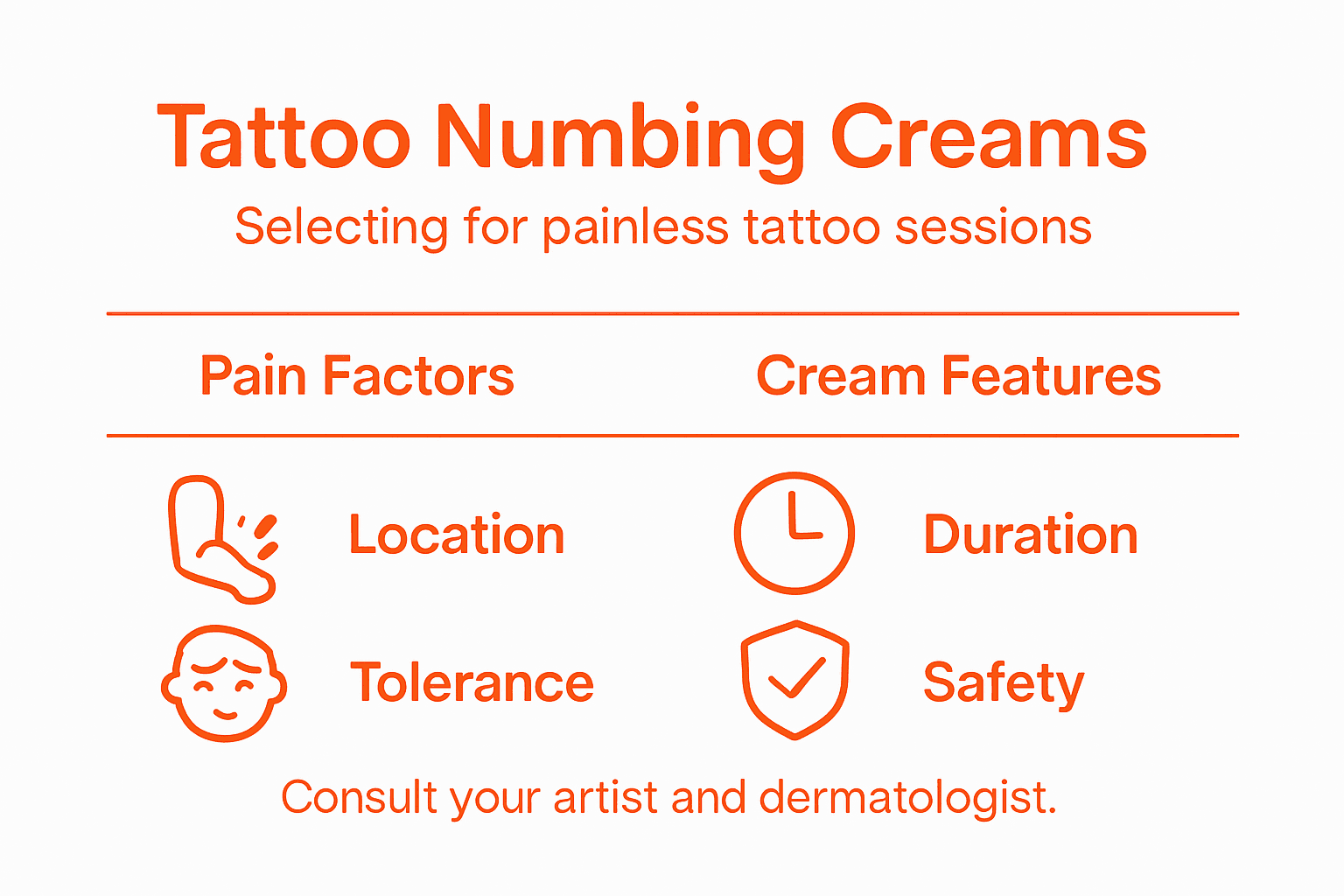
Understanding your personal pain tolerance and unique tattoo requirements is crucial for a comfortable tattoo experience. Every individual experiences pain differently, which means crafting a personalized pain management strategy becomes essential before your tattoo session.
To effectively assess your pain management needs, consider these critical factors:
- Tattoo location and sensitivity: Areas with thin skin or close to bones typically cause more discomfort
- Personal pain threshold: Reflect on past experiences with pain and medical procedures
- Tattoo size and complexity: Larger, more intricate designs require longer sessions and potentially more pain management
- Skin type and potential allergic reactions: Pain assessment techniques help identify individual sensitivities
Carefully evaluating these aspects allows you to select the most appropriate numbing cream and prepare mentally for your tattoo experience. Consulting with professional tattoo artists can provide additional personalized insights into managing potential discomfort during your session.
Pro tip: Keep a pain journal documenting previous experiences to better understand your unique pain response and help your tattoo artist recommend the most suitable numbing strategy.
Step 2: Assess Cream Effectiveness and Duration
Evaluating the performance and longevity of numbing creams is crucial for ensuring a comfortable and pain-free tattoo experience. Understanding how different creams work with your unique skin characteristics will help you make an informed decision about pain management during your tattoo session.
To effectively assess cream effectiveness and duration, consider these key factors:
- Active ingredients: Look for creams containing lidocaine or prilocaine
- Application technique: Local anaesthesia effectiveness depends on proper application
- Skin temperature and type: These factors significantly influence numbing cream performance
- Coverage and thickness: Apply a thick, uniform layer for maximum pain relief
Carefully testing and understanding the cream’s performance beforehand can prevent unexpected discomfort during your tattoo. Professional tattoo artists often recommend conducting a patch test and timing the cream’s effectiveness to ensure optimal pain management.
Here’s a quick comparison of common tattoo numbing cream ingredients and their typical effects:
| Ingredient | Primary Effect | Typical Duration |
|---|---|---|
| Lidocaine | Rapid local numbing | 1 to 2 hours |
| Prilocaine | Enhanced skin penetration | Up to 1.5 hours |
| Benzocaine | Surface sensation reduction | Around 30 to 60 minutes |
| Tetracaine | Deep tissue numbing | 2 to 3 hours |
A well-chosen numbing cream can transform your tattoo experience from potentially painful to surprisingly comfortable.
Pro tip: Perform a small patch test 24 hours before your tattoo to verify the cream’s effectiveness and rule out any potential skin sensitivities.
Step 3: Evaluate Skin Compatibility and Safety
Ensuring the safety and compatibility of numbing creams with your specific skin type is a critical step in preparing for a comfortable tattoo experience. Understanding potential risks and conducting thorough evaluations can prevent adverse reactions and protect your skin’s health.
To comprehensively assess skin compatibility and safety, follow these essential guidelines:
- Check ingredient list: Review all active and inactive ingredients for potential allergens
- Conduct patch tests: Apply a small amount of cream to a discrete skin area
- Cosmetic ingredient safety requires careful evaluation before full application
- Monitor skin reaction: Watch for signs of irritation, redness, or allergic response
Professional tattoo artists recommend being extremely cautious with topical numbing products. Understanding the concentration of active ingredients and potential systemic risks is crucial for your overall safety.
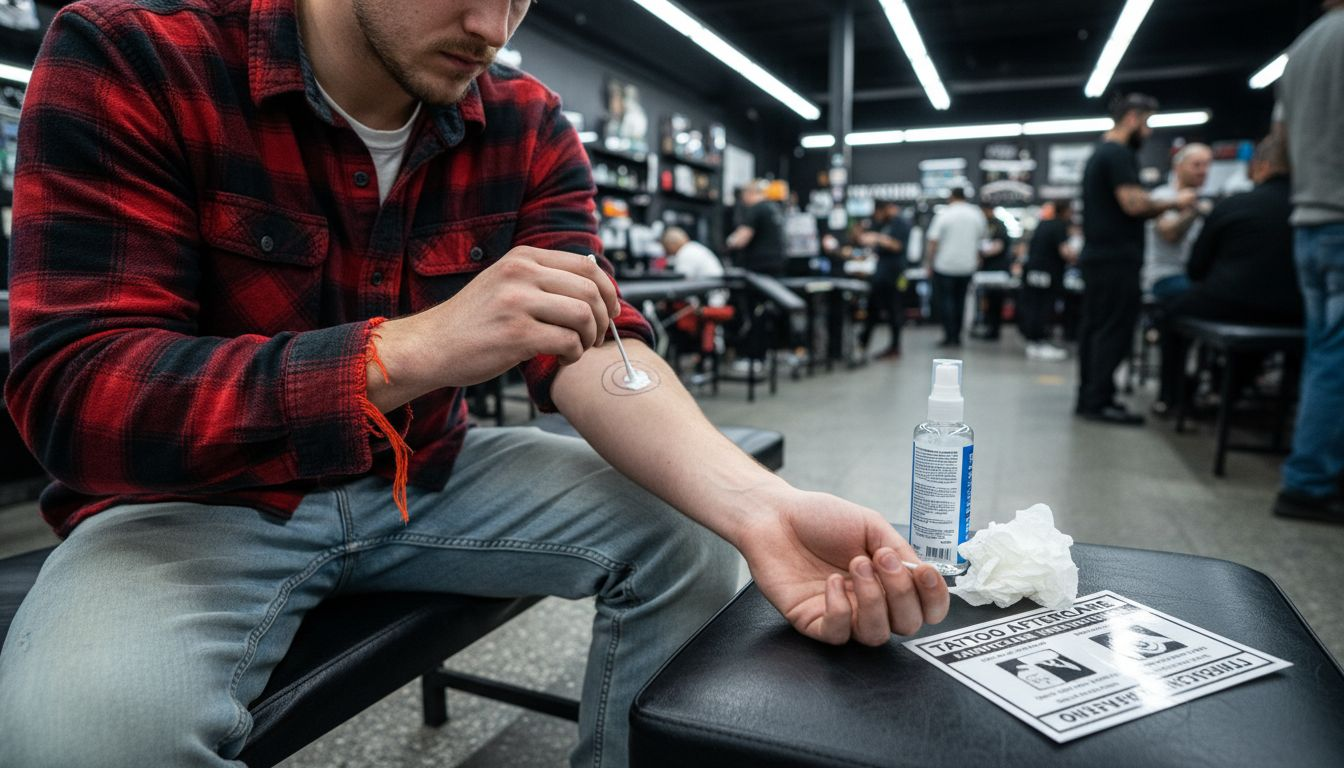
These are the main safety checks and expert recommendations for skin compatibility:
| Safety Step | Why It’s Important | Expert Recommendation |
|---|---|---|
| Ingredient cross-check | Prevents allergic reaction | Consult your dermatologist |
| Patch test | Detects sensitivity | Wait 24 hours for skin response |
| Monitoring reactions | Ensures safe application | Check for redness or irritation |
Not all numbing creams are created equal - your skin’s unique characteristics demand personalized assessment.
Pro tip: Consult with a dermatologist or healthcare professional if you have sensitive skin or a history of allergic reactions before using any numbing cream.
Step 4: Compare Product Guarantees and Reviews
Navigating the complex landscape of tattoo numbing creams requires a strategic approach to comparing product guarantees, user experiences, and regulatory compliance. Understanding how to effectively evaluate different options will help you make an informed decision that ensures both safety and pain management effectiveness.
When comparing numbing cream products, focus on these critical evaluation criteria:
- Lidocaine concentration: Check the percentage of active numbing ingredients
- Tattoo numbing cream performance varies across different brands and formulations
- User reviews: Analyze detailed customer experiences and satisfaction levels
- Manufacturer guarantees: Examine return policies and safety certifications
- Regulatory compliance: Verify FDA and European safety standards
Professional tattoo artists recommend thoroughly investigating product claims before making a final selection. Look beyond marketing promises and dig into independent reviews, clinical data, and real-world user experiences to make the most informed choice.
Not all numbing cream reviews are created equal - look for detailed, verified user experiences from multiple sources.
Pro tip: Cross-reference product reviews from multiple platforms and seek recommendations from professional tattoo artists to get the most comprehensive evaluation.
Step 5: Test and Verify Numbing Results
Verifying the effectiveness of your chosen numbing cream is a critical step in ensuring a pain-free tattoo experience. Proper testing will help you understand exactly how the product performs on your unique skin and predict its performance during your actual tattoo session.
To comprehensively test and verify numbing results, follow these strategic steps:
- Conduct a preliminary patch test: Select a small, discrete skin area
- **Numbing cream application protocols require precise technique
- Time the numbness duration: Measure how long the cream remains effective
- Assess skin sensitivity: Gently test the treated area for reduced sensation
- Document your findings: Record the cream’s performance for future reference
Professional tattoo artists recommend performing a full test at least 24-48 hours before your scheduled tattoo appointment. This allows sufficient time to evaluate the cream’s effectiveness and watch for any potential skin reactions.
Not all numbing creams work identically - your individual skin response is the ultimate test.
Pro tip: Use a clean cotton swab to test skin sensitivity during your numbing cream trial, avoiding direct pressure that might skew your perception of the cream’s effectiveness.
Achieve a Truly Painless Tattoo Session with Trusted Numbing Creams
Selecting the right tattoo numbing cream is key to overcoming pain and discomfort during your tattoo. This article highlights the importance of choosing products that align with your personal pain tolerance, skin compatibility, and session length. If you want to experience a smooth and nearly pain-free tattoo process, look no further than our premium selection. We specialize in TKTX and Dermacain creams that guarantee up to 3 hours of effective numbness, ensuring you get through your tattoo session comfortably.

Explore our Featured Products – TKTX obchod for the highest quality numbing creams available across Europe. We prioritize your safety with formulations tested for skin compatibility and satisfaction guaranteed. Plus, enjoy free shipping on orders over 30 Euro. Don’t let pain hold you back from your next tattoo. Visit our Home page – TKTX obchod or head straight to https://buytktx.online to make your painless tattoo experience a reality today.
Frequently Asked Questions
How do I determine my pain management needs before getting a tattoo?
Understanding your pain tolerance and the specific requirements of your tattoo is essential. Assess the tattoo’s location, size, complexity, and your personal pain threshold. Consider keeping a pain journal to track past experiences that will help shape your pain management strategy.
What should I look for in effective tattoo numbing creams?
Focus on creams with lidocaine or prilocaine as active ingredients for effective numbing. Also, pay attention to the application technique and how well the cream performs with your skin type to ensure maximum pain relief during your session.
How can I safely test a numbing cream before my tattoo appointment?
Conduct a patch test on a small area of skin 24–48 hours prior to your tattoo session. Monitor for any signs of irritation, redness, or allergic reaction to ensure the cream is safe and effective for your skin.
What are the most important factors to compare when choosing a numbing cream?
Compare lidocaine concentration, user reviews, and product guarantees to evaluate different numbing creams. Focus on independent reviews and customer feedback to find products with proven effectiveness and safety, ensuring you make an informed decision.
How long does numbing cream typically last during a tattoo session?
Numbing creams can last anywhere from 30 minutes to a few hours, depending on the active ingredients and your skin type. Timing the effectiveness of your chosen cream will help you understand how long you can expect pain relief during your tattoo procedure.
What should I do if I experience an adverse reaction to the numbing cream?
If you notice any irritation, redness, or discomfort after applying the numbing cream, wash it off immediately and avoid using it during your tattoo session. It’s best to consult with a healthcare professional if you have a history of severe allergic reactions.


