

Many tattoo artists believe pain is an unavoidable part of the tattooing process, but numbing creams can reduce tattoo pain by up to 85%, transforming both client experience and artist outcomes. When clients feel comfortable, they sit still longer, enabling better precision and superior results. This guide explains how numbing creams work, which products meet safety standards, and how proper application techniques enhance both client comfort and tattoo quality. You’ll learn to balance pain relief with artistic excellence while staying compliant with European regulations.
Table of Contents
- Understanding How Numbing Creams Reduce Tattoo Pain
- Safety, Legal Considerations, And Best Product Choices For Tattoo Artists
- Balancing Pain Relief With Tattoo Quality: Application Techniques And Risks
- Benefits For Tattoo Artists: Improved Client Comfort And Art Precision
- Explore Premium Numbing Creams For Tattoo Artists
- Frequently Asked Questions About Numbing Creams For Tattoo Artists
Key takeaways
| Point | Details |
|---|---|
| Pain reduction | Numbing creams reduce tattoo pain by up to 85%, significantly improving client comfort. |
| Timing matters | Apply creams 20-60 minutes before sessions for peak effectiveness lasting 2-4 hours. |
| Safety first | Use only licensed, pharmacy-grade products to ensure client safety and legal compliance. |
| Application technique | Proper timing and monitoring prevent overworking numb skin and maintain tattoo quality. |
| Professional benefits | Comfortable clients enable better precision, reduced stress, and superior artistic results. |
Understanding how numbing creams reduce tattoo pain
Numbing creams work by temporarily blocking nerve signals in the skin, creating a barrier between pain receptors and the brain. Topical anesthetics, such as lidocaine and prilocaine, block nerve signals temporarily, reducing surface pain during needle penetration. These active ingredients prevent sodium ions from entering nerve cells, which stops pain impulses from forming and traveling to the brain.
The effectiveness varies based on concentration, application method, and individual skin characteristics. Most professional-grade creams contain 4-5% lidocaine, though some formulations reach concentrations up to 10% when combined with other anesthetics. Understanding why clients request numbing creams helps you set realistic expectations about what these products can achieve.
Numbing creams can reduce tattoo pain by up to 85%, making sessions much more comfortable for clients while allowing artists to work with greater precision.
The timeline for numbing cream effectiveness follows a predictable pattern. Onset typically occurs 20-60 minutes after application, depending on the product formulation and skin thickness. Peak effectiveness arrives 1-2 hours after application, when the active ingredients have fully penetrated the dermal layers. Duration ranges from 2-4 hours, though some advanced formulations extend this window to 5 hours.
Several factors influence how well numbing creams perform:
- Skin thickness and hydration levels affect absorption rates
- Body location determines nerve density and pain sensitivity
- Product concentration and ingredient combination impact effectiveness
- Application technique, including occlusion methods, enhances penetration
- Individual metabolism rates vary how quickly the body processes anesthetics
It’s crucial to explain to clients that numbing creams reduce pain significantly but don’t eliminate sensation entirely. Most clients report feeling pressure and vibration during tattooing, even with effective numbing. This residual sensation actually benefits the tattooing process by providing feedback about skin stress and helping you avoid overworking the area.
Pro Tip: Test a small patch of numbing cream on new clients 24 hours before their session to identify potential allergic reactions or skin sensitivities.
The biological mechanism behind pain reduction involves multiple pathways. Lidocaine blocks voltage-gated sodium channels in nerve cell membranes, preventing depolarization and signal transmission. Prilocaine works similarly but with a slightly different chemical structure, allowing combination products to achieve broader coverage. Some formulations add vasoconstrictors to slow absorption and extend duration, though these require careful consideration for tattoo applications.
Understanding these mechanisms helps you manage client expectations effectively. When clients know what to expect, they experience less anxiety and cooperate better during sessions. This knowledge also helps you recognize when numbing isn’t working as expected, allowing you to adjust techniques or recommend alternative approaches before starting detailed work.
Safety, legal considerations, and best product choices for tattoo artists
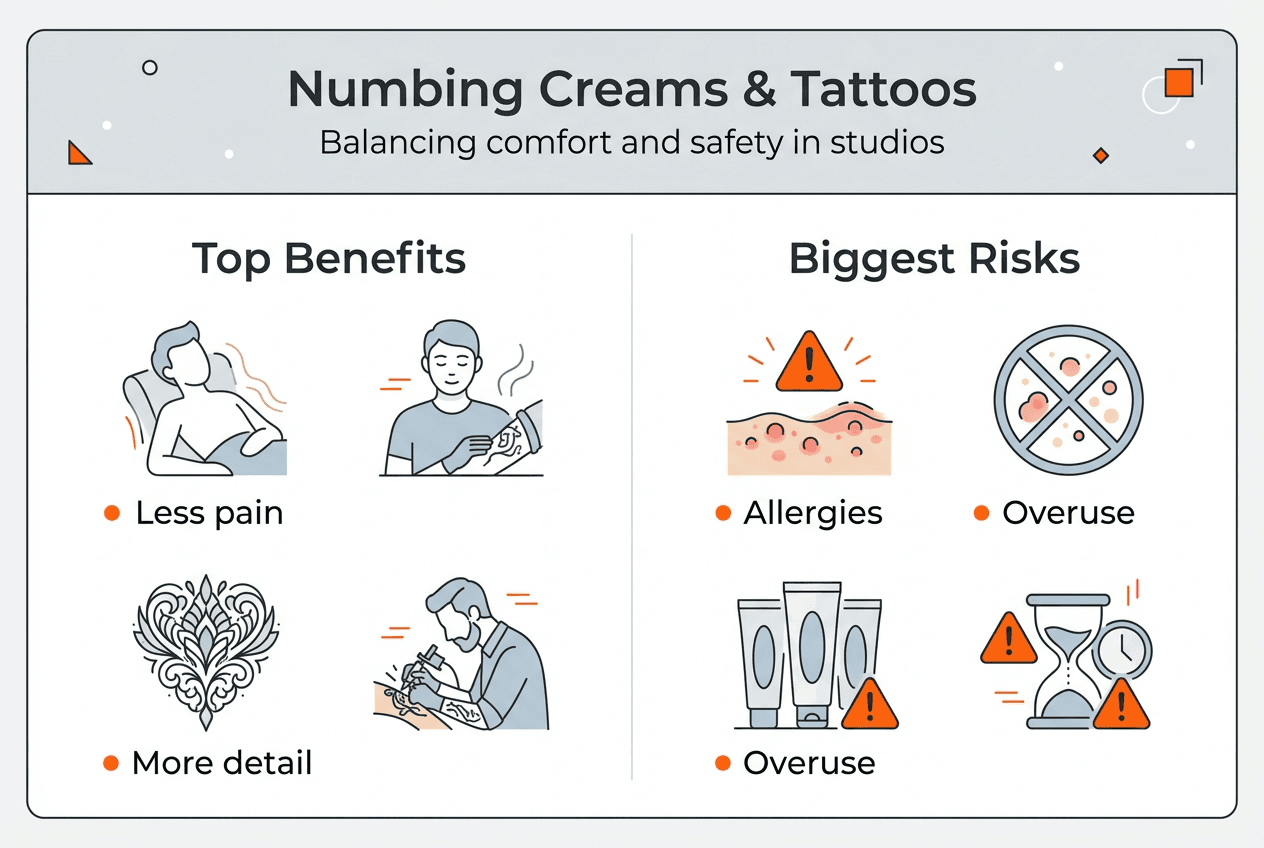
Using numbing creams in your practice requires careful attention to safety standards and legal requirements across European markets. Unlicensed or imported numbing products pose safety and legal risks due to unreliable composition and sterility, potentially exposing you to liability and harming client health. The regulatory landscape varies by country, but most European nations restrict who can supply or apply prescription-strength anesthetics.
In the UK and many EU countries, tattoo artists cannot legally supply or apply prescription-strength numbing creams directly to clients. These products fall under medicine regulations requiring licensed healthcare professionals to dispense them. You can, however, allow clients to bring and apply their own numbing creams, or work with partnered clinicians who provide these services. Always document your studio’s policy clearly in consent forms and client communications.
Over-the-counter numbing products with lower concentrations (typically under 5% lidocaine) occupy a gray area in some jurisdictions. While legally available for purchase, their application in professional settings still carries responsibility. Research your local regulations thoroughly and consult with legal advisors to ensure compliance. Many successful studios establish partnerships with nearby pharmacies or medical professionals to provide legitimate numbing services.
Product selection directly impacts both safety and results. When evaluating numbing cream ingredients tattoo artists should use, focus on these key factors:
- Verified licensing and regulatory approval in your operating country
- Clear ingredient labeling with concentration percentages
- Batch numbers and expiration dates for quality tracking
- Sterile packaging that prevents contamination
- Manufacturer reputation and third-party testing certifications
Certain ingredients require special attention or avoidance. Epinephrine and adrenaline, sometimes added to extend numbing duration, can constrict blood vessels and affect ink absorption. This vasoconstriction may lead to uneven pigment distribution and compromised color saturation. Products containing these ingredients work better for procedures where bleeding control matters more than pigment retention, making them less ideal for tattooing.
Pro Tip: Maintain a log of which numbing products your clients use and their effectiveness, helping you provide better recommendations and identify patterns in allergic reactions or poor results.
Establish clear studio policies about numbing cream usage before issues arise. Your policy should address who supplies the product, who applies it, timing requirements, and liability disclaimers. Communicate these policies during consultation appointments and include them in written consent forms. This documentation protects you legally while setting clear expectations for clients.
Always verify product authenticity before allowing use in your studio. Counterfeit numbing creams circulate in online markets, containing unknown ingredients or incorrect concentrations. Check batch numbers against manufacturer databases when possible, and refuse products that lack proper labeling or appear tampered with. Your reputation and client safety depend on maintaining these standards consistently.
Balancing pain relief with tattoo quality: application techniques and risks
Proper numbing cream application requires precise timing and technique to maximize pain relief without compromising tattoo quality. The window between applying cream and starting tattooing significantly impacts both comfort and artistic outcomes. Apply numbing cream 20-60 minutes before tattooing to allow adequate absorption, with peak effectiveness arriving 1-2 hours after application.
Follow these steps for optimal numbing cream application:
- Clean and dry the skin thoroughly, removing oils and debris that block absorption
- Apply a thick, even layer of numbing cream covering the entire tattoo area plus a small margin
- Cover with plastic wrap to create occlusion, enhancing ingredient penetration
- Wait the recommended time based on product instructions and skin characteristics
- Remove wrap and excess cream, then clean the area again before tattooing
- Monitor client feedback throughout the session to gauge ongoing effectiveness
Body location dramatically affects numbing cream performance due to varying skin thickness and nerve density. Understanding numbing effectiveness by body area helps you adjust application techniques and set realistic client expectations. Areas with thinner skin and more nerve endings, like ribs and feet, benefit most from numbing but also present the highest risk of overworking.
| Application Factor | Correct Approach | Incorrect Approach | Impact on Quality | | — | — | — | | Timing | 20-60 min before, peak at 1-2 hrs | Applied too early or too late | Correct timing ensures consistent numbness; incorrect timing causes uneven pain relief and client discomfort | | Coverage | Thick, even layer with occlusion | Thin application, no wrap | Proper coverage maximizes absorption; thin application creates patchy numbness | | Monitoring | Regular client feedback checks | Ignoring client responses | Active monitoring prevents overworking; ignoring feedback risks skin damage | | Removal | Complete cleaning before tattooing | Leaving residue on skin | Clean surface ensures proper stencil transfer and ink absorption; residue interferes with both |
The most significant risk when working with numbed skin involves overworking the area. Numbing creams can mask client feedback, increasing risks like scarring or poor pigment retention due to overworking skin. Pain normally signals when you’re pushing too hard or passing over the same area too many times. Without this feedback, you must rely entirely on visual cues and experience to judge skin stress.
Watch for these warning signs of overworked skin:
- Excessive redness beyond normal inflammation
- Skin texture changes, including glossiness or tautness
- Unusual bleeding patterns or plasma weeping
- Client reports of burning sensations breaking through numbness
- Difficulty with ink retention in previously worked areas
Pro Tip: Set a timer to check in with your client every 20-30 minutes during numbed sessions, asking specific questions about pressure, heat, and any breakthrough sensations to gauge skin condition.
Develop a systematic tattoo numbing workflow pain free sessions approach that includes regular assessment breaks. During these pauses, examine the skin closely under good lighting, checking for subtle signs of trauma. This practice becomes especially important during long sessions where numbing might wear off unevenly across different areas.
Client communication checkpoints serve multiple purposes beyond safety monitoring. They help you gauge remaining numbing effectiveness, allowing you to adjust your approach before numbness wears off completely. These breaks also give clients mental rest, reducing overall session fatigue even when physical pain stays minimal. Building these pauses into your workflow creates natural stopping points for both artistic assessment and client care.
Benefits for tattoo artists: improved client comfort and art precision
The advantages of using numbing creams extend far beyond client comfort, directly impacting your ability to produce exceptional work. When clients experience less pain, their bodies remain relaxed and still, eliminating the involuntary flinching and muscle tension that compromise line work and shading precision. This stability transforms challenging sessions into manageable ones, particularly for detail-oriented pieces requiring steady positioning.
Comfortable clients sit still longer, allowing for better precision and superior results that showcase your artistic abilities without fighting against client movement or anxiety.
Reduced client anxiety creates a positive feedback loop throughout the session. Clients who aren’t bracing for pain breathe normally, maintaining better oxygen flow and reducing lightheadedness or nausea. Their relaxed state allows you to focus entirely on artistic execution rather than managing distress or taking frequent breaks. This mental freedom elevates your work quality while making sessions more enjoyable for everyone involved.
The professional benefits of incorporating numbing creams into your practice include:
- Extended session capability for complex pieces requiring multiple hours
- Better line consistency due to reduced client movement and tension
- Improved color saturation from relaxed skin and steady needle depth
- Fewer session interruptions for client breaks or distress management
- Enhanced client satisfaction leading to positive reviews and referrals
- Reduced artist stress and fatigue from managing anxious clients
Many experienced tattoo artists report that numbing creams have transformed their approach to difficult body areas. Ribs, feet, hands, and other sensitive locations become more manageable when clients can tolerate longer sessions. This capability expands your portfolio possibilities and attracts clients who might otherwise avoid tattooing these areas due to pain concerns.
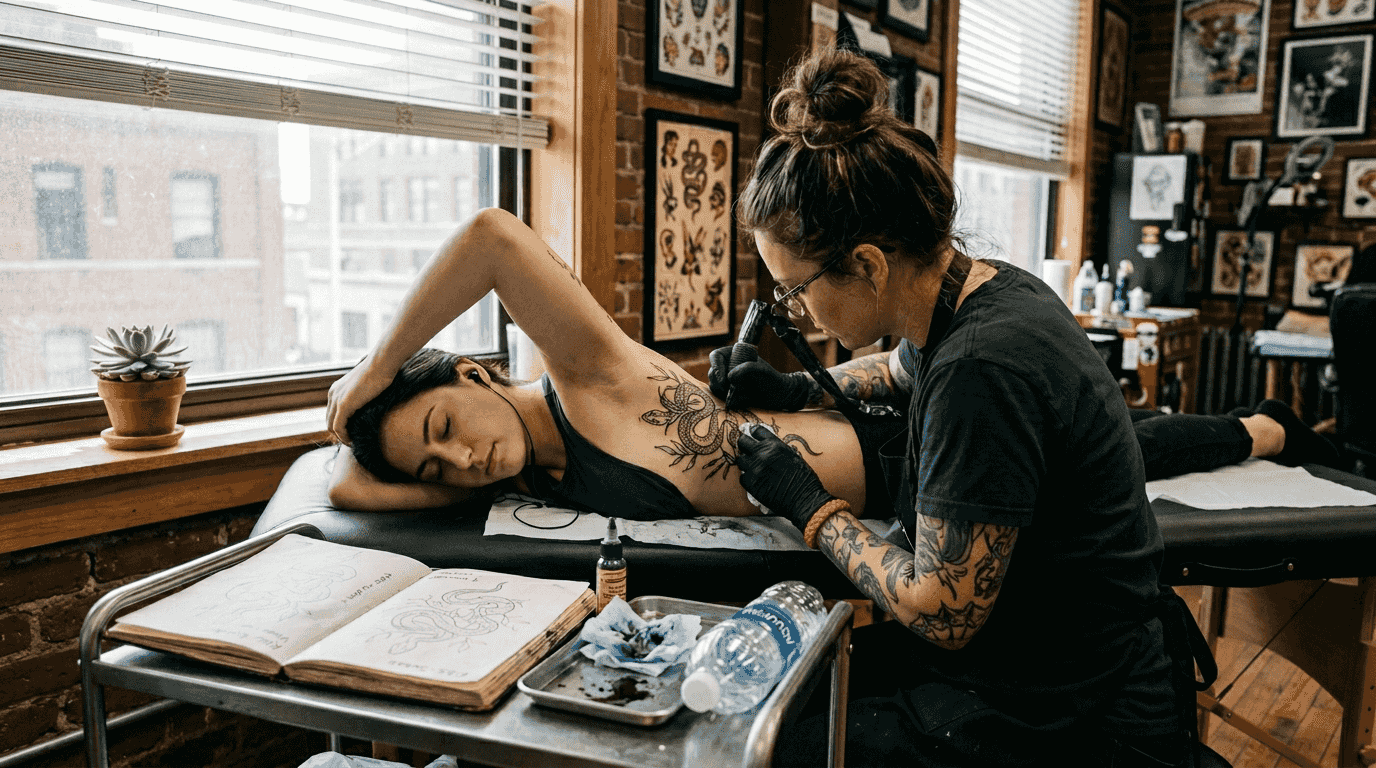
The relationship between client comfort and artistic precision becomes especially apparent during fine detail work. Microrealism, geometric patterns, and intricate linework all demand absolute steadiness from both artist and client. Even slight movements can ruin delicate elements, requiring touch-ups or complete rework. Understanding the benefits of tattoo numbing cream helps you communicate value to clients who might initially resist using these products.
Client retention improves significantly when you prioritize comfort alongside artistry. First-time clients who experience manageable pain during their initial tattoo are far more likely to return for additional work. They also become enthusiastic advocates, recommending your services to friends and family. This word-of-mouth marketing proves invaluable in building a sustainable tattoo business.
The psychological impact of pain relief tattooing numbing creams extends beyond the physical sensation. Clients approach sessions with confidence rather than dread, arriving relaxed and ready to cooperate. This positive mindset affects their entire experience, from consultation through healing. They remember the artwork and your professionalism rather than focusing on pain endurance.
Professional tattoo artists across Europe increasingly view numbing creams as essential tools rather than optional extras. Studios that offer or accommodate numbing solutions differentiate themselves in competitive markets, attracting clients who value comfort alongside artistic quality. This positioning allows you to command premium pricing while delivering exceptional experiences that justify higher rates.
Explore premium numbing creams for tattoo artists
Equipping your practice with trusted numbing solutions elevates both client experience and artistic outcomes. Professional-grade products like TKTX and Dermacain offer reliable pain reduction backed by proven formulations, helping you deliver the comfort your clients expect.

Consider stocking 3x TKTX 40% free shipping bundles that provide cost-effective solutions for busy studios serving multiple clients daily. For clients seeking maximum effectiveness, TKTX 55% GOLD tattoo cream delivers extended duration perfect for lengthy sessions. Premium options like Dermacain premium tattoo care combine numbing effectiveness with skin-conditioning ingredients that support healing.
All products ship free across Europe on orders over 30 Euro, with satisfaction guaranteed. If results don’t meet expectations, simply return the product for a full refund. This commitment to quality and customer care ensures you can recommend these solutions confidently, knowing your clients receive genuine value and reliable performance.
Frequently asked questions about numbing creams for tattoo artists
What ingredients should tattoo artists avoid in numbing creams?
Avoid numbing creams containing epinephrine or adrenaline, as these vasoconstrictors reduce blood flow and can interfere with ink absorption and color saturation. Products with unknown or unlisted ingredients pose safety risks and potential allergic reactions. Always choose pharmacy-grade formulations with clear labeling showing exact concentrations of active ingredients like lidocaine and prilocaine.
How long before a tattoo session should numbing cream be applied?
Apply numbing cream 20-60 minutes before starting the tattoo, depending on the product formulation and skin thickness. Peak effectiveness typically occurs 1-2 hours after application, so timing the application correctly ensures maximum pain relief during the most intense portions of your session. Always follow the specific product instructions for optimal results.
Can numbing creams affect the quality or healing of a tattoo?
When used correctly, quality numbing creams don’t negatively impact tattoo quality or healing. However, overworking numbed skin presents risks since pain signals are masked, potentially causing excessive trauma. Monitor skin condition closely throughout the session and avoid products with vasoconstrictors that might affect ink absorption. Proper technique maintains both comfort and artistic quality.
Are tattoo artists legally allowed to apply numbing creams in Europe?
Legal requirements vary across European countries, but most prohibit tattoo artists from supplying or applying prescription-strength numbing creams. You can allow clients to bring and apply their own products, or partner with licensed clinicians who provide these services. Always research your specific country’s regulations and document your studio’s policy clearly in consent forms.
How can tattoo artists ensure client safety when using numbing creams?
Verify that clients use only licensed, pharmacy-grade products with proper labeling and batch numbers. Conduct patch tests 24 hours before sessions for new clients to identify potential allergies. Learn about educating clients about numbing to ensure they understand proper application and timing. Monitor clients throughout sessions for adverse reactions and maintain detailed records of products used.


