

Nearly 30% of tattoo clients report heightened discomfort due to sensitive skin, yet most remain unaware that specialized numbing solutions can transform their experience entirely. Sensitive skin reacts differently to tattoo needles, triggering increased inflammation, prolonged redness, and sometimes allergic responses that complicate the healing process. Understanding how your skin responds and choosing the right numbing approach makes the difference between an agonizing session and a comfortable one. This guide reveals proven techniques to minimize pain, protect reactive skin, and achieve beautiful tattoos without unnecessary suffering.
Table of Contents
- Key takeaways
- Understanding sensitive skin and tattooing challenges
- How numbing agents work and choosing the right products for sensitive skin
- Practical tips to prepare and protect sensitive skin during tattooing
- Enhance your tattoo experience with specialized numbing creams
- What is tattooing on sensitive skin
Key Takeaways
| Point | Details |
|---|---|
| Sensitive skin challenges | Sensitive skin has a compromised barrier that leads to greater inflammation, prolonged redness, and a higher risk of allergic reactions during tattooing. |
| Numbing creams help | Topical anesthetics reduce pain during tattooing but require allergy testing before use. |
| Preparation improves outcomes | Patch testing, avoiding irritants, hydrating skin, and clear communication with the artist enhance safety and results for reactive skin. |
| Sterile practices essential | Chronic inflammation raises theoretical cancer risks and makes strict sterile protocols and single use tools non negotiable for minimizing complications. |
Understanding sensitive skin and tattooing challenges
Sensitive skin possesses a compromised barrier function that allows irritants to penetrate more easily while triggering exaggerated immune responses. This heightened reactivity stems from thinner stratum corneum layers, increased nerve density near the surface, and overactive mast cells that release histamine at the slightest provocation. When tattoo needles puncture this delicate tissue thousands of times per minute, the body interprets each insertion as a threat, flooding the area with inflammatory mediators that amplify pain signals exponentially.
Common reactions during tattooing sessions include immediate redness spreading beyond the needle zone, swelling that persists for days rather than hours, and burning sensations that continue long after the artist stops working. Some clients experience contact dermatitis from ink pigments or aftercare products, while others develop raised bumps or hives that compromise the final design. The healing timeline extends significantly, sometimes doubling the standard two-week recovery period as the compromised barrier struggles to repair itself.
Research indicates chronic inflammation from reactions may elevate risks, though no definitive cancer link exists. Repeated inflammatory episodes stress cellular DNA repair mechanisms, creating theoretical vulnerabilities that make sterile practices non-negotiable. Tattoo artists must use single-use needles, sterile gloves, and medical-grade equipment to minimize bacterial introduction that could trigger severe inflammatory cascades in already reactive tissue.
Protecting sensitive skin before tattooing requires strategic preparation:
- Conduct patch tests with proposed ink colors 48 hours before your appointment to identify allergic reactions
- Avoid retinoids, exfoliants, and harsh cleansers for one week prior to reduce baseline inflammation
- Hydrate skin thoroughly with fragrance-free moisturizers to strengthen the barrier function
- Eliminate alcohol and blood-thinning medications three days beforehand to minimize bleeding and swelling
- Communicate every known sensitivity to your artist, including reactions to latex, adhesives, or specific ingredients
Understanding handling sensitive skin naturally creates a foundation for successful tattooing. Your skin’s unique characteristics demand customized approaches that standard protocols overlook. Recognizing these differences empowers you to advocate for modifications that protect your tissue while achieving the artistic results you envision.
How numbing agents work and choosing the right products for sensitive skin
Topical anesthetics function by blocking sodium channels in peripheral nerve fibers, preventing pain signals from reaching your brain during tattoo application. When applied to intact skin, these compounds penetrate through the stratum corneum, accumulating in nerve endings where they stabilize cell membranes and interrupt the electrical impulses that create pain sensations. The effect begins within 20 to 60 minutes depending on formulation strength and typically lasts three to four hours, covering most tattoo sessions completely.
Common numbing ingredients present distinct advantages and limitations for reactive skin types:
- Lidocaine provides reliable pain blocking with minimal sensitization risk when used at 4-5% concentrations
- Prilocaine enhances lidocaine’s effectiveness through synergistic action but requires monitoring for methemoglobinemia at high doses
- Benzocaine offers fast-acting relief but triggers allergic contact dermatitis more frequently than alternatives
- Tetracaine delivers potent numbing but penetrates slowly, demanding longer application times before effectiveness peaks
Studies confirm numbing efficacy but warn of allergies, including documented urticaria cases that developed within minutes of application. These rare but serious reactions underscore why allergy testing cannot be optional for sensitive skin clients. Even ingredients you have tolerated in other contexts may behave differently when applied to large surface areas or occluded under plastic wrap, concentrating exposure beyond safe thresholds.
Selecting appropriate products for sensitive skin requires evaluating several critical factors. Formulation pH should match skin’s natural acidity between 4.5 and 5.5 to avoid disrupting the protective acid mantle. Ingredient lists must exclude common irritants like parabens, artificial fragrances, and propylene glycol that trigger inflammatory responses in reactive individuals. Potency matters, but higher concentrations do not always equal better results when compromised barriers allow excessive systemic absorption.
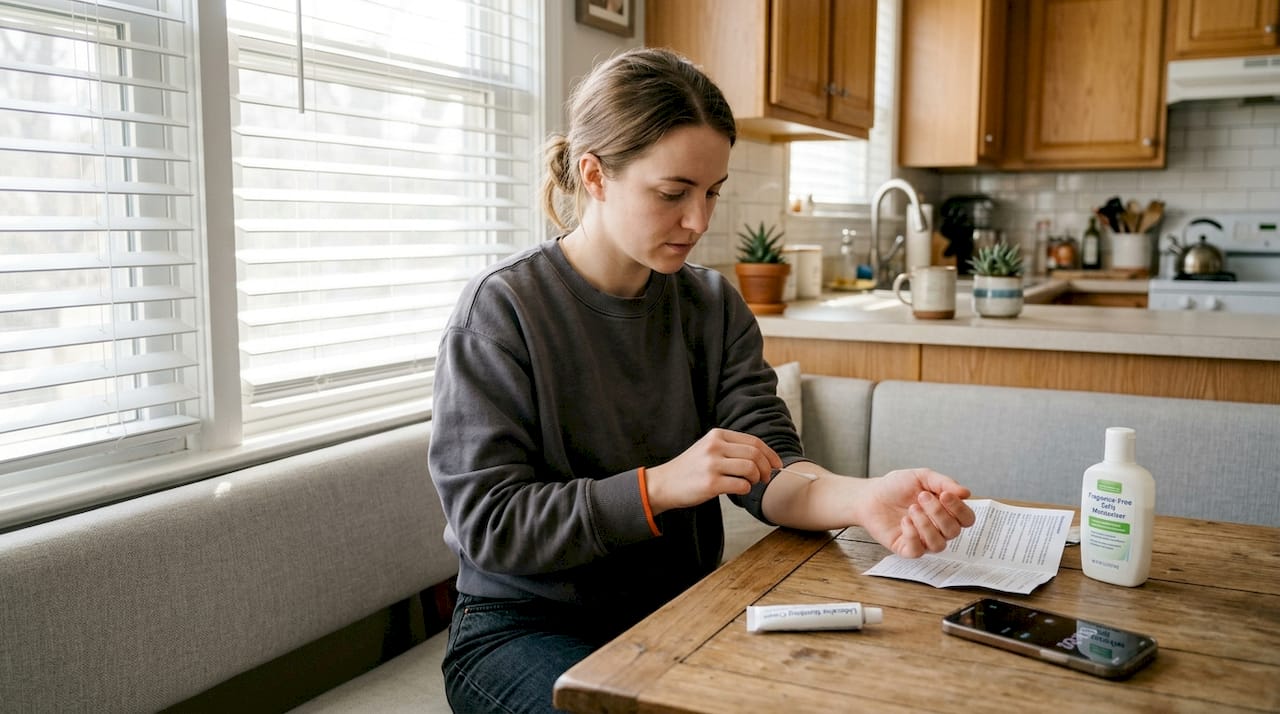
Exploring examples of numbing agents reveals the spectrum of available options. Understanding numbing cream ingredients helps you identify formulations that match your specific sensitivities while delivering adequate pain control.
Pro Tip: Perform a comprehensive patch test by applying a quarter-sized amount of numbing cream to your inner forearm 48 hours before your tattoo appointment. Cover with plastic wrap for 60 minutes, then monitor the area for 48 hours, watching for redness, itching, swelling, or rash development. Photograph the test site immediately after application and at 24-hour intervals to document any delayed reactions. Share these results with your tattoo artist before proceeding, and never skip this step regardless of previous numbing cream experience, since formulations vary significantly between brands. Following a safe numbing application checklist prevents complications that could derail your entire tattoo experience.
Practical tips to prepare and protect sensitive skin during tattooing
Preparing sensitive skin demands a systematic approach that begins days before your appointment and continues throughout the tattooing process. Strategic preparation minimizes baseline inflammation, strengthens barrier integrity, and creates optimal conditions for numbing agents to perform effectively without triggering adverse reactions.
Follow this step-by-step preparation protocol:
- Seven days before: Discontinue all active skincare ingredients including retinoids, AHAs, BHAs, and vitamin C serums that thin the stratum corneum
- Five days before: Begin twice-daily application of ceramide-rich moisturizers to reinforce lipid barriers and improve hydration
- Three days before: Eliminate alcohol consumption, aspirin, ibuprofen, and fish oil supplements that increase bleeding and prolong inflammation
- 48 hours before: Complete your numbing cream patch test on clean, intact skin away from the tattoo site
- 24 hours before: Avoid sun exposure, hot showers, and vigorous exercise that could inflame skin or compromise barrier function
- Two hours before: Cleanse the tattoo area with gentle, fragrance-free soap and pat completely dry before numbing application
Timing and method selection significantly impact numbing effectiveness, as this comparison illustrates:
| Application Method | Onset Time | Duration | Best For |
|---|---|---|---|
| Pre-wrap application | 45-60 minutes | 3-4 hours | Large pieces requiring extended sessions |
| During-session topical | 15-20 minutes | 1-2 hours | Touch-ups and color filling on numbed areas |
| Spray formulations | 5-10 minutes | 30-45 minutes | Quick line work on small designs |
| Occlusive wrapping | 30-45 minutes | 4-5 hours | Maximum penetration for deep shading work |
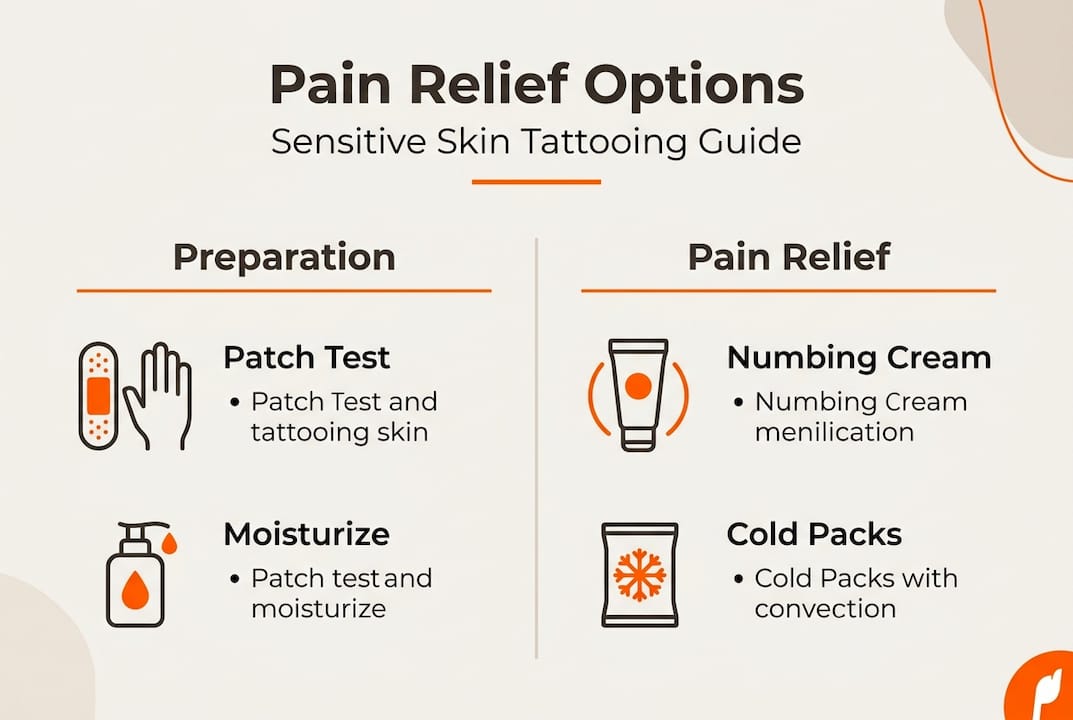
Communicating your sensitivities effectively prevents mid-session complications that could compromise your tattoo. Create a written list documenting every known allergy, previous adverse reactions to topical products, medications that affect bleeding or healing, and specific concerns about pain tolerance. Share this document with your artist during the consultation, not on tattoo day when time constraints limit discussion depth. Ask about their experience working with sensitive skin clients and request modifications like more frequent breaks, gentler needle pressure, or alternative ink brands if standard pigments have caused reactions previously.
Studies emphasize communication and preparation for success, confirming that informed clients who actively participate in planning experience fewer complications and greater satisfaction. Your artist cannot accommodate needs they do not know exist, making transparency essential for optimal outcomes.
Pro Tip: Apply numbing cream exactly 60 minutes before your scheduled appointment time for peak effectiveness when the needle touches your skin. Set a timer to ensure precise timing, since early application wastes the numbing window on pre-session preparation while late application leaves you inadequately protected during initial outlining when pain sensitivity peaks. Spread a thick, even layer covering the entire tattoo area plus one inch beyond the design borders, then cover with plastic wrap to create occlusion that drives active ingredients deeper into tissue. This timing synchronizes maximum anesthetic concentration with maximum needle trauma for superior pain control throughout your session.
Post-tattoo care for sensitive skin requires modified protocols that account for prolonged inflammation and slower healing. Cleanse gently with lukewarm water and fragrance-free antibacterial soap three times daily, patting dry with clean paper towels rather than reusable cloth that harbors bacteria. Apply thin layers of healing ointment specifically formulated for sensitive skin, avoiding petroleum-based products that trap heat and delay recovery. Monitor closely for signs of infection including increased redness, warmth, purulent discharge, or fever, seeking immediate medical attention if these symptoms develop. Understanding client assessment before numbing and implementing a proper tattoo numbing workflow ensures every step supports your sensitive skin’s unique requirements.
Enhance your tattoo experience with specialized numbing creams
Transforming your tattoo experience from painful endurance test to comfortable creative session requires products specifically engineered for sensitive skin’s unique demands. Premium numbing formulations like TKTX and Dermacain deliver pharmaceutical-grade pain relief while respecting reactive tissue’s vulnerability to irritation and allergic responses.

These advanced numbing creams provide three-hour guaranteed pain-free tattooing through optimized anesthetic concentrations that penetrate effectively without overwhelming sensitive barriers. The formulations exclude common irritants that trigger reactions in reactive individuals, using hypoallergenic bases that support rather than compromise skin integrity. Free shipping on orders over 30 euros makes stocking up for large pieces or multiple sessions economically practical, while the satisfaction guarantee eliminates purchase risk entirely.
Key features that distinguish these products include clinically proven potency that blocks pain signals completely, dermatologist-tested safety profiles suitable for even highly reactive skin, and fast-acting formulations that reach peak effectiveness within the optimal pre-session timeframe. Whether you choose TKTX 55% GOLD numbing cream for maximum strength coverage, Dermacain premium tattoo care for sensitive-skin-specific formulation, or the economical 3x TKTX 40% pack for extended projects, you gain the confidence that pain will not derail your artistic vision. Clients across Europe trust these solutions to deliver consistent, reliable comfort that transforms tattooing from ordeal to enjoyable creative collaboration.
What is tattooing on sensitive skin
Is getting a tattoo safe if I have sensitive skin?
Tattooing on sensitive skin is safe when you take proper precautions including patch testing inks and numbing products, choosing experienced artists familiar with reactive skin, and following modified aftercare protocols. The key risks involve allergic reactions and prolonged healing, both manageable through careful preparation and communication.
What are the most common allergic reactions to tattoo numbing creams?
Contact dermatitis presents as redness, itching, and rash at the application site, typically appearing within hours of exposure. Urticaria manifests as raised welts and intense itching, sometimes spreading beyond the numbed area. Rare severe reactions include angioedema causing deep tissue swelling and anaphylaxis requiring emergency treatment, making patch testing essential before full application.
Do numbing creams work effectively on sensitive skin without causing irritation?
High-quality numbing creams formulated for sensitive skin deliver effective pain relief without irritation when properly tested and applied. Hypoallergenic formulations exclude common triggers like parabens and artificial fragrances while maintaining therapeutic anesthetic concentrations. Success depends on selecting appropriate products and conducting thorough patch tests 48 hours before tattooing.
How should I prepare my sensitive skin before getting a tattoo?
Begin preparation one week before by discontinuing harsh skincare actives and strengthening your moisture barrier with ceramide-rich products. Complete patch tests for both ink and numbing cream 48 hours prior. Eliminate blood thinners, alcohol, and inflammatory foods three days beforehand, and arrive with clean, well-hydrated skin for optimal numbing effectiveness and reduced reaction risk.
What aftercare steps reduce irritation and promote healing on sensitive skin?
Cleanse the tattoo three times daily with fragrance-free antibacterial soap and lukewarm water, patting dry with disposable paper towels. Apply thin layers of hypoallergenic healing ointment rather than thick petroleum-based products that trap heat. Avoid scratching, sun exposure, swimming, and tight clothing over the tattoo for two weeks. Monitor closely for infection signs including increased warmth, purulent discharge, or spreading redness, seeking medical attention immediately if these develop.
Can I use regular numbing cream or do I need a special formula for sensitive skin?
Sensitive skin requires numbing creams specifically formulated without common irritants like parabens, artificial fragrances, and propylene glycol that trigger inflammatory responses. Regular formulations often contain these additives for texture or preservation, increasing reaction risk significantly. Specialized sensitive-skin products use hypoallergenic bases and exclude unnecessary ingredients while maintaining effective anesthetic concentrations, making them essential rather than optional for reactive individuals.


