

Choosing effective tattoo numbing creams can feel overwhelming with countless myths circulating online. Many tattoo enthusiasts struggle to separate fact from fiction, risking poor pain management or even health complications. This article clarifies the most common misunderstandings using latest research and expert insights, helping you make informed decisions for a comfortable tattoo experience. You’ll discover how numbing creams actually work, which products deliver real results, and what safety considerations matter most in Europe’s regulated environment.
Table of Contents
- How To Evaluate Tattoo Numbing Cream Claims And Ingredients
- The Truth About Popular Numbing Creams: LT Vs EMLA And Others
- Common Myths About Tattoo Numbing Creams Debunked
- When And How To Safely Use Tattoo Numbing Creams In Europe
- Enhance Your Tattoo Experience With Trusted Numbing Creams
- FAQ
Key takeaways
| Point | Details |
|---|---|
| Surface-level pain relief | Numbing creams primarily affect skin surface layers, limiting complete pain elimination during tattooing. |
| Licensed products matter | Approved creams like LT and EMLA offer different analgesia strengths and proven safety profiles. |
| Legal considerations | In Europe, clients typically self-apply licensed creams under artist guidance rather than having artists supply them. |
| Pain masking risks | Numbing can hide important feedback, potentially causing skin overwork and scarring. |
| Ingredient differences | Creams combining lidocaine and tetracaine generally provide stronger relief than older formulations. |
How to evaluate tattoo numbing cream claims and ingredients
Understanding how numbing creams function helps you judge marketing claims more critically. Numbing creams primarily affect the epidermis and upper dermis, while tattoo needles penetrate deeper dermis layers. This fundamental limitation means no topical cream can eliminate all tattoo pain completely.
Focus on key ingredients in numbing creams with proven analgesic effects. Lidocaine, tetracaine, and prilocaine are the primary active compounds backed by clinical research. Their concentration and combination determine effectiveness.
Licensing and regulatory compliance should guide your selection process. European safety standards ensure creams meet sterility requirements and contain declared ingredients at proper concentrations. Imported or unlicensed products carry uncertain composition and potential contamination risks.
Regulatory frameworks in many European countries restrict tattoo artists from supplying or administering anesthetic medicines. You’ll typically purchase licensed creams from pharmacies and self-apply them before your appointment. Your artist can provide application guidance while respecting legal boundaries.
Pro Tip: Choosing creams with both lidocaine and tetracaine can offer more effective relief than older combinations, as these ingredients work through complementary mechanisms.
Beware of exaggerated claims promising complete numbness. Effective numbing reduces discomfort significantly but won’t eliminate all sensation. Understanding realistic expectations prevents disappointment and helps you communicate better with your tattoo artist about pain management strategies.
- Check for regulatory approval from European health authorities
- Verify active ingredient concentrations match clinical evidence
- Review tattoo numbing cream regulations specific to your country
- Avoid products with vague ingredient lists or unclear sourcing
The truth about popular numbing creams: LT vs EMLA and others
Comparing specific products reveals substantial differences in effectiveness and safety profiles. LT cream contains 7% lignocaine and 7% tetracaine, delivering significantly stronger pain relief than EMLA’s 2.5% lignocaine and 2.5% prilocaine formula. Clinical studies confirm LT cream provided adequate and long lasting analgesia when compared directly to EMLA.
Pain score measurements during medical procedures demonstrate LT’s superior performance. Research shows Lignocaine 7% & Tetracaine 7% cream offers better analgesia than lower concentration alternatives. This evidence contradicts myths suggesting all numbing creams work equally well.
EMLA carries a small but documented risk of methemoglobinemia due to its prilocaine content. This condition reduces blood’s oxygen-carrying capacity and poses particular concern with overuse or in vulnerable individuals. LT’s tetracaine-based formula avoids this specific risk while delivering stronger numbing effects.
Many myths exaggerate the ‘complete numbness’ achievable with these types of tattoo numbing creams. Reality shows tattoo pain is only partially reduced because needles reach deeper than topical creams penetrate. Understanding these limitations helps set realistic expectations.
| Product | Active Ingredients | Pain Relief Strength | Duration | Safety Notes | Typical Use |
|---|---|---|---|---|---|
| LT Cream | 7% lidocaine, 7% tetracaine | High | 2-4 hours | Lower methemoglobin risk | Apply 30-60 min before |
| EMLA | 2.5% lidocaine, 2.5% prilocaine | Moderate | 1-2 hours | Small methemoglobin risk | Apply 60 min before |
| TKTX 40% | High-concentration lidocaine blend | Very High | 3+ hours | Follow dosage carefully | Apply 45 min before |
| Dermacain | Lidocaine with soothing agents | Moderate-High | 2-3 hours | Skin-friendly formulation | Apply 30 min before |
Duration matters significantly for longer tattoo sessions. Stronger formulations maintain effectiveness throughout extended appointments, reducing the need for reapplication breaks. This practical consideration often outweighs minor cost differences between products.
The ‘magic solution’ myth persists despite clear evidence showing variable results across individuals. Skin thickness, placement location, and individual pain tolerance all influence how well any numbing cream performs. No single product works identically for everyone.
- Higher concentrations generally provide stronger and longer-lasting relief
- Lidocaine and tetracaine combinations outperform single-ingredient formulas
- Prilocaine-containing creams require more cautious use due to side effect risks
- Duration claims should align with clinical testing results, not just marketing promises
Common myths about tattoo numbing creams debunked
Systematic myth-busting equips you against widespread misinformation that undermines effective pain management. These corrections draw from regulatory guidance and clinical research to separate marketing hype from reality.
Myth 1: Numbing creams completely eliminate tattoo pain. Pain reduction occurs but complete elimination remains impossible because tattoo needles penetrate deeper dermis layers beyond topical cream reach. Surface numbness provides significant comfort but won’t block all sensation during the procedure.
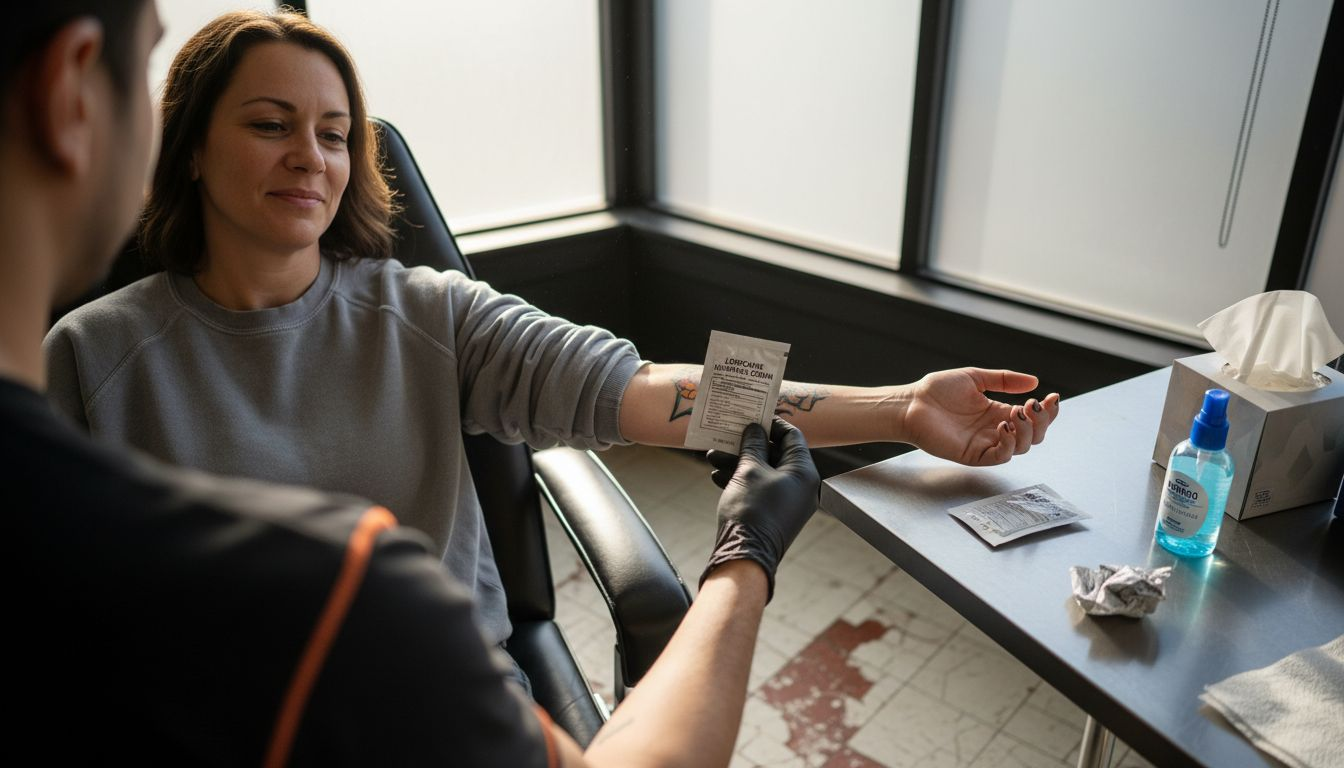
Myth 2: All numbing creams are safe and legal to use. Only licensed, pharmacy-grade creams meeting European regulatory standards should be used. Unlicensed products may contain dangerous concentrations, contaminants, or undeclared ingredients that pose serious health risks. Legal compliance protects both your safety and your tattoo artist’s professional standing.
Myth 3: Tattoo artists should supply and apply numbing creams. European regulations typically restrict artists from providing or administering anesthetic medicines. You’re responsible for purchasing licensed creams and self-applying them according to package directions. Your artist can advise on timing and technique but shouldn’t handle application directly.
Myth 4: Numbing creams prevent all discomfort without side effects. Masking pain feedback can lead to overworking the skin and increasing scarring or poor pigment retention risks. Your body’s pain signals help tattoo artists gauge appropriate needle pressure and working speed. Complete numbness removes this important communication channel.
Myth 5: Prilocaine-containing creams are free of risks. Small but real methemoglobinemia risk exists with prilocaine, especially when overused or applied to large areas. This condition requires medical attention and affects vulnerable populations more severely. Understanding ingredient-specific risks helps you choose safer alternatives when appropriate.
Pro Tip: Always discuss numbing cream use with your tattoo artist to balance comfort and tattoo quality, ensuring they can adjust their technique based on your pain management approach.
The ‘one size fits all’ mentality ignores individual variation in pain tolerance and skin characteristics. What works excellently for one person may provide minimal relief for another. Experimentation with different numbing cream myths explained helps you find your optimal solution.
When and how to safely use tattoo numbing creams in Europe
Practical application knowledge ensures you maximize benefits while respecting legal and safety requirements. European regulatory frameworks emphasize client responsibility and artist guidance as complementary roles in pain management.
Purchase licensed numbing creams from pharmacies or authorized retailers. These products meet sterility standards and contain verified ingredient concentrations. Avoid marketplace imports or unlicensed alternatives that bypass regulatory oversight.
Timing significantly impacts effectiveness. Most creams require 30 to 60 minutes to achieve peak numbing effects. Read package instructions carefully and coordinate application timing with your appointment schedule. Arriving early allows proper absorption before tattooing begins.
Tattoo artists in the UK are generally advised against supplying or applying topical anesthetic medicines to clients. This restriction extends across many European countries with similar regulatory approaches. Your artist provides expert guidance on product selection and application technique without directly handling the cream.
Communication remains essential throughout the process. Inform your artist about which numbing product you’re using, when you applied it, and any skin reactions you notice. This information helps them adjust needle depth and working speed appropriately.
Avoid overuse temptations when pain breaks through during longer sessions. Excessive application increases side effect risks without proportionally enhancing pain relief. Following dosage guidelines protects your health while maintaining adequate comfort levels.
- Purchase only licensed, pharmacy-grade products from authorized retailers
- Apply creams according to package directions at recommended timing intervals
- Communicate openly with your artist about numbing preferences and reactions
- Monitor skin for unusual reactions like excessive redness or swelling
- Avoid exceeding recommended application amounts or frequency
Knowing how to select tattoo numbing creams based on session length, placement location, and personal pain tolerance creates optimal outcomes. Longer sessions benefit from higher-concentration, longer-duration formulas. Sensitive areas may require stronger initial numbing despite shorter working times.
Skin integrity matters as much as pain relief. Compromised or irritated skin absorbs numbing agents differently and may react unpredictably. Ensure your tattooing area shows no cuts, rashes, or active skin conditions before applying any topical anesthetic.
Enhance your tattoo experience with trusted numbing creams
Navigating numbing cream options becomes simpler when you choose products meeting the evaluation criteria and safety standards discussed throughout this article. Quality matters significantly in pain management effectiveness and overall tattoo experience.

Our 3x TKTX 40% cream pack delivers strong analgesia with free shipping across Europe, guaranteeing 3 hours of effective pain relief. This high-concentration formula helps you sit comfortably through longer sessions while maintaining skin integrity for optimal ink retention.
Dermacain 50g premium cream offers lasting care combining effective numbing with skin-friendly ingredients. Licensed and trusted by tattoo enthusiasts and professionals alike, these products fulfill the safety and efficacy standards outlined in this guide.
We guarantee customer satisfaction with a straightforward return policy. If you’re not completely satisfied, simply send the product back for a full refund. This commitment reflects our confidence in delivering real pain relief that enhances your tattoo experience.
Explore our selection to find the best option tailored to your specific pain management needs. Free shipping on orders over 30 Euro makes premium comfort accessible across Europe, supporting your journey toward a more comfortable tattoo process.
FAQ
Are tattoo numbing creams really safe to use?
Licensed numbing creams approved by European regulatory authorities are safe when used according to package directions. These products undergo rigorous testing for sterility, ingredient purity, and concentration accuracy. Unlicensed or imported numbing creams pose safety and legal risks due to unreliable composition and potential contamination, so always purchase from authorized pharmacies or retailers.
Can numbing creams completely eliminate tattoo pain?
No topical cream can completely eliminate tattoo pain because needles penetrate deeper dermis layers than creams can reach. Numbing creams reduce surface pain but not deep pain felt during the tattooing process. They significantly reduce discomfort and make sessions more tolerable, but some sensation remains normal throughout the procedure.
Should my tattoo artist apply numbing cream for me?
In most European countries, clients self-apply licensed numbing creams under artist supervision rather than having artists handle application. UK regulations advise artists not to supply or apply anesthetics, and similar restrictions exist across Europe. Your artist can guide you on proper application technique and timing while respecting these legal boundaries.
Are there risks in masking pain during tattooing?
Pain feedback serves an important function by helping artists gauge appropriate needle pressure and working speed. Numbing creams can lead to risks of overworking skin due to masked feedback, potentially increasing scarring and poor pigment retention. Balanced numbing that reduces but doesn’t eliminate all sensation provides comfort while preserving this important communication channel between your body and your artist.


