

Long tattoo sessions test your pain tolerance, even with numbing cream. While these creams offer initial relief, maintaining that comfort throughout a multi-hour session requires strategic planning and proper technique. Understanding how to maximize and prolong numbing duration transforms your tattoo experience from endurance test to enjoyable art creation. This guide walks you through proven preparation methods, application techniques, and maintenance strategies that keep you comfortable from first needle touch to final wipe down. Whether you’re getting your first piece or adding to your collection, these practical steps ensure consistent pain relief.
Table of Contents
- Understanding Factors That Affect Numbing Duration
- Preparing Properly To Maximize Numbing Effects
- Applying And Maintaining Numbing Cream During Tattoo Sessions
- Aftercare And Troubleshooting Common Issues
- Explore Our Premium Numbing Creams For Longer Relief
- FAQ
Key takeaways
| Point | Details |
|---|---|
| Duration factors | Skin type, cream potency, and application method determine how long numbing lasts |
| Preparation matters | Clean, exfoliated skin absorbs cream better and extends numbing effectiveness |
| Strategic layering | Multiple thin layers with proper timing safely prolong numbness during sessions |
| Active monitoring | Watch for irritation signs and adjust reapplication based on skin response |
| Aftercare extends relief | Keeping the area clean and avoiding friction maintains numbing benefits longer |
Understanding factors that affect numbing duration
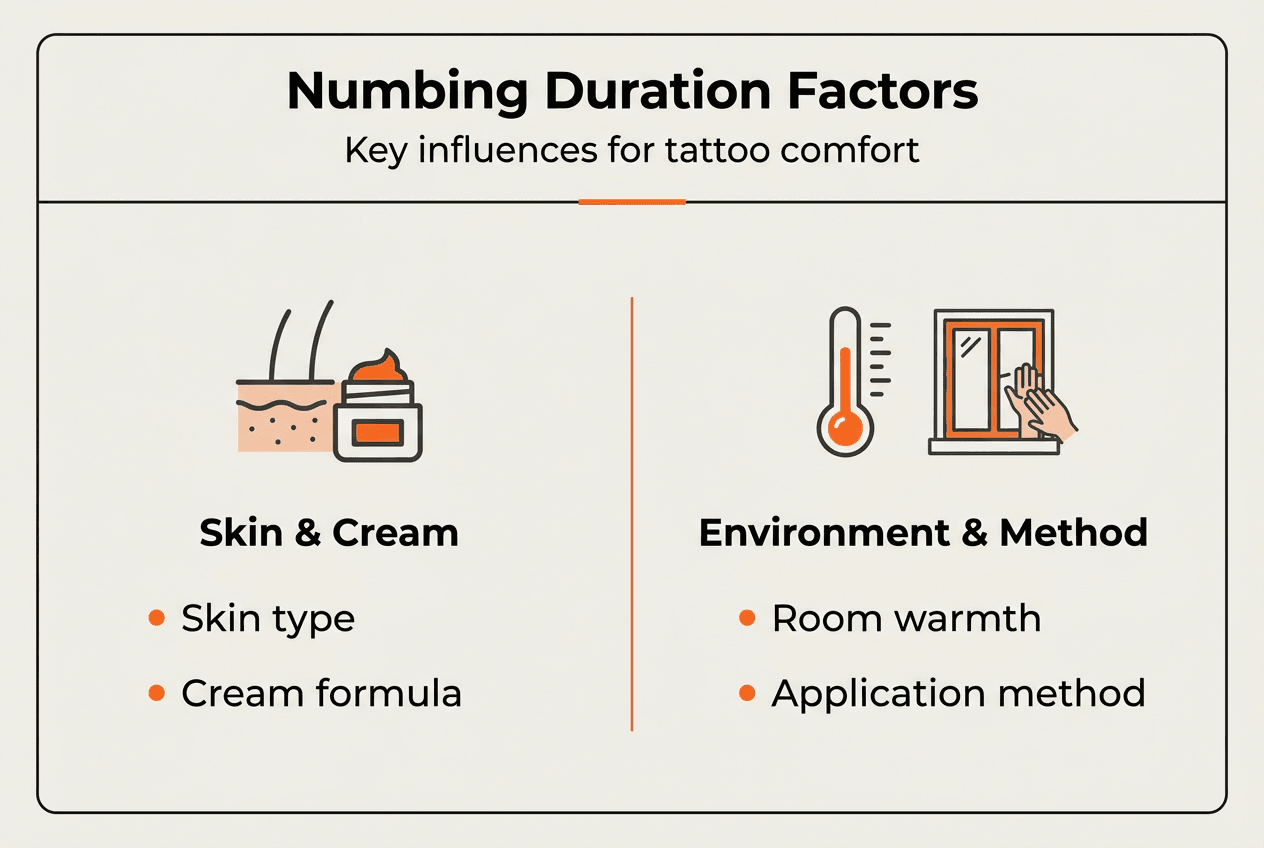
Numbing duration is determined by several factors including cream formula and skin properties. Your skin type plays a major role in how quickly active ingredients penetrate and how long they remain effective. Thicker skin in areas like shoulders or back requires more time for absorption compared to thinner skin on inner arms or ribs. People with oily skin often experience shorter numbing periods because natural oils create a barrier that reduces cream penetration.
The concentration of active ingredients directly impacts relief duration. Creams containing higher percentages of lidocaine, prilocaine, or benzocaine typically provide longer-lasting effects. A 5% lidocaine formula might offer 60 to 90 minutes of numbness, while a stronger concentration can extend that window to three hours or more. However, higher concentrations also carry increased risk of side effects, making proper application crucial.
Application technique significantly influences how well numbing cream works. Key factors include:
- Thickness of cream layer applied to skin surface
- Duration cream sits on skin before tattoo begins
- Use of occlusive covering to enhance penetration
- Temperature of skin and surrounding environment
- Timing between application and needle contact
Environmental conditions affect cream performance in ways many people overlook. Warm rooms with moderate humidity help creams absorb faster and work more effectively. Cold environments slow absorption and may reduce overall numbing intensity. Your body temperature also matters since warmer skin allows better ingredient penetration. Understanding these factors influencing numbing duration lets you create optimal conditions for extended relief.
Preparing properly to maximize numbing effects
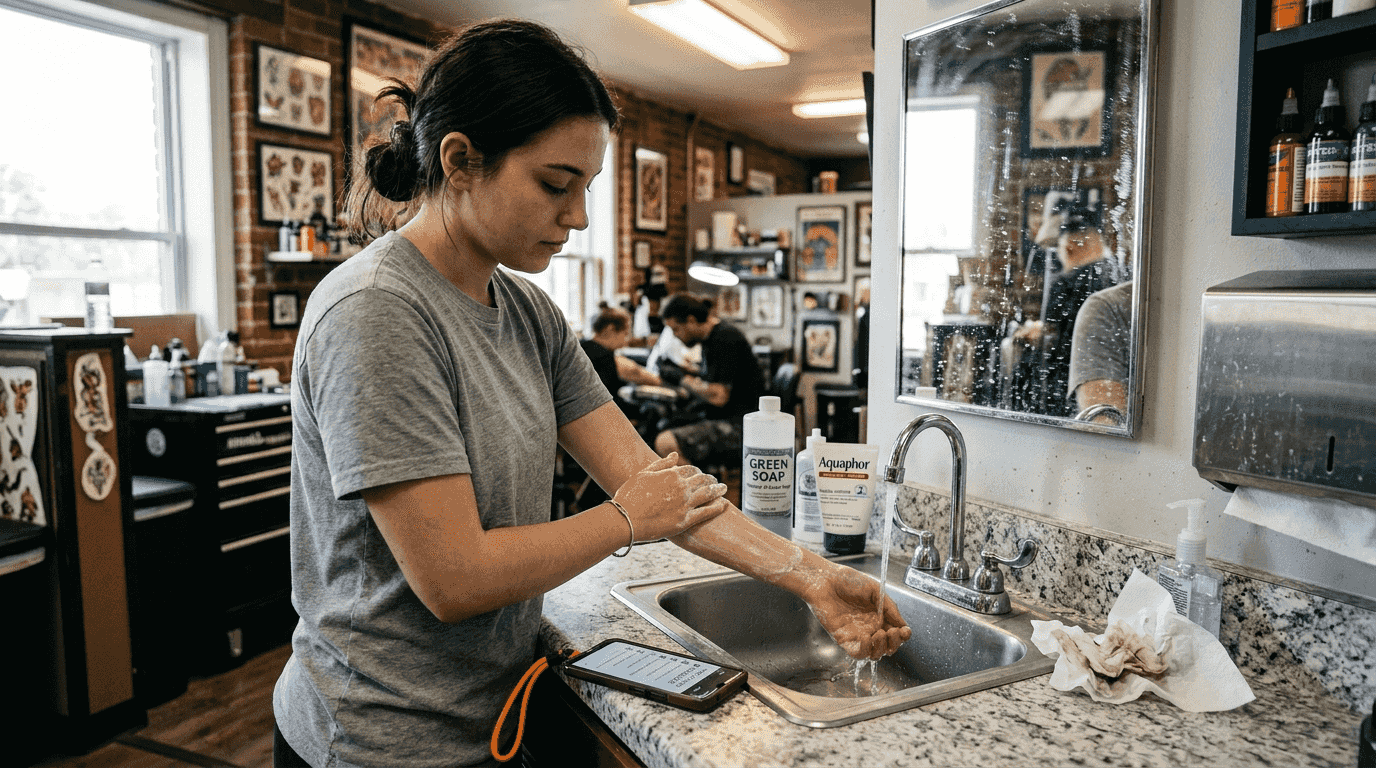
Proper skin preparation and application checklist improve numbing safety and effectiveness. Start by thoroughly cleaning the tattoo area with antibacterial soap and warm water at least 30 minutes before cream application. This removes surface oils, dirt, and dead skin cells that block ingredient absorption. Pat the area completely dry since moisture dilutes cream potency and creates uneven coverage.
Gentle exfoliation 24 hours before your session enhances cream penetration without irritating skin. Use a soft washcloth or mild exfoliating scrub to remove the top layer of dead cells. Avoid aggressive scrubbing that causes redness or micro-tears, which can lead to excessive cream absorption and potential complications. Fresh, clean skin provides the ideal canvas for maximum numbing effectiveness.
Timing your application correctly makes the difference between adequate and exceptional pain relief. Most high-quality numbing creams need 45 to 90 minutes to reach peak effectiveness. Apply cream generously in a thick, even layer covering the entire tattoo area plus a half-inch border. Wrap the area with plastic film to create an occlusive barrier that traps heat and drives ingredients deeper into skin layers.
Follow this numbing application checklist for best results:
- Confirm no allergies to lidocaine, prilocaine, or other cream ingredients
- Test small amount on inner wrist 24 hours before full application
- Avoid broken skin, active acne, or irritated areas
- Set timer to track application duration accurately
- Keep plastic wrap secure but not tight enough to restrict circulation
- Position yourself comfortably since movement reduces effectiveness
Pro Tip: Warm the numbing cream tube in your hands for two minutes before application. Slightly warmed cream spreads more easily, penetrates faster, and begins working 10 to 15 minutes sooner than cold cream straight from storage. This simple step helps you achieve deeper numbness with the same application time.
Never apply numbing cream to damaged skin or open wounds. Broken skin barriers allow excessive ingredient absorption into your bloodstream, increasing risk of systemic side effects like dizziness, irregular heartbeat, or allergic reactions. If you have any cuts, scrapes, or skin conditions in the tattoo area, reschedule your session or choose a different placement. Your safety outweighs the inconvenience of postponing. Following safe tattoo numbing step by step protocols protects your health while ensuring optimal pain relief.
Applying and maintaining numbing cream during tattoo sessions
Layering technique extends numbing duration beyond what single application provides. After your artist removes the initial cream layer and begins tattooing, you can safely reapply during natural breaks in longer sessions. Wait at least 60 minutes between applications to avoid exceeding safe dosage limits. Your skin needs time to metabolize absorbed ingredients before adding more.
Efficient numbing workflows support prolonged pain relief during tattooing. When reapplying, follow these steps:
- Ask your artist to pause and clean the tattooed area gently
- Pat skin dry with sterile gauze without rubbing or applying pressure
- Apply a thin layer of fresh cream only to untattooed sections
- Cover with plastic wrap for 15 to 20 minutes maximum
- Remove wrap and excess cream before artist resumes work
- Monitor how your skin responds to each new application
Timing reapplication based on your pain threshold gives better results than following a rigid schedule. Some people maintain numbness for two hours while others feel sensation returning after 90 minutes. Pay attention to when you first notice increased sensitivity. That’s your signal to prepare for reapplication during the next natural break in tattooing.
Monitoring skin condition throughout your session prevents complications and ensures continued effectiveness. Check for these warning signs:
- Excessive redness beyond normal tattoo inflammation
- White or blanched appearance indicating too much cream absorption
- Unusual tingling or burning sensations
- Swelling that extends beyond the immediate tattoo area
- Dizziness, nausea, or other systemic symptoms
This comparison helps you plan numbing workflow tips effectively:
| Application Method | Expected Duration | Best For | Reapplication Timing |
|---|---|---|---|
| Single thick layer | 90-120 minutes | Small to medium tattoos | Not needed for sessions under 2 hours |
| Double layer technique | 150-180 minutes | Large pieces, sensitive areas | After 90 minutes if needed |
| Maintenance reapplication | 240+ minutes | Full-day sessions, back pieces | Every 90-120 minutes on fresh skin |
| High-concentration formula | 180-240 minutes | Pain-sensitive individuals | Minimal reapplication needed |
Pro Tip: Keep a small mirror handy during your session so you can visually check skin condition in hard-to-see areas. Early detection of irritation or uneven numbing lets you adjust your approach before discomfort becomes a problem. Communication with your artist about sensation levels helps them work at an appropriate pace.
Never exceed manufacturer-recommended maximum dosages even during long sessions. More cream doesn’t always mean better results and can lead to dangerous side effects. If you find standard application intervals insufficient, consider switching to a higher-concentration formula for your next session rather than over-applying lower-strength products. Quality matters more than quantity when it comes to safe, effective numbing.
Aftercare and troubleshooting common issues
Proper aftercare and sterile numbing processes minimize complications during tattooing. Once your session ends, residual numbing effects typically last another 30 to 60 minutes. During this window, avoid touching or scratching the tattooed area even though you can’t feel it. Numbness masks pain signals that normally prevent you from causing additional trauma to fresh tattoo work.
Keeping the area clean and dry maintains whatever numbing remains while supporting proper healing. Gently wash away excess cream, ink, and plasma with lukewarm water and fragrance-free soap within two hours of session completion. Pat dry with clean paper towels rather than cloth towels that harbor bacteria. Apply only the aftercare products your artist recommends since some lotions or ointments can interfere with remaining numbing cream.
Avoid these common mistakes that prematurely reduce numbing effectiveness:
- Rubbing or massaging the numbed area excessively
- Exposing fresh tattoo to hot water or steam
- Applying ice or cold packs that constrict blood vessels
- Using alcohol-based products that dry out skin
- Picking at scabs or peeling skin during healing
Patchy numbness ranks among the most frequent complaints during tattoo sessions. This usually results from uneven cream application, inadequate coverage time, or natural variations in skin thickness across the tattoo area. If you notice certain spots losing numbness faster, apply slightly more cream to those specific zones during reapplication. Some body areas simply metabolize numbing agents faster due to increased blood flow or thinner skin layers.
Mild allergic reactions occasionally occur even in people who’ve used numbing cream before. Watch for localized itching, small raised bumps, or persistent redness that worsens rather than improves. These symptoms differ from normal tattoo inflammation and require immediate attention. Remove any remaining cream, clean the area thoroughly, and inform your artist right away.
Maintaining sterile practices throughout cream application and tattooing isn’t optional. Contaminated numbing cream introduces bacteria directly into your skin, increasing infection risk significantly. Always use clean applicators, never double-dip into cream containers, and ensure your artist follows proper sterile numbing process protocols.
Know when to stop and seek professional medical advice. Severe reactions require immediate intervention:
- Difficulty breathing or throat tightness
- Rapid heartbeat or chest discomfort
- Severe swelling beyond the application area
- Confusion, extreme dizziness, or loss of consciousness
- Seizures or muscle twitching
These symptoms indicate systemic toxicity from excessive numbing agent absorption. While rare when following proper guidelines, they constitute medical emergencies requiring immediate care. Don’t hesitate to call emergency services if you or someone else experiences these reactions. Your tattoo can wait, but your health cannot.
For minor issues like slight irritation or faster-than-expected numbing wear-off, simple adjustments usually solve the problem. Try different application timing, adjust cream thickness, or explore alternative numbing formulations with different active ingredient combinations. Every person’s skin chemistry responds uniquely, so finding your optimal approach may take experimentation across a few sessions.
Explore our premium numbing creams for longer relief
Extending numbing effects requires quality products formulated specifically for tattoo applications. Our range includes options for every pain tolerance level and session length. The TKTX 40% numbing cream pack offers reliable relief for standard sessions, while our TKTX 55% gold numbing cream delivers maximum strength numbing for extended comfort during marathon tattoo sessions.

Each formula undergoes rigorous testing to ensure consistent performance and safety. We guarantee three hours of effective pain relief or your money back with simple product return. Free shipping on orders over 30 euros makes stocking up for multiple sessions economical. Our Dermacain premium tattoo cream combines powerful numbing with skin-conditioning ingredients that support faster healing. Choose the strength that matches your needs and experience tattoo sessions without the discomfort that previously limited your artwork possibilities.
FAQ
How long do numbing creams typically last?
Most quality numbing creams provide 60 to 180 minutes of effective pain relief depending on concentration and application method. Higher-percentage formulas with lidocaine or prilocaine typically last longer than lower-concentration options. Individual factors like skin type, body area, and metabolism also influence duration. Proper application technique with occlusive covering extends effectiveness toward the upper end of this range.
Can I safely reapply numbing cream during a tattoo session?
Yes, you can reapply numbing cream safely during longer sessions when following proper intervals and dosage limits. Wait at least 60 to 90 minutes between applications to allow your body time to metabolize absorbed ingredients. Apply only thin layers to untattooed skin areas and monitor for any signs of irritation or excessive absorption. Never exceed the manufacturer’s maximum recommended daily dosage regardless of session length.
What should I do if I experience skin irritation from numbing cream?
Stop using the cream immediately and remove any remaining product with gentle soap and lukewarm water. Pat the area dry and avoid applying any other products until irritation subsides. Mild redness or itching usually resolves within a few hours. If symptoms persist beyond 24 hours, worsen, or include severe swelling or breathing difficulty, consult a healthcare provider right away. Document which product caused the reaction to avoid future exposure.
Are certain numbing ingredients more effective for longer relief?
Numbing cream ingredients like lidocaine and prilocaine provide the most potent and longest-lasting effects for tattoo applications. Lidocaine concentrations between 4% and 5% offer solid relief for most people, while combinations of lidocaine with prilocaine or tetracaine extend duration further. Benzocaine works faster but wears off more quickly than lidocaine-based formulas. Higher concentrations don’t always mean better results since absorption rates and individual tolerance vary significantly. Choose based on your specific pain sensitivity and session length rather than simply selecting the highest percentage available.


