

Many tattoo enthusiasts believe numbing creams work instantly and last indefinitely. The truth? These topical anesthetics require specific timeframes to activate and their duration depends on precise pharmacological principles. Understanding what determines numbing duration empowers artists and clients to achieve optimal pain relief during extended tattoo sessions, particularly with proven products like TKTX and Dermacain that deliver reliable 3-hour numbing.
Table of Contents
- Introduction To Numbing Duration In Tattooing
- Pharmacological Basis Of Numbing Duration
- Factors Affecting Numbing Duration
- Common Misconceptions About Numbing Duration
- Comparison Of Popular Tattoo Numbing Creams
- Practical Tips To Maximize Numbing Duration
- Safety, Regulations, And Guarantees In Europe
- Discover Effective Numbing Creams For Pain-Free Tattoos
- Frequently Asked Questions
Key Takeaways
| Point | Details |
|---|---|
| Pharmacokinetics drive duration | Active anesthetic agents’ lipophilicity and metabolism rates determine how long numbing lasts, typically 30 minutes to 3 hours. |
| Concentration matters significantly | 5% lidocaine creams provide up to 3 hours of effective pain relief when applied correctly. |
| Application technique extends effect | Proper skin preparation and occlusive dressings significantly boost absorption and prolong numbing duration. |
| More cream does not equal longer relief | Exceeding recommended amounts increases side effect risk by 15-25% without extending duration. |
| European brands deliver proven results | TKTX and Dermacain offer clinically tested 3-hour numbing backed by satisfaction guarantees. |
Introduction to Numbing Duration in Tattooing
Numbing duration refers to the specific timeframe a topical anesthetic provides effective pain relief during tattoo procedures. For artists and clients, this duration directly impacts session success, client comfort, and overall satisfaction. Long sessions demand reliable anesthesia that maintains effectiveness throughout the procedure.
European tattoo studios commonly rely on specialized numbing creams designed for extended pain relief. Products like TKTX and Dermacain have become industry standards because they consistently deliver the promised 3-hour numbing window. These formulations use carefully balanced anesthetic blends to achieve both rapid onset and sustained effect.
Understanding numbing duration helps artists plan sessions effectively. When clients experience consistent pain relief, they remain calmer and more cooperative. This reduces stress for everyone involved and allows artists to focus on precision rather than managing discomfort. The result? Better artwork and happier clients who return for future sessions.
Key benefits of understanding numbing duration include:
- Enhanced client comfort throughout long tattoo sessions
- Improved session efficiency when pain is not a limiting factor
- Better planning for multi-hour appointments
- Reduced anxiety for first-time tattoo clients
- Higher client satisfaction and positive reviews
Pharmacological Basis of Numbing Duration
Pharmacokinetics describes how the body absorbs, distributes, metabolizes, and eliminates drugs. For topical anesthetics, these processes determine exactly how long numbing lasts. The numbing effect duration in topical anesthetics is primarily caused by active anesthetic agents’ pharmacokinetics, particularly their lipophilicity and metabolism rates.
Lipophilicity measures how well a substance dissolves in fats. Higher lipophilicity means better skin penetration and longer persistence in nerve tissue. Lidocaine, prilocaine, and tetracaine each have different lipophilic properties that influence their numbing duration. Tetracaine, being more lipophilic, tends to last longer than lidocaine alone.
Metabolism rates vary significantly among common anesthetic agents. Lidocaine breaks down relatively quickly, providing 1 to 2 hours of relief at standard concentrations. Prilocaine offers similar duration but with a different safety profile. Tetracaine metabolizes more slowly, extending numbing up to 3 hours. Combining these agents creates synergistic effects that optimize both onset and duration.
Typical numbing timeframes depend heavily on agent selection and concentration:
- Single-agent 2% lidocaine: 45 to 90 minutes
- 5% lidocaine formulations: up to 3 hours
- Multi-agent blends (lidocaine, prilocaine, tetracaine): 2 to 3 hours
- Higher concentrations with occlusion: maximum 3 to 4 hours
Understanding these detailed pharmacological mechanisms helps artists choose appropriate products for different session lengths.
“The molecular properties of topical anesthetics, particularly their lipid solubility and protein binding characteristics, fundamentally determine their duration of action in dermal tissues. Formulations that optimize these properties achieve clinically significant extended numbing periods.”
Factors Affecting Numbing Duration
Physiological variables create significant differences in how individuals respond to numbing creams. Skin thickness varies across body locations, with thicker skin on the back requiring longer to numb than thinner facial skin. Blood flow to the area affects how quickly anesthetics are carried away from the application site. Areas with rich vascularization may experience shorter numbing duration.
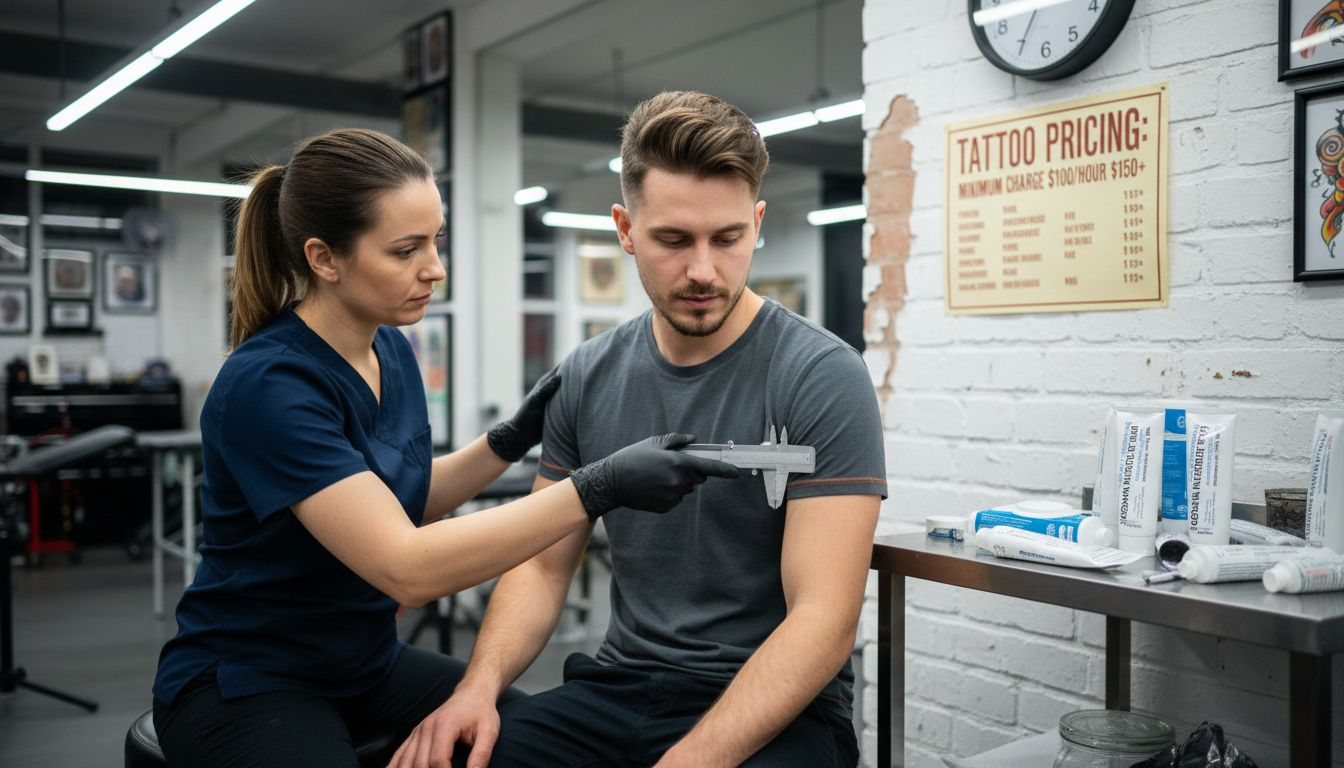
Individual variability accounts for up to 40% difference in numbing duration between people using identical products. Factors like age, hydration status, and genetic metabolism rates all play roles. This explains why two clients receiving the same cream application may report different experiences.
Concentration of key numbing ingredients directly correlates with duration. Higher concentrations of lidocaine in topical creams directly correlate with longer numbing durations, with 5% lidocaine creams providing up to 3 hours of effective analgesia. Going beyond 5% rarely extends duration proportionally and increases side effect risk.
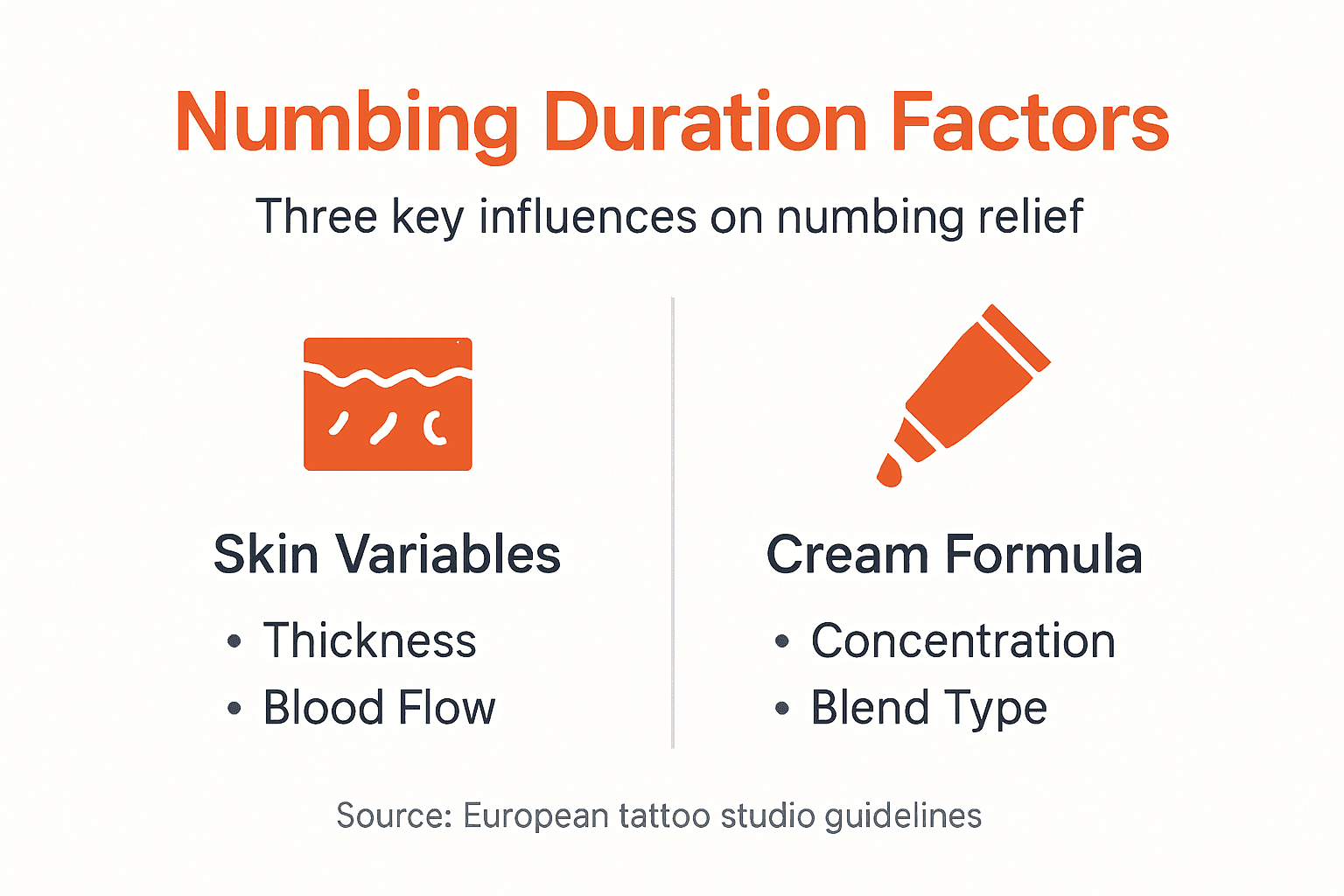
Synergistic ingredient blends improve both quality and length of numbing. Combining lidocaine, prilocaine, and tetracaine creates multiple mechanisms of action that reinforce each other. This approach delivers more consistent results across different skin types and conditions.
Application methods dramatically impact absorption and duration. Occlusive dressings trap moisture and heat, enhancing penetration by up to 60%. Simply covering the cream with plastic wrap after application extends its effectiveness significantly. The factors influencing numbing efficacy extend beyond just product choice.
Key application factors include:
- Proper skin cleansing removes oils that block absorption
- Uniform cream layer ensures even numbing across the tattoo area
- Occlusive covering with plastic wrap enhances penetration
- Adequate wait time allows full anesthetic penetration
- Room temperature affects absorption rates
Pro tip: Always prepare the skin properly by cleaning with alcohol wipes and drying thoroughly. Apply cream in a thick, even layer and cover with plastic wrap for the full recommended time. This simple technique can extend numbing duration by 30 to 45 minutes compared to uncovered application.
Common Misconceptions About Numbing Duration
Myth: Numbing creams work instantly upon application. Truth: topical anesthetics require 20 to 30 minutes to penetrate the skin and reach nerve endings. Rushing this process results in inadequate numbing and disappointed clients. The anesthetic molecules need time to diffuse through skin layers and bind to nerve receptors.
Myth: Applying more cream automatically extends numbing duration. Truth: despite beliefs, increasing the amount of cream beyond recommended levels does not extend numbing duration proportionally and may increase side effects risk by 15 to 25%. The skin can only absorb a certain amount of anesthetic in a given timeframe. Excess cream sits on the surface, wasted and potentially causing skin irritation.
Myth: All skin types experience identical numbing duration from the same product. Truth: absorption rates vary dramatically based on skin thickness, hydration, and individual physiology. Studies show up to 40% variation in numbing duration between individuals using identical application protocols. Thicker skin, common on backs and shoulders, requires longer onset time and may experience shorter duration.
Waiting the proper onset time is critical for session success. Starting tattooing before the cream fully activates causes unnecessary pain and may require stopping mid-session. This wastes everyone’s time and creates a poor client experience. Artists should always confirm with clients that numbness has set in before beginning work.
Over-application warnings deserve serious attention. Exceeding recommended doses increases systemic absorption, raising the risk of side effects like dizziness, irregular heartbeat, or allergic reactions. Following manufacturer guidelines protects client safety while delivering optimal results.
Common myths about numbing creams include:
- Believing stronger burning sensation means better numbing
- Thinking expired creams work just as well
- Assuming all numbing products are identical
- Expecting numbing to last through multi-day sessions
- Believing natural alternatives work as effectively as medical-grade formulations
Comparison of Popular Tattoo Numbing Creams
European tattoo artists have access to several clinically proven numbing creams, with TKTX and Dermacain leading the market. Understanding their differences helps artists and clients select the optimal product for specific needs. Both products deliver on their 3-hour numbing claims when applied correctly, but formulation differences create subtle variations in performance.
| Product | Active Ingredients | Concentration | Duration | Onset Time | Regulatory Status |
|---|---|---|---|---|---|
| TKTX | Lidocaine, Prilocaine, Tetracaine | Multi-agent blend | 3 hours | 20-30 min | EU compliant |
| Dermacain | Lidocaine, Prilocaine | High concentration | 3 hours | 25-35 min | EU approved |
| Standard 5% Lidocaine | Lidocaine only | 5% | 2 hours | 30-40 min | Widely available |
TKTX uses a triple-agent formula combining lidocaine, prilocaine, and tetracaine. This synergistic blend provides both rapid onset and extended duration. The inclusion of tetracaine, with its superior lipophilicity, contributes to the reliable 3-hour numbing window. Many European artists prefer TKTX for its consistent performance across different skin types.
Dermacain focuses on high concentrations of lidocaine and prilocaine without tetracaine. This two-agent approach still delivers excellent 3-hour numbing but with a slightly different sensation profile. Some clients report Dermacain feels gentler on sensitive skin. The TKTX vs Dermacain comparison reveals both excel in clinical testing.
Regulatory approval ensures safety and efficacy. Both TKTX and Dermacain meet European Medicines Agency standards for topical anesthetics. They undergo rigorous testing to verify their duration claims and safety profiles. Purchasing only approved products protects clients from counterfeit or substandard formulations that flood online markets.
Formulation differences impact practical use. TKTX’s thicker consistency makes it easier to apply in a controlled layer without running. Dermacain’s slightly thinner texture spreads more easily over larger areas. These subtle differences matter during actual application in busy studio environments.
Pro tip: Choose your numbing cream based on session length and client skin type. For sessions under 2 hours on normal skin, standard lidocaine works fine. For 2 to 3 hour sessions or sensitive skin, invest in TKTX or Dermacain. Review top numbing creams in Europe to understand all available options.
Practical Tips to Maximize Numbing Duration
Optimal application technique transforms adequate numbing into exceptional pain relief. Following these steps ensures clients experience the full 3-hour duration that quality products promise. Proper preparation and timing make the difference between a comfortable session and a painful ordeal.
- Clean the tattoo area thoroughly with alcohol wipes to remove oils, lotions, and debris that block absorption.
- Dry the skin completely and wait 2 to 3 minutes for any remaining alcohol to evaporate.
- Apply numbing cream in a thick, uniform layer covering the entire tattoo area plus 1 cm beyond the borders.
- Cover the cream with plastic wrap, pressing gently to eliminate air pockets and ensure full contact.
- Wait the full recommended time (usually 20 to 30 minutes) before removing the wrap and wiping away excess cream.
- Confirm numbness by gently touching the area with a clean tool before beginning tattooing.
Occlusive dressing significantly boosts both absorption and duration. The plastic wrap creates a moisture barrier that enhances penetration by up to 60%. This simple addition can extend effective numbing by 30 to 45 minutes. Never skip this step for long sessions.
Dosage and timing adherence protects both safety and effectiveness. Using more cream than recommended wastes product without extending duration. Starting tattooing before the onset period completes results in inadequate numbing. Patience during the waiting period pays off with comfortable clients.
Maintaining numbing during breaks requires strategic planning. For sessions exceeding 3 hours, plan a break at the 2.5 hour mark. During breaks, artists can apply a thin maintenance layer to areas showing reduced numbness. This technique extends overall session comfort without exceeding safe total dosages.
Communication with clients sets proper expectations. Explain the timeline clearly: application, waiting period, expected duration, and any planned reapplication. Clients who understand the process remain calmer and more cooperative. They appreciate the professional approach to their comfort. The artist application techniques article provides additional professional guidance.
Pro tip: Set a timer for the waiting period and show it to clients. This visible countdown reduces their anxiety about timing and prevents premature requests to start. Clear communication about the benefits of proper numbing cream use helps clients understand why waiting matters.
Safety, Regulations, and Guarantees in Europe
European regulations ensure topical anesthetics meet rigorous safety and efficacy standards before reaching tattoo studios. The European Medicines Agency oversees approval processes that verify active ingredient concentrations, duration claims, and safety profiles. Products lacking proper approval may contain incorrect concentrations or contaminated ingredients.
Clinical trial requirements mandate documented evidence supporting all marketing claims. When a cream advertises 3-hour numbing, manufacturers must provide clinical data proving this duration in controlled studies. These trials also identify potential side effects and contraindications that inform safe use guidelines.
Customer satisfaction guarantees from reputable brands demonstrate confidence in product performance. Quality manufacturers stand behind their duration claims with money-back policies. If a properly applied cream fails to deliver promised numbing, customers deserve refunds. This accountability separates professional-grade products from questionable alternatives.
Purchasing only legally approved creams minimizes health risks significantly. Counterfeit products flooding online marketplaces may contain dangerous concentrations or entirely different chemicals. These pose serious risks including allergic reactions, tissue damage, or systemic toxicity. Stick with established brands that provide regulatory documentation.
Key regulatory and safety considerations include:
- Verify products display EU compliance markings and certification numbers
- Check expiration dates before every use, as expired anesthetics lose potency
- Store creams according to manufacturer instructions to maintain stability
- Never mix different numbing products without professional guidance
- Report adverse reactions to both the manufacturer and health authorities
- Understand contraindications for clients with specific medical conditions
The legal safety of numbing creams in Europe provides detailed regulatory information. Artists should familiarize themselves with numbing cream regulations in their specific country, as some variations exist across EU member states.
Discover Effective Numbing Creams for Pain-Free Tattoos
You now understand the science behind numbing duration and how to maximize relief during tattoo sessions. Putting this knowledge into practice starts with choosing proven products that deliver consistent 3-hour numbing. TKTX cream combines the optimal blend of anesthetics discussed throughout this guide, providing reliable pain relief backed by clinical testing.

Explore detailed information about key ingredients in numbing creams to understand exactly what makes effective formulations work. Learn about different types of tattoo numbing creams to select the perfect option for your specific needs. Ready to experience guaranteed pain-free tattooing? Purchase TKTX cream with free shipping on orders over 30 euros and enjoy our satisfaction guarantee.
Frequently Asked Questions
How long does a typical 5% lidocaine numbing cream last during tattooing?
Typical 5% lidocaine formulations provide 2 to 3 hours of effective numbing when applied correctly with occlusive covering. Duration depends on skin thickness, application technique, and individual metabolism. Proper preparation and adequate waiting time ensure you achieve the full duration potential.
Can applying more numbing cream make it last longer?
No, exceeding recommended amounts does not extend numbing duration and increases side effect risk by 15 to 25%. Skin can only absorb a certain amount of anesthetic in a given timeframe. Always follow labeled dosage instructions for optimal safety and effectiveness.
What factors cause numbing duration to vary between people?
Skin thickness, blood flow to the area, and individual metabolism rates influence how long numbing lasts. These physiological differences can create up to 40% variation in duration between people using identical products. Proper application technique helps standardize results across different individuals.
How can tattoo artists maximize the effectiveness of numbing creams?
Prepare skin thoroughly by cleaning with alcohol and drying completely. Apply cream in a thick, even layer and cover with plastic wrap. Wait the full 20 to 30 minutes before starting work. Educate clients about timing expectations and confirm numbness before beginning tattooing.
Are TKTX and Dermacain creams safe and legal in all European countries?
Both TKTX and Dermacain meet European Medicines Agency standards and are legal throughout the EU when purchased from authorized distributors. Always verify products display proper EU compliance markings. Some countries may have specific additional requirements, so check local regulations in your area.


