

Over half of american adults report moderate to severe discomfort when getting a tattoo, sparking a growing interest in new pain relief solutions. Managing pain is a serious concern among both artists and clients, especially as larger and more complex tattoos become mainstream. With numbing creams and alternative pain relief methods rising in popularity, understanding the real differences can help you make smarter, more comfortable choices for your next session.
Table of Contents
- Numbing Creams Vs Pain Relief Methods Explained
- Types Of Tattoo Numbing Creams Available
- How Numbing Creams Work For Tattoos
- Comparing Numbing Creams To Other Pain Relief
- Safety Guidelines And Common Side Effects
- Legal And Regional Considerations In Europe
Key Takeaways
| Point | Details |
|---|---|
| Numbing creams offer targeted pain relief | Unlike systemic treatments, numbing creams minimize pain directly at the tattoo site, providing localized anesthetic effects. |
| Different formulations cater to various needs | Options include lidocaine-based, benzocaine, and combination creams, each suited for specific tattoo types and skin sensitivities. |
| Safety precautions are essential | Users should perform patch tests and consult professionals to avoid potential side effects and ensure suitable product use. |
| Regulations vary across regions | Compliance with local laws regarding the usage of numbing creams is crucial for both individuals and professionals in the tattoo industry. |
Numbing Creams vs Pain Relief Methods Explained
Tattoo enthusiasts understand that pain management is crucial during the tattooing process. While traditional pain relief methods like deep breathing and meditation have been popular, topical numbing creams have emerged as a game-changing solution for reducing discomfort. Recent systematic research examining dermal injury pain management demonstrates significant advancements in understanding how these products effectively minimize tattoo-related pain.
Numbing creams work through specialized ingredients that temporarily block nerve signals in the skin. Unlike traditional pain relief techniques, these topical solutions provide targeted, localized numbness specifically where the tattoo needle will contact the skin. The active compounds typically include lidocaine, prilocaine, or benzocaine - anesthetic agents that interrupt pain transmission at the nerve receptor level. By applying these creams before tattooing, individuals can substantially reduce the intense sensations associated with needle penetration.
Comparing numbing creams to alternative pain management approaches reveals several key advantages:
- Targeted Pain Reduction: Unlike systemic pain medications, numbing creams work precisely where applied
- Fast-Acting: Most creams become effective within 20-30 minutes of application
- Non-Invasive: No needles or injections required for pain management
- Minimal Side Effects: When used correctly, topical numbing agents have fewer complications compared to oral painkillers
For tattoo enthusiasts seeking a comfortable experience, understanding the science and benefits of numbing creams can transform the entire tattooing process from potentially painful to remarkably manageable.
Types of Tattoo Numbing Creams Available
Tattoo enthusiasts have multiple numbing cream varieties to choose from, each designed to provide targeted pain relief during the tattooing process. The primary categories include surface-level topical creams, advanced penetrating formulas, and specialized professional-grade solutions that cater to different skin sensitivities and tattoo locations.
The most common types of numbing creams can be categorized into three primary classifications:
-
Lidocaine-Based Creams: Fast-acting formulas containing 4-5% lidocaine concentration
- Best for short to medium tattoo sessions
- Rapid nerve signal blocking properties
- Suitable for most skin types
-
Benzocaine Formulations: Lighter density creams with mild numbing capabilities
- Ideal for smaller tattoo areas
- Less intense pain reduction
- Good for individuals with sensitive skin
-
Combination Numbing Creams: Advanced solutions mixing multiple anesthetic agents
- Longer-lasting pain management
- Comprehensive nerve desensitization
- Professional-grade performance
Professional tattoo artists often recommend testing numbing creams beforehand to understand individual skin reactions and determine the most effective product for personal comfort. Some creams work better for specific body areas, so experimenting with different formulations can help tattoo enthusiasts find their perfect pain management solution.
How Numbing Creams Work for Tattoos
Understanding the scientific mechanism behind numbing creams is crucial for tattoo enthusiasts seeking effective pain management. Advanced pharmacological research reveals that these specialized topical anesthetics interrupt nerve signal transmission through complex biochemical interactions. Nerve blocking occurs at the cellular level, temporarily preventing pain receptors from communicating discomfort to the brain during tattoo procedures.
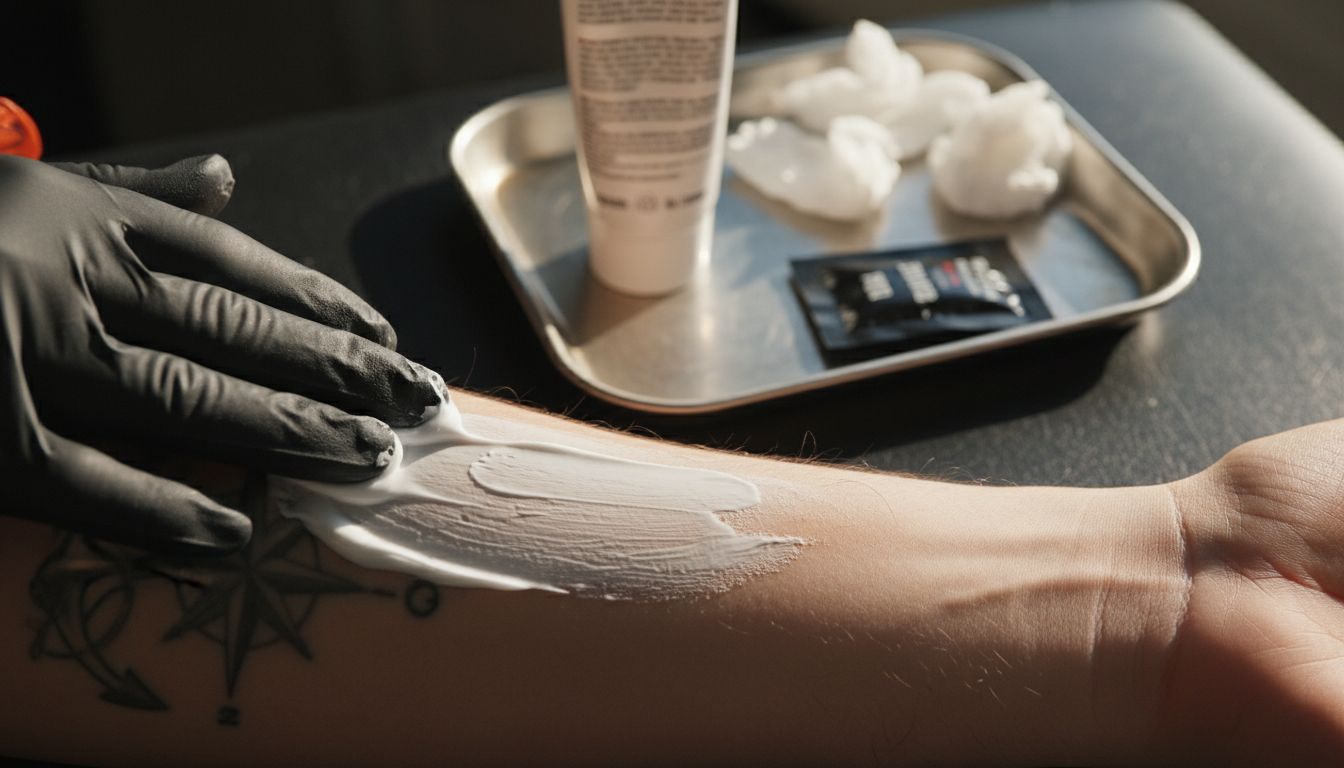
The primary active ingredients in numbing creams, such as lidocaine and prilocaine, function by strategically interrupting sodium channel mechanisms in nerve cells. Topical analgesic mechanisms demonstrate how these compounds temporarily stop nerve impulses from generating pain sensations. When applied to the skin, these agents create a localized numbness that significantly reduces the intense sensations associated with tattoo needle penetration.
Key steps in the numbing cream pain management process include:
-
Skin Penetration: Active ingredients absorb through the epidermal layer
- Rapid molecular dispersion
- Targeted nerve receptor engagement
-
Nerve Signal Interruption: Blocking sodium channels prevents pain transmission
- Immediate sensory desensitization
- Temporary nerve function modification
-
Duration Control: Cream effectiveness varies based on concentration
- Typically lasts 1-3 hours
- Precise application determines effectiveness
For tattoo enthusiasts, understanding these scientific principles helps make informed decisions about pain management. The right numbing cream can transform a potentially uncomfortable experience into a more bearable and enjoyable tattoo session.
Comparing Numbing Creams to Other Pain Relief
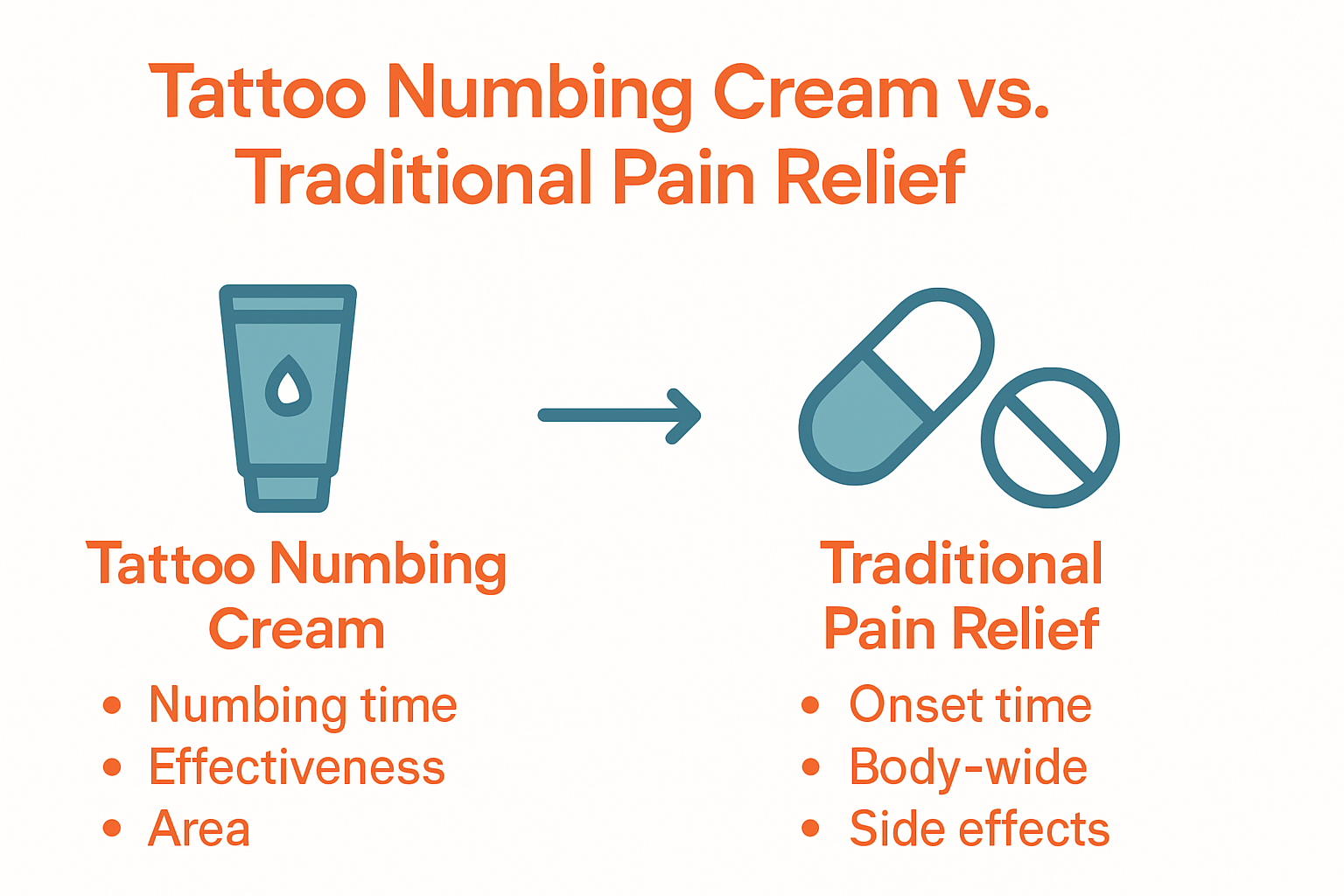
Systematic research on pain management techniques reveals that topical numbing creams offer distinct advantages over traditional pain relief methods. Targeted pain management has become increasingly sophisticated, with numbing creams providing a localized approach that differentiates them from systemic pain solutions used in tattoo experiences.
Traditional pain relief methods each come with unique limitations that numbing creams effectively address. Oral pain medications, while widely used, typically involve entire-body chemical intervention and potential side effects. In contrast, topical numbing creams provide precise, localized pain reduction with minimal systemic impact. The key differences emerge in several critical areas:
-
Application Method
- Numbing Creams: Direct topical application
- Oral Medications: Systemic absorption
- Alternative Methods: Varied approaches (injections, patches)
-
Pain Management Effectiveness
- Numbing Creams: Targeted nerve signal blocking
- Oral Painkillers: Generalized pain reduction
- Meditation/Breathing: Psychological pain management
-
Duration of Relief
- Numbing Creams: 1-3 hours of localized numbness
- Oral Medications: Longer-lasting but less precise
- Alternative Techniques: Variable effectiveness
For tattoo enthusiasts seeking the most effective pain management, numbing creams represent a revolutionary approach. They offer a precise, minimally invasive solution that addresses pain directly at the source, transforming the tattoo experience from potentially uncomfortable to remarkably bearable.
Safety Guidelines and Common Side Effects
Topical analgesic safety profiles demonstrate that while numbing creams are generally safe, users must understand potential risks and proper application techniques. Skin sensitivity plays a crucial role in determining individual reactions to these specialized pain management products, making careful preparation and application essential for tattoo enthusiasts.
The most common side effects associated with numbing creams include localized skin reactions that typically resolve quickly. Potential concerns range from mild to moderate and may manifest as:
-
Temporary Skin Reactions
- Mild redness
- Slight tingling sensation
- Brief skin irritation
- Temporary numbness beyond intended area
-
Potential Allergic Responses
- Skin rash
- Localized swelling
- Itching at application site
- Increased skin sensitivity
-
Rare but Serious Complications
- Allergic dermatitis
- Systemic absorption issues
- Potential nerve sensitivity
- Interaction with existing skin conditions
To minimize risks, tattoo enthusiasts should always perform a small patch test 24 hours before full application, consult with professional tattoo artists, and disclose any existing skin sensitivities or medical conditions. Proper application technique, adherence to recommended dosage, and understanding individual skin responses are critical to ensuring a safe and comfortable tattoo experience.
Legal and Regional Considerations in Europe
Regional pain management strategies reveal significant variations in regulatory approaches to numbing creams across European countries. Regulatory compliance remains a critical consideration for tattoo enthusiasts and professionals navigating the complex landscape of topical anesthetic usage, with each nation maintaining unique guidelines for product application and distribution.
European regulations surrounding numbing creams typically focus on three key areas of concern:
-
Product Registration
- Strict pharmaceutical approval processes
- Mandatory ingredient transparency
- Regional certification requirements
- Quality control standards
-
Usage Restrictions
- Age limitations for purchase
- Professional application guidelines
- Concentration limits for active ingredients
- Prescription requirements in some jurisdictions
-
Medical Oversight
- Professional consultation recommendations
- Documentation of medical history
- Allergy screening protocols
- Consent documentation for specialized procedures
Comprehensive pain management research indicates that while regulations vary, most European countries prioritize patient safety and professional standards. Tattoo enthusiasts should always consult local regulations, verify product certifications, and work closely with licensed professionals to ensure compliance and minimize potential legal complications.
Discover the Ultimate Solution for Pain-Free Tattoos
If you are concerned about the discomfort and pain during your tattoo sessions discussed in the article, especially the challenge of managing intense needle sensations targeted by numbing creams like lidocaine or combination formulas then you need a reliable solution that guarantees relief. Pain relief that is fast acting, safe, and specifically designed for tattoos can make all the difference. Our TKTX and Dermacain tattoo numbing creams offer exactly that by ensuring up to 3 hours of effective, localized numbness for a smooth, pain free tattoo experience.

Ready to transform your tattoo experience? Visit our website and choose from top rated numbing creams trusted across Europe. We promise customer satisfaction with a money back guarantee if you are not happy, plus enjoy free shipping on orders over 30 Euro. Don’t let pain hold you back when a comfortable session is just a few clicks away. Explore the science of pain relief and order the best numbing creams now at buytktx.online. Get started with easy, effective tattoo pain management today.
Frequently Asked Questions
What are numbing creams and how do they work for tattoos?
Numbing creams are topical anesthetics that contain active ingredients like lidocaine or prilocaine. They work by temporarily blocking nerve signals in the skin, providing localized numbness specifically where the tattoo needle will make contact, thus reducing pain during the tattooing process.
How long does it take for numbing creams to start working?
Most numbing creams become effective within 20-30 minutes of application. It’s important to apply them in advance to ensure optimal pain relief during your tattoo session.
Are there any side effects associated with using numbing creams?
Common side effects of numbing creams may include mild redness, temporary tingling, or slight skin irritation. In rare cases, users might experience allergic reactions or complications, making it essential to perform a patch test before full application.
What are the different types of numbing creams available for tattoos?
Tattoo numbing creams can generally be classified into three types: lidocaine-based creams (fast-acting), benzocaine formulations (lighter density for small areas), and combination creams that mix multiple anesthetic agents for longer-lasting effects. Each type serves specific needs depending on the tattoo size and location.