

Finding truly effective, pain-free solutions for tattoos can be a challenge for enthusiasts and artists across Central Europe. With so many numbing creams available, understanding their active anesthetic agents and supporting ingredients makes all the difference in comfort and results. This guide highlights how each key ingredient works, why quality matters for both relief and skin health, and what ensures you walk away satisfied and ready to show off your new art.
Table of Contents
- Numbing Cream Ingredients And Their Role
- Types Of Anesthetics In Tattoo Creams
- How Lidocaine, Prilocaine, And Epinephrine Work
- Comparing Tktx And Dermacain Formulas
- Safety, Side Effects, And Legal Status
- Common Myths About Numbing Creams
Key Takeaways
| Point | Details |
|---|---|
| Numbing Cream Ingredients Matter | Active agents like Lidocaine and Prilocaine effectively block pain signals, while inactive ingredients enhance skin comfort. |
| Anesthetic Types Vary in Function | Lidocaine, Benzocaine, and Prilocaine offer varying speeds and durations of pain relief based on individual needs. |
| Safety and Regulation Are Critical | Users should understand potential side effects and check FDA regulations for safe ingredient concentrations. |
| Myths Surround Numbing Cream Use | Many believe numbing creams work instantly, but they typically require 20-60 minutes for full effect before use. |
Numbing Cream Ingredients and Their Role
Numbing creams function through sophisticated formulations designed to interrupt pain signals during tattoo procedures. Pharmaceutical research shows these specialized topical treatments contain complex ingredient combinations that deliver targeted pain relief.
The effectiveness of numbing creams depends on two primary ingredient categories: active anesthetic agents and inactive supporting ingredients. Active ingredients like lidocaine directly block nerve signals, while inactive components enhance overall cream performance.
Key active ingredients in numbing creams include:
- Lidocaine: Primary nerve signal blocker
- Prilocaine: Secondary local anesthetic
- Benzocaine: Surface-level pain suppressor
Inactive ingredients play crucial supporting roles, such as:
- Moisturizing agents: Improve skin hydration
- Emollients: Enhance skin barrier function
- Plant extracts: Provide soothing properties
Detailed scientific studies demonstrate that inactive ingredients significantly influence a numbing cream’s clinical effectiveness. Proper formulation determines not just pain reduction but also skin conditioning during medical and cosmetic applications.
Here’s a quick reference table summarizing the roles of major numbing cream ingredients:
| Ingredient Type | Example Ingredient | Main Role in Cream | Additional Benefit |
|---|---|---|---|
| Active Anesthetic | Lidocaine | Blocks pain signals | Fast relief for tattoo pain |
| Active Anesthetic | Prilocaine | Reduces nerve sensitivity | Lower allergy risk |
| Active Anesthetic | Benzocaine | Surface-level numbing | Best for minor areas |
| Inactive Supporting | Emollients | Enhances skin protection | Reduces irritation |
| Inactive Supporting | Plant Extracts | Calms and soothes skin | May lower redness |
Pro tip: Always consult with your tattoo artist about recommended numbing cream ingredients to ensure compatibility with your specific skin type and tattoo procedure.
Types of Anesthetics in Tattoo Creams
Market research on numbing creams reveals three primary anesthetic compounds dominating tattoo numbing cream formulations: lidocaine, benzocaine, and prilocaine. Each of these topical anesthetics offers unique characteristics that determine their effectiveness in pain management during tattoo procedures.
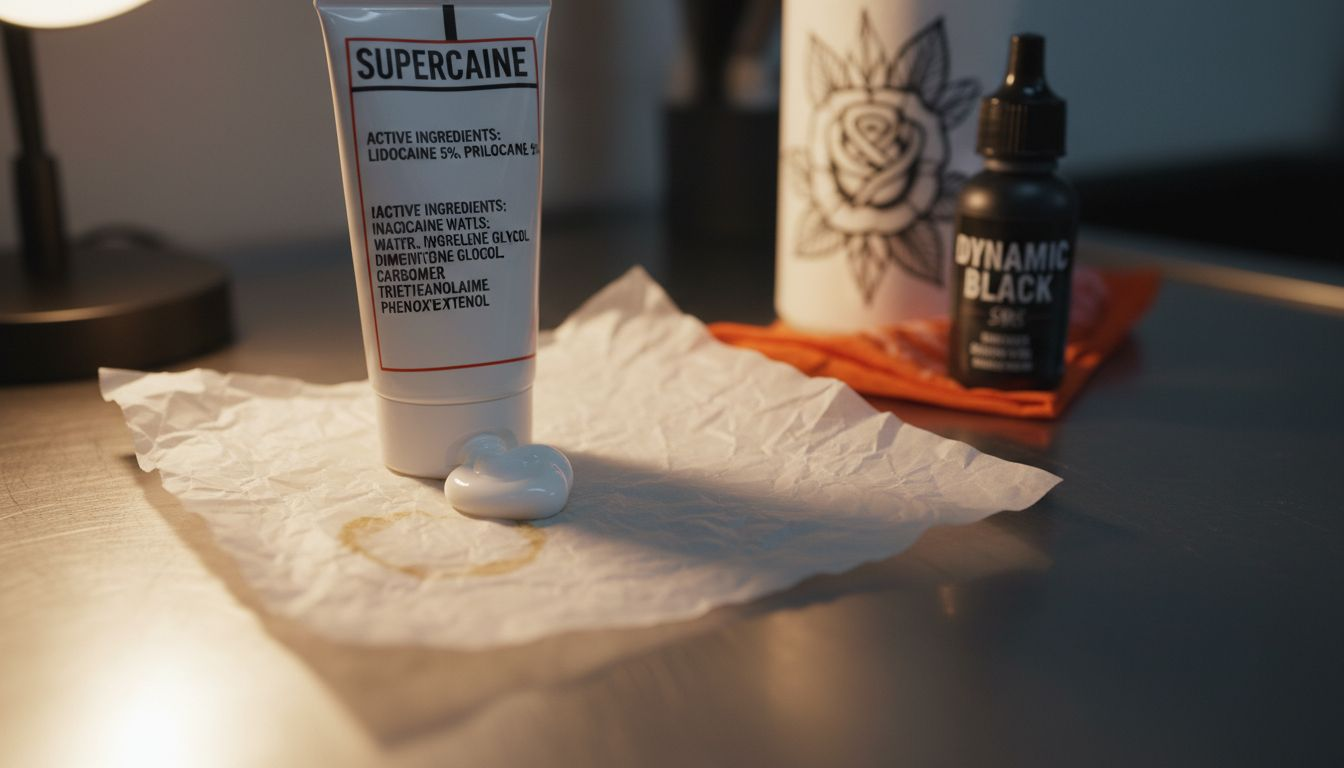
Lidocaine stands out as the most widely used anesthetic, known for its rapid onset and moderate duration of numbness. Tattoo clients appreciate its quick action and reliable pain suppression capabilities.
Key characteristics of primary tattoo cream anesthetics include:
-
Lidocaine:
- Fastest onset time
- Moderate duration of effect
- Most commonly used anesthetic
-
Benzocaine:
- Surface-level numbing
- Shorter duration
- Best for minor, smaller tattoo areas
-
Prilocaine:
- Moderate pain blocking
- Slower absorption rate
- Lower risk of allergic reactions
The selection of an appropriate anesthetic depends on several factors such as individual pain tolerance, tattoo size, and personal skin sensitivity. Professional tattoo artists often recommend specific formulations based on the client’s unique needs and the characteristics of the planned tattoo.
Different anesthetics provide varied levels of pain management, making it crucial to understand their specific properties before application.
Pro tip: Always perform a small patch test with your chosen numbing cream to check for potential skin reactions before full tattoo application.
How Lidocaine, Prilocaine, and Epinephrine Work
Topical anesthetic mechanisms reveal a sophisticated neurological process that temporarily blocks pain signals during tattoo procedures. These specialized compounds interact with nerve cell membranes to prevent pain transmission, offering clients a more comfortable tattoo experience.
Lidocaine and Prilocaine function through a precise neurological intervention by blocking sodium channels in nerve cell membranes. This blockage prevents nerve impulse transmission, effectively stopping pain signals before they can reach the brain.
Key mechanisms of each anesthetic compound include:
-
Lidocaine:
- Rapidly blocks sodium channels
- Provides quick pain relief
- Most widely used anesthetic
-
Prilocaine:
- Slower absorption rate
- Reduced systemic toxicity
- Lower risk of allergic reactions
-
Epinephrine:
- Constricts blood vessels
- Prolongs anesthetic effect
- Reduces potential bleeding
The interaction between these compounds creates a sophisticated pain management strategy. Epinephrine plays a crucial role by constricting blood vessels, which slows the absorption of anesthetics and extends their numbing effect during tattoo application.
The precise neurological blocking mechanism ensures temporary pain suppression without causing long-term nerve damage.
Pro tip: Consult with your tattoo artist about the specific numbing cream formulation to understand its exact pain management characteristics and potential skin interactions.
Comparing TKTX and Dermacain Formulas
Numbing cream market analysis reveals significant differences between TKTX and Dermacain in their approach to tattoo pain management. Each formula offers unique characteristics designed to provide optimal comfort and pain reduction during tattoo procedures.
TKTX stands out with a multi-anesthetic approach, combining three key compounds: lidocaine, benzocaine, and tetracaine. This strategic blend allows for rapid and deep numbness that many tattoo enthusiasts prefer for longer or more intricate tattoo sessions.
Key comparative features include:
-
TKTX Formula:
- Multi-anesthetic composition
- Faster onset of numbness
- Broader pain coverage
- Longer-lasting effect
-
Dermacain Formula:
- Primarily lidocaine-based
- More focused on skin protection
- Gentler for sensitive skin
- Shorter duration of numbness
The primary distinctions between these numbing creams lie in their ingredient concentrations and additional skin-conditioning components. While TKTX emphasizes comprehensive pain blocking, Dermacain prioritizes a more targeted approach with fewer additives.
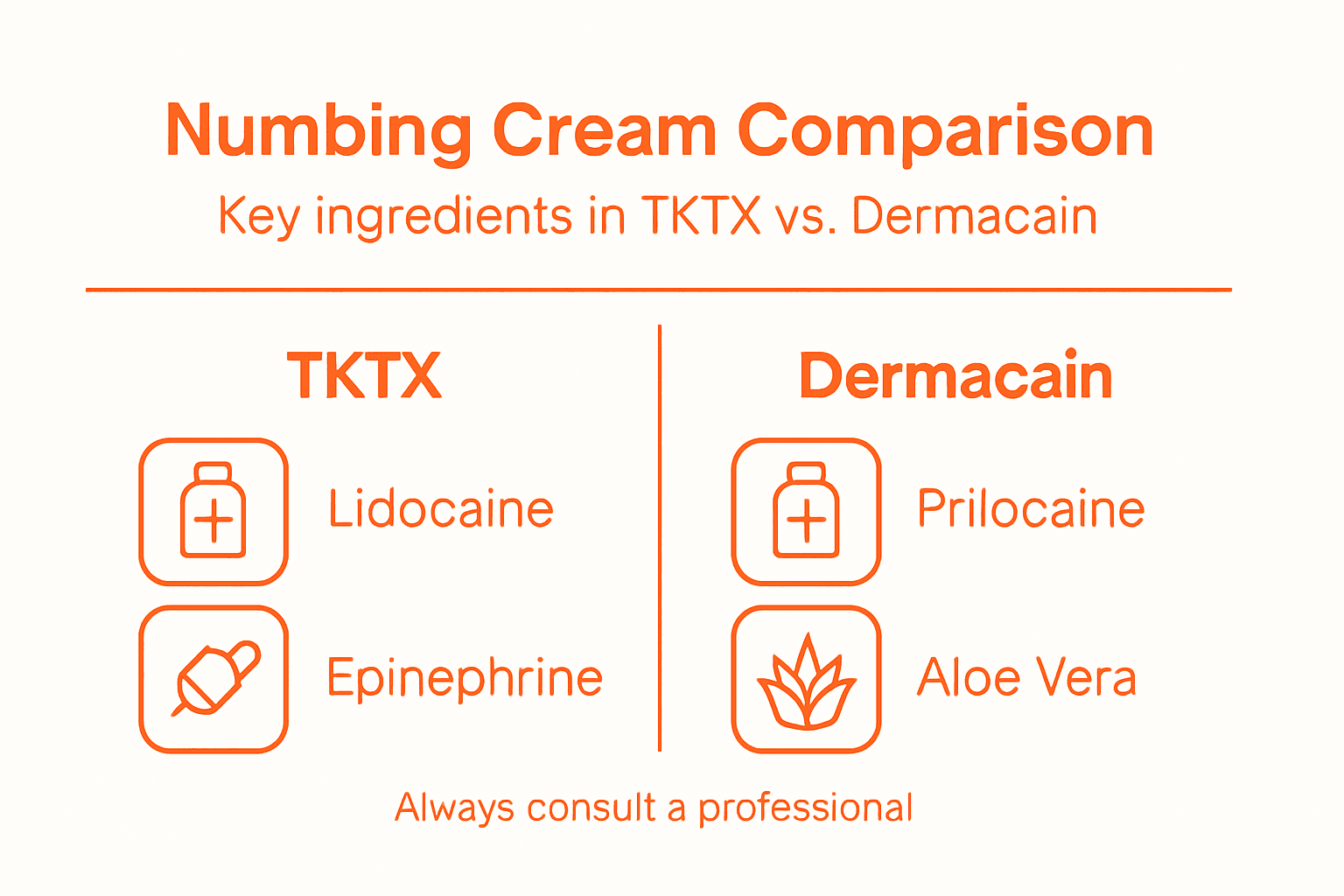
To help choose the best numbing cream formula, here’s a comparison of TKTX and Dermacain:
| Feature | TKTX Formula | Dermacain Formula |
|---|---|---|
| Anesthetics Used | Lidocaine, Benzocaine, Tetracaine | Lidocaine only |
| Numbing Depth | Deep and long-lasting | Gentle and short duration |
| Skin Sensitivity | Suitable for most skin | Preferred for sensitive skin |
| Application Focus | Large and complex tattoos | Small or delicate tattoos |
Selecting the right numbing cream depends on individual pain tolerance, tattoo complexity, and personal skin sensitivity.
Pro tip: Consult with your tattoo artist about your specific skin type and pain threshold to determine which numbing cream formula will provide the most comfortable experience.
Safety, Side Effects, and Legal Status
Regulatory guidelines for numbing creams emphasize the critical importance of understanding potential risks and legal considerations associated with topical anesthetic products. Tattoo clients must be aware of safety protocols to ensure a safe and comfortable experience.
Numbing creams contain active ingredients that carry potential side effects when not used correctly. These may include:
- Allergic reactions
- Skin irritation
- Potential systemic toxicity
- Localized inflammation
- Temporary skin discoloration
Legal regulations surrounding numbing creams vary across different regions, with strict guidelines governing active ingredient concentrations and product labeling. In the United States, the FDA closely monitors these products to ensure consumer safety and proper usage.
Key safety considerations include:
- Always check ingredient compatibility with your skin
- Perform a patch test before full application
- Follow recommended dosage instructions
- Consult with healthcare professionals if you have sensitive skin
- Avoid using on broken or damaged skin
Proper application and understanding of numbing cream ingredients are crucial for safe and effective pain management during tattoo procedures.
Pro tip: Request a consultation with your tattoo artist or a dermatologist to review your specific skin sensitivities and potential risks before using any numbing cream.
Common Myths About Numbing Creams
Scientific research on numbing creams debunks several widespread misconceptions about their effectiveness and safety. Understanding the truth behind these myths helps tattoo clients make informed decisions about pain management during their procedures.
Popular myths about numbing creams often stem from misunderstandings about their biological mechanisms and performance. Instant pain relief is perhaps the most common misconception, with many clients believing these creams work immediately upon application.
Key myths and their scientific explanations include:
-
Myth: Numbing creams work instantly
- Reality: Require 20-60 minutes for full effectiveness
- Dependent on active ingredient concentration
-
Myth: Creams cause permanent numbness
- Reality: Effects are temporary and reversible
- Nerve function returns naturally after metabolization
-
Myth: All numbing creams are identical
- Reality: Formulations vary significantly
- Different ingredients produce different pain management results
The complexity of topical anesthetics goes far beyond simple surface-level assumptions. Each numbing cream contains a unique blend of ingredients designed to interact with nerve receptors in specific ways.
Understanding the science behind numbing creams empowers tattoo clients to make safer, more informed choices about pain management.
Pro tip: Always read the instructions carefully and allow sufficient time for the numbing cream to take full effect before your tattoo session.
Discover Effective Pain Relief with Expert-Formulated Tattoo Numbing Creams
Understanding the specific roles of anesthetics like lidocaine, benzocaine, and prilocaine in numbing creams is essential for anyone preparing for a tattoo session. If you want to avoid the discomfort that often comes with tattooing, choosing a trusted product that guarantees effective pain relief for up to 3 hours is critical. Whether you have sensitive skin or need a powerful blend, knowing the chemistry behind your numbing cream helps you make the best choice.

Take control of your tattoo experience today by choosing from our premium range of TKTX and Dermacain creams at https://buytktx.online. Enjoy free shipping on orders over 30 Euro across Europe and benefit from our satisfaction guarantee. Don’t let pain hold you back. Visit our site now to find the perfect formula for your skin type and tattoo needs and ensure a smooth, comfortable tattoo process. Learn more about the powerful ingredients and why our customers trust these top brands in tattoo pain relief by exploring TKTX products and Dermacain options. Act now for a pain-free tattoo journey.
Frequently Asked Questions
What are the main active ingredients in numbing creams for tattoos?
The primary active ingredients in numbing creams for tattoos include lidocaine, prilocaine, and benzocaine. Lidocaine is the most commonly used for its rapid onset and moderate duration of pain relief, while prilocaine and benzocaine serve as secondary options for localized numbing.
How do numbing creams work during tattoo procedures?
Numbing creams work by blocking pain signals in the nerves, specifically through the action of active anesthetic agents like lidocaine and prilocaine. These agents temporarily prevent nerve impulse transmission, allowing for a more comfortable tattoo experience.
What are the potential side effects of using numbing creams?
Potential side effects of using numbing creams include allergic reactions, skin irritation, localized inflammation, and temporary skin discoloration. It’s important to perform a patch test to check for skin compatibility before full application.
How do TKTX and Dermacain compare in terms of effectiveness?
TKTX offers a multi-anesthetic formula providing deeper and longer-lasting numbness, while Dermacain is primarily lidocaine-based and focuses more on skin protection with a gentler approach for sensitive skin. The choice depends on individual pain tolerance and the complexity of the tattoo.