

Most tattoo clients in Central Europe rank comfort as a top priority during long tattoo sessions. Studies show that over 60 percent of American and European tattoo enthusiasts experience moderate to severe pain that can impact both the tattoo process and overall satisfaction. For tattoo artists and their clients, finding quality pain relief that meets strict European safety standards makes all the difference. This article highlights effective analgesic options, expert techniques, and the legal landscape so you can confidently choose solutions that elevate both comfort and tattoo quality.
Table of Contents
- What Are Analgesics in Tattooing?
- Types of Tattoo Numbing Creams Explained
- How Pain Relief Creams Work for Tattoos
- Safety Standards and Legal Status in Europe
- Proper Application and Common Mistakes
Key Takeaways
| Point | Details |
|---|---|
| Analgesics Enhance Tattoo Comfort | Specialized pain management substances, like topical creams and injectables, are essential for reducing discomfort during tattoo procedures. |
| Understanding Numbing Creams | Lidocaine, prilocaine, benzocaine, and tetracaine are primary numbing agents, each with specific onset times and durations that tattoo artists recommend based on client needs. |
| Proper Application is Crucial | Correctly applying numbing cream in a thin, even layer 30-45 minutes prior to tattooing is essential for optimal effectiveness and comfort. |
| Regulatory Compliance is Key in Europe | Pain relief creams must meet stringent safety regulations in Europe, ensuring they are tested and certified for consumer protection in tattoo procedures. |
What Are Analgesics in Tattooing?
Analgesics represent specialized pain management substances designed to reduce or eliminate discomfort during tattoo procedures. Clinical research examining pain management approaches demonstrates that these medications play a critical role in creating more comfortable tattoo experiences for clients.
These pain-relieving substances come in multiple forms, including topical creams, oral medications, and injectable solutions. Topical analgesics are particularly popular among tattoo enthusiasts, as they can be applied directly to the skin before and during tattooing to numb specific areas. Systematic studies on tattoo pain management indicate that different analgesic types interact uniquely with an individual’s pain threshold and nervous system responses.
Analgesics function through several key mechanisms to interrupt pain signals. They work by blocking nerve receptors, reducing inflammation, or disrupting neural pathways that transmit pain sensations. Some target peripheral nerve endings, while others impact central nervous system processing, providing comprehensive pain management strategies for tattoo clients seeking a more comfortable experience.
Pro tip: Always consult with your tattoo artist and a healthcare professional before using any analgesic to ensure compatibility with your specific skin type and tattoo procedure.
Types of Tattoo Numbing Creams Explained
Tattoo numbing creams represent sophisticated pain management solutions designed to minimize discomfort during tattoo procedures. Comprehensive topical anesthetic research reveals multiple chemical compounds that effectively reduce pain sensations across different skin types and tattoo styles.
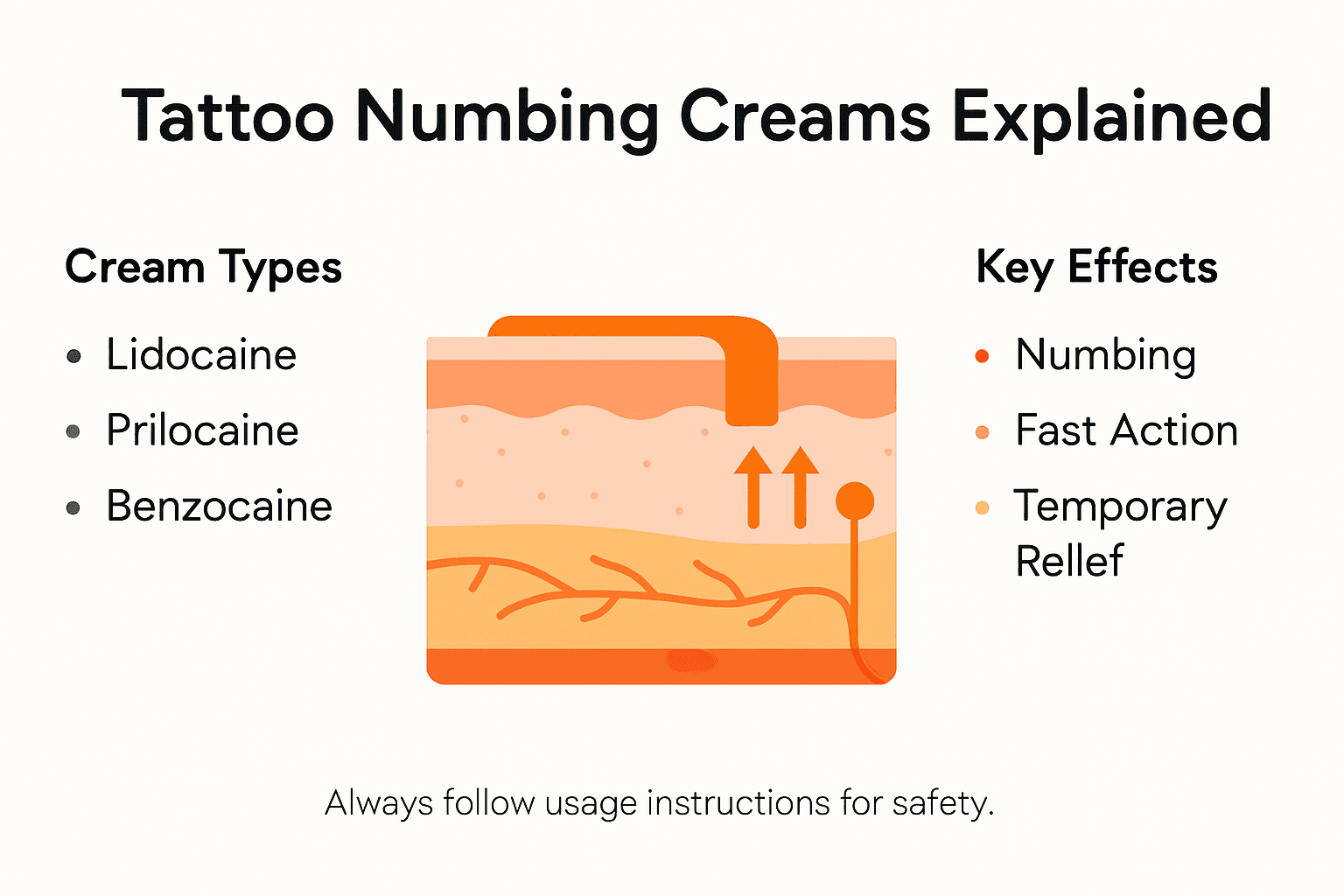
The primary types of tattoo numbing creams include lidocaine, prilocaine, benzocaine, and tetracaine. Each compound offers unique characteristics in pain reduction. Lidocaine, for instance, provides rapid onset and medium-duration numbing, making it popular among tattoo artists. Prilocaine offers slightly longer protection with reduced risk of allergic reactions, while benzocaine works quickly but provides shorter pain relief. Tetracaine stands out for its potent numbing capabilities, particularly useful for larger or more sensitive tattoo areas.
These numbing agents function by temporarily blocking nerve signal transmissions in the skin. They interact with nerve receptors, creating a localized anesthetic effect that prevents pain signals from reaching the brain. This mechanism allows tattoo clients to experience significantly reduced discomfort during intricate or extensive tattoo sessions. Professional tattoo artists often recommend specific numbing cream types based on individual client sensitivity, tattoo location, and anticipated pain levels.
Here’s a comparison of common tattoo numbing cream ingredients and their properties:
| Ingredient | Onset Speed | Duration of Effect | Notable Advantages |
|---|---|---|---|
| Lidocaine | Rapid (20 min) | Medium (60-90 min) | Suitable for most skin types |
| Prilocaine | Moderate (30 min) | Longer (up to 120 min) | Lower allergic reaction risk |
| Benzocaine | Fast (10-15 min) | Short (30-45 min) | Quick-acting, easy absorption |
| Tetracaine | Slow (30-45 min) | Longest (up to 180 min) | Highly potent, deep numbing |
Pro tip: Always perform a small skin patch test with your chosen numbing cream 24 hours before your tattoo appointment to check for potential allergic reactions or skin sensitivities.
How Pain Relief Creams Work for Tattoos
Comprehensive studies of local anesthetic mechanisms reveal the intricate scientific process behind pain relief creams used in tattooing. These specialized topical treatments function through a sophisticated neurological intervention that temporarily disrupts pain signal transmission in the skin, providing critical comfort during tattoo procedures.
The primary mechanism of action involves sodium channel blocking. Pain relief creams contain active ingredients that specifically target nerve cell membranes, preventing sodium ions from generating electrical impulses. By interrupting these neural pathways, the creams create a localized numbness that significantly reduces sensory perception. Detailed neurological research demonstrates how these anesthetic agents effectively prevent pain signals from reaching the brain, allowing tattoo artists to work more precisely and clients to experience minimal discomfort.
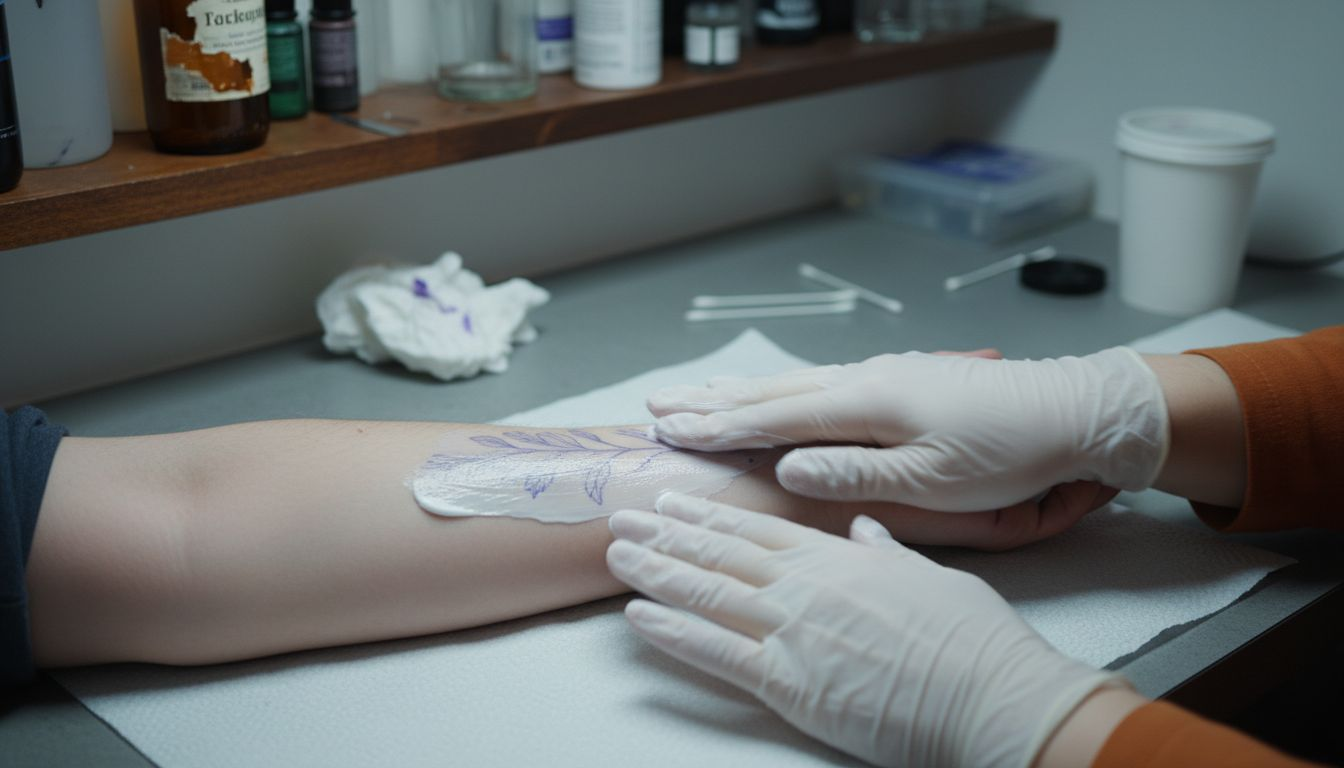
Different pain relief creams utilize various chemical compounds to achieve this neurological blockade. Some creams use lidocaine, which rapidly penetrates nerve cell membranes, while others employ prilocaine or benzocaine with slightly different molecular structures. The effectiveness depends on factors like cream concentration, application technique, and individual skin sensitivity. Professional tattoo artists often recommend specific formulations based on the tattoo’s location, size, and the client’s pain tolerance.
Pro tip: Apply pain relief cream in a thin, even layer approximately 30-45 minutes before your tattoo session to ensure maximum numbing effect and optimal skin preparation.
Safety Standards and Legal Status in Europe
Comprehensive regulatory discussions from the Second International Conference on Tattoo Safety reveal the complex legal landscape surrounding pain relief creams and numbing products in European markets. The regulatory environment in Central Europe has evolved significantly, with stringent consumer protection laws designed to ensure the safety and quality of topical anesthetic products used during tattoo procedures.
European regulations mandate rigorous testing and certification for pain relief creams before they can be legally marketed. These standards focus on multiple critical aspects, including chemical composition, potential side effects, application guidelines, and potential interactions with skin types. Manufacturers must provide detailed documentation proving the product’s safety, including comprehensive toxicological assessments and clinical trial results. Different countries within the European Union may have slight variations in their specific regulatory requirements, creating a nuanced legal framework that prioritizes consumer health and safety.
The legal status of numbing creams varies across European jurisdictions, with some countries implementing more strict controls than others. Professional tattoo artists must navigate these complex regulations, ensuring they only use approved products that meet national and European Union standards. Key considerations include ingredient transparency, concentration limits for active anesthetic compounds, and mandatory warning labels about potential allergic reactions or contraindications. Some countries require additional professional certifications for tattoo artists using numbing creams, emphasizing the importance of proper application and understanding of these specialized products.
Pro tip: Always request and verify the official certification and safety documentation for any numbing cream before use, ensuring full compliance with European safety regulations.
Proper Application and Common Mistakes
Scientific guidelines for topical analgesic application reveal critical insights into the precise techniques required for effective pain relief cream usage during tattoo procedures. Understanding the nuanced application process is essential for achieving optimal numbing results while minimizing potential risks.
The application process involves several key steps that many inexperienced users frequently misunderstand. First, the cream must be applied in a uniform, thin layer approximately 30-45 minutes before the tattoo session. Common mistakes include over-application, which can lead to excessive skin saturation, or under-application, resulting in incomplete pain coverage. Tattoo artists recommend creating a consistent layer about 2-3 millimeters thick, ensuring complete and even coverage of the intended tattoo area. Users should also avoid rubbing the cream aggressively, instead gently spreading it to maintain the cream’s active ingredient integrity.
Most pain relief creams require specific environmental and skin preparation conditions to maximize effectiveness. Factors such as skin cleanliness, temperature, and individual skin sensitivity significantly impact the numbing cream’s performance. Individuals with sensitive skin or allergies must conduct preliminary patch tests at least 24 hours before the tattoo appointment. Additionally, certain medications, skin conditions, or recent sun exposure can alter the cream’s absorption and effectiveness. Professional tattoo artists often recommend consulting with a healthcare professional to understand individual skin characteristics and potential interaction risks.
Here is a summary of factors affecting pain relief cream effectiveness:
| Factor | Impact on Cream Performance | Expert Recommendation |
|---|---|---|
| Skin Cleanliness | Enhances absorption | Clean skin thoroughly beforehand |
| Application Thickness | Influences numbing coverage | Apply evenly, 2-3 mm layer |
| Skin Sensitivity | Alters response to ingredients | Patch test recommended |
| Environmental Temperature | Can change absorption rate | Use in moderate room temperature |
Pro tip: Wrap the numbed area with medical-grade plastic wrap after application to enhance cream absorption and extend the numbing effect during your tattoo session.
Achieve a Pain-Free Tattoo Experience with Trusted Numbing Creams
The article explains the challenges of managing pain during tattooing by using analgesics like lidocaine and tetracaine for effective numbing. If you want to avoid discomfort and have a smooth tattoo session guaranteed for up to three hours, choosing the right pain relief cream is essential. Our TKTX and Dermacain creams are formulated to block pain signals safely and reliably, matching the scientific standards discussed. With sensitivities and application techniques in mind, these creams provide consistent results for clients all across Europe.

Don’t let pain hold you back from getting your desired ink. Visit TKTX and Dermacain Numbing Creams to explore our premium products, enjoy free shipping on orders over 30 Euro, and take advantage of our satisfaction guarantee with easy returns. Start your journey toward a comfortable and confident tattoo experience today at https://buytktx.online.
Frequently Asked Questions
What are analgesics in tattooing?
Analgesics are specialized pain management substances used during tattoo procedures to reduce or eliminate discomfort. They come in various forms, including topical creams, oral medications, and injectable solutions, with topical analgesics being the most popular among tattoo enthusiasts.
How do tattoo numbing creams work?
Tattoo numbing creams work by temporarily blocking nerve signal transmissions in the skin. They contain active ingredients such as lidocaine, prilocaine, benzocaine, or tetracaine, which create a localized anesthetic effect and significantly reduce pain sensations during tattooing.
What are the different types of tattoo numbing creams?
The primary types of tattoo numbing creams are lidocaine, prilocaine, benzocaine, and tetracaine. Each has its unique characteristics, such as onset speed and duration of effect, affecting their suitability for various skin types and tattoo styles.
How should I apply pain relief cream for the best results?
To achieve optimal numbing results, apply the cream in a thin, even layer about 30-45 minutes before your tattoo session. Avoid over-application or under-application, and consider wrapping the area with medical-grade plastic wrap to enhance absorption during your tattoo session.