

Most tattoo enthusiasts in Central Europe know that even experienced American artists rely on numbing creams for long sessions. Pain during tattooing is a real concern that can hold many people back from getting the designs they want. With over 60 percent of people reporting moderate to severe discomfort during tattoo procedures, finding effective pain relief solutions is more important than ever. This guide clears up how numbing creams work, what ingredients to look for, and why a comfortable tattoo experience is absolutely possible.
Table of Contents
- What Are Tattoo Numbing Creams?
- Types And Ingredients Of Numbing Creams
- How Numbing Creams Reduce Tattoo Pain
- Safety, Legal, And Application Guidelines
- Risks And Common Mistakes To Avoid
- Comparing Numbing Creams To Other Tattoo Pain Solutions
Key Takeaways
| Point | Details |
|---|---|
| Numbing Cream Purpose | Tattoo numbing creams are topical anesthetics that reduce pain during tattoo procedures by blocking nerve signals in the skin. |
| Active Ingredients | The primary active ingredient is Lidocaine, typically in concentrations between 4% and 18%, which effectively interrupts pain transmission. |
| Application Guidelines | Always perform a patch test prior to application, apply only to clean skin, and consult with your tattoo artist about use to ensure safety and effectiveness. |
| Comparative Benefits | Numbing creams provide localized, immediate pain relief compared to alternative methods like meditation or oral medications, making them a targeted solution for tattoo discomfort. |
What Are Tattoo Numbing Creams?
Tattoo numbing creams are specialized topical anesthetic products designed to reduce pain and discomfort during tattoo procedures. These localized pain relief solutions work by temporarily blocking nerve signals in the skin, allowing tattoo enthusiasts to experience a more comfortable and less painful tattooing experience.
The primary active ingredient in most numbing creams is lidocaine, a powerful local anesthetic that effectively interrupts pain transmission. When applied correctly before a tattoo session, these creams create a temporary numbing effect on the skin’s surface. Topical anesthetic formulations typically contain between 4% to 5% lidocaine concentration, which provides sufficient pain reduction without causing significant skin sensitivity.
Numbing creams offer several key benefits for tattoo recipients:
- Reduced pain during the tattooing process
- Decreased anxiety about potential discomfort
- Improved ability to sit through longer tattoo sessions
- Minimal interference with tattoo ink absorption
Pro tip: Always perform a small skin patch test 24 hours before your tattoo to ensure you do not have an allergic reaction to the numbing cream ingredients.
Types and Ingredients of Numbing Creams
Numbing creams for tattoos feature a sophisticated blend of active and inactive ingredients designed to minimize pain and enhance skin comfort. Topical anesthetic formulations typically contain lidocaine as the primary active ingredient, which ranges in concentration from 4% to 18% depending on the specific product and intended use.
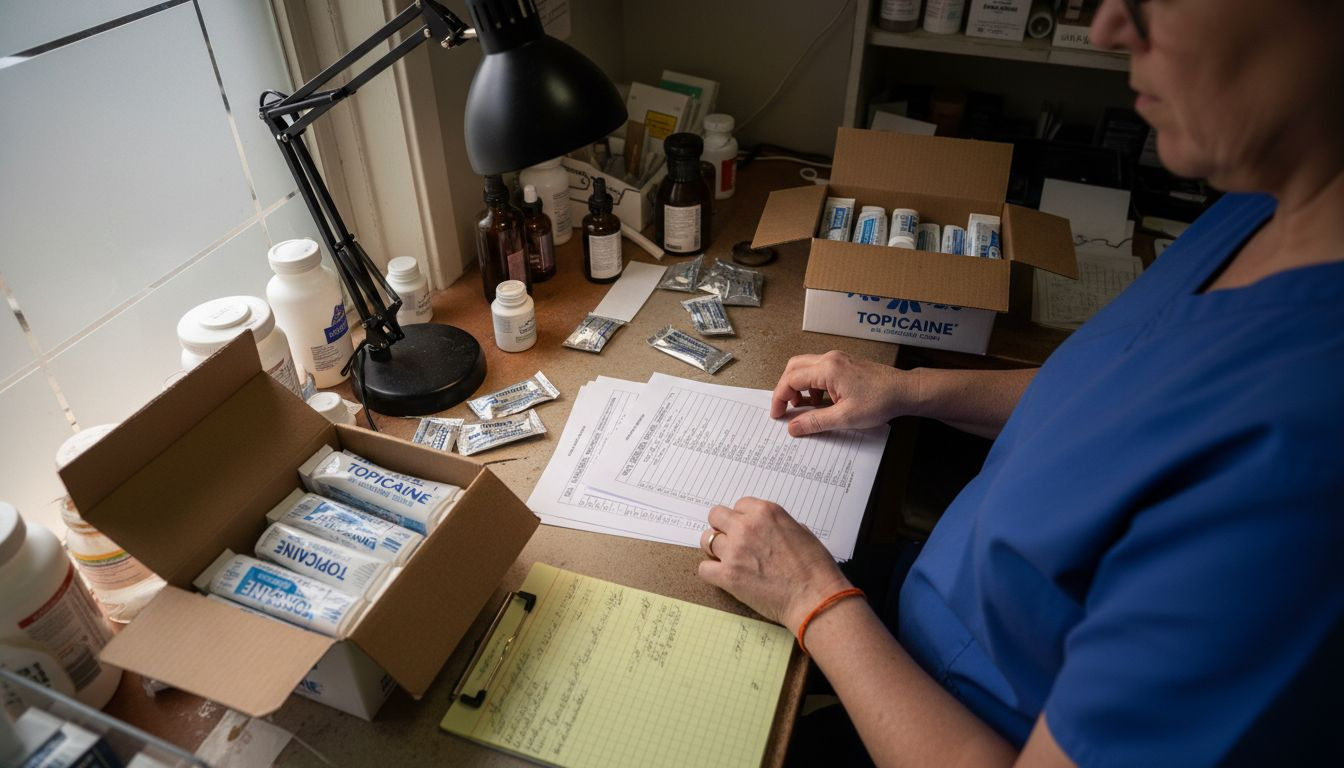
The composition of numbing creams extends beyond just the active anesthetic. Advanced cream ingredients include a variety of supporting components that improve effectiveness and skin feel:
Here is a quick reference for common active vs. inactive ingredients found in tattoo numbing creams:
| Ingredient Type | Main Example | Purpose |
|---|---|---|
| Active | Lidocaine | Blocks pain signals |
| Active | Benzocaine | Secondary anesthetic effect |
| Active | Prilocaine | Alternative local anesthetic |
| Inactive | Aloe vera | Soothes and calms skin |
| Inactive | Shea butter | Provides moisture and hydration |
| Inactive | Emu oil | Conditions and softens skin |
-
Active Ingredients:
- Lidocaine (primary pain-blocking agent)
- Benzocaine (secondary numbing compound)
- Prilocaine (alternative local anesthetic)
-
Inactive Ingredients:
- Aloe vera leaf extract (soothing properties)
- Emu oil (skin conditioning)
- Shea butter (moisturizing)
- Carbomer polymers (stabilization)
- Glycerin (hydration)
- Peppermint extract (additional analgesic effect)
Pro tip: Always check the ingredient list for potential allergens and select a numbing cream that matches your specific skin sensitivity and tattoo requirements.
How Numbing Creams Reduce Tattoo Pain
Nerve signal blocking mechanisms work at a microscopic level to interrupt pain transmission during tattoo procedures. Lidocaine, the primary active ingredient in most numbing creams, functions by temporarily preventing nerve cells from sending pain signals to the brain. This sophisticated process involves blocking sodium channels in nerve endings, essentially creating a localized barrier that stops pain sensations before they can be processed.
The mechanism of action is complex and precise. Sodium channel inhibition occurs when lidocaine molecules attach to voltage-gated sodium channels in neuronal membranes. By preventing sodium ions from entering these channels, the nerve’s ability to generate and transmit electrical signals is disrupted. This means that while the tattoo needle is moving across the skin, the brain receives minimal or no pain signals, allowing for a more comfortable tattoo experience.
Numbing creams provide pain reduction through several key strategies:
- Immediate surface-level numbing
- Deeper nerve signal interruption
- Consistent pain reduction throughout tattoo session
- Minimal interference with tattoo ink absorption
- Reduced muscle tension and anxiety
Pro tip: Apply the numbing cream 30-45 minutes before your tattoo session and cover with plastic wrap to maximize its pain-blocking effectiveness.
Safety, Legal, and Application Guidelines
European product safety regulations mandate strict guidelines for topical numbing creams used in tattoo procedures. These regulations ensure consumer protection by requiring manufacturers to provide comprehensive safety information, including potential risks, ingredient disclosure, and proper application instructions. Safety compliance is not just a recommendation but a legal requirement for all numbing cream products sold in the European market.
The application of numbing creams involves several critical safety considerations. Tattoo ink preparation guidelines emphasize the importance of avoiding hazardous substances and minimizing potential allergic reactions. Users should follow these key application guidelines:
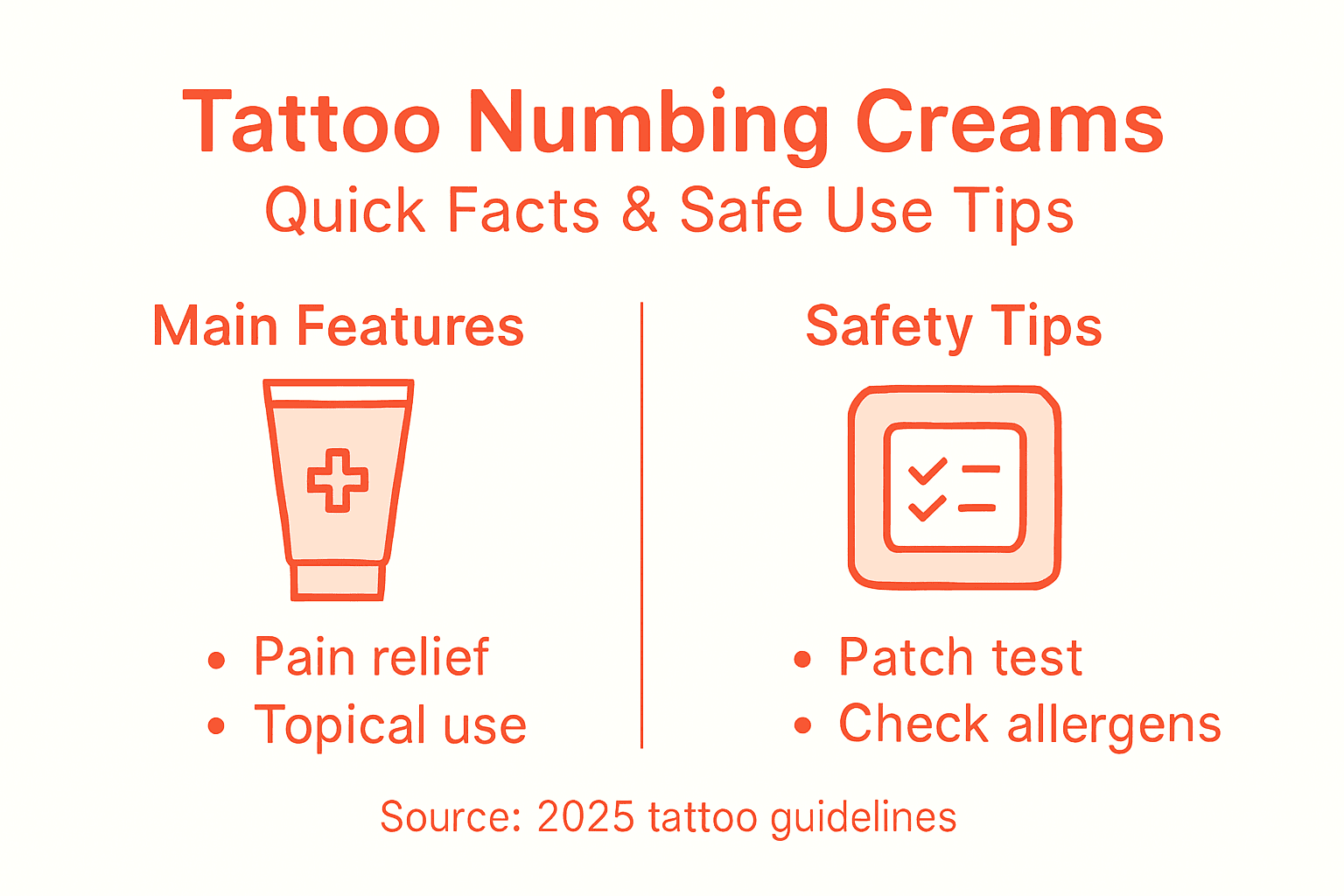
- Conduct a patch test 24 hours before use
- Check ingredient list for potential allergens
- Apply only to clean, unbroken skin
- Follow recommended application time and quantity
- Avoid using on sensitive or irritated skin areas
- Remove immediately if any adverse reaction occurs
Important safety precautions to consider:
- Store away from direct sunlight
- Keep out of reach of children
- Check expiration date before use
- Use only as directed by manufacturer
- Consult a healthcare professional if uncertain
Pro tip: Always read the complete product instructions and consult with your tattoo artist about the specific numbing cream you plan to use to ensure maximum safety and effectiveness.
Risks and Common Mistakes to Avoid
Chemical safety regulations highlight critical risks associated with improper numbing cream usage. Misapplication can lead to serious health complications, ranging from mild skin irritation to potentially severe allergic reactions. Understanding these risks is crucial for anyone considering using numbing creams during tattoo procedures.
Common mistakes tattoo enthusiasts often make include:
- Overapplying numbing cream
- Ignoring recommended application time
- Using expired or improperly stored products
- Failing to perform a patch test
- Applying on broken or sensitive skin
- Mixing multiple numbing products
Potential health risks to be aware of:
- Allergic skin reactions
- Reduced tattoo ink absorption
- Potential nerve sensitivity disruption
- Increased risk of infection
- Uneven pain reduction
- Potential interference with tattoo healing process
Pro tip: Always consult your professional tattoo artist and perform a thorough skin patch test 48 hours before your scheduled tattoo to minimize potential adverse reactions.
Comparing Numbing Creams to Other Tattoo Pain Solutions
Nonopioid pain relief methods offer tattoo enthusiasts multiple strategies for managing discomfort during their ink sessions. Numbing creams stand out as a targeted, localized approach to pain management, providing immediate and direct relief compared to alternative techniques. Unlike systemic pain solutions, these topical anesthetics work precisely where they are applied, minimizing overall bodily impact.
Complementary health approaches present various alternatives for pain management during tattoo procedures. Here’s a comparative breakdown:
Pain Management Options:
-
Numbing Creams:
- Localized, immediate relief
- Minimal systemic effects
- Direct application
- Precise pain control
-
Alternative Methods:
- Acupuncture (holistic approach)
- Meditation and breathing techniques
- Ice application
- Oral pain medications
Key comparison factors:
Below is a comparison of tattoo pain management methods by speed, duration, and suitability:
| Method | Relief Speed | Duration | Best For |
|---|---|---|---|
| Numbing cream | Immediate | 1-2 hours | Localized pain |
| Ice application | Quick | 20-30 mins | Small tattoos |
| Meditation | Gradual | Varies | High anxiety |
| Oral medication | Moderate | 4-6 hours | General pain |
| Acupuncture | Slow | Days to weeks | Holistic approach |
- Speed of pain relief
- Duration of effect
- Invasiveness
- Cost
- Individual pain tolerance
Pro tip: Consult with your tattoo artist about the most appropriate pain management strategy for your specific tattoo design and personal pain threshold.
Experience Pain-Free Tattoos with Trusted Numbing Creams in Europe
The challenge many face during tattoo sessions is managing pain and anxiety from constant needle sensations. As the article highlights, effective pain reduction through lidocaine-based numbing creams helps you sit comfortably for hours without interrupting ink absorption. If you want to avoid common mistakes like overapplication or allergic reactions, using high-quality creams with proven safety compliance is essential.
Take control of your tattoo experience today with our premium selection of TKTX and Dermacain creams. These products guarantee up to 3 hours of pain relief and are trusted across Europe. Enjoy benefits like free shipping on orders over 30 Euro and a satisfaction money-back guarantee when you buy from our official site. Start preparing your skin the right way to minimize discomfort and anxiety.

Ready to make your next tattoo session comfortable and stress-free Use the best numbing creams available now at Buy TKTX Online. Order today and experience a smoother, pain-managed tattoo process that respects your skin and safety. Don’t wait—feel the difference from the very first application.
Frequently Asked Questions
What are tattoo numbing creams and how do they work?
Tattoo numbing creams are topical anesthetics designed to reduce pain during tattoo procedures. They work by blocking nerve signals in the skin, primarily using lidocaine, to create a temporary numbness that allows for a more comfortable tattoo experience.
What ingredients should I look for in a numbing cream?
The key active ingredient in numbing creams is usually lidocaine, which can range from 4% to 18% concentration. Other beneficial ingredients include benzocaine and prilocaine as secondary anesthetics, while inactive ingredients like aloe vera and shea butter can soothe and moisturize the skin.
How long before a tattoo session should I apply the numbing cream?
It’s recommended to apply the numbing cream 30-45 minutes before your tattoo session. Covering the area with plastic wrap can enhance the effectiveness of the cream by allowing it to penetrate deeper into the skin.
Are there any risks or mistakes I should be aware of when using numbing cream?
Common mistakes include overapplying the cream, not performing a patch test, or applying it on broken or sensitive skin. Risks can include allergic reactions, reduced ink absorption, or potential nerve sensitivity disruption. Always consult your tattoo artist for advice on safe usage.


