

Finding a way to stay comfortable during a tattoo session can be tough for many people. Tattoo numbing creams use local anesthetics that temporarily block nerve signals in the skin, making the process far less painful for enthusiasts and artists across Central Europe. This article reveals how these creams work, explains different types and ingredients, and offers practical tips to ensure safe application and satisfaction with your tattoo experience.
Table of Contents
- Tattoo Numbing Creams And How They Work
- Different Types And Key Ingredients
- Legal Limits And Regulations In Europe
- Safe Usage And Application Guidelines
- Risks, Allergic Reactions, And Side Effects
- How To Avoid Unsafe Products And Misuse
Key Takeaways
| Point | Details |
|---|---|
| Numbing Cream Effectiveness | Tattoo numbing creams work by blocking nerve signals, significantly reducing pain during tattooing sessions. Proper application is crucial for maximizing their effectiveness. |
| Active Ingredients | Common active ingredients include Lidocaine, Prilocaine, and Benzocaine, each providing different levels of pain relief and duration. Choosing the right cream depends on individual needs and tattoo size. |
| European Regulations | Tattoo numbing creams in Europe must comply with strict safety and concentration regulations to ensure consumer protection and product quality. Always verify local regulations before purchasing. |
| Safety Precautions | Always perform a patch test and consult with a healthcare professional before using numbing creams, especially for individuals with sensitive skin or pre-existing conditions. |
Tattoo numbing creams and how they work
Tattoo numbing creams are specialized topical anesthetics designed to transform the tattooing experience by minimizing pain and discomfort. These innovative products work by temporarily blocking nerve signals in the skin, creating a localized numbing effect that helps tattoo enthusiasts manage the intense sensations during their body art process.
The primary mechanism of numbing creams involves specific active ingredients that interrupt pain transmission. Local anesthetics temporarily block nerve signals through a targeted approach, preventing nerve endings from sending pain messages to the brain. The most common active ingredients include:
- Lidocaine: A powerful local anesthetic that provides rapid numbing
- Prilocaine: Another effective nerve signal blocker
- Benzocaine: Helps create surface-level pain reduction
When applied correctly, these creams penetrate the skin’s surface and create a temporary barrier against pain sensations. Typically, the numbing effect begins within 20-30 minutes after application and can last for approximately 3-4 hours, which conveniently covers most tattoo session durations.
Proper application technique is crucial for maximizing the numbing cream’s effectiveness and ensuring a comfortable tattoo experience.
Before using any numbing cream, it’s essential to consult with your tattoo artist and perform a small patch test to check for potential allergic reactions. Each person’s skin can respond differently to topical anesthetics, so individual experiences may vary.
Pro tip: Always communicate with your tattoo artist about your pain management strategy and follow their specific recommendations for numbing cream application.
Different types and key ingredients
Tattoo numbing creams come in various formulations, each designed to provide targeted pain relief during the tattooing process. Different types of numbing creams are characterized by their unique active ingredients, with concentrations and compositions tailored to meet specific pain management needs.
The primary active ingredients in these specialized creams include:
- Lidocaine: The most common local anesthetic, typically used at 4-5% concentration
- Prilocaine: An alternative nerve signal blocker with similar pain-numbing properties
- Benzocaine: Provides surface-level pain reduction
- Tetracaine: Another potent local anesthetic option
Numbing cream formulations vary widely, offering different application methods and duration of effect. These include:
- Topical Creams: Standard formulation lasting 30-60 minutes
- Spray Formulations: Quick-acting but shorter-duration pain relief
- Professional-Grade Creams: Extended protection lasting 60-90 minutes
Beyond the active anesthetic ingredients, these creams often contain soothing inactive ingredients such as:
Here’s a quick reference comparing the active ingredients found in tattoo numbing creams:
| Ingredient | Typical Use | Duration of Effect | Skin Penetration Level |
|---|---|---|---|
| Lidocaine | Fast, deep numbing | 3-4 hours | Moderate to high |
| Prilocaine | Long-lasting, mild | 3-4 hours | Moderate |
| Benzocaine | Short, surface numbing | 1-2 hours | Low |
| Tetracaine | Strong, extended relief | 3-5 hours | High |
- Aloe vera
- Glycerin
- Carbomer
- Natural botanical extracts
Not all numbing creams are created equal - the specific ingredient combination can significantly impact effectiveness and duration of pain relief.
Choosing the right numbing cream depends on individual pain tolerance, tattoo size, and personal sensitivity. Consulting with your tattoo artist can help you select the most appropriate product for your specific needs.
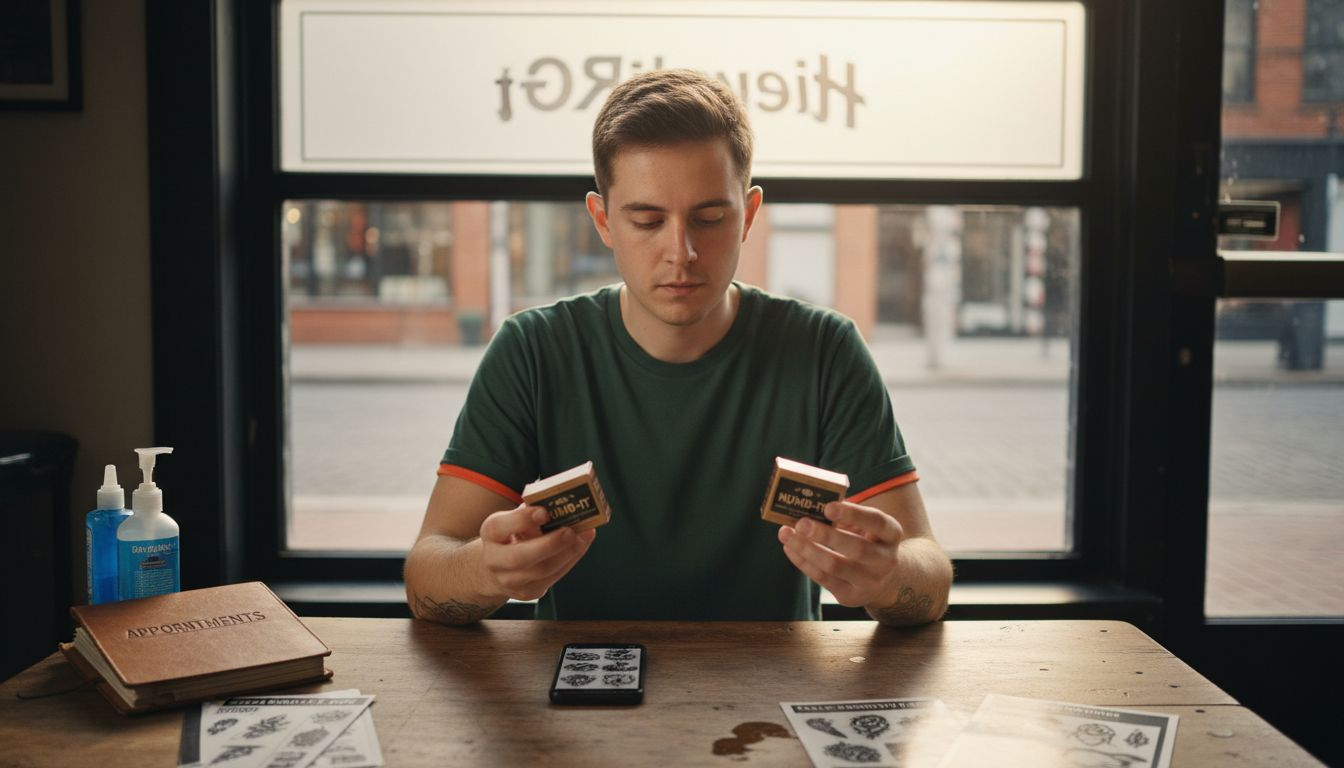
Pro tip: Always perform a patch test with new numbing cream formulations to check for potential skin reactions or allergies.
Legal limits and regulations in Europe
Navigating the complex landscape of tattoo numbing cream regulations requires a comprehensive understanding of European Union guidelines. Cosmetic product regulations in the EU provide a robust framework for ensuring consumer safety and product quality across member states.
The key regulatory considerations for tattoo numbing creams in Europe include:
- Concentration Limits: Strict controls on active anesthetic ingredients
- Safety Standards: Mandatory compliance with EU cosmetic product regulations
- Ingredient Transparency: Required detailed disclosure of product components
- Market Surveillance: Ongoing monitoring of product safety and effectiveness
European regulations specifically focus on several critical aspects of numbing cream production and distribution:
- Maximum Permissible Concentrations
- Comprehensive Safety Testing
- Mandatory Product Registration
- Consumer Protection Mechanisms
European Union regulations prioritize consumer safety through rigorous testing and continuous monitoring of topical anesthetic products.
Most EU countries require national medicine registers to approve and track local anesthetic products. This ensures that only thoroughly vetted numbing creams can enter the market, protecting consumers from potentially harmful formulations.
The regulatory landscape varies slightly between different European countries, with some nations implementing additional local requirements beyond the standard EU directives. Consumers and manufacturers must stay informed about these nuanced regulations to ensure full compliance.
Pro tip: Always verify the specific regulatory status of numbing creams in your particular European country before purchasing or using them.
Safe usage and application guidelines
Properly applying tattoo numbing cream is crucial for maximizing pain relief and minimizing potential risks. Safe usage involves a carefully structured application process that requires attention to detail and adherence to specific guidelines.
Key preparation steps before application include:
- Thoroughly clean the treatment area with mild soap and water
- Completely dry the skin surface
- Check for any skin irritation or open wounds
- Perform a preliminary patch test for allergic reactions
The recommended application process follows these critical steps:
- Apply a thick, uniform layer of numbing cream
- Cover the area with plastic wrap for 40-60 minutes
- Remove excess cream carefully
- Allow additional time for full numbing effect
Precautionary Measures to consider during application:
- Avoid contact with eyes, lips, or broken skin
- Do not exceed recommended dosage limits
- Limit applications to 3-4 times daily maximum
- Store products between 15-30°C, away from direct sunlight
Proper application technique is as important as the numbing cream itself - precision matters.
Special attention should be given to individuals with sensitive skin or pre-existing medical conditions. Consulting with a healthcare professional before using numbing creams can help prevent potential adverse reactions.
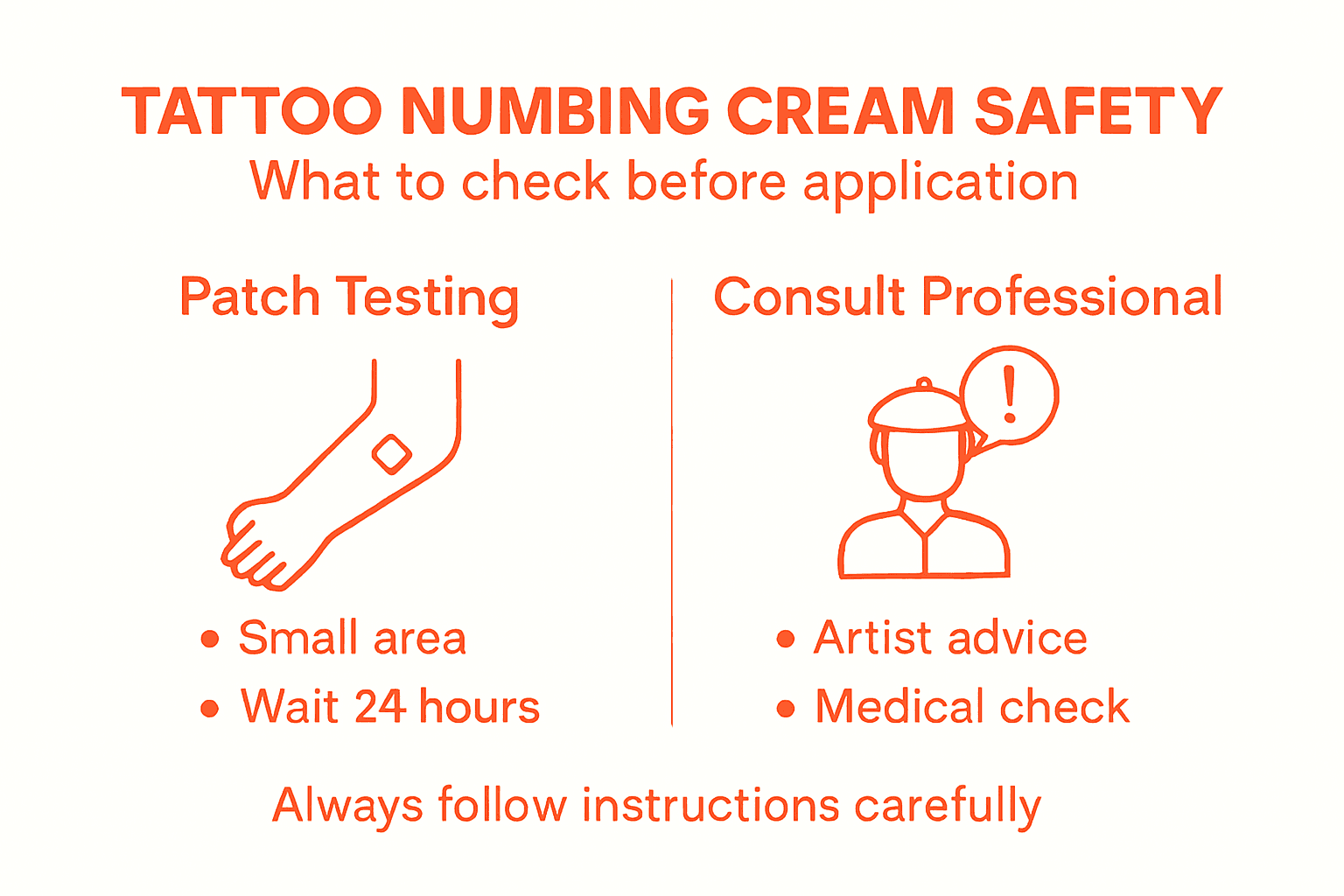
Pro tip: Always read the specific product instructions carefully and perform a small patch test 24 hours before your tattoo appointment to ensure no unexpected skin reactions occur.
For quick decision-making, here’s a summary table of safe numbing cream application guidelines:
| Step | Purpose | Recommended Action |
|---|---|---|
| Clean skin | Remove dirt, prevent infection | Use mild soap and dry thoroughly |
| Patch test | Check for allergies | Apply small amount, monitor result |
| Dosage control | Avoid side effects | Follow package instructions |
| Application timing | Maximize effectiveness | 20-60 minutes before tattoo |
Risks, allergic reactions, and side effects
Understanding the potential risks associated with tattoo numbing creams is crucial for safe usage. FDA warnings highlight serious potential health risks that consumers must carefully consider before application.
Common allergic reactions and side effects include:
- Skin Irritation: Redness, swelling, and localized inflammation
- Contact Dermatitis: Itching and skin rash
- Systemic Reactions: Potential heart rate irregularities
- Sensory Disruptions: Temporary numbness beyond intended area
The most significant potential health risks involve:
- Irregular heartbeat
- Potential seizure risks
- Breathing difficulties
- Systemic absorption complications
Warning Signs that require immediate medical attention:
- Persistent symptoms beyond 7 days
- Significant skin discoloration
- Intense burning or stinging sensations
- Unexpected spreading of reaction
Overuse or improper application can transform a pain management tool into a potential health hazard.
Individuals with pre-existing medical conditions, sensitive skin, or allergies should exercise extreme caution. Consulting healthcare professionals before using numbing creams can help mitigate potential risks and identify individual vulnerabilities.
Pro tip: Always perform a comprehensive patch test and consult with a medical professional if you have any underlying health concerns or experience unexpected reactions.
How to avoid unsafe products and misuse
Navigating the complex world of tattoo numbing creams requires careful consideration and informed decision-making. Identifying unsafe numbing products is crucial for protecting your health and ensuring a safe tattoo experience.
Key strategies for avoiding unsafe products include:
- Purchase only from reputable pharmacies and licensed providers
- Verify product ingredients and concentrations
- Check for official regulatory approvals
- Avoid products with unclear ingredient lists
Critical red flags to watch for when selecting numbing creams:
- Lidocaine concentrations above 4%
- Lack of clear manufacturer information
- Unregulated or counterfeit packaging
- Missing safety certifications
Safe Usage Guidelines:
- Never apply on broken or damaged skin
- Strictly follow manufacturer instructions
- Perform patch tests before full application
- Consult healthcare professionals for personalized advice
Cutting corners with numbing products can transform a potentially safe experience into a dangerous situation.
Professionals recommend thorough research and skepticism when selecting numbing creams. Understanding the potential risks and being proactive about product selection can significantly reduce the likelihood of adverse reactions.
Pro tip: Always request professional verification of a numbing cream’s safety and legitimacy before using it during your tattoo session.
Ensure a Safe and Comfortable Tattoo Experience with Trusted Numbing Creams
Navigating the safety concerns around tattoo numbing creams can feel overwhelming, especially when your comfort and health are on the line. This article highlights the importance of choosing products that comply with European regulations and using them correctly to avoid allergic reactions and side effects. The key is to find a trusted numbing cream that guarantees effective pain relief for up to three hours while respecting your skin’s sensitivity.
Featured Products – TKTX obchod offers certified high-quality numbing creams like TKTX and Dermacain, specially formulated to provide safe and reliable pain control during your tattoo process.

Don’t compromise on your tattoo session comfort or safety. Visit https://buytktx.online now to explore our selection and enjoy free shipping on orders over 30 Euro. We stand behind our products with a full satisfaction guarantee and a hassle-free money-back policy. Take control of your tattoo pain relief today and experience a painless tattooing journey with trusted numbing creams.
Frequently Asked Questions
What are tattoo numbing creams and how do they work?
Tattoo numbing creams are specialized topical anesthetics that minimize pain during the tattooing process by temporarily blocking nerve signals in the skin. They contain active ingredients like lidocaine, prilocaine, and benzocaine that create a localized numbing effect.
How long do the effects of tattoo numbing creams last?
The numbing effect of tattoo creams typically begins 20-30 minutes after application and lasts for approximately 3-4 hours, covering most tattoo session durations.
Are there any risks or side effects associated with tattoo numbing creams?
Yes, potential risks include skin irritation, allergic reactions, and in rare cases, systemic responses such as irregular heartbeat or breathing difficulties. It’s crucial to consult a healthcare professional if you experience unexpected reactions.
How should I properly apply tattoo numbing cream for maximum effectiveness?
To maximize effectiveness, clean the area thoroughly, apply a thick layer of the cream, cover it with plastic wrap, and allow it to sit for 40-60 minutes. Always perform a patch test 24 hours prior to your tattoo appointment to check for skin reactions.


