

Allergic reactions to numbing creams are not just an american concern—Central European tattoo enthusiasts and artists face these risks too. With longer tattoo sessions on the rise, the need for reliable pain relief grows stronger. Yet, many overlook that even popular numbing creams can trigger unexpected immune responses, sometimes causing more than just mild irritation. Uncovering how common ingredients cause allergies and spotting warning signs early can safeguard both your comfort and tattoo investment.
Table of Contents
- What Are Numbing Cream Allergies?
- Common Allergy Types And Ingredients
- Key Symptoms And How They Differ
- Legal And Safety Guidelines In Europe
- Practical Steps For Safe Tattoo Use
- Risks, Alternatives, And Mistakes To Avoid
Key Takeaways
| Point | Details |
|---|---|
| Understanding Allergies | Numbing cream allergies can vary from mild skin irritations to severe reactions; contact dermatitis is the most common response. |
| Ingredient Awareness | Key allergens include local anesthetics such as lidocaine and benzocaine, along with preservatives like parabens. |
| Importance of Patch Testing | Conducting a patch test 24 hours before a tattoo can help identify potential allergies safely. |
| Adherence to Regulations | In Europe, strict regulations guide the safety and labeling of numbing creams used in tattoos, ensuring consumer protection. |
What Are Numbing Cream Allergies?
Numbing cream allergies represent a complex and potentially serious medical response that can occur during tattoo or cosmetic procedures. Topical anesthetics can trigger unexpected immune system reactions that range from mild skin irritation to severe systemic responses.
These allergic reactions emerge when the body’s immune system identifies specific ingredients in numbing creams as harmful foreign substances. Unlike typical skin sensitivities, true allergies involve an immediate or delayed immunological response that can manifest through various symptoms. Contact dermatitis remains the most common allergic reaction, characterized by localized skin inflammation, redness, and potential itching at the application site.
Medical research indicates that allergic responses to numbing creams are relatively rare. Most adverse reactions are actually toxic or irritant-based rather than true allergies. The reaction can be classified into two primary categories: immediate hypersensitivity (causing rapid symptoms like urticaria) and delayed hypersensitivity (producing slower, more gradual skin responses).
Critical symptoms to monitor include:
- Intense skin redness
- Significant swelling
- Persistent itching
- Difficulty breathing
- Widespread rash development
- Unexpected pain or burning sensations
Tattoo Preparation Pro Tip: Perform a small patch test with your chosen numbing cream at least 24 hours before your tattoo appointment to identify potential allergic reactions in a safe, controlled environment.
Common Allergy Types And Ingredients
Allergic reactions to numbing creams involve complex immunological responses that can manifest through different mechanisms and trigger various symptoms. These reactions are primarily categorized into two main types: contact dermatitis and immediate hypersensitivity, each representing a distinct immunological pathway with unique characteristics.
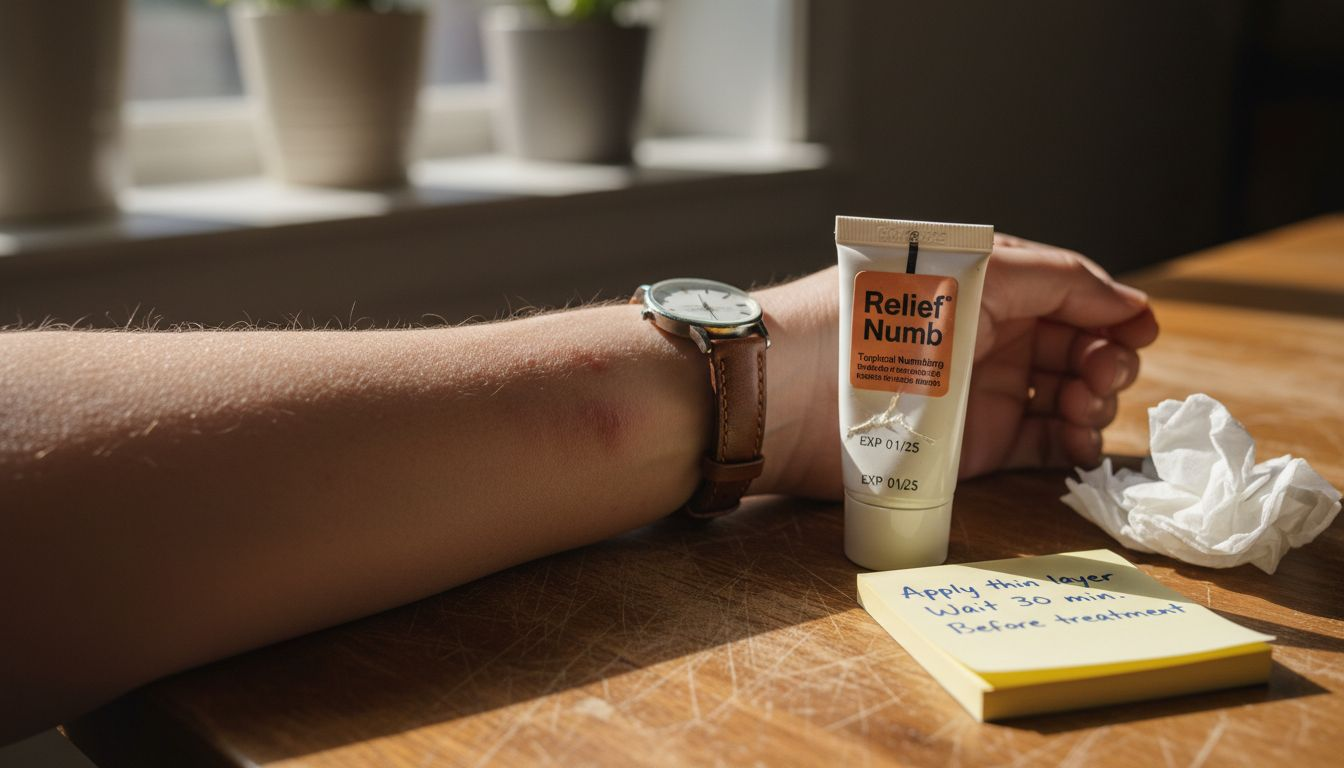
The first category, contact dermatitis, emerges as a delayed immune response where specific ingredients in numbing creams provoke localized skin inflammation. Common allergens include local anesthetics like lidocaine, benzocaine, and tetracaine, as well as preservatives such as parabens. These substances can cause skin irritation, redness, and persistent itching, particularly when applied to compromised skin barriers.
Allergic reactions are scientifically classified into type I (IgE-mediated) and type IV (delayed contact dermatitis) responses. Type I reactions occur rapidly and can trigger immediate symptoms like urticaria or potentially life-threatening anaphylaxis. Type IV reactions develop more slowly, typically appearing 48-72 hours after exposure and presenting as skin rashes or localized inflammatory responses.
Potential allergenic ingredients in numbing creams include:
- Amide anesthetics: lidocaine, prilocaine
- Ester anesthetics: benzocaine, tetracaine
- Chemical preservatives: parabens
- Synthetic fragrances
- Stabilizing agents
- Emulsifiers
Tattoo Safety Pro Tip: Always request a comprehensive ingredient list from your tattoo artist or numbing cream manufacturer and conduct a thorough patch test to identify potential allergic triggers before your tattoo session.
Here’s a summary of how different allergy types compare:
| Allergy Type | Onset Time | Main Symptoms | Common Ingredients Involved |
|---|---|---|---|
| Contact Dermatitis | 48-72 hours | Redness, inflammation, itching | Parabens, anesthetics |
| Immediate Hypersensitivity | Minutes to hour | Hives, swelling, breathing issues | Lidocaine, benzocaine |
| Irritant Reaction | Within minutes | Burning, stinging, rash | Fragrances, stabilizers |
Key Symptoms And How They Differ
Allergic reactions to numbing creams present a complex spectrum of symptoms that vary dramatically in intensity and progression. Understanding these nuanced responses is crucial for tattoo enthusiasts and artists to distinguish between mild irritation and potentially serious allergic events.
Initial symptoms typically manifest as localized skin reactions, with contact urticaria representing an immediate response characterized by rapid redness, intense itching, and potential swelling at the application site. These symptoms can quickly escalate from mild skin irritation to more severe systemic responses. Topical medication allergies can trigger different immune-mediated reactions, ranging from mild contact dermatitis to rare but dangerous anaphylactic episodes.
The key distinctions between allergic reactions and simple skin irritation include:
- Progression and spread of symptoms
- Duration of inflammatory response
- Intensity of immune system activation
- Potential for systemic involvement
Severe allergic reaction symptoms include:
- Widespread hives
- Difficulty breathing
- Dizziness
- Significant blood pressure changes
- Extensive skin blistering
- Persistent and spreading rash
Tattoo Preparation Pro Tip: Document and photograph any initial skin reactions during a patch test, providing your tattoo artist or medical professional with visual evidence of potential allergic responses.
Legal And Safety Guidelines In Europe
European regulations for numbing creams and tattoo-related products represent a comprehensive approach to protecting consumer health, establishing strict guidelines for ingredient safety and documentation. The European Union’s REACH Regulation, implemented in January 2022, provides a robust framework governing the use of chemicals in tattoo and cosmetic procedures, with specific emphasis on minimizing potential allergic and health risks.
The regulatory landscape focuses on several critical aspects of product safety. Maximum safe concentrations are legally defined for known allergens, skin sensitizers, carcinogens, and potential irritants in substances used during tattooing procedures. National regulatory bodies like the German Federal Institute for Risk Assessment (BfR) provide additional guidelines to ensure product compliance, recognizing that long-term effects of many substances remain incompletely understood.
Key legal requirements for numbing cream manufacturers and tattoo professionals in Europe include:
- Comprehensive ingredient documentation
- Clear product labeling
- Adherence to maximum concentration limits
- Transparency about potential health risks
- Regular safety assessments
- Compliance with EU chemical regulations
Specific regulatory considerations for numbing cream usage:
- Mandatory allergen disclosure
- Restricted chemical compound levels
- Required safety testing protocols
- Standardized warning labels
- Traceability of product ingredients
- Periodic review of scientific research
Tattoo Safety Pro Tip: Always request and review the official safety documentation and ingredient list from your numbing cream manufacturer to ensure full compliance with current European Union regulations.
Practical Steps For Safe Tattoo Use
Ensuring safe numbing cream application requires a systematic and careful approach that protects both the tattoo enthusiast and the artistic process. The journey begins long before the actual tattoo session, with meticulous preparation and understanding of potential risks and preventative measures.
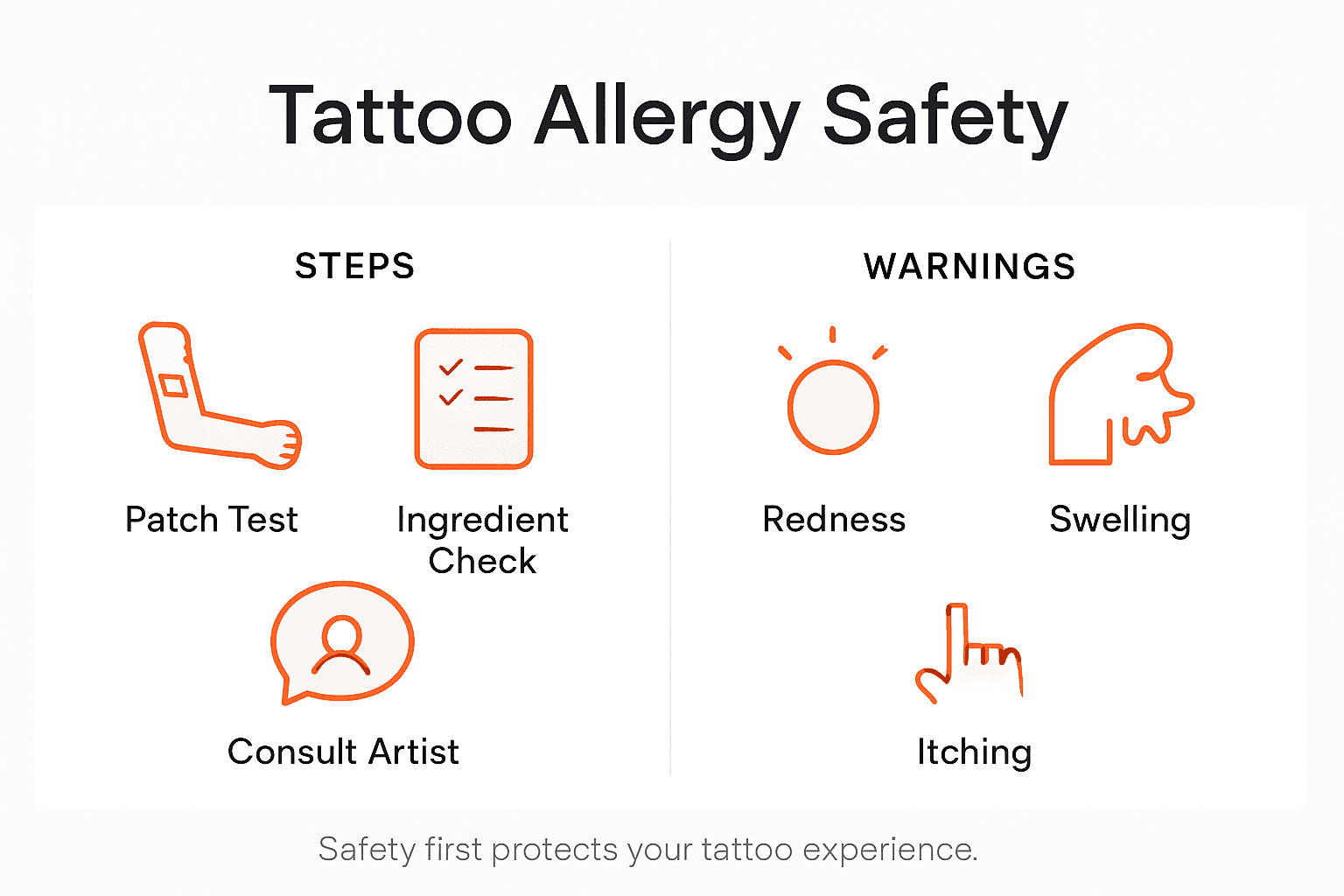
The first critical step involves selecting an appropriate numbing cream with proven safe ingredients like lidocaine, which has been clinically tested and recognized for its effectiveness. Careful skin preparation is paramount: thoroughly clean the intended tattoo area with mild, unscented soap and ensure the skin is completely dry before application. Perform a comprehensive patch test at least 24 hours prior to your tattoo appointment, applying a small amount of cream to a discrete skin area to check for potential allergic reactions or sensitivities.
Key steps for safe numbing cream application include:
- Select a reputable, professionally approved numbing cream
- Conduct a thorough patch test
- Clean and dry the skin completely
- Apply a thin, even layer of cream
- Use an occlusive wrap as recommended
- Monitor skin for any immediate reactions
- Remove cream thoroughly before tattoo procedure
Additional safety considerations:
- Check expiration dates
- Verify ingredient compatibility
- Avoid applying to broken or irritated skin
- Limit application to recommended areas
- Follow precise manufacturer instructions
- Communicate any skin sensitivities to your tattoo artist
Tattoo Preparation Pro Tip: Document any skin reactions during your patch test with photographs and notes, providing your tattoo artist with comprehensive information about your skin’s response to the numbing cream.
Risks, Alternatives, And Mistakes To Avoid
Navigating the complex landscape of numbing cream usage requires understanding potential risks and proactive management strategies that protect both tattoo enthusiasts and their artistic experience. The potential complications extend beyond simple skin irritation, encompassing a range of medical and procedural challenges that demand careful consideration.
Primary risks associated with numbing cream application include systemic absorption, potential allergic reactions, and interference with tattoo healing processes. Overuse or improper application can lead to significant complications such as irritant dermatitis, compromised tattoo quality, and delayed wound recovery. Alternative pain management techniques offer safer approaches for individuals with heightened allergy risks, including strategic breathing techniques, periodic session breaks, and professional cooling sprays.
Common mistakes to avoid during numbing cream application:
- Applying to excessively large skin areas
- Ignoring manufacturer instructions
- Using expired product
- Applying on broken or irritated skin
- Exceeding recommended application time
- Failing to conduct patch tests
- Neglecting communication with tattoo artist
Alternative pain management strategies:
- Professional cooling sprays
- Controlled breathing techniques
- Strategic session breaks
- Mindfulness meditation
- Gradual exposure and mental preparation
- Professional consultation on individual pain tolerance
- Using smaller, more manageable tattoo session lengths
Tattoo Safety Pro Tip: Always discuss your complete pain management strategy with your tattoo artist beforehand, ensuring a collaborative approach that prioritizes your comfort and skin health.
Compare safe numbing cream use with common mistakes and best alternatives:
| Approach | Safety Impact | Risks/Concerns | Alternative Option |
|---|---|---|---|
| Correct patch testing | Minimizes allergies | Missed sensitivities if skipped | Controlled breathing |
| Applying to healthy skin | Reduces complications | Higher risk if skin is broken | Shorter tattoo sessions |
| Overuse of product | Increases risks | Systemic absorption, healing delay | Professional cooling sprays |
Protect Your Skin and Enjoy a Pain-Free Tattoo Experience
Understanding the risks of numbing cream allergies is essential for a safe and comfortable tattoo session. The article highlights how allergic reactions to ingredients like lidocaine or benzocaine can cause redness, itching, or more severe symptoms. If you are seeking effective pain relief without compromising your skin’s safety, choosing a trusted product with clear ingredient transparency is key. At Buy TKTX Online, we specialize in offering premium tattoo numbing creams such as TKTX and Dermacain that guarantee up to 3 hours of pain-free tattooing across Europe, backed by customer satisfaction and a money-back promise.

Take control of your tattoo pain safely by ordering high-quality numbing creams tested to meet strict European safety standards. With free shipping on orders over 30 Euro and detailed product information available on our site, you can confidently perform patch tests before your appointment. Don’t let uncertainty about allergic reactions hold you back. Visit Buy TKTX Online now to secure your trusted tattoo numbing cream and prepare for your next tattoo with peace of mind.
Frequently Asked Questions
What are the common symptoms of numbing cream allergies?
Allergic reactions can manifest as intense skin redness, significant swelling, persistent itching, difficulty breathing, widespread rash, and unexpected pain or burning sensations.
How can I test for a potential allergic reaction to numbing cream before my tattoo appointment?
Perform a patch test by applying a small amount of numbing cream on a discrete area of skin at least 24 hours prior to your tattoo session. Monitor for any adverse reactions like redness or itching.
What types of ingredients in numbing creams are known to trigger allergic reactions?
Common allergens include local anesthetics such as lidocaine and benzocaine, chemical preservatives like parabens, synthetic fragrances, and certain emulsifiers, which can cause contact dermatitis or more severe reactions.
What precautions should I take to ensure safe application of numbing cream?
Choose a reputable numbing cream, conduct a patch test, clean and dry the skin thoroughly, apply a thin layer of cream, monitor for reactions, and communicate any skin sensitivities to your tattoo artist.


