

Getting inked can be intense, and many people turn to numbing creams to manage discomfort. But how long does that relief actually last? Understanding the maximum duration of numbing is crucial for planning your session and staying safe. Most effective tattoo numbing creams provide 2 to 4 hours of significant pain reduction, with peak effectiveness occurring early. This guide explores the factors that influence duration, compares popular products, and offers practical tips to maximize comfort while minimizing risks.
Table of Contents
- Factors Influencing Maximum Duration Of Numbing
- Comparison Of Popular Numbing Creams And Their Effectiveness
- Safety Considerations And Limitations Of Maximum Numbing Duration
- Maximizing Numbing Duration Safely During Tattoo Sessions
- Enhance Your Tattoo Experience With Quality Numbing Creams
- Frequently Asked Questions About Tattoo Numbing Duration
Key takeaways
| Point | Details |
|---|---|
| Typical duration | Numbing creams usually last 2 to 4 hours with strongest effect in the first hour. |
| Influencing factors | Concentration, application method, metabolism, and body area all affect how long numbing persists. |
| Safety limits | Prolonged or excessive use increases risk of systemic complications and masks important pain feedback. |
| Product choice matters | Licensed, quality creams like TKTX offer reliable duration and meet European safety standards. |
| Communication is key | Inform your artist about numbing so they can adjust technique and prevent skin overworking. |
Factors influencing maximum duration of numbing
Several variables determine how long your numbing cream remains effective during a tattoo session. The duration of numbing can be affected by factors such as the concentration of the anesthetic, the application method, the individual’s metabolism, and the area of the body being treated. Higher concentrations of active ingredients like lidocaine or tetracaine can extend numbing time, but they also raise the potential for adverse reactions.
Application technique plays a significant role in effectiveness. Applying cream under occlusion, meaning covered with plastic wrap or a specialized dressing, enhances absorption into the skin and prolongs the numbing effect. This method allows the anesthetic to penetrate deeper layers where nerve endings reside, creating a more sustained barrier against pain signals.
Individual metabolism creates natural variation in how people respond to topical anesthetics. Some clients metabolize the active ingredients faster, resulting in shorter numbing periods. Body composition, hydration status, and even recent caffeine intake can influence how quickly your system processes these compounds.
The specific body area being tattooed affects both onset and duration of numbing. Regions with thicker skin, like the outer thigh or upper arm, may require more time for the cream to penetrate but can hold the anesthetic longer. Areas with thinner skin and more nerve density, such as ribs or inner bicep, might experience faster onset but shorter overall duration.
Understanding numbing duration factors helps you plan your tattoo session strategically. Consider these elements when scheduling:
- Apply cream 30 to 60 minutes before your appointment for optimal absorption
- Choose products with appropriate concentration for your pain tolerance and session length
- Discuss your metabolism history with your artist if you’ve used numbing products before
- Account for body area characteristics when estimating how long relief will last
Pro Tip: Time your application so peak numbing coincides with the most painful parts of your tattoo, typically outlining and detailed work in sensitive areas.
Comparison of popular numbing creams and their effectiveness
Not all numbing creams deliver the same results, and understanding product differences helps you make informed choices. Research comparing anesthetic formulations reveals significant variations in pain reduction and duration. LT cream provided adequate and long-lasting analgesia compared to EMLA cream, with lower pain scores at 30 minutes and during procedures.
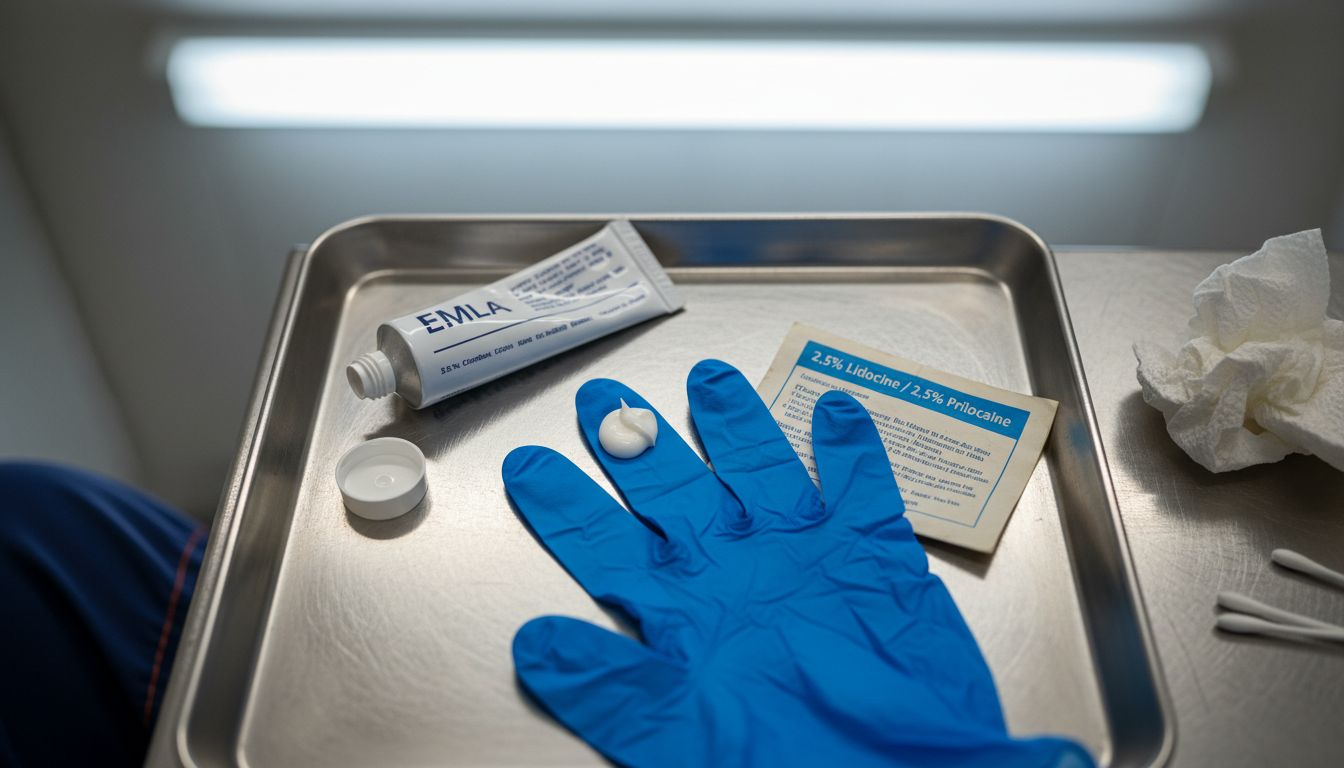
EMLA cream contains a combination of lidocaine and prilocaine at lower concentrations, typically around 2.5% each. This formulation provides moderate numbing suitable for minor procedures but may fall short during longer tattoo sessions. The onset takes approximately 60 minutes under occlusion, and effectiveness peaks around 90 minutes before gradually declining.
LT cream formulations contain 7% lidocaine combined with 7% tetracaine, offering substantially stronger and more sustained numbing. The higher concentration delivers more profound anesthesia that can maintain effectiveness throughout extended sessions. This makes LT-based products popular among tattoo enthusiasts seeking long-lasting numbing solutions.
| Product Type | Active Ingredients | Typical Duration | Best For |
|---|---|---|---|
| EMLA | 2.5% lidocaine + 2.5% prilocaine | 1 to 2 hours | Small tattoos, touch-ups |
| LT Cream | 7% lidocaine + 7% tetracaine | 3 to 4 hours | Large pieces, sensitive areas |
| TKTX Products | Varying concentrations up to 55% | 2 to 4 hours | Extended sessions, custom needs |
Most effective tattoo numbing creams have a duration of 2 to 4 hours of significant numbing, with the strongest relief occurring in the first half of that window. After peak effectiveness, the sensation gradually returns as your body metabolizes the anesthetic compounds. Planning your session around this timeline ensures maximum comfort during the most intensive tattooing phases.
Pro Tip: Select your numbing cream based on anticipated session length rather than simply choosing the highest concentration available, balancing effectiveness with safety considerations.
Safety considerations and limitations of maximum numbing duration
While numbing creams offer significant comfort benefits, extending their use beyond recommended limits introduces serious health risks. Elevated plasma concentrations of potent agents like lidocaine, tetracaine, and prilocaine can cause central nervous system and cardiovascular complications. These complications include seizures, irregular heart rhythms, respiratory depression, and in extreme cases, potentially fatal reactions.
Systemic absorption increases dramatically with certain application practices. Using occlusive dressings, applying cream to large surface areas, or layering multiple anesthetic products simultaneously all elevate blood levels of active ingredients. When the skin barrier is compromised during tattooing, absorption accelerates even further, compounding the risk of adverse effects.
Numbing cream creates another significant concern that many clients overlook. The use of numbing creams can mask the client’s feedback during tattooing, potentially leading to overworking the skin and increasing the risk of complications. Pain serves as your body’s warning system, signaling when the artist’s needle penetrates too deeply or works an area too intensely. Without this feedback mechanism, excessive tissue damage can occur before anyone realizes there’s a problem.
“Pain feedback during tattooing isn’t just discomfort, it’s communication between your body and the artist. Numbing should reduce suffering, not eliminate all sensation.”
Regulatory and quality concerns add another layer to safety considerations. Unlicensed or imported numbing creams may contain unpredictable concentrations, undisclosed ingredients, or contaminants that compromise both safety and effectiveness. Products that don’t meet European medical device standards lack quality assurance testing and may pose hidden dangers.
Managing client expectations requires honest communication about numbing limitations. Key points to understand include:
- No numbing cream eliminates 100% of tattoo sensation
- Duration varies significantly between individuals
- Some body areas respond better to topical anesthetics than others
- Prolonging numbing beyond 4 hours substantially increases complication risks
Understanding anesthetic cream safety helps you make responsible choices that prioritize both comfort and wellbeing during your tattoo experience.
Maximizing numbing duration safely during tattoo sessions
Optimizing your numbing cream’s effectiveness requires following proven application protocols and maintaining open communication with your tattoo artist. The key to success is proper timing and application technique. Rushing the process or skipping steps compromises both safety and results.
Follow these steps for maximum effectiveness:
- Clean and dry the target area thoroughly to remove oils and debris that block absorption
- Apply a generous, even layer of numbing cream to cover the entire planned tattoo area
- Cover with plastic wrap to create occlusion and enhance penetration
- Wait the recommended time, typically 45 to 60 minutes, before your appointment
- Remove the wrap and excess cream just before the artist begins working
- Communicate any changes in sensation during the session
Avoid common mistakes that reduce effectiveness or increase risks. Never apply excessive amounts thinking more cream equals better numbing, as this raises systemic absorption without improving local anesthesia. Don’t layer different numbing products simultaneously unless specifically directed by a medical professional. Mixing formulations can create unpredictable concentrations and heighten adverse reaction potential.
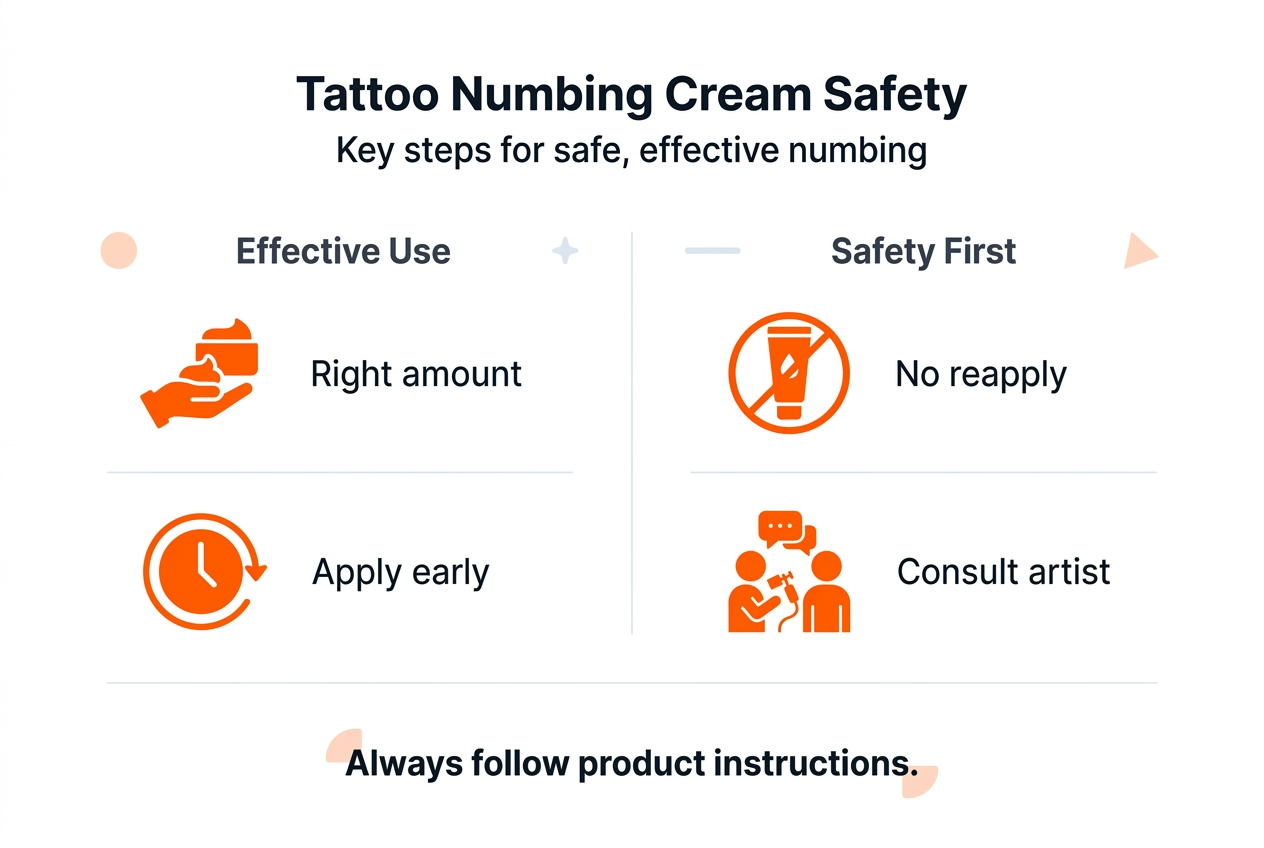
Your tattoo artist needs to know you’re using numbing cream so they can adjust their technique accordingly. Numbness reduces your ability to provide real-time feedback about pressure and depth. Clients should be informed about the potential risks and limitations of numbing creams, including the possibility of incomplete pain relief and masking feedback. A skilled artist will modify their approach, checking skin response more frequently and working more conservatively in numbed areas.
Schedule your session strategically to align with numbing duration. For pieces requiring more than 3 to 4 hours, consider breaking the work into multiple appointments rather than attempting to extend numbing beyond safe limits. This approach delivers better final results and protects your health.
Review this safe numbing application checklist before your appointment to ensure you’ve covered all essential preparation steps. Understanding numbing cream limitations helps set realistic expectations and prevents disappointment or unsafe practices.
Pro Tip: Schedule your most detailed and painful tattoo work for the first 2 hours when numbing is strongest, saving outlying areas and shading for later when some sensation returns.
Enhance your tattoo experience with quality numbing creams
Choosing the right numbing cream makes a substantial difference in your tattoo experience. Quality products deliver consistent, reliable pain reduction while meeting strict safety standards. Our range of TKTX numbing creams offers various strengths to match your specific needs, from moderate relief for smaller pieces to powerful formulations for extended sessions.

We guarantee 3 hours of effective numbing with proper application, backed by our satisfaction commitment. If you’re not completely satisfied with the results, simply return the product for a full refund. We offer free shipping across Europe on orders over 30 Euro, making it easy and affordable to prepare for your next tattoo appointment.
Explore our selection to find the perfect match for your session. The 3x TKTX 40% cream provides reliable numbing for moderate pain tolerance and standard sessions. For more intensive work or sensitive areas, consider the 3x TKTX 55% gold cream bundle offering maximum strength relief. Single tubes like the TKTX 55% gold cream let you try our premium formulation before committing to larger quantities.
Frequently asked questions about tattoo numbing duration
How long does tattoo numbing cream typically last?
Most quality tattoo numbing creams provide 2 to 4 hours of significant pain reduction, with peak effectiveness occurring in the first 1 to 2 hours. Duration varies based on product concentration, application method, individual metabolism, and the body area being tattooed.
Can I extend numbing duration by reapplying cream during my session?
Reapplying numbing cream during an active tattoo session is not recommended and can be unsafe. The compromised skin barrier from tattooing accelerates absorption, increasing systemic side effect risks. Plan your session length to match your cream’s expected duration instead.
What happens if numbing lasts too long or I use too much cream?
Excessive numbing cream application or prolonged use can lead to dangerous systemic absorption of anesthetics, potentially causing seizures, heart rhythm problems, or respiratory issues. Always follow product instructions and never exceed recommended amounts or application times.
Are higher concentration numbing creams always better for longer sessions?
Not necessarily. While higher concentrations can extend duration, they also increase side effect risks. The best approach balances adequate pain relief with safety, potentially scheduling multiple shorter sessions for large pieces rather than pushing numbing limits.
How should I communicate with my tattoo artist about using numbing cream?
Inform your artist before the session starts about which product you used and when you applied it. This allows them to adjust their technique since numbing masks pain feedback that normally guides pressure and depth during tattooing.
Do all body areas respond equally to numbing creams?
No, numbing effectiveness varies significantly by body location. Areas with thicker skin like outer arms may require longer application time but hold numbing longer. Thin-skinned, nerve-dense areas like ribs may numb faster but for shorter periods.


