

Over forty percent of American adults have at least one tattoo, yet many worry about the pain involved. As body art becomes more popular nationwide, the search for safe and effective relief options grows. Understanding how numbing creams work, their real benefits, and the risks highlighted by the FDA can help Americans make smart decisions for a more comfortable tattoo experience.
Table of Contents
- Numbing Creams for Tattoos Explained
- How Topical Numbing Creams Work
- Types and Strengths of Tattoo Numbing Creams
- Legal Status and Safety Guidelines in Europe
- Risks, Side Effects, and Common Mistakes
Key Takeaways
| Point | Details |
|---|---|
| Numbing Creams Provide Temporary Relief | These creams can reduce pain during tattoo procedures but do not eliminate all sensations. Proper usage and consultation are essential. |
| Varying Strengths Require Caution | Numbing creams come in different strengths; clients should choose based on pain tolerance and consult their artist for guidance. |
| Potential Health Risks Exist | Improper application can lead to serious complications; adherence to safety guidelines and professional advice is crucial. |
| Regulations Vary Internationally | Numbing cream laws differ by country in Europe; clients must understand local legal frameworks before use. |
Numbing Creams for Tattoos Explained
Numbing creams are specialized topical products designed to reduce pain during tattoo procedures, providing temporary relief by blocking nerve signals in the skin. While these products offer potential comfort for tattoo clients, understanding their proper usage, limitations, and safety considerations is crucial.
Tattoo enthusiasts seeking pain reduction must recognize that numbing creams are not a universal solution. The FDA warns consumers about potential dangerous health risks associated with certain topical pain relief products used during procedures like tattooing. These warnings specifically highlight concerns regarding high concentrations of active ingredients such as lidocaine.
Key Components of Numbing Creams
Numbing creams typically contain local anesthetic agents that work by temporarily blocking nerve receptors in the skin. The primary active ingredients include:
- Lidocaine
- Prilocaine
- Benzocaine
- Tetracaine
Each ingredient functions differently, with lidocaine being the most commonly used anesthetic in professional tattoo numbing products. However, recent FDA investigations have raised significant safety concerns about lidocaine concentrations, emphasizing the need for careful product selection and professional guidance.
Before using any numbing cream, tattoo clients should consult with their tattoo artist and understand potential risks, application methods, and individual skin sensitivities. Not all numbing creams are created equal, and improper use can lead to complications during the tattooing process.
How Topical Numbing Creams Work
Nerve Signal Blocking is the core mechanism behind topical numbing creams used in tattoo procedures. These specialized creams work by interrupting pain transmission in the skin, creating a temporary barrier that prevents nerve receptors from sending pain signals to the brain.
The scientific process involves local anesthetic agents penetrating the upper layers of skin to temporarily desensitize nerve endings. When applied correctly, these creams create a localized numbness by preventing sodium ions from entering nerve cell membranes. This biochemical interruption means pain signals cannot be generated or transmitted, resulting in reduced sensation in the targeted area.
Application Mechanisms
Numbing creams typically operate through three primary stages:
- Penetration: Active ingredients permeate the skin’s outer layers
- Nerve Blocking: Anesthetic agents interrupt pain signal transmission
- Temporary Desensitization: Nerve receptors remain temporarily inactive
While effective, these creams are not permanent solutions and their effectiveness varies based on individual skin composition, product concentration, and application technique. Tattoo clients should understand that numbing creams provide temporary relief and do not eliminate all sensations during the tattooing process. Professional consultation and proper application remain critical for safe and effective pain management.
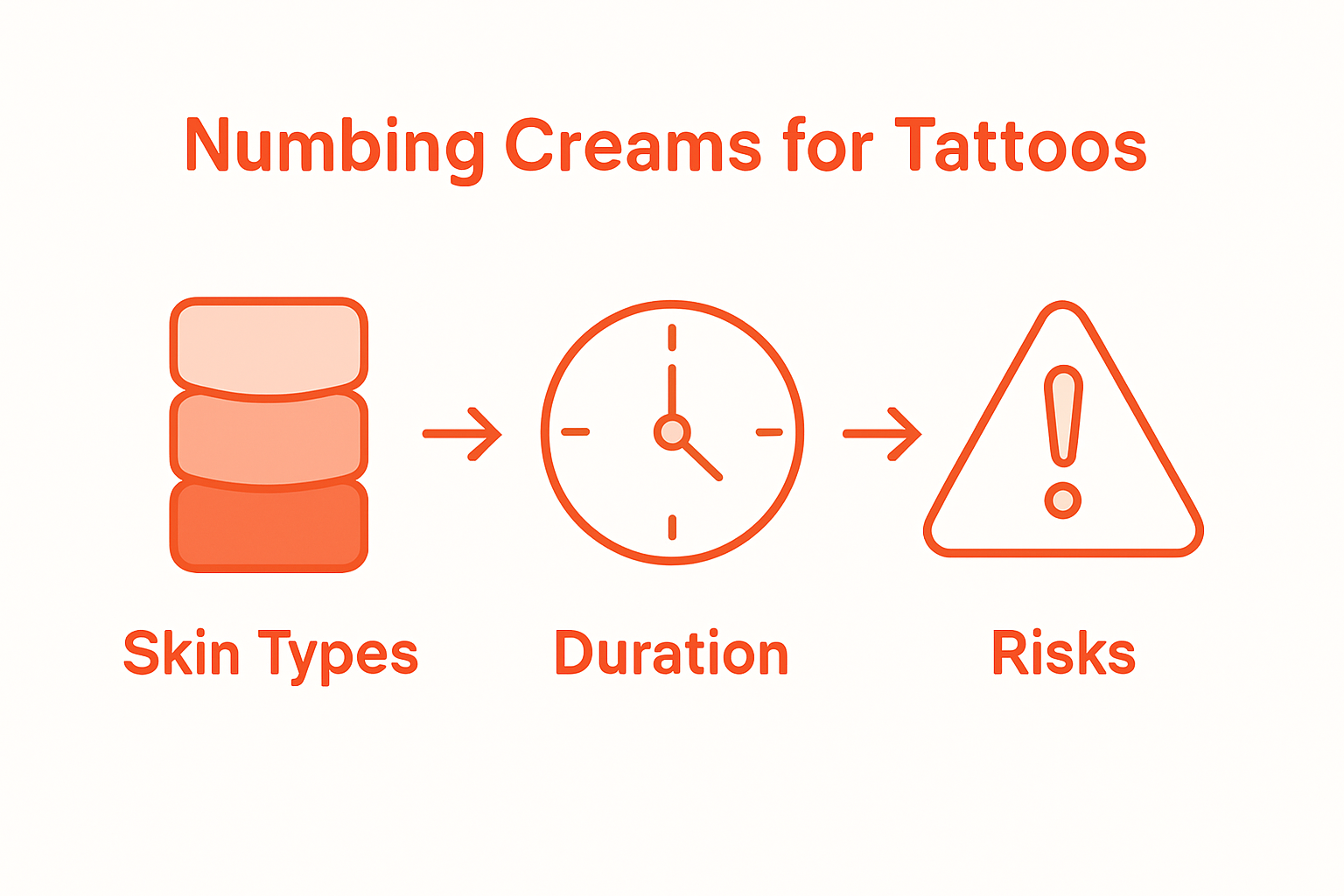
Types and Strengths of Tattoo Numbing Creams
Tattoo numbing creams come in various formulations and concentrations, designed to provide different levels of pain relief during tattoo procedures. Recent FDA investigations have highlighted concerns about high-strength products exceeding recommended lidocaine concentrations, emphasizing the importance of understanding product strengths and potential risks.
Numbing Cream Classification
Numbing creams can be categorized based on their active ingredients and concentration levels:
-
Low Strength (2-4% lidocaine)
- Mild pain reduction
- Suitable for small or less sensitive tattoo areas
-
Medium Strength (4-5% lidocaine)
- Moderate pain relief
- Ideal for medium-sized tattoos
-
High Strength (5-6% lidocaine)
- Significant pain blocking
- Recommended for larger or more painful tattoo locations
Each strength level offers different pain management capabilities, and the selection depends on individual pain tolerance, tattoo size, and placement. Tattoo clients should consult with their artist to determine the most appropriate numbing cream strength for their specific procedure. Professional guidance helps ensure safe application and optimal pain management without compromising the tattooing process or potential skin sensitivity.
Legal Status and Safety Guidelines in Europe
Numbing cream regulations across European countries present a complex landscape of legal considerations for tattoo clients and professionals. In the United Kingdom, the administration of local anesthetic by non-medical practitioners is considered illegal under specific legislation, creating significant restrictions on numbing cream usage during tattoo procedures.
Regulatory Compliance Across Europe
European nations maintain stringent requirements for tattoo-related products, with varying approaches to safety and legal standards:
- United Kingdom: Strict regulations preventing non-medical anesthetic applications
- France and Spain: Mandatory safety assessment dossiers for tattoo product manufacturers
- Germany: Comprehensive product testing and ingredient scrutiny
- Nordic Countries: Rigorous chemical and health impact evaluations
Several European countries require manufacturers to prepare comprehensive safety assessment documentation before market entry, ensuring that numbing creams meet stringent health and safety standards. These regulatory frameworks aim to protect consumers from potential risks associated with topical anesthetic products used during tattoo procedures. Tattoo clients should always consult local regulations and professional practitioners to understand the specific legal guidelines governing numbing cream usage in their specific European region.
Risks, Side Effects, and Common Mistakes
Potential Health Hazards are a critical concern when using numbing creams for tattoo procedures. Improper application can lead to serious medical complications, including muscle tremors, seizures, and potentially life-threatening cardiac issues, making professional guidance essential for safe usage.
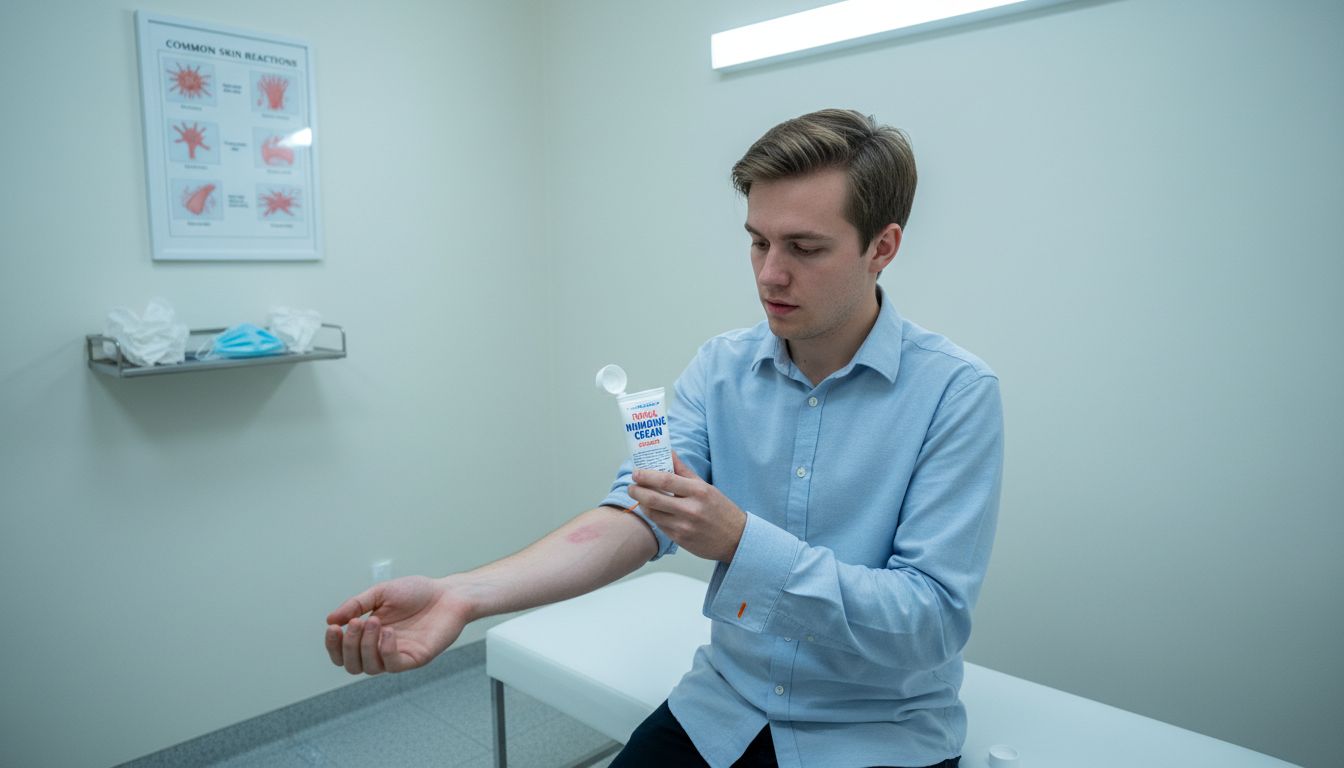
Common Mistakes in Numbing Cream Application
Tattoo clients frequently make critical errors that can compromise their health and tattoo experience:
- Overapplication: Using excessive cream across large skin areas
- Incorrect Timing: Applying too early or too late before the tattoo session
- Ignoring Skin Conditions: Using numbing creams on broken or irritated skin
- Disregarding Personal Medical History: Failing to consider individual allergies or sensitivities
The FDA warns that topical pain relief products with high lidocaine concentrations can trigger severe health complications, including irregular heartbeat and respiratory difficulties. Professional tattoo artists recommend consulting healthcare providers before using numbing creams, especially for individuals with pre-existing medical conditions or those taking specific medications. Understanding proper application techniques and potential risks is crucial for a safe and comfortable tattoo experience.
Experience Safe and Effective Pain Relief for Your Tattoo
Understanding the limitations and risks of numbing creams is vital for every tattoo client who wants a comfortable experience. The article highlights key challenges such as the correct lidocaine concentration, application timing, and potential side effects that can arise from improper use. Many tattoo enthusiasts seek reliable solutions that provide real pain relief without compromising safety or the tattoo process.
At buytktx.online, we offer premium TKTX and Dermacain tattoo numbing creams guaranteed to deliver up to 3 hours of effective pain relief. Our products are carefully formulated to meet safety standards across Europe so you can trust their quality and performance. We stand behind every purchase with a customer satisfaction guarantee and hassle-free returns. Plus, enjoy free shipping on orders over 30 Euro.
Take control of your tattoo experience with professional-grade numbing creams designed especially for pain-free sessions.

Discover how our trusted creams can help reduce your tattoo pain safely by visiting buytktx.online. Don’t wait until discomfort impacts your inking process. Order now and feel the difference that proper numbing makes for your next tattoo!
Frequently Asked Questions
What are the main ingredients in tattoo numbing creams?
Tattoo numbing creams typically contain local anesthetics such as lidocaine, prilocaine, benzocaine, and tetracaine, which work by blocking nerve signals and reducing pain during tattoo procedures.
How do I properly apply numbing cream before a tattoo?
For effective results, apply the numbing cream as directed by your tattoo artist. Generally, it should be spread evenly over the skin and left on for the recommended duration before the tattoo session, ensuring not to overapply or use it on broken skin.
Are there any risks associated with using numbing creams for tattoos?
Yes, potential risks include serious health complications such as muscle tremors, seizures, and cardiac issues, especially when using high concentrations of lidocaine. Consulting a healthcare provider and your tattoo artist is essential before usage.
How long does the numbing effect of these creams last?
The numbing effect typically lasts for one to three hours, depending on individual skin composition, the product’s strength, and the application technique. It’s important to discuss with your tattoo artist how to achieve optimal pain management during the procedure.


