

More than 60 percent of tattoo enthusiasts in Central Europe admit that pain is the biggest barrier to getting the design they truly want. While American tattoo culture often embraces numbing creams like TKTX and Dermacain, many European artists and clients have yet to discover their benefits. This overview uncovers how advanced topical products can transform your tattoo experience, offering practical guidance for managing discomfort and achieving the best results possible.
Table of Contents
- How Tattoo Numbing Creams Reduce Pain
- Types and Ingredients of Numbing Products
- Proper Application for Best Results
- Safety, Side Effects, and Legal Guidelines
- Comparing TKTX, Dermacain, and Alternatives
- Addressing Myths and Artist Concerns
Key Takeaways
| Point | Details |
|---|---|
| Numbing Creams Reduce Pain | Tattoo numbing creams use anesthetic compounds like lidocaine and benzocaine to block nerve pain signals, creating a more manageable tattoo experience. |
| Variety of Formulations | Different numbing products vary in ingredients and effectiveness, with professional-grade creams offering longer-lasting relief for sensitive areas. |
| Proper Application is Crucial | Following precise application guidelines, including timing and technique, enhances the effectiveness of numbing creams during tattoo sessions. |
| Consult Your Artist | Always discuss the use of numbing creams with your tattoo artist beforehand to ensure compatibility with their technique and avoid potential complications. |
How Tattoo Numbing Creams Reduce Pain
Tattoo numbing creams are specialized topical solutions designed to minimize pain during tattoo sessions. These advanced skincare products utilize specific anesthetic compounds that interrupt the body’s natural pain signaling process. According to studio research about tattoo pain management, these creams contain powerful ingredients like lidocaine and benzocaine that block nerve pain channels in the skin.
The mechanism behind numbing creams is remarkably precise. When applied to the skin before tattooing, these compounds temporarily interrupt nerve signal transmission, reducing pain perception. Specifically, the anesthetic agents penetrate the skin’s surface and attach to nerve receptors, preventing sodium ions from generating pain signals. This process transforms what could be an intensely painful experience into a more manageable procedure, especially for individuals with lower pain thresholds or those getting tattoos in particularly sensitive areas.
Numbing creams are not universal pain eliminators but strategic pain reduction tools. They typically provide relief for approximately 1-3 hours, which matches most tattoo session durations. Different formulations offer varying levels of effectiveness, with professional-grade products providing more consistent and longer-lasting pain suppression. Factors like skin sensitivity, tattoo location, and individual pain tolerance significantly impact the cream’s performance.
Pro tip: Always consult with your tattoo artist before applying any numbing cream to ensure compatibility with their specific tattooing technique and to prevent potential skin complications.
Types and Ingredients of Numbing Products
Tattoo numbing products represent a sophisticated range of topical solutions designed to minimize pain during tattoo sessions. Research from comprehensive tattoo product reviews reveals that these creams primarily utilize specific local anesthetics to interrupt pain signals. The most common active ingredients include lidocaine, prilocaine, benzocaine, and tetracaine, each playing a unique role in pain management and nerve signal blockage.
The primary anesthetic compounds work through a precise neurological mechanism. Lidocaine, the most prevalent ingredient, directly blocks sodium channels in nerve cells, preventing pain transmission. According to specialized tattoo product research, some advanced formulations also incorporate epinephrine to reduce bleeding and extend the numbing effect. These ingredients are strategically combined to create products with varying onset times, typically ranging from 20 to 60 minutes, and providing pain relief lasting 2 to 4 hours.
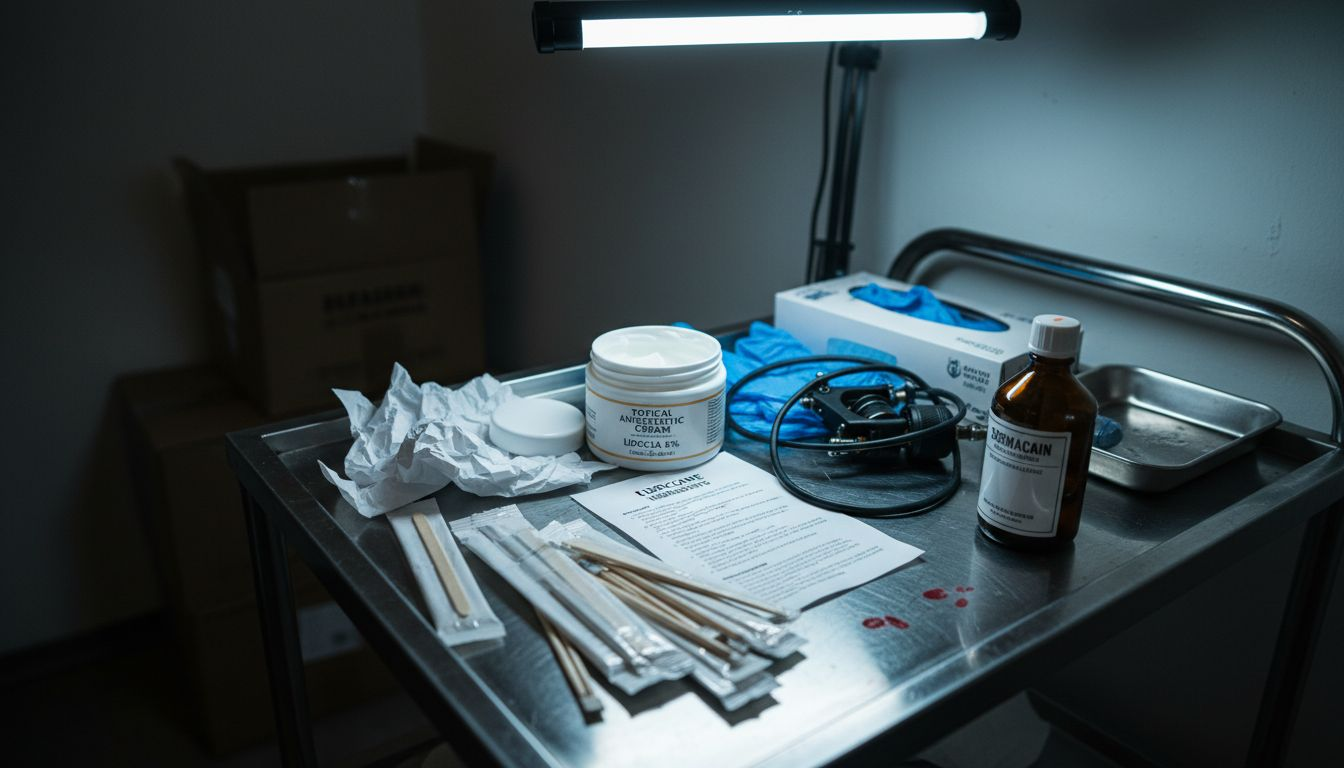
Numbing product formulations differ significantly based on their intended use and target audience. Professional-grade products often feature more complex ingredient combinations, including natural soothing agents that help reduce inflammation. Factors like skin sensitivity, tattoo location, and individual pain tolerance influence the selection of an appropriate numbing cream. Some specialized formulations are designed for specific skin types or tattoo sizes, offering tailored pain management solutions for different client needs.
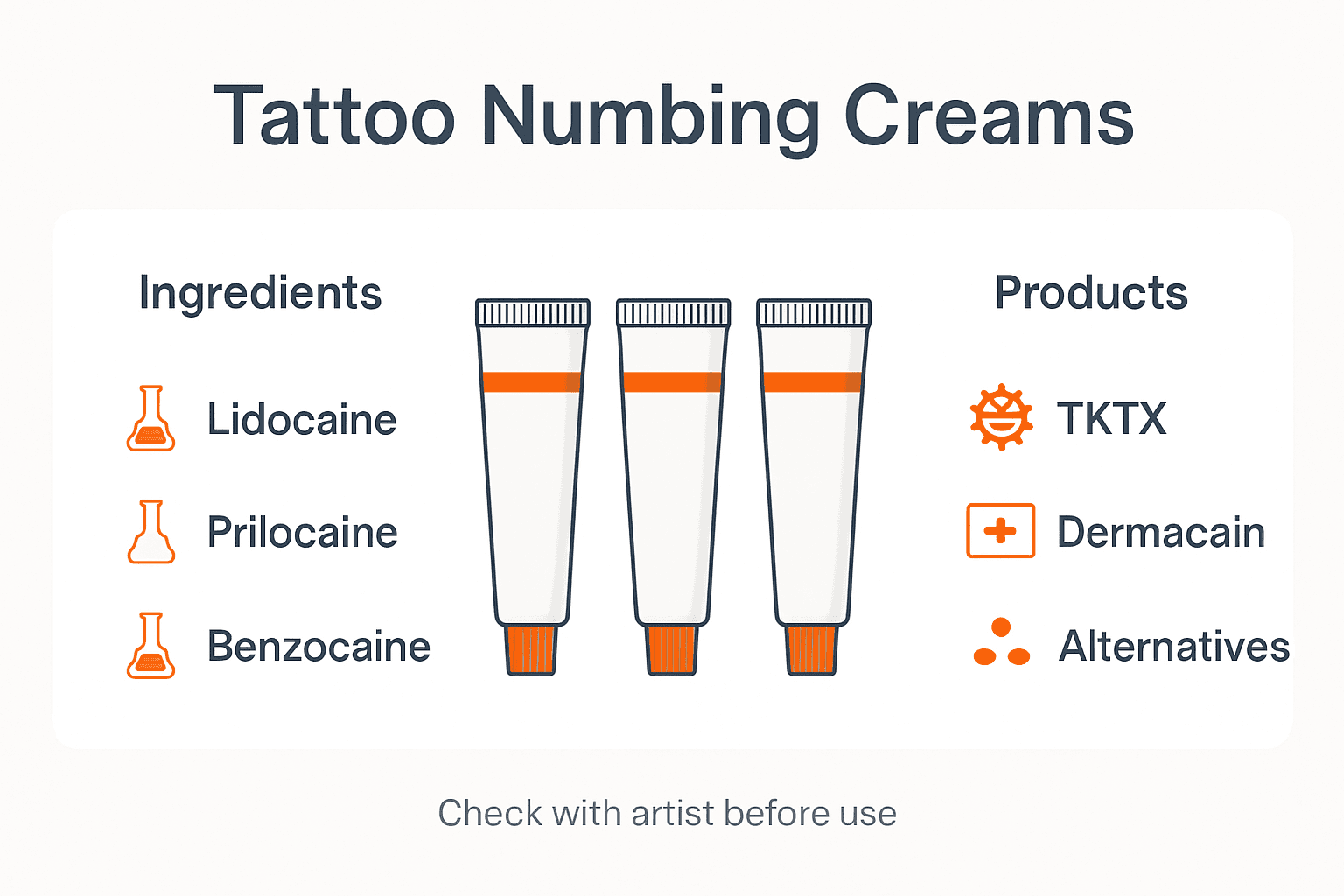
Here is a concise comparison of common numbing cream ingredients and their main characteristics:
| Ingredient | Typical Effect Duration | Notable Benefit | Common Use Case |
|---|---|---|---|
| Lidocaine | 1-2 hours | Rapid onset, reliable numbing | Most general tattoo applications |
| Benzocaine | 1-1.5 hours | Suitable for sensitive skin | Small or delicate tattoos |
| Prilocaine | 1-2 hours | Works well with lidocaine | Combination formulas |
| Tetracaine | 2-4 hours | Longer-lasting effect | Extended sessions or large areas |
Pro tip: Always perform a small patch test with any numbing cream 24 hours before your tattoo session to check for potential allergic reactions or skin sensitivities.
Proper Application for Best Results
Applying tattoo numbing cream requires precision and careful technique to maximize its effectiveness and ensure a comfortable tattoo experience. While no specific research links are available for this section, professional tattoo artists recommend a systematic approach to numbing cream application. The process begins with thorough skin preparation, which involves cleaning the tattoo area completely and ensuring the skin is free from oils, dirt, and any residual skincare products.
The application technique is critically important for optimal pain reduction. Most numbing creams require a thick, even layer applied approximately 30-45 minutes before the tattoo session begins. Users should spread the cream generously across the entire area to be tattooed, typically using a gloved hand or clean applicator. After application, some creams recommend covering the area with plastic wrap to enhance absorption and prevent the cream from drying out. It’s essential to follow the specific manufacturer’s instructions, as different products may have slightly varying application protocols.
Timing and quantity are crucial factors in numbing cream effectiveness. Most professional-grade numbing creams work best when applied in a generous, uniform layer approximately 30-45 minutes prior to the tattoo session. The cream needs sufficient time to penetrate the skin and block nerve signals effectively. However, users should be cautious not to apply the cream too early, as the numbing effect can begin to diminish before the tattoo starts. Some artists recommend a “touch-up” application closer to the tattoo time to maintain maximum pain reduction.
Pro tip: Communicate openly with your tattoo artist about your numbing cream usage, as some artists have specific preferences or recommendations for application techniques specific to their tattooing style.
Safety, Side Effects, and Legal Guidelines
European regulatory research on tattoo product safety reveals complex legal landscapes surrounding numbing creams and tattoo-related products. Currently, no comprehensive EU-wide legislation specifically governs these topical anesthetic solutions. Side effects can range from mild skin irritation to more serious allergic reactions, making informed usage critically important. Consumers must carefully review product ingredients and understand potential risks before application.
The primary safety concerns involve potential allergic reactions, skin sensitivity, and inappropriate product usage. German health authorities emphasize the importance of ingredient restrictions under the REACH Regulation, which limits harmful substances in topical products. Potential side effects include temporary skin numbness, redness, swelling, and in rare cases, more severe allergic responses. Individuals with pre-existing skin conditions, sensitive skin, or known allergies to local anesthetics should exercise extreme caution and consult healthcare professionals before using numbing creams.
Legal guidelines vary significantly across Central European countries, with national regulations providing different levels of consumer protection. Some jurisdictions require strict ingredient labeling and product testing, while others maintain more lenient approaches. Users must be aware that the legal responsibility often falls on the consumer to verify product safety, understand potential interactions, and follow manufacturer instructions precisely. This means carefully checking product composition, conducting patch tests, and being vigilant about any unusual skin reactions or sensitivities.
Pro tip: Always perform a comprehensive patch test at least 24 hours before your tattoo session, and keep the packaging with ingredient list for potential medical reference in case of unexpected reactions.
Comparing TKTX, Dermacain, and Alternatives
TKTX and Dermacain represent two prominent numbing cream solutions in the European tattoo market, each offering unique characteristics for pain management during tattoo sessions. These specialized topical anesthetics differ significantly in their formulation, onset time, and duration of effectiveness. While both products aim to reduce pain, individual users may experience varied results based on skin type, tattoo location, and personal pain tolerance.
The primary differences between TKTX and Dermacain emerge in their specific anesthetic composition and application protocols. TKTX typically features a faster-acting formula with a more intense numbing effect, making it popular among clients seeking rapid pain reduction. Dermacain, by contrast, offers a more gradual and sustained numbing experience, which some users prefer for longer tattoo sessions. Alternative products in the market include traditional lidocaine-based creams and newer hybrid formulations that combine multiple pain-blocking agents to create a more comprehensive numbing solution.
When comparing these numbing products, several key factors become critical for potential users. Efficacy varies based on individual skin sensitivity, tattoo placement, and the specific technique used by the tattoo artist. Some clients find TKTX more suitable for smaller, more intense tattoo work, while others prefer Dermacain for larger, more extended sessions. Alternative options like professional-grade compounded numbing solutions or prescription-strength topical anesthetics can provide additional pain management strategies for those with extreme sensitivity or specific medical considerations.
The table below highlights key differences among popular tattoo numbing creams:
| Product | Onset Time | Duration | Best For |
|---|---|---|---|
| TKTX | 20-30 minutes | 3-5 hours | Quick relief, small tattoos |
| Dermacain | 40-60 minutes | 4-6 hours | Long sessions, large areas |
| Lidocaine-only | 30-40 minutes | 1-2 hours | Moderate pain, short sessions |
| Hybrid formulas | 30-50 minutes | 2-4 hours | Sensitive or complex tattoos |
Pro tip: Consult with your specific tattoo artist about their recommended numbing cream, as some professionals have preferences based on their individual tattooing techniques and experience with different products.
Addressing Myths and Artist Concerns
Comprehensive interviews with tattoo professionals reveal a nuanced landscape of opinions surrounding numbing cream usage. Many artists traditionally view pain as an integral part of the tattoo experience, creating a philosophical divide about whether numbing creams enhance or detract from the authenticity of the tattooing process. Misconceptions about numbing creams often stem from concerns about their potential impact on skin texture, tattoo quality, and the artist’s ability to gauge client pain tolerance during the session.
The primary myths surrounding numbing creams center on their perceived negative effects on tattoo outcomes. Artists worry that these products might alter skin elasticity, create uneven surface tension, or interfere with ink absorption. However, modern research and professional experience suggest that when used correctly, high-quality numbing creams have minimal impact on tattoo quality. Some artists even acknowledge that reduced client discomfort can lead to more stable positioning, fewer involuntary movements, and ultimately more precise tattoo work. The key lies in proper application and communication between the client and the tattoo artist.
Professional perspectives on numbing creams have evolved significantly in recent years. While some artists remain skeptical, many now recognize the value of pain management, particularly for clients with low pain tolerance or those getting tattoos in particularly sensitive areas. The conversation has shifted from blanket rejection to a more nuanced approach that considers individual client needs, tattoo complexity, and specific body locations. Artists increasingly recommend consulting with them before using numbing creams, ensuring compatibility with their specific techniques and the client’s unique skin characteristics.
Pro tip: Always discuss your intention to use a numbing cream with your tattoo artist beforehand, bringing the specific product for their review and getting their professional input on application techniques.
Experience Pain-Free Tattoo Sessions with Trusted Numbing Creams
Getting a tattoo can be an intense experience especially when dealing with sensitive areas or long sessions. The challenge many face is managing pain without compromising skin health or tattoo quality. This article highlights key concepts like lidocaine-based anesthetics and application timing that are crucial for effective pain relief. If you want to minimize discomfort and enjoy smoother tattooing, using professional numbing creams such as TKTX and Dermacain can transform your session into a comfortable and manageable process.

Discover how our range of top-quality numbing creams guarantees up to 3 hours of reliable pain relief across all of Europe. We stand behind our products with a customer satisfaction promise and free shipping on orders over 30 Euro. Take control of your tattoo pain today by visiting our trusted collection and prepare yourself for a pain-free experience. Don’t wait until your next session starts to face discomfort. Act now to experience the difference by choosing TKTX and Dermacain from Buy TKTX Online.
Frequently Asked Questions
How do tattoo numbing creams work?
Tattoo numbing creams contain anesthetic compounds like lidocaine and benzocaine that block nerve pain signaling in the skin. When applied before tattooing, they temporarily interrupt nerve signal transmission, reducing pain perception during the procedure.
What are the common ingredients in numbing creams?
The most common active ingredients in tattoo numbing creams include lidocaine, prilocaine, benzocaine, and tetracaine. Each ingredient has unique properties that affect onset time and duration of pain relief.
How should I apply numbing cream for the best results?
Apply a thick, even layer of numbing cream to the tattoo area about 30-45 minutes before your session. Covering the area with plastic wrap can enhance absorption, but always follow the manufacturer’s instructions for the specific product you are using.
Are there any side effects associated with numbing creams?
Yes, potential side effects include mild skin irritation, redness, swelling, and, in rare cases, allergic reactions. It is important to conduct a patch test before use and consult a healthcare professional if you have sensitive skin or allergies.


