

Finding ways to make tattoos less painful has become a top priority for many studios across Central Europe. Pain management not only impacts each client’s comfort but also shapes their memories of the experience and your reputation as a professional. By exploring the facts and dispelling common myths about tattoo numbing solutions, you can confidently choose safe techniques that support both quality results and happier clients.
Table of Contents
- What Is Tattoo Numbing And Common Myths
- Types Of Tattoo Numbing Creams Explained
- How Numbing Creams Work And Application Steps
- Safety, Legal Requirements, And Product Quality
- Risks, Client Responsibilities, And Artist Feedback
Key Takeaways
| Point | Details |
|---|---|
| Understanding Tattoo Numbing | Tattoo numbing is a technique that reduces pain during procedures using topical anesthetics like lidocaine or benzocaine. It enhances client comfort, allowing for a more relaxed tattoo experience. |
| Myths About Numbing Creams | Common misconceptions suggest that numbing creams completely eliminate pain or that they can negatively affect tattoo quality. In reality, they reduce pain but do not remove it entirely and do not impact the tattoo outcome. |
| Types of Numbing Products | Various forms of numbing creams exist, including topical anesthetics, nerve blockers, and combination formulas, each suited for different tattoo types and skin sensitivities. Selecting the proper type is key for effective pain management. |
| Client Responsibilities | Clients should disclose their medical histories, conduct patch tests for allergies, and follow application instructions strictly to ensure safety and effectiveness of the numbing cream. Communication with the tattoo artist about the use of numbing products is essential for a successful session. |
What Is Tattoo Numbing And Common Myths
Tattoo numbing is a specialized pain management technique designed to minimize discomfort during tattoo procedures. By using topical anesthetic creams or sprays, clients can significantly reduce the pain associated with getting inked. The primary goal is to create a more comfortable and less stressful experience for individuals seeking body art.
Modern tattoo numbing solutions work by temporarily blocking nerve signals in the skin, effectively reducing pain sensations during the tattooing process. These products typically contain active ingredients like lidocaine or benzocaine, which are FDA-approved local anesthetics. Numbing cream myths persist among tattoo enthusiasts and can prevent people from experiencing a more comfortable tattoo session.
Common misconceptions about tattoo numbing include:
- Numbing creams completely eliminate all pain (False: they reduce pain, but do not remove it entirely)
- Numbing products are unsafe for tattoo procedures (False: When used correctly, they are safe and approved)
- Numbing will affect tattoo quality or ink absorption (False: Professional products do not impact tattoo results)
- Numbing creams work instantly (False: Most require 30-45 minutes to become effective)
Professional tattoo artists understand that pain tolerance varies significantly between individuals. Some clients have extremely sensitive skin or lower pain thresholds, making numbing solutions an essential option for a positive tattoo experience. The psychological comfort provided by numbing can also help clients remain still and relaxed during longer tattoo sessions.
Pro tip: Always consult with your tattoo artist about proper numbing cream application and timing to ensure the best possible experience.
Types Of Tattoo Numbing Creams Explained
Tattoo numbing creams represent a sophisticated approach to pain management during tattoo procedures, offering clients multiple options for reducing discomfort. Pain management solutions vary widely in their composition, effectiveness, and application techniques.
The primary types of tattoo numbing creams can be categorized into three main groups:
- Topical Anesthetics: Surface-level creams containing lidocaine or benzocaine
- Nerve Blockers: Advanced formulations that interrupt pain signal transmission
- Combination Formulas: Hybrid products offering multiple pain reduction mechanisms
Professional-grade numbing creams typically contain lidocaine as their primary active ingredient, with concentrations ranging from 2% to 5%. These medications work by temporarily blocking nerve signals in the skin, effectively reducing pain sensations during tattoo application. Most high-quality numbing creams require approximately 30-45 minutes for full absorption and can provide pain relief lasting 2-4 hours.
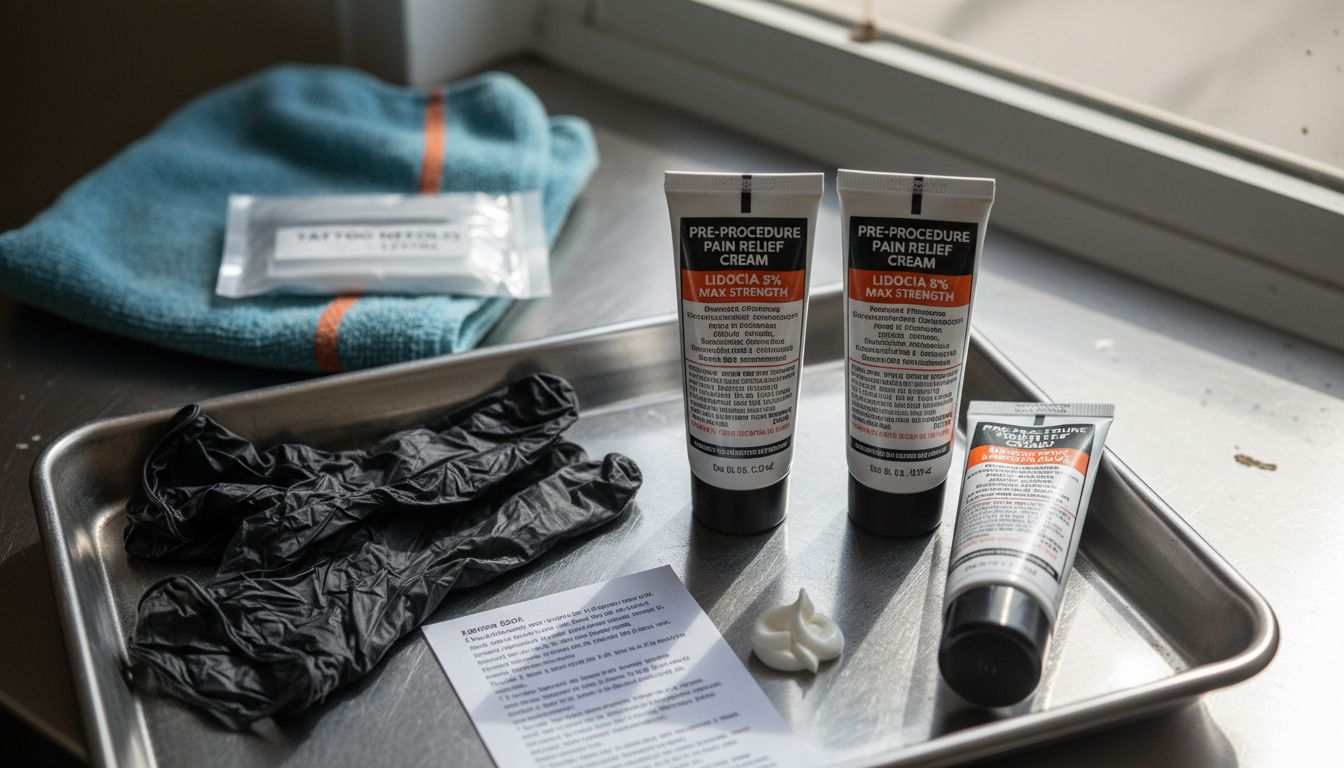
Understanding the specific ingredients and their functions is crucial for selecting the most appropriate numbing solution. Some creams include additional compounds like tetracaine or prilocaine to enhance pain management and reduce potential skin irritation. Professional tattoo artists often recommend specific products based on individual client sensitivity and tattoo placement.
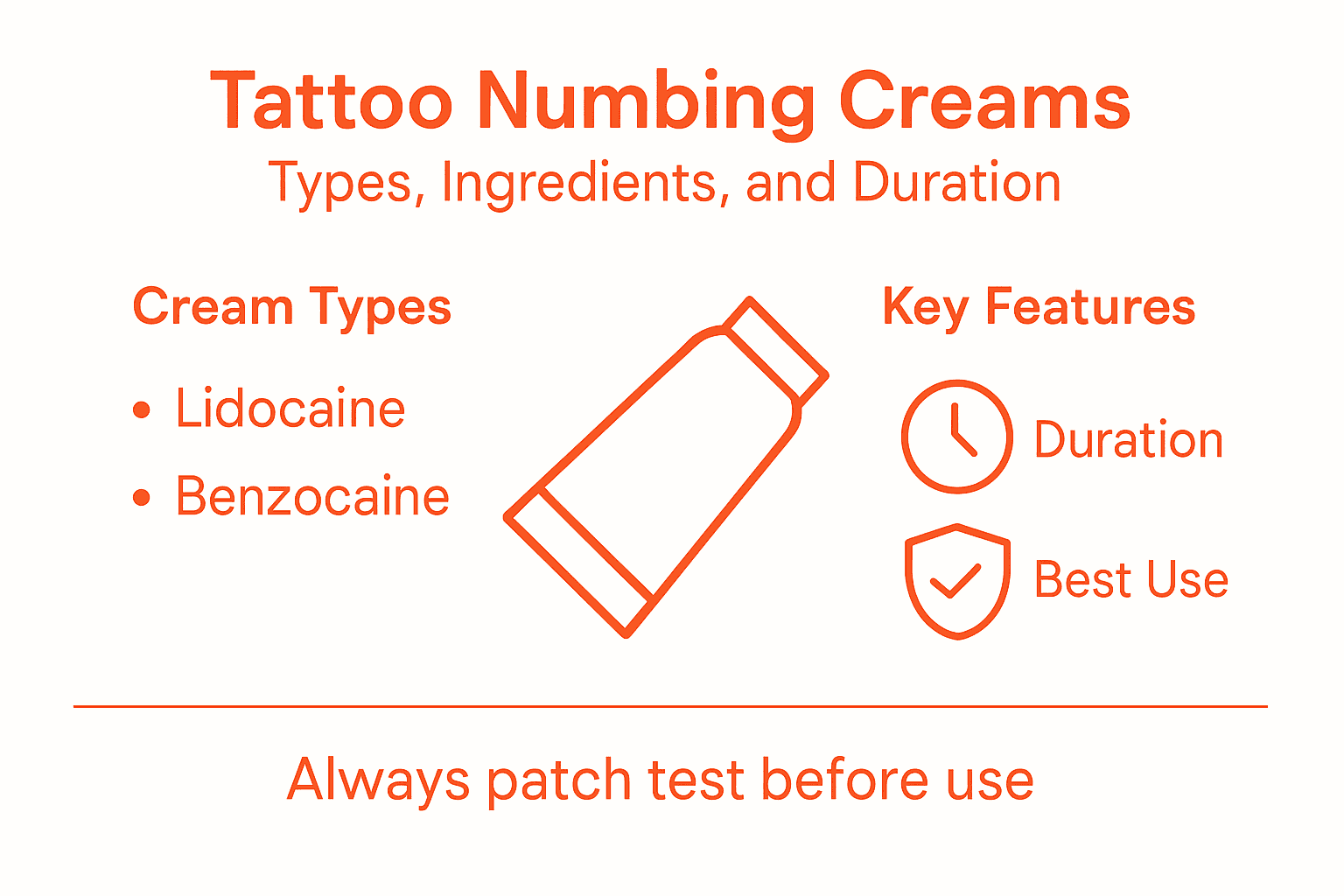
Here’s a summary of tattoo numbing cream types and their unique advantages:
| Numbing Cream Type | Primary Ingredient | Pain Relief Duration | Best Use Case |
|---|---|---|---|
| Topical Anesthetics | Lidocaine | 2-4 hours | Small to medium tattoos |
| Nerve Blockers | Benzocaine | Up to 3 hours | Sensitive skin areas |
| Combination Formulas | Lidocaine & others | 2-4 hours | Long, complex sessions |
Pro tip: Always perform a small skin patch test with your chosen numbing cream at least 24 hours before your tattoo appointment to check for potential allergic reactions.
How Numbing Creams Work And Application Steps
Numbing creams utilize sophisticated biochemical mechanisms to interrupt pain signals during tattoo procedures. Numbing cream science involves blocking nerve signals through targeted interaction with nerve cell membranes, providing temporary pain relief for clients.
The scientific process of pain reduction involves several key mechanisms:
- Sodium Channel Blocking: Active ingredients like lidocaine prevent nerve impulse transmission
- Localized Anesthesia: Creates temporary numbness in specific skin areas
- Nerve Signal Interruption: Prevents pain signals from reaching the brain
Professional numbing cream application requires precise steps to ensure maximum effectiveness. Preparation is crucial and involves cleaning the skin thoroughly to remove oils, dirt, and bacteria that might interfere with cream absorption. The application process typically follows these guidelines:
- Clean the skin with mild soap and warm water
- Dry the area completely with a clean towel
- Apply a thin, even layer of numbing cream
- Avoid rubbing the cream into the skin
- Cover with an occlusive medical dressing
- Wait 30-90 minutes before tattoo procedure
Most professional-grade numbing creams contain lidocaine or benzocaine as primary active ingredients. These compounds work by temporarily blocking sodium channels in nerve cell membranes, effectively preventing pain signal transmission. Different formulations offer varying levels of effectiveness, with concentrations typically ranging from 2% to 5%.
Pro tip: Always perform a patch test 24 hours prior to your tattoo to check for potential allergic reactions and ensure optimal skin compatibility.
Safety, Legal Requirements, And Product Quality
In the European tattoo industry, product safety and regulatory compliance are paramount concerns for professionals and clients alike. EU regulations rigorously control chemical substances to protect consumer health and ensure comprehensive product safety standards.
Key safety considerations for numbing creams include:
- Chemical Composition: Strict restrictions on potentially harmful ingredients
- Ingredient Transparency: Clear labeling of active and inactive components
- Concentration Limits: Regulated maximum percentages of active anesthetic agents
- Quality Certification: Compliance with European medical and cosmetic standards
Professional-grade numbing creams must meet stringent European regulatory requirements. These standards mandate comprehensive testing to ensure product safety, including detailed assessments of:
- Potential allergenic ingredients
- Maximum allowable chemical concentrations
- Long-term skin interaction effects
- Compatibility with tattoo ink and skin types
Manufacturers must provide clear documentation demonstrating their products’ compliance with REACH regulations. This includes detailed ingredient lists, potential side effect warnings, and precise application instructions. Professional tattoo artists should only use products that can provide comprehensive safety certifications and transparent ingredient information.
Compare key factors affecting client safety and product quality in tattoo numbing:
| Factor | Why It Matters | Impact on Experience |
|---|---|---|
| Ingredient Purity | Reduces allergic reactions | Safer and smoother healing |
| Certified Concentration | Prevents overdose | Consistent pain relief |
| Transparency | Encourages trust | Informed client choice |
| Regulatory Compliance | Meets industry standards | Reliable product usage |
European regulations prioritize consumer protection, ensuring that numbing products meet the highest safety and quality standards.
Pro tip: Always request and verify the safety certification and ingredient list from your numbing cream manufacturer before use.
Risks, Client Responsibilities, And Artist Feedback
Navigating the complex landscape of tattoo numbing requires understanding potential risks and maintaining open communication between clients and artists. Tattoo artists often advise caution when considering numbing cream usage during tattoo procedures.
Potential risks associated with numbing cream application include:
- Skin Texture Alteration: Potential interference with tattoo ink absorption
- Allergic Reactions: Unexpected dermatological responses
- Sensation Interference: Reduced pain perception leading to unexpected client movements
- Healing Complications: Potential prolonged recovery or skin irritation
Client responsibilities in the numbing process are critical and involve several key considerations:
- Full disclosure of medical history to the tattoo artist
- Performing comprehensive patch tests before procedure
- Understanding potential limitations of numbing products
- Following precise application instructions
- Communicating any unusual skin reactions immediately
Professional tattoo artists emphasize the importance of transparent communication. They recommend discussing numbing cream use well in advance, understanding individual skin sensitivities, and developing a collaborative approach to pain management. Some artists may have specific protocols or recommendations based on tattoo location, size, and client medical history.
Professional artists prioritize client safety and tattoo quality over temporary pain reduction strategies.
Pro tip: Schedule a consultation with your tattoo artist to discuss numbing cream compatibility and develop a personalized pain management strategy.
Experience a Pain-Free Tattoo Journey with Trusted Numbing Solutions
Understanding the challenges of managing tattoo pain is essential for a comfortable experience. The article highlights key concerns like the effectiveness of numbing creams, correct application timing, and safety regulations that affect how clients feel during and after their tattoo sessions. If you want to reduce discomfort using proven products such as lidocaine-based creams like TKTX or Dermacain that guarantee up to 3 hours of pain relief, you have reliable options right here.
Our solutions directly address the need for safe, effective, and easy-to-use numbing creams recommended by tattoo professionals across Europe. With free shipping on orders over 30 Euro and a satisfaction guarantee that offers full refunds upon return, you can confidently prepare for your next tattoo. Learn more about how to ensure smooth pain management and protect your skin by choosing certified creams designed to align with European safety standards.

Don’t let pain hold you back from your ideal tattoo. Visit our website now to explore premium numbing creams and discover how to get the most out of your tattoo experience. For detailed guidance and trusted products, check out the comprehensive information on how numbing creams work and pain management with tattoo numbing creams. Take control of your next tattoo session with science-backed comfort by ordering your numbing cream today.
Frequently Asked Questions
How do tattoo numbing creams work?
Tattoo numbing creams work by temporarily blocking nerve signals in the skin. They contain active ingredients like lidocaine or benzocaine, which interrupt pain signal transmission, providing pain relief during the tattooing process.
Are tattoo numbing creams safe to use?
Yes, when used correctly and according to instructions, professional-grade tattoo numbing creams are safe and FDA-approved. They are regulated for safe chemical composition and ingredient transparency.
How long before my tattoo appointment should I apply numbing cream?
Most numbing creams need to be applied about 30-45 minutes before the tattoo procedure for optimal effectiveness. Always follow the specific instructions provided with the product for the best results.
Can numbing creams affect the quality of my tattoo?
No, high-quality numbing creams do not affect the quality or ink absorption of tattoos. They are designed to provide sufficient pain relief without compromising the tattooing process.


