

Most tattoo clients expect numbing creams to deliver completely painless sessions, yet many find themselves surprised by sudden pain mid-tattoo. The reality is that topical anesthetics face significant biological and practical limitations that prevent them from guaranteering pain-free experiences. Understanding why numbing creams fail during tattoos helps both enthusiasts and artists across Europe set realistic expectations and make informed decisions. This guide reveals the scientific, practical, and legal factors that limit numbing effectiveness, empowering you to approach your next tattoo session with clarity and confidence.
Table of Contents
- How Numbing Creams Work And Their Depth Limitations
- Why Numbness Fades Quickly And Affects Tattoo Experience
- Skin Texture Changes From Numbing Creams And Impact On Tattoo Quality
- Legal And Regulatory Considerations For Numbing Cream Use In Europe
- Explore Safe And Effective Numbing Solutions At TKTX
- Frequently Asked Questions
Key takeaways
| Point | Details |
|---|---|
| Surface-level numbing only | Topical creams numb the epidermis but cannot reach the dermis where tattoo needles deposit ink. |
| Rapid wear-off during sessions | Numbing effects typically fade before tattoo completion, causing unexpected pain spikes. |
| Skin texture complications | Prolonged cream use causes swelling and rubbery skin that reduces ink absorption quality. |
| European legal restrictions | Strict regulations limit unlicensed anesthetic use, preventing many studios from applying creams. |
| Variable pain reduction | Creams reduce but rarely eliminate tattoo pain completely due to depth and duration limits. |
How numbing creams work and their depth limitations
The fundamental limitation of tattoo numbing creams stems from basic skin anatomy. Your skin consists of multiple layers, with the epidermis forming the outermost barrier and the dermis lying beneath. Topical anesthetics like EMLA numb superficially but fail for deeper dermal penetration required in tattooing. This creates a critical mismatch between where the cream works and where tattoo needles actually deposit ink.
Tattoo needles penetrate 1 to 2 millimeters deep, reaching well into the dermis to ensure permanent ink placement. Numbing cream molecules, however, struggle to pass through the epidermis’s protective barrier. Even with extended application times, active ingredients like lidocaine or prilocaine concentrate in surface layers, leaving deeper pain receptors fully active. When the needle reaches its target depth, you feel the full sensation despite having applied cream properly.
This biological reality explains why so many clients report feeling intense pain after initially experiencing numbness. The limitations of numbing creams for tattoos become immediately apparent once the needle moves beyond the superficial layer. Many people assume that numbness on the skin surface means complete anesthesia throughout, but this misconception leads to disappointing and sometimes traumatic tattoo experiences.
Pro Tip: Understanding that numbing creams only affect surface skin helps you communicate realistic expectations with your tattoo artist and prepare mentally for deeper sensations during your session.
Consider this comparison of skin layers and numbing effectiveness:
- Epidermis (0 to 0.1mm depth): Maximum numbing effect, cream molecules concentrate here, surface touch feels completely numb
- Upper dermis (0.1 to 1mm depth): Minimal numbing effect, some molecules penetrate but insufficient concentration, partial sensation remains
- Target tattoo depth (1 to 2mm): No numbing effect, pain receptors fully active, needle sensation felt completely
The deeper the needle goes, the less effective surface numbing becomes. This fundamental limitation cannot be overcome by applying more cream or leaving it on longer.
Why numbness fades quickly and affects tattoo experience
Even when numbing creams provide initial relief, their effects rarely last through an entire tattoo session. Most topical anesthetics offer 1 to 2 hours of peak effectiveness, yet many tattoos require 3 to 6 hours or longer to complete. Numbing wears off quickly during sessions, leading to sudden pain return that catches clients psychologically unprepared. This sudden transition from numbness to full sensation creates a jarring experience that many describe as worse than starting without numbing.
Several physiological factors accelerate the loss of numbing effects during tattooing. Blood flow increases significantly in response to needle trauma, diluting and washing away anesthetic molecules from the treatment area. The repetitive needle punctures also disrupt the skin barrier that initially helped trap numbing agents near nerve endings. Additionally, body heat and natural metabolic processes break down active ingredients faster than many people realize.
The psychological impact of fading numbness compounds the physical pain. When you expect continued relief but suddenly feel intense sensation, your brain interprets the pain as more severe than it objectively is. Anxiety and surprise trigger stress responses that lower your pain threshold, making the remaining session significantly harder to endure. Many artists report that clients who start with numbing cream struggle more in later hours than those who never used it.
Common reasons for early numbness loss include:
- Insufficient application time: Rushing the 60 to 90 minute absorption period reduces initial effectiveness
- Inadequate occlusion: Failing to cover cream with plastic wrap prevents proper penetration
- Excessive wiping: Artists cleaning the area repeatedly remove residual anesthetic from skin surface
- Individual metabolism: Some people break down lidocaine or prilocaine faster than average
- Body location: Areas with higher blood flow like ribs or inner arms lose numbness quicker
Pro Tip: Plan your tattoo session timing around numbing duration and communicate openly with your artist about when you expect effects to fade. Consider extending numbing effects for comfortable tattoo sessions through proper application and timing strategies.
Shorter sessions with planned breaks allow you to reapply cream if legally permitted, though this adds significant time and may not be practical for complex designs. Understanding these timing limitations helps you make informed decisions about whether numbing cream genuinely benefits your specific situation or creates false expectations that worsen your experience.
Skin texture changes from numbing creams and impact on tattoo quality
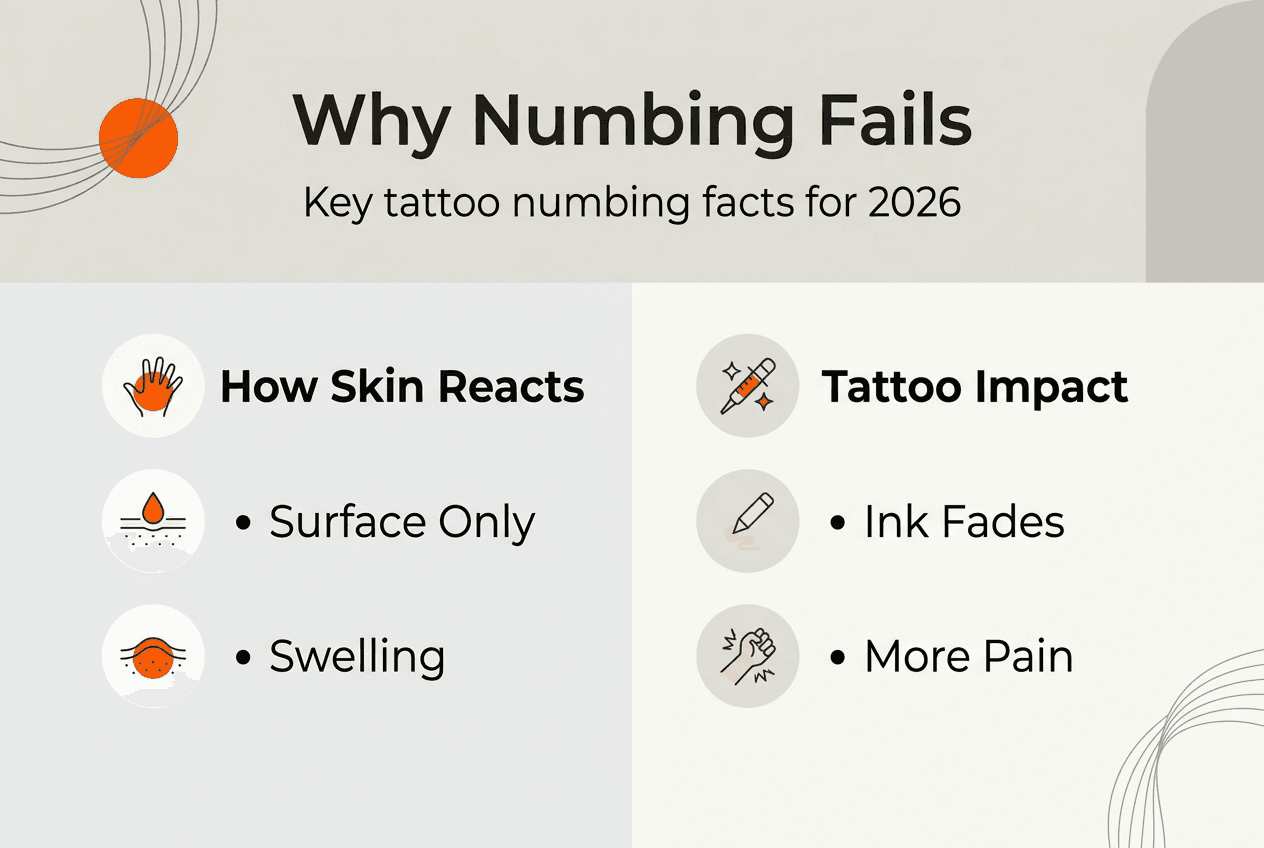
Prolonged exposure to topical anesthetics creates physical changes in skin texture that directly compromise tattoo quality. Skin texture changes including rubbery and leathery qualities from creams hinder tattooing and ink absorption. This transformation occurs because numbing agents cause localized swelling and alter the skin’s normal elasticity, making it behave differently under the tattoo needle.
When skin becomes swollen and rubbery, the needle encounters increased resistance and unpredictable behavior. The altered texture makes it harder for artists to control depth precisely, potentially leading to uneven ink saturation. Some areas may receive too much ink while others get too little, resulting in patchy healing and requiring additional touch-up sessions. The swelling also distorts the skin’s natural contours, making it difficult to execute fine details or maintain straight lines.
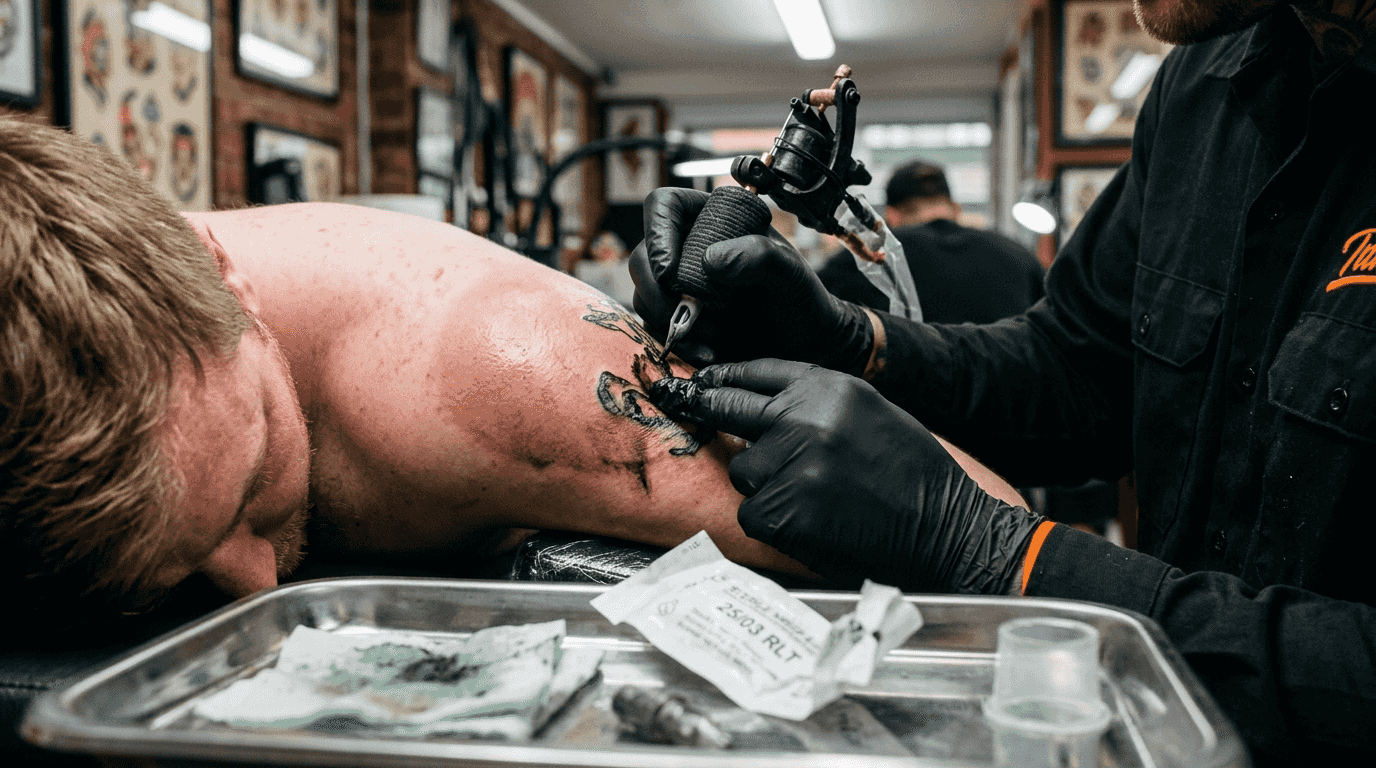
Ink absorption suffers significantly in numbed skin. The swelling creates extra fluid between skin cells, diluting ink concentration and preventing pigment molecules from settling properly into the dermis. As the swelling subsides over the following days, some ink gets pushed out during healing, leading to faded or uneven color. Many experienced artists refuse to work on heavily numbed skin specifically because they cannot guarantee their usual quality standards.
Skin condition comparison:
| Aspect | Normal Skin | After Numbing Cream | | — | — | | Texture | Firm and elastic | Swollen and rubbery | | Needle response | Predictable resistance | Variable and unpredictable | | Ink retention | Optimal absorption | Reduced by 20 to 30 percent | | Healing quality | Even and consistent | Patchy with potential fading | | Touch-up likelihood | Low to moderate | Moderate to high |
Some tattoo artists have implemented strict policies against numbing creams in their studios. They recognize that while clients seek immediate comfort, the long-term quality trade-off rarely justifies the temporary relief. A tattoo that requires multiple touch-up sessions due to poor initial ink retention costs more time, money, and discomfort than enduring the original session without numbing.
Pro Tip: If you choose to use numbing cream, limit application time to the minimum effective duration and consult your artist beforehand. Consider numbing effectiveness by body area to make informed decisions about where cream might help versus where it could harm results.
The relationship between comfort and quality requires careful consideration. A slightly more uncomfortable session that produces a crisp, vibrant tattoo typically provides better long-term satisfaction than a numbed session that yields a faded, uneven result requiring correction. Understanding this trade-off helps you prioritize what matters most for your permanent body art.
Legal and regulatory considerations for numbing cream use in Europe
Navigating the legal landscape of tattoo numbing creams in Europe requires understanding complex regulations that vary by country and product formulation. European and UK legal restrictions on unlicensed creams mean artists avoid supplying or applying them to comply with medical device and pharmaceutical regulations. These restrictions exist to protect consumer safety but create practical challenges for both tattoo professionals and clients seeking pain management.
Many topical anesthetics containing concentrations above certain thresholds classify as prescription medications in European Union member states. Products with lidocaine concentrations exceeding 4 to 5 percent typically require medical oversight for legal application. This classification means tattoo artists, who lack medical licenses, cannot legally apply these products to clients even if the client purchased them independently. Violating these regulations exposes studios to significant fines and potential license revocation.
The legal framework creates a responsibility gap where clients must apply numbing creams themselves before arriving at the studio. However, improper self-application frequently leads to inadequate numbing or adverse reactions that complicate the tattoo process. Artists find themselves in difficult positions, unable to guide proper application without potentially crossing into unlicensed medical advice. This situation contributes to the high failure rate of numbing attempts and client dissatisfaction.
Key legal considerations for European tattoo numbing include:
- Product classification: Creams above certain anesthetic concentrations require prescription or medical supervision in most EU countries
- Studio liability: Tattoo shops face legal risk if they supply, recommend, or apply restricted numbing products to clients
- Import restrictions: Some high-concentration formulations cannot be legally imported or sold within EU borders
- Client responsibility: Individuals must research, purchase, and apply numbing creams independently to comply with regulations
- Documentation requirements: Some jurisdictions require clients to sign waivers acknowledging self-application of numbing products
Understanding legal tattoo numbing creams in Europe helps you identify compliant products that balance effectiveness with regulatory requirements. The tattoo numbing legal aspects in Europe continue evolving as regulators respond to increasing consumer demand and safety concerns.
These restrictions explain why many European tattoo artists discourage or prohibit numbing cream use entirely. The legal complexity, combined with quality concerns and application inconsistency, makes numbing creams more trouble than they’re worth for many professionals. Clients who insist on using numbing products should research their country’s specific regulations and purchase only from reputable suppliers offering compliant formulations.
Explore safe and effective numbing solutions at TKTX
Now that you understand the realistic limitations and proper context for tattoo numbing creams, finding quality products that work within these constraints becomes essential. TKTX offers carefully formulated numbing solutions designed specifically for tattoo applications, with various strengths to match different sensitivity levels and body areas. Our products balance effectiveness with safety, helping you achieve meaningful pain reduction while maintaining skin quality for optimal tattoo results.

Our 3x TKTX 40% cream provides reliable surface numbing for moderate pain management, while the TKTX 55% Gold cream offers enhanced numbing for more sensitive areas or longer sessions. For comprehensive tattoo care that extends beyond numbing, explore Dermacain premium tattoo care products designed to support both comfort and healing. We guarantee customer satisfaction across Europe with free shipping on orders over 30 euros and full refunds if you’re not completely satisfied.
Frequently asked questions
What causes numbing creams to fail during tattoos?
Numbing creams fail primarily because they only penetrate the epidermis while tattoo needles work in the deeper dermis. The active ingredients cannot reach pain receptors at tattoo depth, leaving you feeling full sensation where it matters most. Additionally, blood flow and needle trauma wash away surface numbing during the session, causing effects to fade before tattoo completion.
Can prolonged numbing cream use damage skin quality for tattooing?
Yes, extended numbing cream application causes skin swelling and rubbery texture that significantly hinders ink absorption. This altered skin condition makes it harder for artists to control needle depth and achieve even saturation. Many professionals refuse to tattoo heavily numbed skin because the quality trade-off creates patchy results requiring additional touch-up sessions.
Are numbing creams legal for tattoo use in Europe and UK?
Many high-concentration topical anesthetics require medical licenses for legal application in European countries. Most tattoo studios cannot legally supply or apply these products to clients due to pharmaceutical regulations. Clients must research, purchase, and self-apply compliant numbing creams before arriving at their appointment, taking full responsibility for proper use.
How can tattoo clients and artists better manage pain despite numbing cream limits?
Prepare mentally by accepting that some pain is inevitable and focusing on breathing techniques during your session. Schedule shorter appointments with planned breaks rather than marathon sessions that exceed numbing duration. Choose reputable numbing products with proven efficacy and ensure they comply with local regulations. Communicate openly with your artist about pain management expectations and be willing to adjust your approach based on their professional guidance.


