

Finding the right pain relief before a tattoo session often feels like a challenge for many European enthusiasts. Tattoo needles can cause noticeable discomfort as they penetrate the skin and activate sensitive nerve endings. Effective numbing creams work to block these pain signals, making the tattoo experience more comfortable. Discover how specialized creams and smart application techniques can help reduce pain and give you confidence for your next tattoo.
Table of Contents
- What Tattoo Numbing Creams Do
- Types of Numbing Creams and How They Work
- Science Behind Pain Relief During Tattooing
- Safety Tips and Best Application Practices
- Debunking Myths About Pain-Free Tattoos
Key Takeaways
| Point | Details |
|---|---|
| Numbing Cream Functionality | Tattoo numbing creams minimize pain by blocking nerve signals, providing localized numbness during tattooing. |
| Active Ingredients | Common ingredients like Lidocaine and Prilocaine effectively reduce pain, with varying durations of relief. |
| Application Techniques | Proper application techniques, such as patch testing and even coverage, enhance the effectiveness of numbing creams. |
| Myths About Pain Management | Numbing creams do not guarantee pain-free experiences; they reduce discomfort but sensations may still be felt depending on individual tolerance. |
What Tattoo Numbing Creams Do
Tattoo numbing creams are specialized topical anesthetics designed to minimize pain during tattoo application. These products work by temporarily blocking nerve signals in the skin, creating a localized numbing effect that reduces discomfort during needle penetration. Local anesthetic mechanisms enable these creams to interrupt pain transmission directly at the skin’s surface.
Typically, numbing creams contain active ingredients like lidocaine, which acts as a nerve signal blocker. When applied before tattoo sessions, these creams penetrate the skin’s outer layers, creating a temporary barrier against pain sensations. The primary goal is to make the tattoo process more comfortable by reducing the intense needle-related discomfort that many individuals experience.
The effectiveness of numbing creams varies based on their specific formulation and application technique. Different creams offer varying durations of pain relief, ranging from 30 minutes to several hours. However, tattoo artists recommend careful application to ensure uniform coverage and optimal numbing. Tattoo numbing cream safety guidelines suggest consulting professionals and understanding proper usage to maximize comfort while minimizing potential risks.
Pro Tip: Apply numbing cream 30-45 minutes before your tattoo session and cover with plastic wrap to enhance absorption and effectiveness.
Types of Numbing Creams and How They Work
Numbing creams used in tattooing contain several specialized active ingredients designed to interrupt pain signals. Local anesthetic mechanisms involve blocking sodium channels in nerve cell membranes, preventing pain transmission directly at the skin’s surface. The most common active ingredients include lidocaine, prilocaine, benzocaine, and tetracaine, each with unique characteristics and pain-blocking properties.
Lidocaine-based creams remain the most popular and effective option for tattoo numbing. These creams work by temporarily desensitizing nerve endings, creating a localized barrier against pain sensations. Some formulations combine multiple numbing agents to enhance duration and effectiveness, providing tattoo enthusiasts with extended pain relief during intricate or lengthy tattoo sessions.
The different types of numbing creams can be categorized based on their active ingredients and duration of effect. Some creams offer quick onset but shorter pain relief, while others provide longer-lasting numbness. Professional tattoo artists recommend understanding the specific properties of each cream, including penetration depth, absorption rate, and potential skin sensitivity. Careful selection and proper application are crucial to achieving optimal pain management during tattoo procedures.
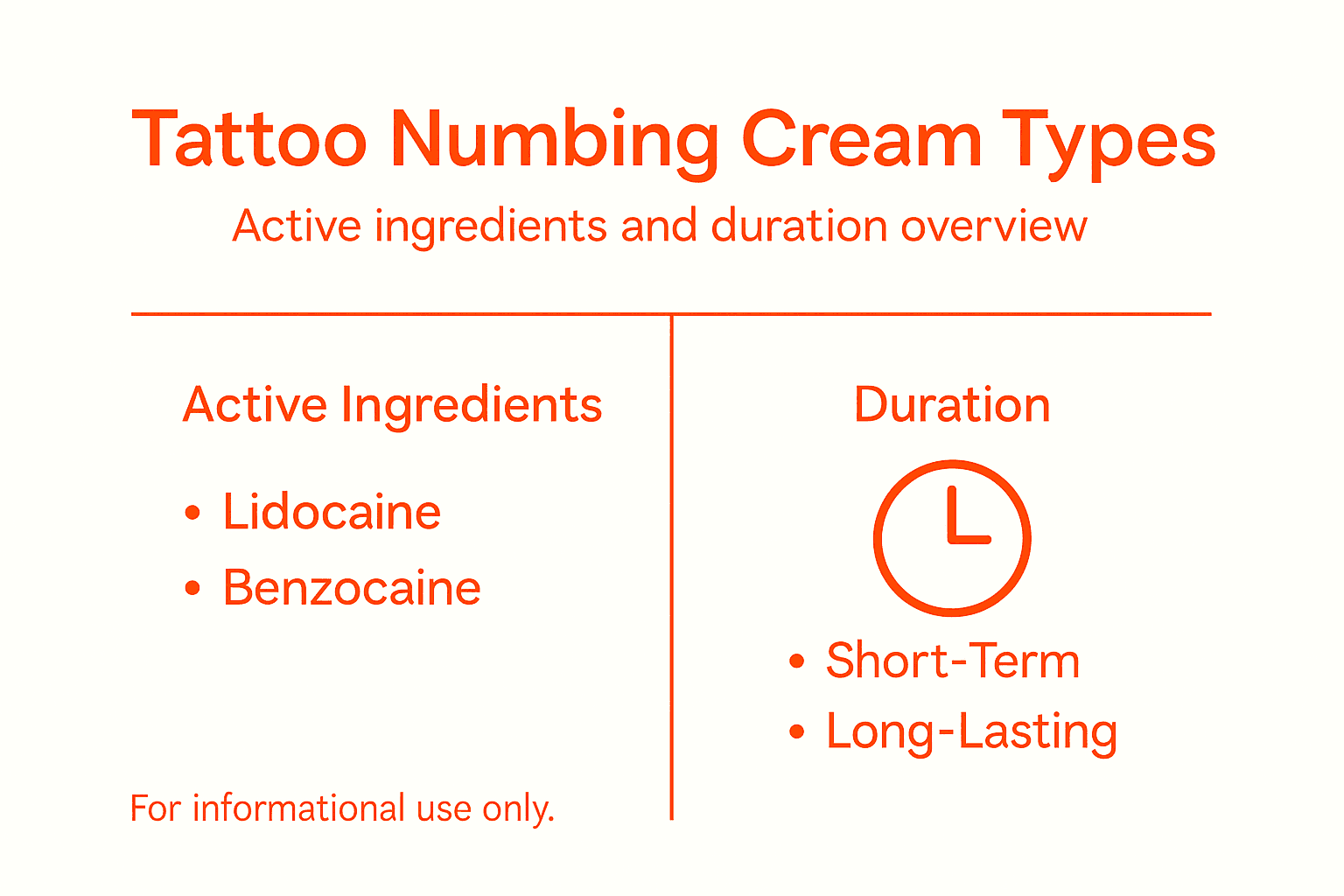
Here’s a comparison of common tattoo numbing cream ingredients:
| Ingredient | Onset of Action | Duration of Relief | Notable Attributes |
|---|---|---|---|
| Lidocaine | 20-30 minutes | 1-2 hours | Highly effective, minimal irritation |
| Prilocaine | 20-30 minutes | 1-2 hours | Often used with lidocaine |
| Benzocaine | 5-10 minutes | 30-60 minutes | Fast onset, shorter duration |
| Tetracaine | 30-45 minutes | 2-4 hours | Longest lasting, higher sensitivity risk |
Pro Tip: Always perform a small skin patch test 24 hours before your tattoo to check for potential allergic reactions or skin sensitivity to the numbing cream.
Science Behind Pain Relief During Tattooing
Tattoo pain is a complex physiological response involving multiple biological mechanisms. Nociceptor activation during tattooing reveals how specialized nerve endings detect tissue damage when needles repeatedly puncture the skin’s epidermis and dermis layers. These nerve endings, called nociceptors, immediately send pain signals to the brain, triggering an acute inflammatory response that amplifies discomfort.
The body’s biological response to tattoo needles is multifaceted. As needles penetrate the skin, they create micro-injuries that activate immune system pathways and release inflammatory chemicals. These chemicals, including histamine, sensitize nerve endings and prolong the sensation of pain. The intensity varies significantly depending on factors like skin thickness, tattoo location, and individual pain tolerance, making each tattoo experience unique.
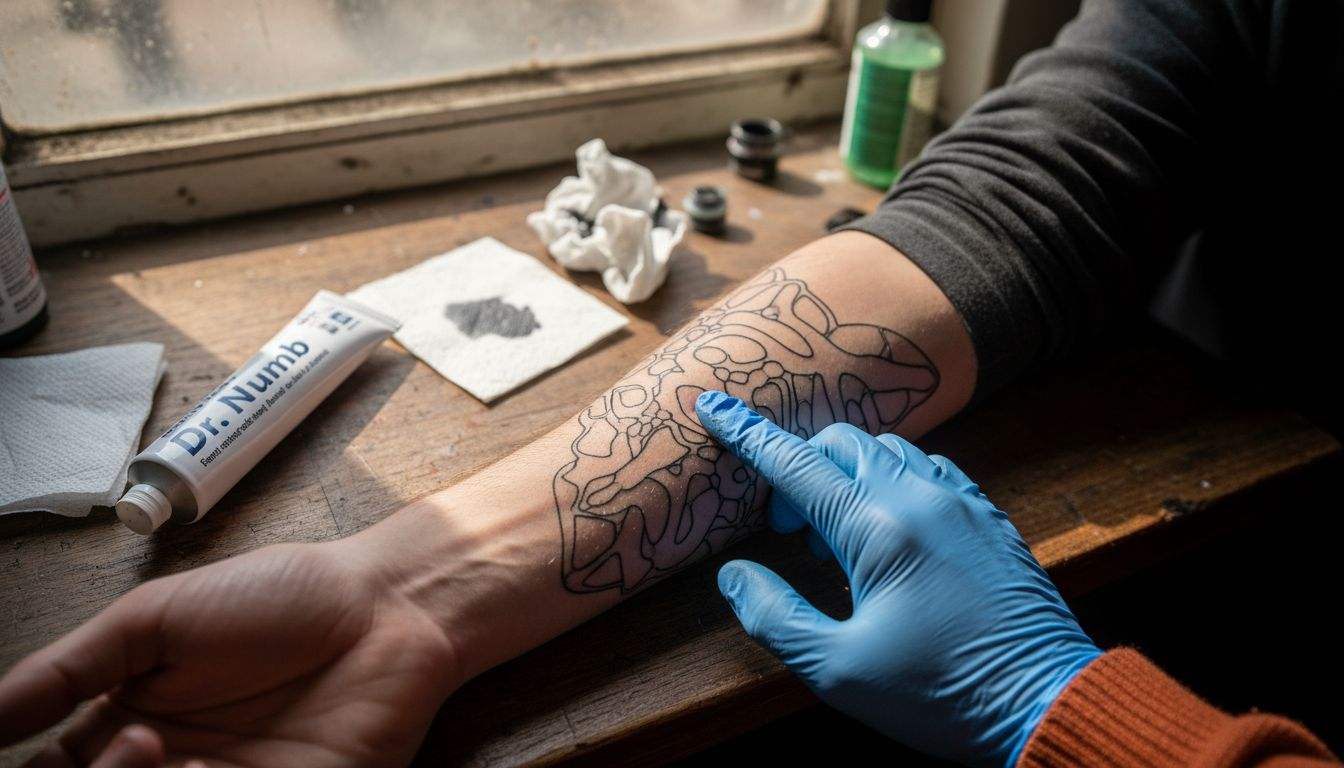
Understanding the scientific mechanism helps explain why pain management techniques like numbing creams are so effective. By blocking sodium channels in nerve cell membranes, these topical anesthetics interrupt the pain transmission pathway before signals reach the brain. Biological pain response in tattooing research demonstrates how targeted interventions can significantly reduce discomfort during the tattoo process, allowing individuals to have a more comfortable and less stressful experience.
Pro Tip: Discuss your pain tolerance and specific concerns with your tattoo artist beforehand to develop a personalized pain management strategy.
Safety Tips and Best Application Practices
Preparing for tattoo numbing cream application requires careful attention to detail and thorough skin preparation. Numbing cream application techniques emphasize the importance of creating an optimal environment for pain management. This involves meticulously cleaning the tattoo area, ensuring the skin is completely dry, and applying a consistent, thick layer of numbing cream to guarantee maximum effectiveness.
The process of applying numbing cream involves several critical steps to ensure safety and efficacy. First, conduct a patch test 24 hours before your tattoo to check for potential allergic reactions. When applying the cream, use clean hands and spread it evenly, creating a uniform layer approximately 1-2 millimeters thick. Cover the area with an occlusive wrap to enhance cream absorption and prevent premature drying. It’s crucial to remove any excess cream before the tattoo session begins to prevent interference with the tattooing process.
Professional tattoo artists recommend understanding the specific requirements of different numbing cream formulations. Some creams require longer absorption times, while others work more quickly. Always follow the manufacturer’s instructions carefully, and communicate openly with your tattoo artist about your pain management strategy. For extended tattoo sessions, be prepared for potential reapplication, and ensure you have proper aftercare products to support skin healing and minimize potential irritation.
Below is a summary of essential safety steps for applying tattoo numbing creams:
| Step | How to Perform | Why It Matters |
|---|---|---|
| Patch test | 24 hours before use | Prevent allergic reactions |
| Clean and dry skin | Before application | Maximizes absorption and effect |
| Apply thick, even layer | 1-2 mm coverage | Ensures uniform numbing |
| Use occlusive wrap | Cover after application | Enhances absorption, prevents drying |
| Remove excess cream | Prior to tattooing | Avoids interference with tattoo process |
Pro Tip: Always keep a clean towel and skin-friendly wipes nearby during your tattoo session to quickly remove any excess numbing cream and maintain a clean application area.
Debunking Myths About Pain-Free Tattoos
Numerous misconceptions surround tattoo pain and pain management, often creating unnecessary anxiety for potential tattoo enthusiasts. Tattoo pain myths challenge long-standing beliefs about the tattooing experience, revealing that modern techniques and numbing solutions have dramatically transformed perceptions of discomfort during tattoo sessions. Contrary to popular belief, tattoos are no longer exclusively associated with rebellious subcultures, and pain management has become a sophisticated, scientifically-approached process.
One of the most persistent myths is that numbing creams guarantee a completely pain-free tattoo experience. In reality, these products reduce discomfort but do not eliminate sensation entirely. Tattoo pain management insights demonstrate that pain tolerance varies significantly between individuals. Some people may experience minimal discomfort, while others might still feel varying levels of sensation during the tattooing process. The effectiveness of numbing creams depends on factors like individual physiology, cream application technique, and the specific area being tattooed.
Another common misconception is that tattoo pain indicates a poor-quality tattoo or unprofessional process. In truth, some level of discomfort is a natural part of the tattooing experience, reflecting the body’s normal inflammatory response to needle penetration. Professional tattoo artists understand that pain management is about creating a comfortable environment, not completely eliminating all sensation. Modern tattoo studios prioritize client comfort, offering multiple strategies to minimize pain and ensure a positive experience for individuals with different pain thresholds.
Pro Tip: Communicate openly with your tattoo artist about your pain tolerance and concerns to develop a personalized comfort strategy that works best for your individual needs.
Enhance Tattoo Comfort with Trusted Numbing Creams
Experiencing pain during tattooing can be a major barrier to enjoying your new artwork. This article reveals how effective numbing creams work by blocking nerve signals and easing nociceptor activation to reduce discomfort during the tattoo process. If you want to manage pain better with scientifically backed solutions, using premium products like TKTX or Dermacain can make a lasting difference. These creams guarantee up to 3 hours of complete comfort which aligns perfectly with the article’s emphasis on careful application and pain relief duration.

Explore our Featured Products – TKTX obchod for top-rated numbing creams trusted all over Europe. Shop now at https://buytktx.online and benefit from free shipping on orders over 30 Euro. If you’re not satisfied, we offer a full money-back guarantee upon product return. Take control of your tattoo pain today and enjoy a calm and confident tattoo experience with our expert-recommended solutions.
Frequently Asked Questions
What are tattoo numbing creams and how do they work?
Tattoo numbing creams are specialized topical anesthetics that minimize pain during tattoo application by temporarily blocking nerve signals in the skin, creating a localized numbing effect.
How long before my tattoo session should I apply numbing cream?
It’s recommended to apply numbing cream 30-45 minutes before your tattoo session to allow sufficient time for absorption and effectiveness.
What are the common active ingredients in tattoo numbing creams?
The most common active ingredients in tattoo numbing creams include lidocaine, prilocaine, benzocaine, and tetracaine, each offering different onset times and durations of pain relief.
Can numbing creams eliminate all pain during tattooing?
No, numbing creams can significantly reduce discomfort but do not guarantee a completely pain-free experience. Pain tolerance varies between individuals, and some sensation may still be felt during the tattoo process.


