

Nearly 42 percent of American adults report experiencing significant discomfort during tattoo sessions. Managing pain can make the difference between a memorable tattoo experience and an ordeal. Numbing gels and creams offer a way for tattoo enthusiasts across the United States and beyond to reduce pain and stay at ease. This guide breaks down the essentials of numbing products, helping you understand what they are, how they work, and which option might suit your needs best.
Table of Contents
- Defining Numbing Gels And Creams For Tattoos
- Types And Key Differences Between Gels And Creams
- How Numbing Products Work Before Tattooing
- Safety Guidelines And Legal Standards In Europe
- Choosing The Right Numbing Product For Tattoos
Key Takeaways
| Point | Details |
|---|---|
| Numbing Products Function | Numbing gels and creams temporarily block nerve signals to minimize pain during tattoo procedures. |
| Product Selection | Choose numbing products based on active ingredients, duration of effect, and skin compatibility for optimal results. |
| Application Recommendations | Ensure proper application methods and adherence to safety guidelines to enhance effectiveness and prevent adverse reactions. |
| Legal Considerations | Tattoo artists must be aware of European regulations regarding the use of numbing agents to maintain compliance and ensure client safety. |
Defining Numbing Gels and Creams for Tattoos
Numbing gels and creams are specialized topical anesthetics designed to reduce pain and discomfort during tattoo procedures. These products work by temporarily blocking nerve signals in the skin, creating a localized numbing effect that helps tattoo enthusiasts manage pain during their body art experience.
When applied to the skin, these numbing agents operate through a specific mechanism that interrupts pain transmission. Topical anesthetics are applied directly to the skin surface and allowed to absorb, creating a barrier that prevents pain signals from reaching nerve endings. This process allows tattoo artists to work more comfortably and helps clients endure longer or more intricate tattoo sessions with reduced discomfort.
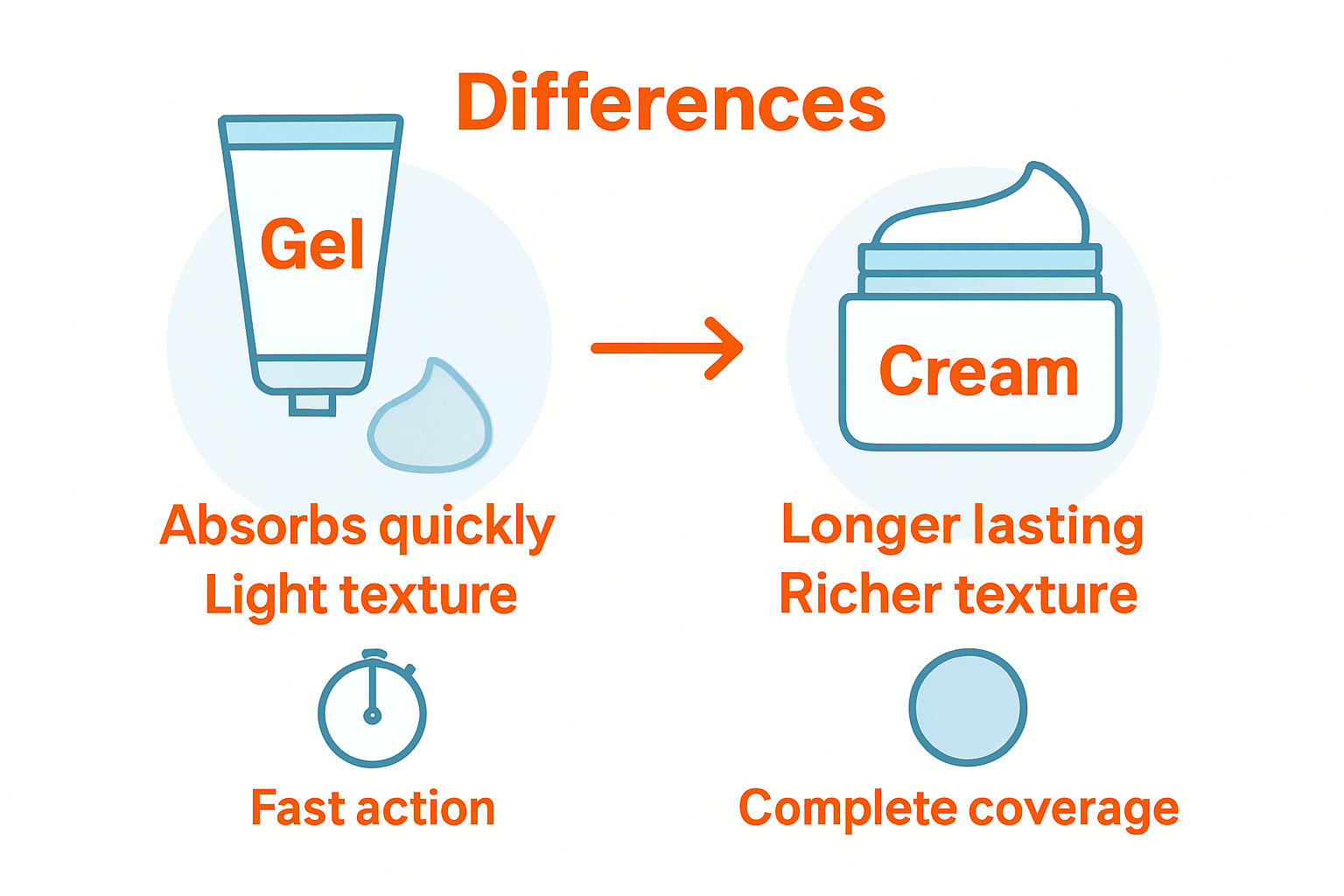
Numbing solutions come in two primary forms: gels and creams. While they share similar pain-blocking objectives, they differ in texture and application method. Gels typically offer a lighter, more transparent consistency that spreads easily and absorbs quickly. Creams, in contrast, provide a thicker, more substantial coverage that can create a more comprehensive protective layer. Both formats contain active numbing ingredients like lidocaine or benzocaine, which temporarily desensitize the skin’s surface.
Key features of effective numbing products include:
- Quick absorption rate
- Long-lasting pain relief (typically 1-3 hours)
- Minimal skin irritation
- Compatibility with various skin types
- Sterile and safe for cosmetic procedures
Professional tattoo artists recommend selecting numbing products specifically formulated for tattoo applications, ensuring maximum effectiveness and minimal interference with the tattooing process.
Types and Key Differences Between Gels and Creams
Numbing gels and creams offer distinct characteristics that make them suitable for different tattoo experiences. Tattoo numbing products vary in composition, application method, and effectiveness, providing tattoo enthusiasts with multiple options for managing pain during body art procedures.
Gels represent a lighter, more transparent numbing solution that typically absorbs faster into the skin. Specialized tattoo numbing gels like Hush Anesthetic often contain botanical extracts and higher concentrations of active numbing ingredients such as lidocaine. These products are designed for quick application and rapid pain relief, making them ideal for shorter tattoo sessions or more precise areas requiring targeted numbing.
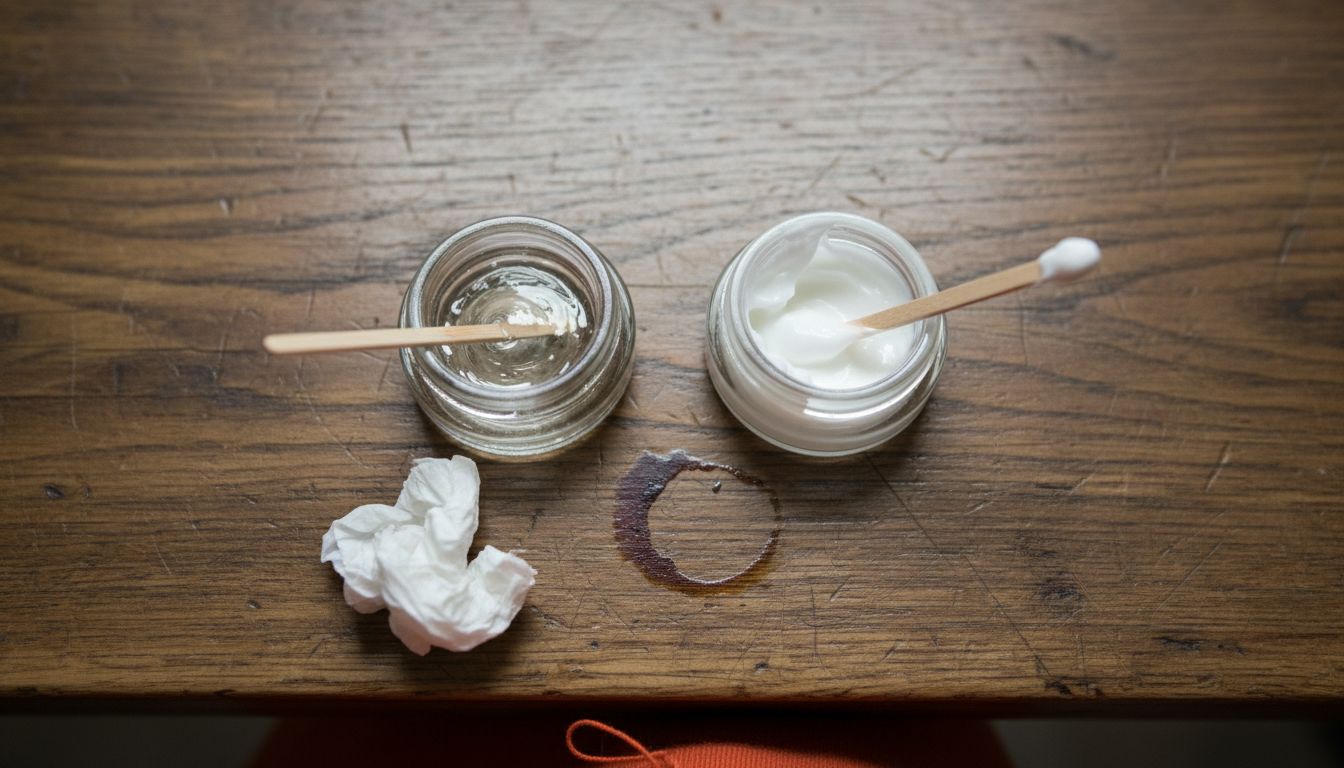
Creams, in contrast, offer a thicker, more comprehensive coverage that creates a substantial protective layer on the skin. Cream-based numbing agents like Emla typically combine multiple anesthetic compounds such as lidocaine and prilocaine. They generally require a longer preparation time before taking effect but can provide more extended pain management across larger skin areas.
Key differences between gels and creams include:
- Absorption speed
- Consistency and texture
- Concentration of active ingredients
- Application method
- Duration of numbing effect
Professional tattoo artists recommend selecting the appropriate numbing product based on individual pain tolerance, tattoo size, and specific body location to ensure the most comfortable and effective tattooing experience.
How Numbing Products Work Before Tattooing
Nerve signal blocking is the primary mechanism through which numbing products provide pain relief during tattoo procedures. Topical anesthetics work by interrupting the communication between nerve endings and the brain, creating a temporary barrier that prevents pain sensations from being perceived during tattooing.
The chemical composition of these numbing products is critical to their effectiveness. Specialized numbing creams typically contain active ingredients like lidocaine, prilocaine, tetracaine, or benzocaine. These compounds interact directly with nerve receptors, temporarily desensitizing the skin’s surface and creating a localized numbness that allows tattoo artists to work more comfortably and clients to experience reduced pain during the tattooing process.
When applied correctly, numbing products create a protective layer that strategically interrupts pain transmission. The active ingredients penetrate the skin’s surface, blocking sodium channels in nerve cells and preventing electrical signals that typically communicate pain from reaching the brain. This complex biochemical process occurs within minutes of application, providing a window of reduced sensitivity that can last anywhere from 30 minutes to several hours depending on the specific product’s formulation.
Key steps in the nerve signal blocking process include:
- Penetration of active numbing ingredients into skin layers
- Temporary blockage of sodium channels in nerve cells
- Interruption of pain signal transmission
- Creation of localized skin desensitization
- Maintenance of numbing effect for specific duration
Professional tattoo artists recommend precise application and timing to maximize the numbing product’s effectiveness, ensuring a more comfortable and manageable tattoo experience for their clients.
Safety Guidelines and Legal Standards in Europe
Navigating the legal landscape of numbing products for tattoos requires careful understanding of European regulatory standards. Specific legal restrictions surrounding topical anesthetics are complex, with potential legal implications for both tattoo artists and clients when using these pain management products.
European regulations impose strict guidelines on the application of numbing agents during tattoo procedures. Topical anesthetic application by non-medical practitioners can potentially be considered an offence under existing medicines acts. This means tattoo artists must exercise extreme caution when recommending or applying numbing products, ensuring they do not overstep legal boundaries that could compromise their professional standing.
Professional application of numbing products requires meticulous attention to safety protocols. Recommended application guidelines emphasize critical safety measures including:
- Avoiding application on open or damaged skin
- Never rubbing the product into the skin
- Using non-stick, breathable coverings during absorption
- Carefully monitoring product quantity and coverage
- Ensuring client has no known allergies to active ingredients
Key safety considerations for tattoo professionals include understanding individual client medical histories, conducting patch tests when necessary, and maintaining transparent communication about potential risks associated with numbing products. Professional practitioners must remain informed about evolving legal standards and medical recommendations to ensure client safety and regulatory compliance.
Choosing the Right Numbing Product for Tattoos
Selecting an appropriate numbing product requires careful consideration of several critical factors that impact tattoo comfort and overall experience. Specialized numbing solutions like Dr. Numb and Hush Anesthetic offer unique formulations designed specifically for tattoo pain management, providing targeted relief without compromising artistic quality.
Lidocaine concentration plays a crucial role in determining a numbing product’s effectiveness. Advanced numbing creams containing a strategic blend of lidocaine, prilocaine, and additional compounds can provide extended pain relief lasting between 3 to 6 hours. This makes them particularly suitable for complex or lengthy tattoo sessions that require sustained pain management.
Professional tattoo artists recommend evaluating numbing products based on several key criteria:
- Active ingredient composition
- Duration of numbing effect
- Potential impact on tattoo ink absorption
- Skin sensitivity and potential allergic reactions
- Ease of application and absorption rate
- Compatibility with different skin types
- Recommended waiting time before tattoo procedure
Ultimately, the ideal numbing product should provide comprehensive pain relief while maintaining the integrity of the tattoo artwork. Consultation with experienced tattoo professionals and conducting personal patch tests can help individuals identify the most suitable numbing solution for their specific needs and skin characteristics.
Experience Comfortable, Pain-Free Tattoos with Trusted Numbing Creams
Choosing between numbing gels and creams involves understanding their absorption speed, active ingredients, and how long they last to ensure your tattoo session is as comfortable as possible. The article highlights common challenges such as finding a product that blocks nerve signals effectively without interfering with ink absorption or causing skin irritation. If you want to avoid pain and extend your tattoo session without discomfort, your solution lies in high-quality, specialized numbing creams.
At BuyTKTX.online, we offer trusted numbing creams like TKTX and Dermacain designed specifically for tattoo enthusiasts across Europe. Our products guarantee pain relief for up to 3 hours allowing you to enjoy your tattoo process with ease, while also assuring safety and skin compatibility. Enjoy free shipping on orders over 30 Euro and a money-back guarantee if you are not fully satisfied with your purchase. Experience the difference with reliable numbing creams that professionals recommend.

Take control of your tattoo experience today and choose the right numbing cream that matches your needs. Visit BuyTKTX.online now to shop trusted products and start your pain-free tattoo journey instantly. Don’t wait for discomfort to interfere with your art—order your numbing cream today and get ready for your smoothest tattoo session ever.
Frequently Asked Questions
What are numbing gels and creams for tattoos?
Numbing gels and creams are topical anesthetics designed to temporarily block nerve signals in the skin, reducing pain and discomfort during tattoo procedures.
How do numbing products work before tattooing?
Numbing products block nerve signals by interrupting communication between nerve endings and the brain, creating a localized desensitization that reduces the perception of pain during the tattooing process.
What is the difference between numbing gels and creams?
Numbing gels typically have a lighter, more transparent consistency that absorbs quickly, while creams offer thicker, more substantial coverage that provides prolonged pain relief across larger areas of skin.
What factors should I consider when choosing a numbing product for tattoos?
Consider the active ingredient composition, duration of numbing effect, potential impact on tattoo ink absorption, ease of application, skin sensitivity, and recommended waiting time before the tattoo procedure.