

Getting a tattoo involves pain, and for many clients across Europe, managing discomfort is a top priority. Tattoo numbing creams promise relief, allowing clients to sit through longer sessions with less distress. However, these products come with trade-offs that affect both comfort and tattoo quality. Understanding the advantages and drawbacks helps clients and artists make informed decisions about using numbing creams. This article explores the pros and cons of tattoo numbing creams, examining effectiveness, safety, legal considerations, and impact on the tattooing process to guide your choices in 2026.
Table of Contents
- How To Evaluate Tattoo Numbing Creams: Criteria For Pros And Cons
- Advantages Of Using Tattoo Numbing Creams
- Challenges And Risks Associated With Tattoo Numbing Creams
- Comparing Popular Tattoo Numbing Creams: Active Ingredients And Effectiveness
- When And How To Decide If Tattoo Numbing Cream Is Right For You
- Explore Premium Tattoo Numbing Creams For Your Next Session
- Frequently Asked Questions
Key takeaways
| Point | Details |
|---|---|
| Pain reduction | Modern numbing creams can reduce tattoo pain by up to 85%, significantly improving client comfort during sessions. |
| Application timing | Proper application 60 to 120 minutes before tattooing is critical for achieving maximum numbing effectiveness. |
| Safety risks | Allergic reactions, skin irritation, and masking feedback are potential risks that require careful product selection and patch testing. |
| Legal compliance | European regulations restrict the sale and application of numbing creams, requiring licensed suppliers and professional oversight. |
| Artist perspectives | Opinions vary among tattoo artists due to concerns about altered skin behavior and potential impacts on tattoo quality. |
How to evaluate tattoo numbing creams: criteria for pros and cons
Choosing a tattoo numbing cream requires understanding several key criteria that determine both benefits and risks. Effectiveness stands as the primary consideration, encompassing onset time, duration of numbness, and the depth of pain relief achieved. Effectiveness depends on application time and skin absorption enhanced by techniques like occlusion and warming. Most quality creams begin working within 20 to 60 minutes and provide relief lasting two to four hours, sufficient for typical tattoo sessions.
Safety represents another critical factor. Risks include allergic reactions to active ingredients like lidocaine or prilocaine, systemic absorption effects if overused, and potential complications when applied to broken or irritated skin. Clients with sensitive skin or known allergies must exercise particular caution.
Legal status matters significantly in Europe. Legal restrictions in Europe influence how numbing creams can be supplied and applied. Regulations govern who can sell these products and whether professional application is required, affecting accessibility and safe use.
Impact on the tattoo process itself deserves careful evaluation. Numbing creams can mask natural pain feedback that helps artists gauge skin stress, potentially leading to overworking. They may also alter skin texture temporarily, affecting ink deposition and artist technique. Understanding the limitations of numbing creams helps set realistic expectations.
Client and artist preferences vary widely based on experience, pain tolerance, and professional philosophy. Some artists embrace numbing creams as tools for client comfort, while others prefer working with natural skin responses. Evaluating these criteria together provides a complete picture for decision making.
Advantages of using tattoo numbing creams
Tattoo numbing creams deliver substantial benefits that explain their growing popularity among clients seeking comfortable tattoo experiences. Modern creams can reduce tattoo pain by up to 85%, easing client discomfort during long sessions. This dramatic pain reduction transforms the tattooing experience, particularly for clients with low pain tolerance or those getting work done on sensitive areas like ribs, spine, or inner arms.
Enhanced comfort translates directly into better tattoo outcomes. A comfortable client sits still longer, allowing artists greater precision and superior results. Reduced movement means cleaner lines, more consistent shading, and fewer touch-ups required. Clients who remain relaxed throughout sessions help artists maintain focus and execute their vision without interruption.
The mechanism behind this relief is straightforward. Topical anesthetics block nerve signals in the skin’s upper layers, reducing pain sensation temporarily. This non-invasive approach offers an alternative to injectable anesthetics, eliminating needle anxiety while providing effective pain management.
Additional advantages include:
- Extended session capability for large or complex pieces requiring multiple hours
- Reduced anxiety before and during tattoo appointments
- Better experience for first-time clients building confidence
- Ability to complete work in fewer sessions by extending comfortable sitting time
Pro Tip: Apply numbing cream one to two hours before your tattoo appointment to achieve peak effectiveness when the needle touches your skin.
Many clients report that using numbing cream transformed their tattoo experience from dreaded ordeal to manageable procedure. The benefits of tattoo numbing cream extend beyond simple pain relief to encompass psychological comfort and practical session management. Artists who understand why artists use numbing often find it strengthens client relationships and enables more ambitious projects.
“Quality numbing creams have revolutionized how clients approach large-scale tattoo projects, turning multi-hour sessions from endurance tests into comfortable creative experiences.”
Challenges and risks associated with tattoo numbing creams
Despite their benefits, tattoo numbing creams carry meaningful risks that demand careful consideration. Allergic reactions like contact dermatitis may occur due to ingredients like prilocaine. Symptoms range from mild redness and itching to severe swelling and blistering. Clients with histories of medication allergies face elevated risk and should consult healthcare providers before use.
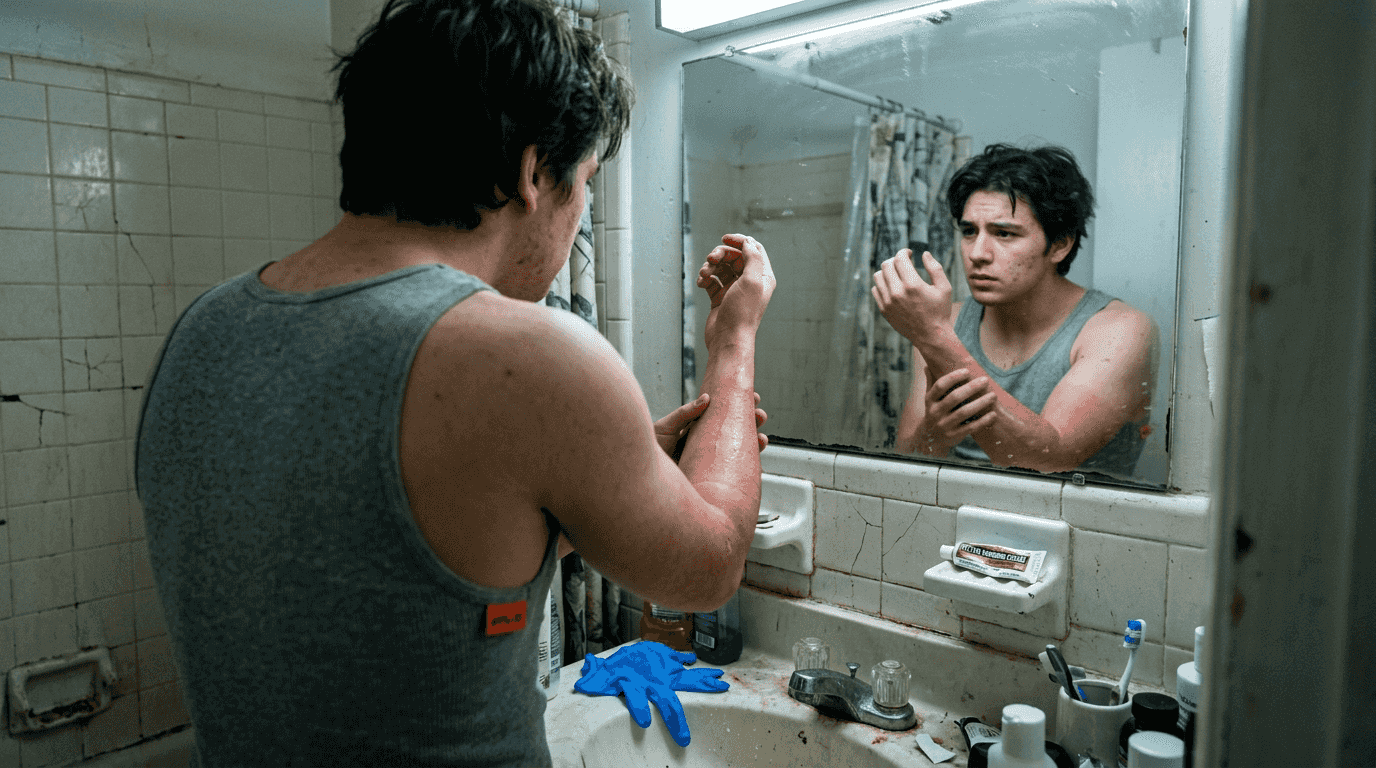
Serious complications can arise from improper application. Applying excessive amounts, leaving cream on too long, or using products on damaged skin increases systemic absorption risks. This can lead to dizziness, irregular heartbeat, or breathing difficulties in extreme cases, though such events remain rare with proper use.
A critical concern for tattoo quality involves feedback masking. Masking sensation may cause overworking skin, increasing risks of scarring and poor healing. Artists rely on client reactions to gauge pressure and skin stress. Without this feedback, they may inadvertently work too aggressively, damaging tissue and compromising final results.
Legal and safety considerations in Europe add complexity. Regulations restrict who can sell and apply these products, limiting access to licensed suppliers and sometimes requiring professional application. These rules protect consumers but can create barriers to obtaining quality products.
Effectiveness varies significantly between individuals. Effectiveness varies by individual factors such as skin thickness and circulation. Some clients experience complete numbness while others feel minimal relief despite identical application. Factors affecting results include:
- Skin thickness and density in the tattooed area
- Individual metabolism and circulation rates
- Proper application technique and timing
- Product quality and active ingredient concentration
- Previous exposure to topical anesthetics
Pro Tip: Always perform a patch test 24 hours before your tattoo session if you have sensitive skin or have never used numbing cream before.
Understanding these numbing cream limitations helps set realistic expectations. Many artist concerns with numbing stem from experiences with clients who had adverse reactions or whose tattoos healed poorly due to overworking. Balancing benefits against risks requires honest assessment of your situation, health history, and tattoo goals.
Comparing popular tattoo numbing creams: active ingredients and effectiveness
Understanding the differences between numbing cream formulations helps you select the right product for your needs. Lidocaine and prilocaine-based creams like EMLA are common but carry specific safety and effectiveness profiles. Lidocaine works quickly but may have shorter duration, while prilocaine penetrates deeper but takes longer to activate. Some premium formulations combine multiple anesthetics for enhanced effect.
Most effective creams act within 20 to 60 minutes and last two to four hours providing up to 85% pain reduction. This timing aligns well with typical tattoo session lengths, though extensive pieces may require reapplication or supplemental products.
Key factors distinguishing products include:
- Active ingredient concentration, typically ranging from 4% to 10% lidocaine
- Presence of vasoconstrictors like epinephrine to prolong effect
- Additional ingredients for skin protection or enhanced absorption
- Formulation consistency affecting ease of application and removal
| Feature | Standard Creams | Premium Formulations | Professional Grade | | — | — | — | | Onset Time | 45 to 60 minutes | 20 to 40 minutes | 15 to 30 minutes | | Duration | 2 to 3 hours | 3 to 4 hours | 4+ hours | | Pain Reduction | 60 to 70% | 75 to 85% | 80 to 90% | | Active Ingredients | Single anesthetic | Dual anesthetic | Multi-component blend | | Price Range | Budget friendly | Moderate | Premium |
Safety considerations apply across all formulations. Avoid products exceeding recommended concentrations, as higher percentages increase side effect risks without proportional benefit increases. Stick to approved products from licensed suppliers to ensure quality control and regulatory compliance.
The comparison of numbing creams reveals that effectiveness depends more on proper application than product choice alone. Understanding how numbing creams work at a mechanical level helps you maximize results regardless of which formulation you choose. Select products based on your session length, pain sensitivity, and budget while prioritizing safety and legal compliance.
When and how to decide if tattoo numbing cream is right for you
Making an informed decision about using numbing cream requires evaluating your specific circumstances and following proper protocols. Professional artists often prefer discussing numbing cream use with clients beforehand to manage expectations and safety. This conversation should happen during your consultation, not on tattoo day, giving you time to prepare properly.
Consider these factors when deciding:
- Assess your pain tolerance honestly based on previous tattoo experiences or medical procedures
- Evaluate tattoo size, complexity, and estimated session duration
- Consider placement on your body, with sensitive areas benefiting more from numbing
- Review your medical history for allergies or conditions affecting anesthetic use
- Discuss your artist’s preferences and experience working with numbed skin
- Research legal requirements in your country regarding purchase and application
Proper timing and technique in application is key to achieve best results and safety. Apply cream 60 to 120 minutes before your appointment, covering the entire area to be tattooed with a thin, even layer. Wrapping the area with plastic wrap creates occlusion that enhances absorption and effectiveness.
Avoid common mistakes that reduce effectiveness or increase risks. Never apply excessive amounts thinking more equals better results. Thick application wastes product and increases systemic absorption without improving numbness. Remove all residual cream thoroughly before tattooing begins to prevent interference with ink deposition and stencil transfer.
Pro Tip: Test numbing cream on a small patch of skin 24 to 48 hours before your session if you have sensitive skin or allergies to ensure you don’t experience adverse reactions.
Understanding client reasons for numbing helps you articulate your needs to your artist. Some clients use numbing for every session while others reserve it for particularly challenging areas or lengthy appointments. Learning techniques for extending numbing effects can help you maintain comfort throughout longer sessions without reapplication.
Ultimately, the decision balances your comfort needs against potential impacts on tattoo quality and healing. Trust your artist’s expertise while advocating for your comfort, and always prioritize safety over complete pain elimination.
Explore premium tattoo numbing creams for your next session
Finding reliable, effective numbing cream makes a significant difference in your tattoo experience. Quality-tested products ensure both safety and performance, giving you confidence during your session. We offer carefully selected numbing creams designed specifically for tattoo applications, with formulations proven to deliver consistent results across diverse skin types and tattoo styles.

Our 3x TKTX 40% pack provides excellent value for clients planning multiple sessions or large pieces, with free shipping included. For maximum strength relief, the TKTX 55% GOLD cream delivers premium performance for sensitive areas or extended sessions. The Dermacain 50g premium cream offers professional-grade formulation trusted by artists throughout Europe.
All products come with our satisfaction guarantee. If you’re not completely satisfied with the results, simply return the product for a full refund. We stand behind our numbing creams because we know they deliver the comfort you need for a positive tattoo experience. Free shipping applies to orders over 30 euros, making it easy to stock up for upcoming sessions.
“Choosing trusted numbing creams helps clients enjoy a comfortable, pain-reduced tattoo experience every time.”
Frequently asked questions
What are the main risks of using tattoo numbing creams?
Allergic reactions, skin irritation, and improper use represent the primary risks associated with tattoo numbing creams. Overusing products or choosing unlicensed formulations significantly increases the likelihood of side effects ranging from mild redness to severe systemic reactions. Legal restrictions in many European countries limit who can apply these creams professionally to ensure public safety. Understanding numbing cream risks helps you use products responsibly and minimize potential complications.
Can numbing creams affect tattoo quality or healing?
Numbing creams can mask natural pain feedback that artists use to gauge skin stress, potentially leading to overworking the tattooed area. This may result in scarring, poor pigment retention, or extended healing times if the artist applies excessive pressure without realizing it. The relationship between numbing creams and tattoo quality depends largely on artist experience and communication between client and artist throughout the session.
How long before a tattoo session should numbing cream be applied?
Apply numbing cream 20 to 60 minutes before your tattoo session begins to allow proper onset of numbness. Most effective creams begin working 20 to 60 minutes after application and peak at one to two hours. Wrapping the application area with plastic wrap enhances absorption and effectiveness. Understanding proper numbing cream timing ensures you achieve maximum pain relief when the tattooing actually begins.
Are numbing creams legal and safe to buy and use in Europe?
Topical anesthetics are regulated medicinal products in the UK and EU with sales and application restrictions. Legal frameworks govern who can supply these products and whether professional application is required, varying by country. Purchasing from licensed suppliers and following professional application guidelines ensures compliance and safety. Research the legality of numbing creams in your specific country before buying to avoid legal issues and ensure product quality.


