

Pain is often what keeps tattoo enthusiasts from fully enjoying their body art sessions, yet nearly half of Central European tattoo clients demand a more comfortable experience. With american innovations in numbing cream technology shaping modern studios, comfort is now within reach for both clients and artists. This overview explores how advanced numbing solutions can transform tattoos into pain-free memories while helping professionals choose safe, effective products for every session.
Table of Contents
- What Makes A Numbing Cream Effective
- Types Of Numbing Creams For Tattoos
- How High-Quality Creams Enhance Comfort
- Potential Risks Of Low-Quality Creams
- Best Practices For Safe Application
Key Takeaways
| Point | Details |
|---|---|
| Numbing Cream Mechanism | Effective numbing creams block nerve signals using active ingredients like Lidocaine and Prilocaine, providing temporary pain relief during tattoo sessions. |
| Types of Numbing Creams | Tattoo numbing creams are classified into topical anesthetics, nerve blocks, and combination creams, each suited for different tattoo sizes and sensitivities. |
| Quality Matters | Choosing high-quality numbing creams is crucial to avoid risks like systemic toxicity and allergic reactions commonly associated with low-quality products. |
| Proper Application is Key | Following safe application practices, such as thorough skin preparation and adhering to timing, ensures maximum effectiveness and safety during tattoo procedures. |
What Makes a Numbing Cream Effective
Numbing creams provide critical pain reduction during tattoo sessions by strategically blocking nerve signals through specialized chemical compounds. Understanding the science behind these topical solutions helps tattoo enthusiasts make informed choices about pain management during their body art experience.
The core mechanism of effective numbing creams involves blocking nerve signal transmission through active ingredients like lidocaine, prilocaine, benzocaine, and tetracaine. These compounds work by inhibiting voltage-gated sodium channels in nerve cell membranes, preventing pain signals from reaching the brain. This biochemical interruption creates a localized and temporary numbing effect that can last several hours depending on the cream’s concentration and formulation.
Key characteristics that distinguish high-quality numbing creams include:
- Precise chemical composition
- Appropriate concentration of active ingredients
- Rapid and consistent absorption
- Minimal potential for allergic reactions
- Duration of pain blocking effect
Most professional-grade numbing creams utilize either ester or amide chemical classes. Lidocaine and prilocaine represent common amide-based ingredients with favorable safety profiles, while esters like benzocaine offer alternative pain reduction strategies. The effectiveness depends not just on ingredient selection but also on proper application technique, skin preparation, and individual physiological responses.
Here’s a comparison of common active ingredients found in numbing creams for tattoos:
| Ingredient | Chemical Class | Typical Concentration | Notable Benefits |
|---|---|---|---|
| Lidocaine | Amide | 2.5% - 5% | Rapid onset, low allergy risk |
| Prilocaine | Amide | 2.5% - 5% | Long-lasting, gentle on skin |
| Benzocaine | Ester | 5% - 20% | Surface-level, fast-acting |
| Tetracaine | Ester | 0.5% - 2% | Potent, extended numbing period |
Pro tip: Always perform a small skin patch test 24 hours before your tattoo to check for potential allergic reactions and ensure optimal numbing cream performance.
Types of Numbing Creams for Tattoos
Navigating the world of tattoo numbing creams requires understanding the diverse options available to manage pain during body art sessions. Different formulations offer unique approaches to reducing discomfort, catering to individual pain tolerances and tattoo characteristics.
Tattoo numbing creams typically fall into three primary categories based on their composition and application method:
- Topical Surface Anesthetics
- Directly applied to skin surface
- Lower concentration of active ingredients (2.5% to 5% lidocaine)
- Quick and easy application
- Best for smaller or less sensitive tattoo areas
- Nerve Block Formulations
- Stronger, often prescription-based
- Higher concentration of local anesthetics
- Deeper pain reduction
- Recommended for larger or more intricate tattoo designs
- Combination Numbing Creams
- Blend multiple active ingredients
- Extended anesthesia duration
- Often include additional skin-soothing components
- Provides comprehensive pain management
Most professional-grade numbing creams utilize lidocaine, prilocaine, and benzocaine in various concentrations. The effectiveness depends on factors like ingredient quality, skin preparation, and individual physiological responses. Some advanced formulations incorporate additional elements like moisturizers and anti-inflammatory agents to enhance overall skin comfort during the tattooing process.
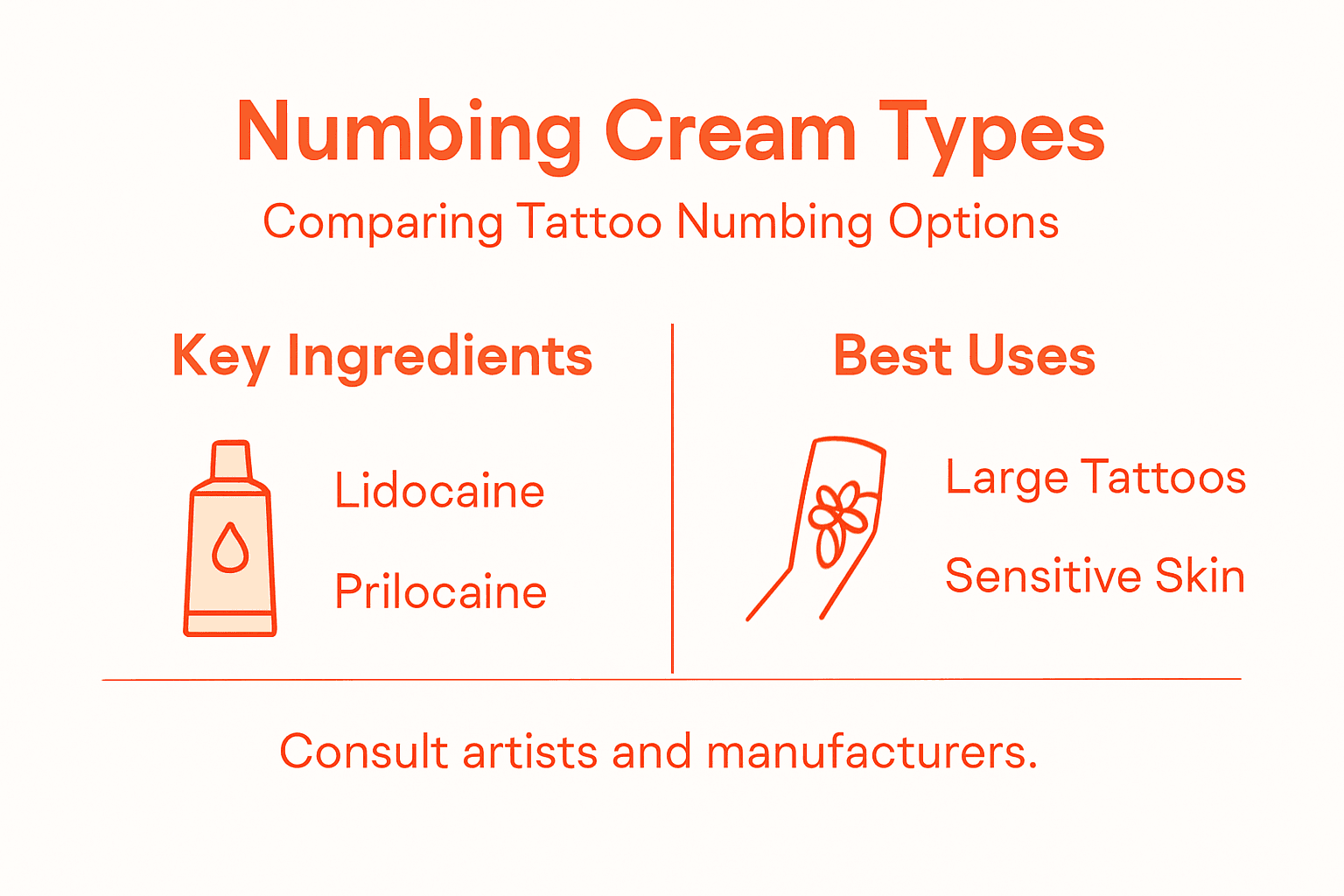
This table summarizes the major types of tattoo numbing creams and their best use cases:
| Cream Type | Mode of Action | Best Use Situation |
|---|---|---|
| Topical Surface Anesthetic | Numbs skin surface | Small or low-sensitivity |
| Nerve Block Formulation | Deeper nerve blockade | Large, detailed tattoos |
| Combination Cream | Multi-ingredient blend | Extended or sensitive work |
Pro tip: Consult with your tattoo artist about the most appropriate numbing cream for your specific tattoo design and personal pain threshold.
How High-Quality Creams Enhance Comfort
Tattoo experiences can be dramatically transformed by selecting the right numbing cream, turning potentially painful sessions into more comfortable and enjoyable body art moments. Understanding how premium numbing solutions work can help tattoo enthusiasts make informed decisions about pain management.
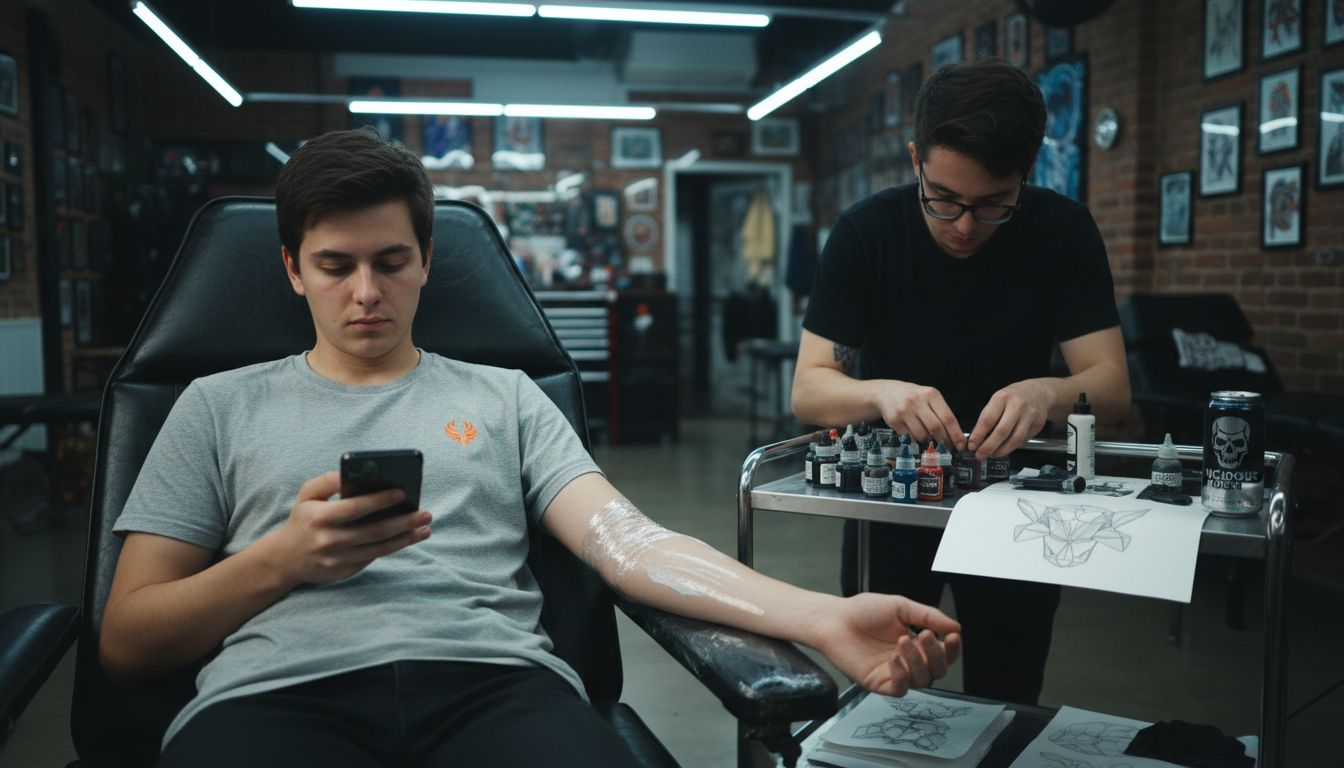
High-quality numbing creams deliver exceptional comfort through sophisticated formulation strategies that go beyond simple pain reduction. These advanced products focus on creating a comprehensive skin protection and pain management experience by incorporating multiple protective mechanisms.
Key comfort-enhancing features of premium numbing creams include:
- Rapid onset of numbness
- Extended pain blocking duration
- Uniform skin coverage
- Minimal irritation potential
- Additional skin-soothing ingredients
Advanced delivery systems play a crucial role in maximizing comfort during tattoo sessions. These innovative formulations utilize specialized ingredient combinations like lidocaine and prilocaine to provide fast and sustained nerve blockade. The most effective creams are engineered to enhance skin absorption while simultaneously reducing potential systemic exposure, ensuring a safer and more comfortable tattoo experience.
Professional-grade numbing creams distinguish themselves by incorporating hydrating and anti-inflammatory components that protect skin integrity during the tattooing process. By combining active anesthetic agents with skin-conditioning elements, these creams not only manage pain but also support overall skin health and recovery.
Pro tip: Always apply numbing cream according to manufacturer instructions and discuss the specific product with your tattoo artist to ensure optimal results and compatibility with your skin.
Potential Risks of Low-Quality Creams
Numbing creams are not all created equal, and choosing a substandard product can transform a potentially comfortable tattoo experience into a dangerous medical situation. Understanding the potential risks associated with low-quality creams is crucial for anyone considering pain management during body art procedures.
Unregulated numbing creams pose significant health risks that extend far beyond mere ineffectiveness. These potentially dangerous products can trigger a range of serious medical complications, including:
- Systemic toxicity
- Irregular heart rhythms
- Potential seizure risks
- Respiratory system complications
- Severe allergic reactions
- Unexpected skin inflammation
The most alarming dangers arise from improper ingredient concentrations and poor manufacturing standards. Anesthetic cream complications can emerge from excessive lidocaine absorption, which may overwhelm the body’s ability to process the chemical compounds safely. Professional tattoo artists strongly caution against using unverified or cheap numbing solutions that lack proper quality control and scientific formulation.
Key warning signs of potentially dangerous numbing creams include inconsistent texture, unusual chemical odors, lack of clear ingredient labeling, and suspiciously low pricing. Inferior products might cause uneven numbing, incomplete pain blocking, or trigger unexpected allergic responses that could compromise both the tattoo process and personal health.
Pro tip: Always purchase numbing creams from reputable sources and request professional medical guidance if you have pre-existing health conditions or concerns about ingredient sensitivity.
Best Practices for Safe Application
Applying numbing cream requires precision, care, and a thorough understanding of proper techniques to ensure both safety and effectiveness during tattoo procedures. Proper application can mean the difference between a comfortable experience and potential medical complications.
Numbing cream application involves a systematic approach that prioritizes patient safety and optimal pain management. The fundamental steps for safe and effective use include:
- Skin Preparation
- Thoroughly clean the area with mild soap
- Ensure skin is completely dry
- Check for any cuts, scrapes, or skin irritations
- Remove any oils or residue
- Precise Application Technique
- Apply a thin, uniform layer of cream
- Use measured, consistent coverage
- Avoid excessive product buildup
- Spread cream evenly across intended area
- Absorption and Timing
- Allow recommended waiting period
- Use occlusive dressing sparingly
- Monitor skin reaction
- Follow manufacturer’s specific instructions
Crucial considerations include understanding individual skin sensitivity, potential allergic reactions, and personal medical history. Professional tattoo artists recommend consulting with healthcare providers before using numbing creams, especially for individuals with pre-existing skin conditions or medication sensitivities.
Additionally, timing is critical. Most high-quality numbing creams require approximately 20-30 minutes of absorption time to reach maximum effectiveness. Applying the cream too early or too late can significantly impact pain management during the tattoo process.
Pro tip: Always perform a small patch test 24 hours before your tattoo to check for potential allergic reactions and ensure optimal skin compatibility.
Experience Pain-Free Tattoos with Trusted Quality Numbing Creams
The article highlights the critical importance of selecting high-quality numbing creams to ensure safe and effective pain management for tattoos. If you want to avoid risks like skin irritation or uneven numbness and truly enjoy your tattoo session, choosing trusted products with the right composition like lidocaine and prilocaine is essential. Our goal is to help you overcome the discomfort and anxiety associated with tattoo pain by providing guaranteed, long-lasting relief.
Discover how our premium TKTX and Dermacain numbing creams can transform your tattoo experience with up to 3 hours of assured pain-free comfort. We serve all of Europe with customer satisfaction and a money-back guarantee to ensure you have complete confidence when ordering. Learn more about our reliable products and safe application advice by visiting our main page.
Take control of your tattoo pain today and enjoy your art with confidence.

Choose quality and safety before your next tattoo session. Visit Buy TKTX Online now to secure your pain-free tattoo experience. Remember we offer free shipping on orders over 30 Euro and a full refund if you are not satisfied. Don’t wait until discomfort strikes, prepare ahead with the best numbing creams available.
Frequently Asked Questions
What ingredients are commonly found in effective numbing creams for tattoos?
Effective numbing creams typically contain active ingredients such as lidocaine, prilocaine, benzocaine, and tetracaine. These compounds work by blocking nerve signals to provide pain relief during tattoo procedures.
How should I apply numbing cream for maximum effectiveness?
For optimal results, thoroughly clean the tattoo area, allow the skin to dry, and apply a thin, uniform layer of the cream. Follow the manufacturer’s instructions for absorption time, usually around 20-30 minutes, to achieve maximum pain relief.
What are the risks of using low-quality numbing creams?
Low-quality numbing creams can pose serious health risks, including systemic toxicity, irregular heart rhythms, respiratory complications, and severe allergic reactions due to improper ingredient concentrations and manufacturing standards.
What are the different types of numbing creams available for tattoos?
Numbing creams generally fall into three main categories: topical surface anesthetics, nerve block formulations, and combination creams. Each type has varying concentrations and modes of action, catering to different tattoo sizes and sensitivities.


