

Most American tattoo clients are surprised to learn that up to 20 percent of people experience unexpected skin reactions to topical creams. With so many brands and ingredients available, understanding safety steps becomes critical for anyone planning new ink. Knowing how to patch test numbing creams can help prevent itching, swelling, or severe allergic responses—giving you peace of mind before your next tattoo session.
Table of Contents
- Understanding Patch Testing For Numbing Creams
- Types Of Tattoo Numbing Creams Explained
- How Patch Testing Prevents Adverse Reactions
- Legal And Safety Requirements In Central Europe
- Common Mistakes When Using Numbing Creams
Key Takeaways
| Point | Details |
|---|---|
| Importance of Patch Testing | Conducting a patch test before using numbing creams is essential to identify potential allergic reactions. This ensures skin safety and minimizes risks during the tattoo process. |
| Types of Numbing Creams | Understand the different formulations of numbing creams, such as Lidocaine and Prilocaine, to select the most effective product for your tattoo session. Each type offers distinct benefits based on session length and skin sensitivity. |
| Legal and Safety Compliance | Ensure that the numbing cream complies with local regulations, especially in Central Europe, to protect against harmful substances and maintain product safety. Always request certification documentation from manufacturers. |
| Common Application Mistakes | Avoid frequent mistakes like incorrect timing, failing to perform patch tests, or not following instructions, as these can compromise pain management and overall tattoo experience. Proper skin preparation is also crucial for effectiveness. |
Understanding Patch Testing for Numbing Creams
Patch testing represents a critical safety step for anyone considering using numbing creams before getting a tattoo. Patch testing is a diagnostic method designed to identify potential allergic reactions before applying a substance across a larger skin area. This preventative approach helps individuals understand how their skin might respond to specific ingredients in numbing products.
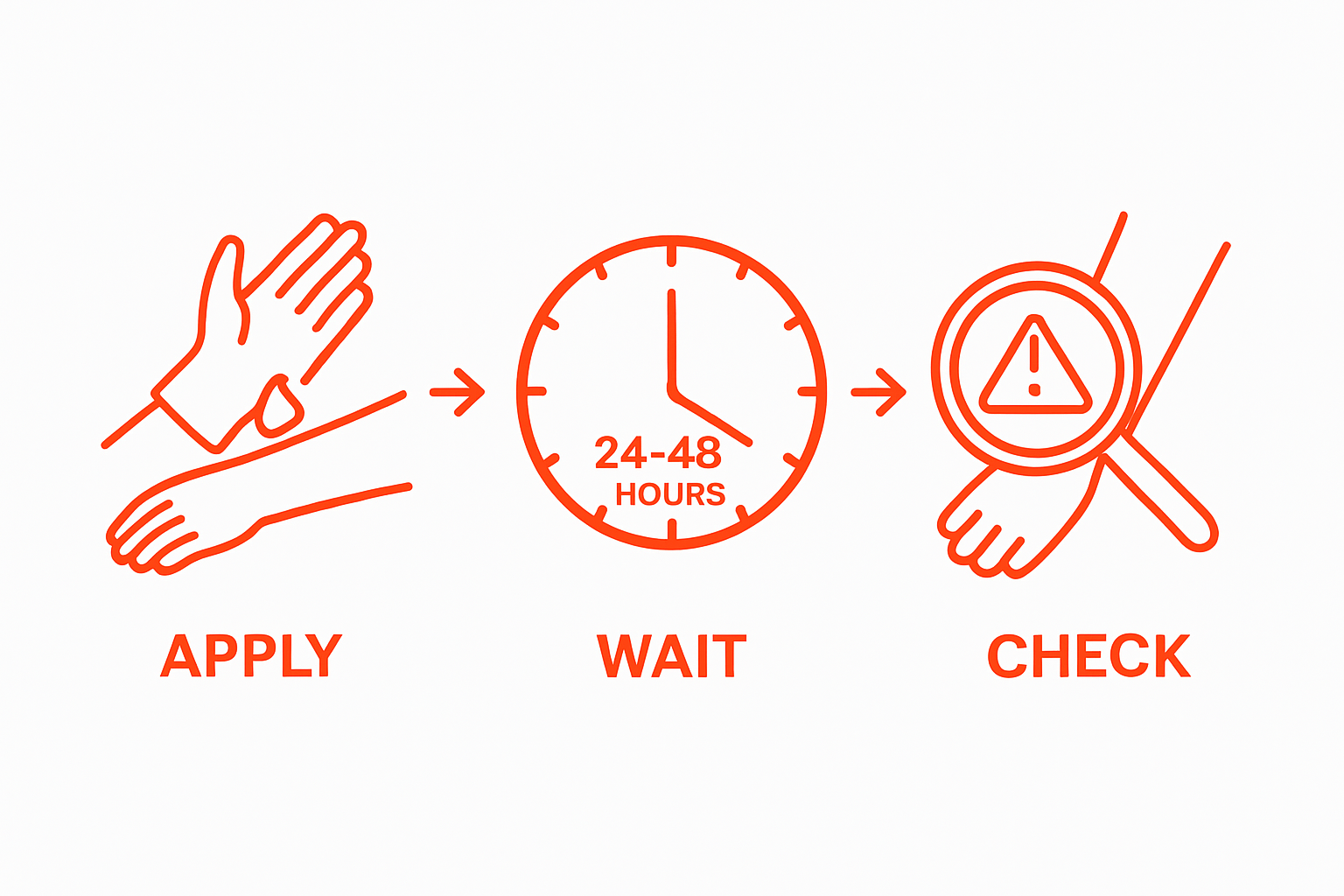
In dermatological practice, patch testing is a standard procedure for diagnosing allergic contact dermatitis. For tattoo numbing creams, this process involves applying a small amount of the product to a discrete skin area and monitoring for any adverse reactions. The test typically involves these key steps:
- Select a small, inconspicuous skin area
- Apply a minimal amount of numbing cream
- Wait 24-48 hours
- Observe for signs of:
- Redness
- Swelling
- Itching
- Rash development
Patient safety requires careful observation during patch testing. Individuals with sensitive skin or known allergies should be especially vigilant. Some people might experience mild irritation, while others could develop more severe allergic responses. Consulting with a healthcare professional can provide personalized guidance about potential risks and proper testing techniques.
Pro Tip: Skin Safety Check: Always perform a patch test at least 48 hours before your tattoo appointment and in the same area where you plan to get tattooed to ensure the most accurate reaction assessment.
Types of Tattoo Numbing Creams Explained
Tattoo numbing creams come in several distinct formulations, each designed to provide pain relief during the tattooing process. Topical anesthetic creams typically fall into three primary categories: surface-level, intermediate-depth, and deep-penetration numbing agents. Understanding the differences between these types helps tattoo enthusiasts select the most appropriate product for their specific needs.
The main types of numbing creams include:
-
Lidocaine-based Creams
- Quick-acting surface numbing
- Typically 4-5% concentration
- Effective for shorter tattoo sessions
- Provides rapid skin desensitization
-
Prilocaine Formulations
- Longer-lasting pain reduction
- Lower risk of allergic reactions
- Suitable for moderate-length tattoo procedures
- Often combined with other numbing agents
Some advanced numbing creams utilize combination approaches, blending multiple active ingredients to maximize pain reduction and minimize potential side effects. These hybrid formulations can provide more comprehensive and sustained numbing compared to single-ingredient products. Professional tattoo artists often recommend combination creams for clients with lower pain tolerance or those planning extensive tattoo work.
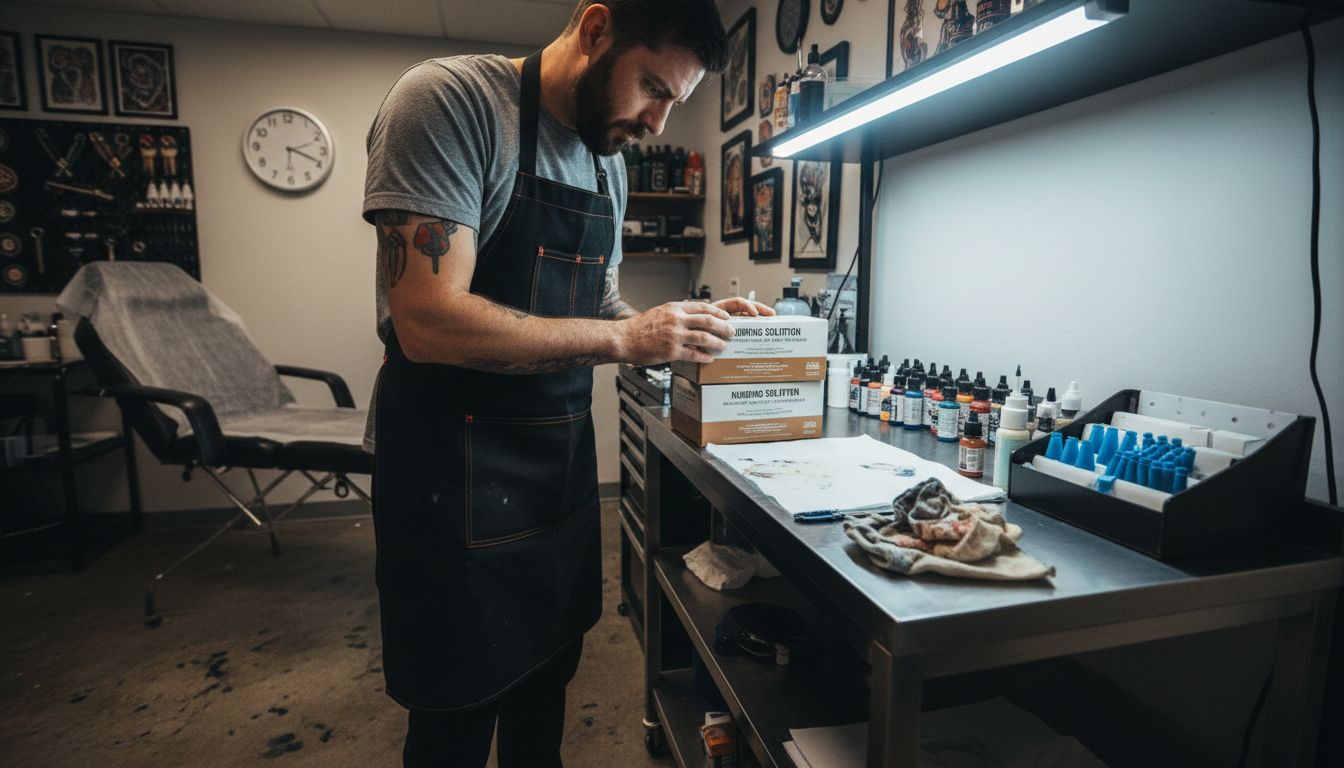
Additional considerations when selecting a numbing cream include individual skin sensitivity, tattoo placement, and expected duration of the tattoo session. Some creams work better on specific body areas, making consultation with a professional or careful product research essential.
Here’s a comparison of major types of tattoo numbing creams and their typical uses:
| Numbing Cream Type | Onset Time | Ideal Procedure Length | Notable Benefit |
|---|---|---|---|
| Lidocaine-Based | Rapid (10-20 min) | Short sessions | Fast acting, easy absorption |
| Prilocaine Formulation | Moderate (20-30 min) | Medium sessions | Less allergenic, longer effect |
| Combination/Hybrid | Varies by formula | Extended sessions | Prolonged numbing, multi-action |
Pro Tip: Cream Compatibility Check: Always choose a numbing cream specifically designed for tattoo application and verify its compatibility with your skin type before your scheduled tattoo appointment.
How Patch Testing Prevents Adverse Reactions
Patch testing identifies specific substances that could trigger allergic skin reactions, serving as a critical preventative measure for individuals considering numbing creams before tattoo procedures. This diagnostic technique allows people to understand their unique skin sensitivities before exposing larger areas to potentially problematic substances.
The process of preventing adverse reactions involves a systematic approach:
- Isolate potential allergens
- Apply small quantities of suspect substances
- Monitor skin response
- Document any negative reactions
- Assess individual risk factors
Diagnosing potential allergic contact dermatitis helps individuals avoid delayed-type hypersensitivity reactions that could compromise skin health. By identifying sensitivities beforehand, tattoo enthusiasts can select numbing products that minimize the risk of unexpected skin responses. This proactive approach is particularly important for people with known skin conditions or allergies.
Skin reactions can manifest in various ways, ranging from mild irritation to severe inflammatory responses. Factors such as previous allergic histories, skin type, and individual chemical sensitivities play significant roles in determining potential adverse reactions. Professional healthcare providers recommend comprehensive patch testing for individuals with complex medical backgrounds or those prone to skin sensitivity.
To help avoid problems, here’s a summary of skin reactions and what they might signal during patch testing:
| Skin Reaction | Potential Cause | Recommended Action |
|---|---|---|
| Mild Redness | Minor irritation | Monitor, continue observation |
| Severe Swelling | Strong allergic response | Discontinue, seek medical advice |
| Itching/Rash | Sensitivity or allergy | Do not use cream, consult doctor |
Pro Tip: Sensitivity Screening: Conduct your patch test in a controlled environment with medical supervision, especially if you have a history of skin allergies or sensitive skin.
Legal and Safety Requirements in Central Europe
European regulations for cosmetic products establish strict safety standards for numbing creams used in tattoo procedures across Central Europe. These comprehensive guidelines ensure that consumers are protected from potentially harmful substances while maintaining high-quality product safety standards.
Key legal requirements for numbing creams in Central Europe include:
- Maximum allowable concentrations of active ingredients
- Mandatory ingredient transparency
- Rigorous testing protocols
- Strict manufacturing standards
- Clear labeling requirements
- Comprehensive documentation of product composition
The Scientific Committee on Consumer Safety provides detailed guidelines specifically addressing lidocaine and other topical anesthetic substances. These guidelines mandate precise concentration limits and usage instructions to minimize potential health risks. Manufacturers must conduct extensive safety assessments, including toxicological evaluations and potential allergen screenings, before marketing numbing cream products.
Unique to Central European markets, these regulations go beyond standard safety protocols. They require manufacturers to provide comprehensive documentation demonstrating product safety, including detailed chemical analyses, clinical testing results, and potential interaction studies. Tattoo professionals and consumers must verify that numbing creams comply with these stringent European Union regulations before use.
Pro Tip: Regulatory Compliance Check: Always request official certification documentation from numbing cream manufacturers to confirm full compliance with European Union safety standards before purchasing or using any product.
Common Mistakes When Using Numbing Creams
Numbing cream application requires precision and careful attention to detail. Many tattoo enthusiasts unknowingly make critical errors that can compromise their pain management strategy and potentially impact the overall tattoo experience. Understanding these common mistakes helps ensure a safer and more effective numbing process.
Frequent mistakes individuals make with numbing creams include:
- Applying cream too close to tattoo time
- Using incorrect application quantities
- Failing to perform patch testing
- Ignoring individual skin sensitivity
- Overlapping multiple numbing products
- Not following manufacturer instructions
- Skipping recommended waiting periods
- Applying inconsistent layer thickness
Skin preparation plays a crucial role in numbing cream effectiveness. Many people underestimate the importance of clean, dry skin before application. Residual oils, makeup, or moisturizers can create barriers that prevent the numbing agents from properly penetrating the skin. Additionally, some individuals mistakenly apply excessive amounts of cream, believing more product equals better pain reduction. In reality, this can lead to uneven absorption and potentially increase the risk of skin irritation.
Tattoo professionals frequently observe that clients misunderstand the timing and duration of numbing cream effectiveness. Applying the cream too early or too late can significantly reduce its pain-blocking capabilities. Some people also fail to understand that different body areas may require varied application techniques and absorption times.
Pro Tip: Timing and Technique: Always read the specific instructions for your chosen numbing cream, perform a patch test 24-48 hours beforehand, and apply the cream precisely as recommended by the manufacturer.
Ensure a Safe and Comfortable Tattoo Experience with Trusted Numbing Creams
Understanding the importance of patch testing numbing creams helps you avoid allergic reactions and skin irritations during your tattoo session. If your goal is to enjoy a pain-free tattoo process without the worry of skin sensitivity or incorrect product use, our high-quality numbing creams like TKTX and Dermacain deliver effective pain relief for up to 3 hours with guaranteed customer satisfaction. With proper patch testing and use, you can confidently manage discomfort and protect your skin.

Take control of your tattoo pain now by choosing safe and reliable numbing solutions. Visit https://buytktx.online to explore our range of premium numbing creams that meet strict European safety standards. Benefit from free shipping on orders over 30 Euro and a full money-back guarantee if you are not satisfied. Remember to perform your patch test ahead of time as recommended and prepare your skin using expert tips available at https://buytktx.online to maximize effectiveness and avoid common mistakes. Start your pain-free tattoo journey today with trusted products that put your skin safety first.
Frequently Asked Questions
Why is patch testing important for numbing creams used in tattoos?
Patch testing helps identify potential allergic reactions to numbing creams, ensuring that individuals understand how their skin might react before applying the product to larger areas during a tattoo session.
How is a patch test for numbing creams performed?
A patch test is conducted by applying a small amount of the numbing cream to a discreet area of skin and monitoring for adverse reactions like redness, swelling, or itching over 24-48 hours.
What types of skin reactions should I watch for during patch testing?
Watch for signs such as mild redness, severe swelling, or itching/rash. These reactions can indicate minor irritation or strong allergic responses, and it’s best to consult a healthcare professional if they occur.
How can I ensure the best results from my numbing cream application?
To achieve optimal results, apply the numbing cream according to the manufacturer’s instructions, perform a patch test at least 48 hours in advance, and ensure the skin area is clean and dry before application.


