

Over 35 percent of american adults now consider using tattoo numbing creams before their first session. Pain is a big concern when it comes to getting inked, which explains why these creams grab so much attention. However, many people are surprised to learn the truth behind the claims and potential risks. Understanding the science, types, and safety of numbing products helps you make better choices before committing to your next design.
Table of Contents
- Tattoo Numbing Creams Explained and Debunked
- Types of Tattoo Numbing Products Compared
- How Tattoo Numbing Creams Work Scientifically
- Legal and Safety Guidelines Across Europe
- Real-World Results and Common Mistakes
Key Takeaways
| Point | Details |
|---|---|
| Numbing creams provide limited relief | While these products can reduce pain, they do not completely eliminate discomfort and their effectiveness varies by individual. |
| Skin reactions can impact tattoo quality | Numbing creams can cause swelling and distortion, affecting the precision of tattoo artwork if not applied correctly. |
| Consultation with professionals is advised | Always discuss pain management options with your tattoo artist to ensure the best outcome for your tattoo experience. |
| Legal restrictions exist in Europe | The use of anesthetic products in tattooing is regulated, and only qualified practitioners should administer these treatments to avoid legal complications. |
Tattoo Numbing Creams Explained and Debunked
Tattoo numbing creams have become increasingly popular among individuals seeking to minimize pain during their tattoo experience. These specialized topical treatments promise to reduce discomfort, but the reality is more complex than most people realize. Tattoo numbing solutions work by temporarily blocking pain signals to the brain, offering a potential reprieve for those with low pain tolerance.
While numbing creams can provide some relief, they are not a magical solution. Tattoo artists often advise caution when considering these products. The primary concerns include potential skin swelling that can distort tattoo designs and interference with the artist’s ability to gauge needle depth accurately. These complications can potentially compromise the quality and precision of the final tattoo artwork.
Understanding how numbing creams function is crucial for managing expectations. Most topical anesthetics contain ingredients like lidocaine or prilocaine, which temporarily numb nerve endings. However, they do not completely eliminate pain and typically provide only short-term relief during the tattoo process. Key considerations for potential users include:
- Effectiveness varies based on individual pain tolerance
- Application requires precise timing before tattoo session
- Some creams may cause allergic reactions
- Professional artists might charge additional fees for numbed skin
Ultimately, while numbing creams can offer some comfort, they are not a universal solution. Consulting with your tattoo artist and understanding your personal pain management options remains the most responsible approach to preparing for your tattoo experience.
Types of Tattoo Numbing Products Compared
Tattoo numbing products come in various forms, each designed to help individuals manage pain during their tattoo experience. Understanding the different types can help you make an informed decision about which solution might work best for your specific needs and pain tolerance. The primary categories include topical creams, sprays, gels, and professional-grade anesthetic solutions.
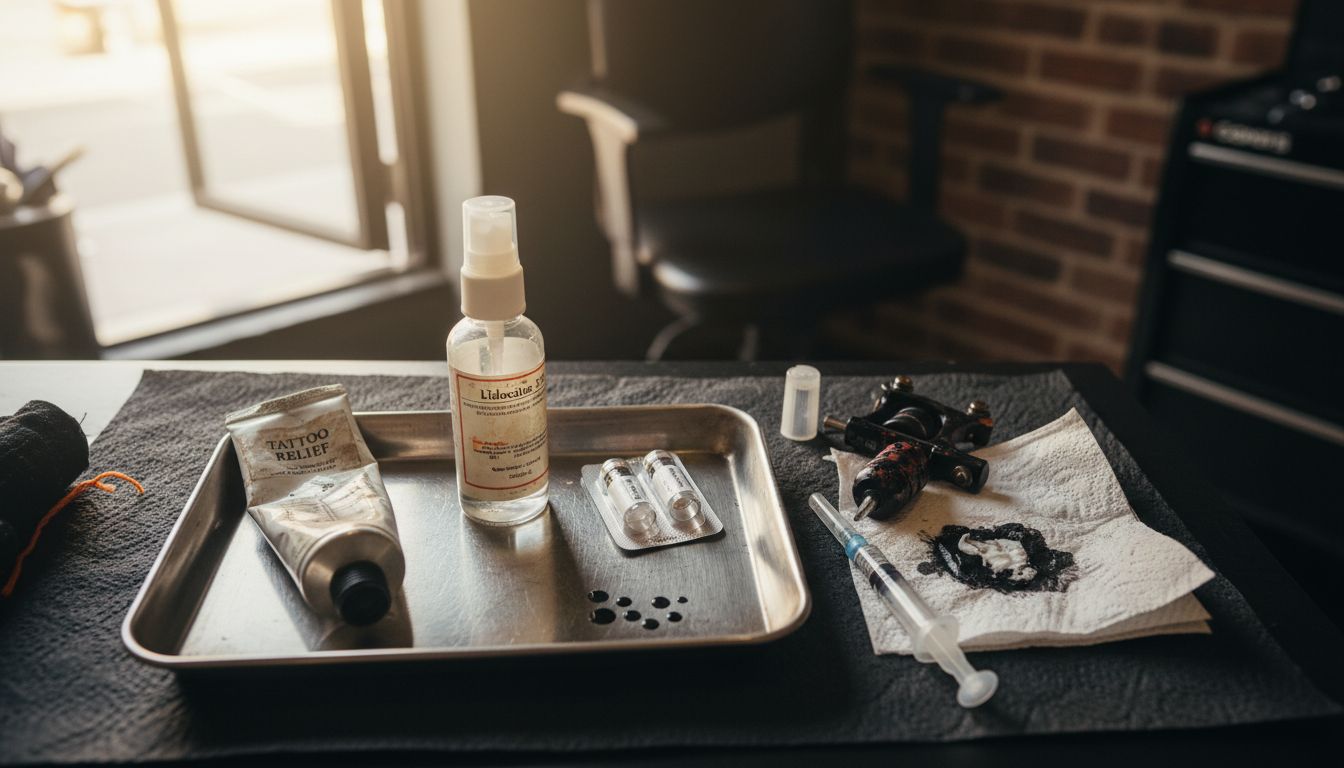
Topical Numbing Creams represent the most common and accessible option for pain management. These products typically contain lidocaine or prilocaine as active ingredients, which work by temporarily blocking nerve signals. They are easy to apply directly to the skin before the tattoo session and offer a convenient at-home solution. However, the effectiveness can vary significantly based on individual skin sensitivity and the specific product formulation.
Another category includes Professional Numbing Sprays, which are often used in clinical settings and by experienced tattoo artists. These sprays provide more rapid and sometimes more uniform numbing compared to traditional creams. Key characteristics of numbing products include:
- Concentration of active anesthetic ingredients
- Duration of numbing effect
- Application method
- Potential side effects
- Compatibility with different skin types
Advanced numbing solutions also come in injectable anesthetics and nerve block techniques, which are typically administered by medical professionals. These methods offer more comprehensive pain management but require specialized training and are not commonly used in standard tattoo parlors. For most individuals, topical solutions remain the most practical and accessible approach to managing tattoo discomfort.
How Tattoo Numbing Creams Work Scientifically
Local anesthetics form the core mechanism behind tattoo numbing products, creating a complex biochemical interaction designed to interrupt pain signals. Pain pathway interruption occurs at the neurological level, where active ingredients temporarily block sodium channels in nerve cells, preventing electrical impulses that communicate pain sensations from reaching the brain.
The primary active ingredients in most numbing creams typically include lidocaine, prilocaine, or benzocaine. These compounds work by selectively targeting nerve receptors, creating a temporary numbness that reduces pain perception without completely eliminating skin sensitivity. The molecular structure of these anesthetic agents allows them to bind to specific protein structures in nerve cell membranes, effectively creating a temporary barrier against pain transmission.
Understanding the scientific process reveals the nuanced approach of numbing creams. Key steps in the pain blocking mechanism include:
- Penetration of skin barrier
- Binding to nerve cell proteins
- Blocking sodium channel receptors
- Preventing electrical pain signal transmission
- Temporary desensitization of nerve endings
The effectiveness of these products depends on multiple factors, including skin thickness, individual pain tolerance, and precise application technique. While the scientific mechanism is sophisticated, it’s not a perfect solution. Some nerve signals may still break through, and individual responses can vary dramatically based on physiological differences.
Legal and Safety Guidelines Across Europe
Navigating the legal landscape of tattoo numbing products in Europe requires careful understanding of complex regulatory frameworks. Specific legal guidelines indicate that the use of anesthetic products in tattoo settings involves significant legal restrictions, particularly concerning who can administer and apply these substances.
The Medicines Act plays a crucial role in regulating anesthetic usage, with strict provisions about the administration of local anesthetics. Regulatory guidelines emphasize that non-medically qualified practitioners are prohibited from directly injecting local anesthetics. This restriction extends to topical numbing creams, which can potentially be considered a legal offense if not used appropriately.
Key legal considerations for tattoo numbing products in Europe include:
- Strict limitations on anesthetic administration
- Required certification for certain numbing product applications
- Potential legal risks for unauthorized use
- Mandatory safety documentation
- Compliance with regional health regulations
Individuals and tattoo professionals must exercise extreme caution when using numbing products. Understanding the nuanced legal environment is critical to avoiding potential legal complications. Each European country may have slightly different interpretations and enforcement of these regulations, making it essential to consult local health authorities and stay informed about current legal standards surrounding tattoo numbing technologies.
Real-World Results and Common Mistakes
Tattoo numbing products promise pain reduction, but real-world experiences reveal a complex landscape of potential challenges and unexpected outcomes. Practical application often differs dramatically from initial expectations, with numerous factors influencing the effectiveness and potential complications of these topical anesthetics.
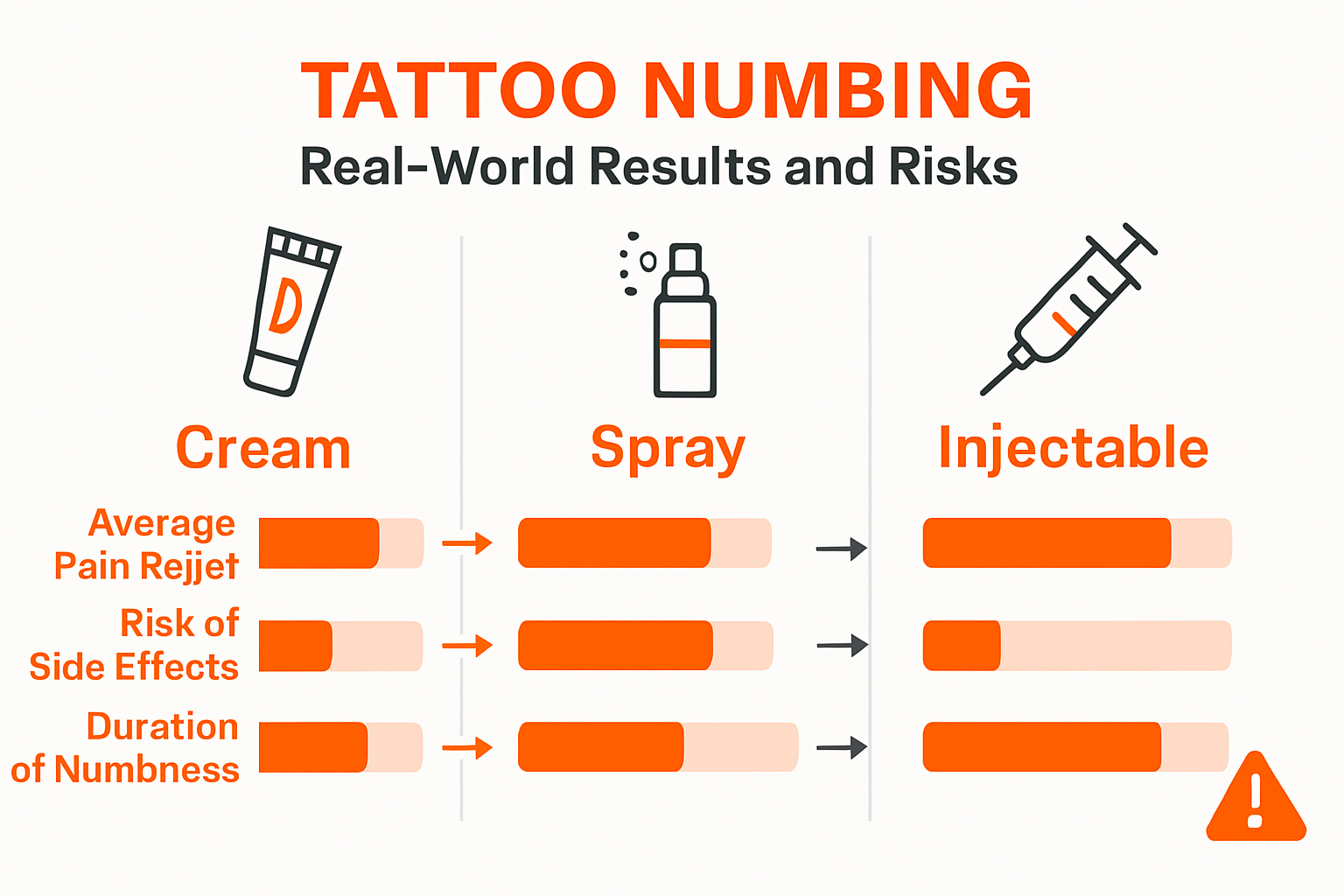
Skin Distortion represents one of the most significant risks associated with numbing cream usage. When applied incorrectly, these products can cause unexpected swelling that fundamentally alters the skin’s texture and appearance. This swelling can potentially compromise the tattoo artist’s precision, making it challenging to execute intricate design details or maintain consistent needle depth throughout the tattooing process.
Common mistakes and potential pitfalls include:
- Incorrect timing of product application
- Over-application of numbing cream
- Failing to communicate with the tattoo artist
- Ignoring individual skin sensitivity
- Assuming complete pain elimination
Successful numbing cream usage requires a strategic approach that balances pain management with artistic integrity. Tattoo enthusiasts must understand that these products are not a magic solution, but rather a supplementary tool that requires careful consideration, professional consultation, and precise application. The key is to view numbing creams as a potential aid, not a guaranteed pain elimination method, and to always prioritize communication with your tattoo professional.
Experience True Comfort with Trusted Tattoo Numbing Creams
Many tattoo enthusiasts struggle with balancing pain management and tattoo precision. This article highlights how common challenges like skin swelling and unpredictable numbing effects can impact your tattoo’s quality. If you want a reliable solution that offers up to three hours of guaranteed pain relief without compromising your artwork trust products proven to work. Our selection of TKTX and Dermacain numbing creams directly address concerns about effectiveness and safe application, helping you avoid common mistakes and emotional frustration.

Discover the difference a professional-grade numbing cream can make at Buy TKTX Online. Shop now with confidence knowing we offer free shipping on orders over 30 Euro and a satisfaction guarantee with easy returns. Don’t let pain hold you back from getting the tattoo you deserve explore our range today and prepare for your next session with ease.
Frequently Asked Questions
How do tattoo numbing creams work?
Tattoo numbing creams work by temporarily blocking pain signals to the brain, using active ingredients like lidocaine or prilocaine to numb nerve endings in the skin.
Are there any risks associated with using tattoo numbing products?
Yes, potential risks include skin swelling that can distort tattoo designs, allergic reactions, and the possibility of the artist being unable to gauge needle depth accurately.
How effective are tattoo numbing creams compared to other numbing solutions?
Tattoo numbing creams typically provide temporary and varying levels of relief based on individual pain tolerance, while professional-grade solutions like injectable anesthetics may offer more comprehensive pain management.
What should I consider before using a numbing cream for my tattoo?
Consider factors such as your pain tolerance, the timing of application, potential side effects, and the impact on tattoo quality. Consulting with your tattoo artist is also crucial for the best outcome.


