

More than 65 percent of tattoo fans across Central Europe now search for effective numbing solutions to achieve a pain-free session, rivaling popular American trends. Pain can turn an exciting tattoo appointment into a real struggle, especially for those covering large or sensitive areas. Learn how innovative products like TKTX and Dermacain help European artists and clients take control of discomfort while ensuring the long-lasting results needed for a true masterpiece.
Table of Contents
- What Numbing Creams Do For Tattoos
- Key Strengths And Formulas Explained
- How TKTX And Dermacain Compare
- Application Tips For Best Results
- Safety, Risks, And Legal Aspects
- Common Mistakes And How To Avoid Them
Key Takeaways
| Point | Details |
|---|---|
| Numbing Cream Functionality | Numbing creams help minimize pain during tattooing by blocking nerve signals, particularly beneficial for sensitive areas and individuals with low pain tolerance. |
| Key Ingredients | Most numbing creams contain lidocaine and prilocaine, which work together to provide localized pain relief. |
| Application Best Practices | Ensure thorough skin cleaning, even cream application, and adhere to recommended timing for optimal effectiveness prior to tattoo sessions. |
| Risks and Precautions | Be aware of potential allergic reactions and consult with your tattoo artist regarding the appropriate cream and dosage based on personal sensitivity and tattoo characteristics. |
What Numbing Creams Do for Tattoos
Tattoo numbing creams are specialized topical solutions designed to minimize pain during tattoo procedures, providing relief for individuals with sensitive skin or low pain tolerance. These innovative products work by temporarily blocking nerve signals in the skin, reducing the intensity of discomfort during the tattooing process.
The primary mechanism of numbing creams involves utilizing active ingredients like lidocaine, which interrupts pain signals from nerve endings. Unlike complete anesthesia, these creams reduce pain rather than eliminate it entirely. They are particularly beneficial for:
- Sensitive body areas like ribs, spine, and inner arms
- Individuals with low pain thresholds
- First-time tattoo recipients
- Large or complex tattoo designs requiring extended sessions
Numbing creams operate through a targeted approach, creating a temporary barrier between nerve receptors and pain stimuli. By applying the cream before the tattoo session, clients can experience a significantly more comfortable and less stressful tattooing experience. Professional tattoo artists often recommend these products to help clients remain relaxed and minimize involuntary movements during intricate work.
Pro tip: Always perform a small skin patch test with numbing cream 24 hours before your tattoo to ensure no allergic reactions or sensitivity.
Key Strengths and Formulas Explained
Numbing cream formulas represent a sophisticated approach to pain management during tattoo procedures, with carefully engineered combinations of active ingredients designed to provide targeted relief. Different numbing cream compositions offer unique pain reduction strategies, making it crucial to understand their specific strengths and applications.
The core ingredients in most professional numbing creams include lidocaine and prilocaine, two powerful local anesthetics that work synergistically to block nerve signals. These active compounds interrupt pain transmission by temporarily desensitizing nerve receptors in the skin. Advanced formulas may also incorporate additional components like:
- Epinephrine (for prolonged numbing effect)
- Benzocaine (supplemental pain relief)
- Nerve-blocking agents
- Skin conditioning elements
Tattoo artists and clients must consider several critical factors when selecting a numbing cream, including session duration, tattoo placement, and individual skin sensitivity. Some formulas are optimized for short, intense procedures, while others provide extended coverage for longer, more complex tattoo work. Professional-grade creams typically offer more consistent and reliable pain management compared to over-the-counter alternatives.
Pro tip: Consult with your tattoo artist about the most appropriate numbing cream for your specific tattoo design and personal pain tolerance.
How TKTX and Dermacain Compare
TKTX and Dermacain represent two leading numbing cream solutions specifically designed for tattoo enthusiasts seeking pain reduction during their ink sessions. While both products aim to minimize discomfort, they possess unique characteristics that distinguish them in the competitive tattoo numbing cream market.
The primary differences between TKTX and Dermacain emerge in their formulation, application method, and duration of effectiveness. TKTX typically offers a faster-acting solution with a slightly shorter duration, making it ideal for smaller tattoo projects or clients with lower pain sensitivity. Dermacain, by contrast, tends to provide a more extended numbing effect, which can be advantageous for:
- Larger tattoo designs
- Extended tattoo sessions
- More intricate and time-consuming artwork
- Sensitive body areas requiring longer pain management
Both brands utilize similar active ingredients like lidocaine and prilocaine, but their concentration and supporting compounds can vary significantly. Professional tattoo artists often recommend testing both products to determine individual skin response and compatibility. Factors such as skin type, pain threshold, and specific tattoo characteristics play crucial roles in selecting the most appropriate numbing cream.
Here’s a quick comparison of the two leading tattoo numbing creams discussed:
| Attribute | TKTX | Dermacain |
|---|---|---|
| Onset Time | Fast-acting, works in 20-30 min | Slower onset, 30-45 min |
| Duration | Lasts 2-3 hours | Can provide up to 4 hours |
| Ideal Use Cases | Small or less sensitive tattoos | Large, intricate, or long sessions |
| Common Ingredients | Lidocaine, prilocaine | Lidocaine, prilocaine, additives |
| Best for | Low to medium pain tolerance | High sensitivity, extended sessions |
Pro tip: Always perform a small patch test with each numbing cream at least 24 hours before your scheduled tattoo to ensure optimal skin compatibility and minimize potential allergic reactions.
Application Tips for Best Results
Achieving optimal pain management with numbing creams requires a strategic approach that goes beyond simply applying the product before your tattoo session. Proper application is crucial to ensuring maximum effectiveness and minimizing potential skin irritation or uneven numbing.
To prepare for your tattoo, follow these critical steps for numbing cream application:
- Clean the skin thoroughly with mild soap and warm water
- Dry the area completely before application
- Apply a thin, even layer of cream
- Cover the area with medical-grade plastic wrap
- Allow the cream to sit for 45-60 minutes before tattoo session
Timing is everything when it comes to numbing cream effectiveness. Most professional-grade numbing creams like TKTX and Dermacain require a specific window of application to maximize their pain-blocking capabilities. Applying the cream too early can reduce its potency, while applying it too late might prevent the active ingredients from fully penetrating the skin’s nerve receptors.
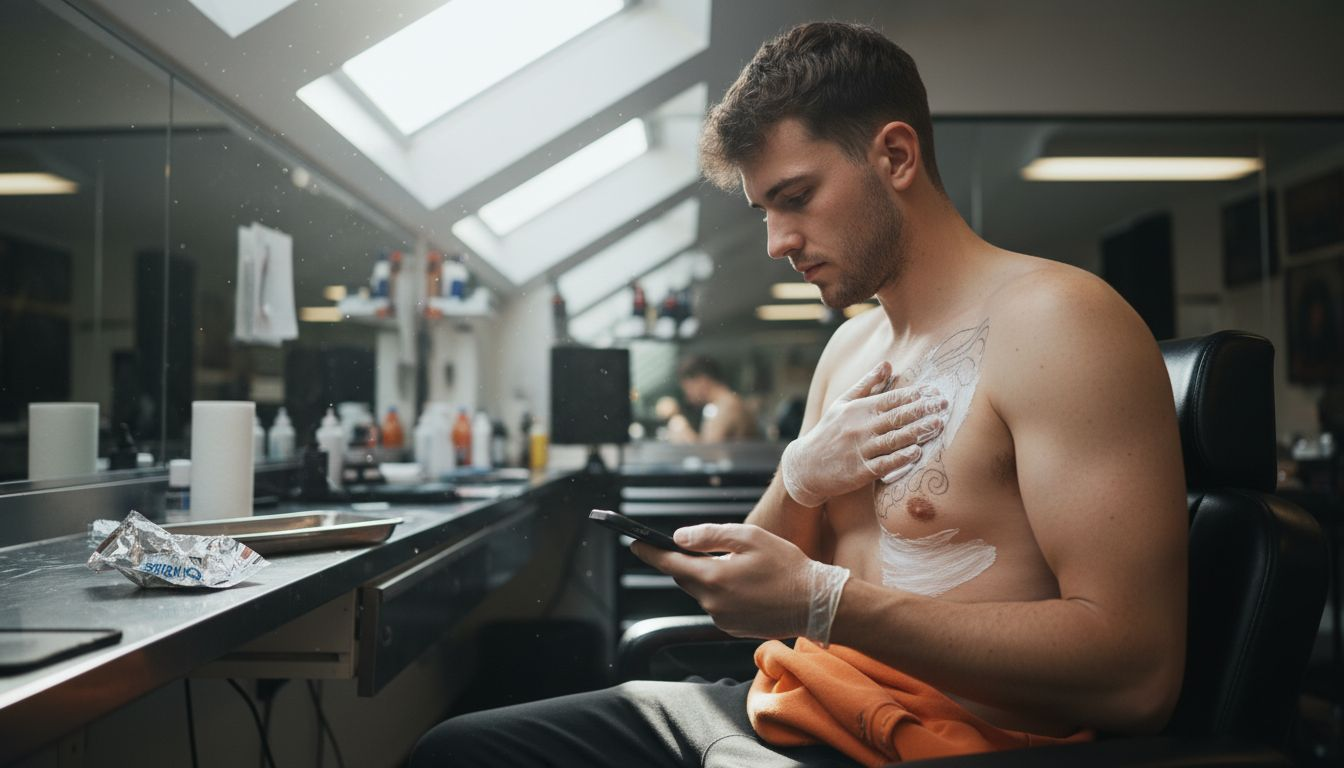
Different body areas require unique application techniques. Sensitive regions like the ribs, inner arms, and spine demand extra care during numbing cream preparation. Always consult with your tattoo artist about the specific characteristics of your chosen design and body placement to determine the most appropriate numbing strategy.
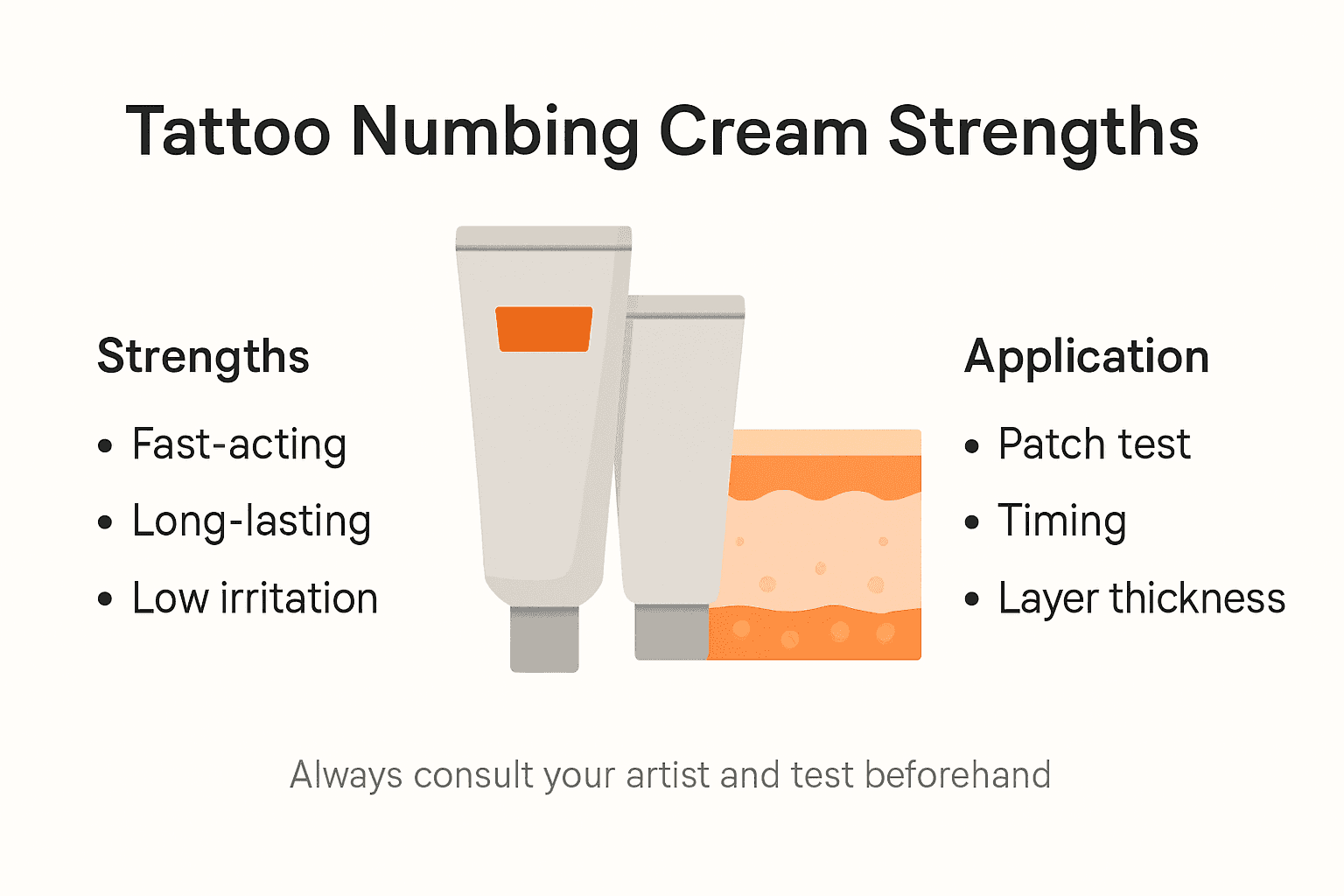
Pro tip: Communicate openly with your tattoo artist about your numbing cream plan and bring extra cream to the session in case reapplication becomes necessary.
Safety, Risks, and Legal Aspects
Navigating the complex landscape of numbing cream usage requires a comprehensive understanding of potential risks and legal considerations. Tattoo numbing creams present several critical safety challenges that require careful evaluation, particularly regarding skin sensitivity, allergic reactions, and potential medical complications.
The primary risks associated with numbing cream application include:
- Allergic reactions: Potential skin inflammation or systemic response
- Lidocaine toxicity: Dangerous if applied incorrectly or in excessive quantities
- Skin texture modification: Potential interference with tattoo ink absorption
- Temporary nerve desensitization: Potential masking of pain signals
Legal considerations vary significantly across European jurisdictions, with some regions implementing strict regulations about numbing cream application. Professional tattoo artists and clients must remain informed about local guidelines, ensuring that product usage complies with regional health and safety standards. Medical-grade numbing creams require responsible application, with careful attention to recommended dosage and individual skin characteristics.
Professional tattoo studios typically have specific protocols regarding numbing cream usage. Some artists may recommend against their application due to potential complications with ink absorption or skin preparation. Understanding these professional perspectives is crucial for making informed decisions about pain management during tattoo sessions.
Here’s a summary of potential risks and legal aspects related to tattoo numbing cream use:
| Risk or Concern | Possible Impact | Legal Notes |
|---|---|---|
| Allergic reactions | Redness, swelling, discomfort | May require disclosure in some areas |
| Lidocaine toxicity | Nausea, heartbeat irregularities | Regulated dosage limits may apply |
| Skin texture changes | Ink absorption issues | Some regions restrict home use |
| Incomplete numbing | Unpredictable pain during session | Studio policies differ by location |
| Professional oversight | Reduces complications | Often mandated in licensed studios |
Pro tip: Always consult with your professional tattoo artist and conduct a comprehensive skin patch test at least 48 hours before your scheduled tattoo to identify potential adverse reactions.
Common Mistakes and How to Avoid Them
Numbing cream application is a nuanced process that demands precision and careful attention. Many tattoo enthusiasts unknowingly compromise their pain management strategy by making critical errors that can significantly reduce the cream’s effectiveness and potentially impact their tattoo experience.
The most prevalent mistakes in numbing cream application include:
- Inadequate skin preparation: Failing to clean and dry the skin thoroughly
- Uneven application: Applying cream too thinly or inconsistently
- Incorrect timing: Not allowing sufficient absorption time before tattoo session
- Oversaturation: Using excessive amounts of cream
- Ignoring individual skin sensitivity: Assuming one-size-fits-all approach
Professional tattoo artists recommend a methodical approach to numbing cream usage. Understanding your skin’s unique characteristics is crucial, as pain tolerance and absorption rates vary significantly between individuals. Factors like skin type, hydration levels, and previous tattoo experiences play important roles in determining the most effective numbing strategy.
Communication with your tattoo artist is paramount. Many professionals have specific protocols and recommendations regarding numbing cream application. Some may prefer certain brands or application techniques, and their expertise can help you avoid potential complications that could compromise your tattoo’s quality or your overall experience.
Pro tip: Bring your numbing cream to the tattoo session and ask your artist to review your application technique to ensure optimal results and minimize potential issues.
Maximize Your Tattoo Comfort with Proven Numbing Creams
Pain management is key to a comfortable tattoo experience as detailed in our article about numbing cream strengths. If you want to avoid discomfort caused by sensitive skin or long tattoo sessions, choosing the right numbing cream like TKTX or Dermacain is essential. These creams provide up to 3 hours of guaranteed pain relief so you can focus on your artwork instead of pain.

Experience the difference yourself by visiting our website where we proudly offer genuine TKTX and Dermacain creams across all of Europe. Enjoy free shipping on orders over 30 Euro plus a customer satisfaction guarantee—return the product if you’re not fully satisfied. Don’t wait until your tattoo session to discover the benefit of professional-grade numbing creams. Take control of your tattoo comfort today by ordering from buytktx.online and ensure a smooth, pain-minimized tattooing process.
Frequently Asked Questions
What are tattoo numbing creams and how do they work?
Tattoo numbing creams are topical solutions designed to minimize pain during tattoo procedures by temporarily blocking nerve signals in the skin. They utilize active ingredients like lidocaine to reduce discomfort during the inking process.
How long should tattoo numbing cream be left on before a session?
Most professional-grade numbing creams require 45-60 minutes of application time before your tattoo session to maximize their pain-blocking effectiveness. Timing is crucial for optimal results.
What ingredients should I look for in a numbing cream?
Look for active ingredients such as lidocaine and prilocaine in numbing creams, as they are effective local anesthetics that block pain transmission. Advanced formulas may also include epinephrine for prolonged effects or skin conditioning elements for better absorption.
How does TKTX compare to Dermacain for tattoo numbing?
TKTX typically provides faster onset and is ideal for smaller or less sensitive tattoos, while Dermacain offers a longer-lasting numbing effect, making it suitable for larger or more intricate tattoo designs. Both utilize similar active ingredients but differ in their application methods and effectiveness durations.


