

Over fifty percent of American adults say pain management is a key concern when getting tattooed. As tattoos become more popular across American cities, managing discomfort has moved to the top of many clients’ wish lists. Understanding how topical anesthetics work can help both seasoned tattoo enthusiasts and first-timers make sessions smoother, offering real solutions to keep pain in check while preserving a high standard of artistry.
Table of Contents
- What Are Topical Anesthetics For Tattooing?
- Types Of Tattoo Numbing Creams Explained
- How Topical Anesthetics Reduce Tattoo Pain
- Legal And Safety Considerations In Europe
- Common Mistakes With Tattoo Anesthetics
Key Takeaways
| Point | Details |
|---|---|
| Topical Anesthetics | They effectively minimize pain during tattoo procedures by blocking nerve signals, enhancing the overall comfort for clients. |
| Product Types | Various formulations like surface anesthetics and prolonged relief creams cater to individual pain tolerance and skin sensitivity. |
| Safety Considerations | Users should review ingredient disclosures and consult healthcare professionals to avoid potential complications from numbing creams. |
| Common Mistakes | Misapplication or excessive usage of numbing creams can lead to poor tattoo quality and safety risks, so proper communication with artists is essential. |
What Are Topical Anesthetics for Tattooing?
Topical anesthetics are specialized numbing agents designed to minimize pain and discomfort during tattoo procedures. These powerful skin-surface medications work by temporarily blocking nerve signals in the targeted area, creating a localized pain-free experience for individuals getting tattoos. Topical anesthetics provide a critical solution for reducing the intense sensations associated with needle penetration and ink insertion.
The primary mechanism of these anesthetics involves temporarily interrupting pain signal transmission from nerve endings. When applied directly to the skin before tattooing, they create a temporary numbness that significantly reduces the perception of pain. Typically, these products contain active ingredients like lidocaine, benzocaine, or prilocaine - pharmaceutical compounds specifically engineered to block nerve receptors and minimize discomfort.
Tattoo enthusiasts and professional artists appreciate topical anesthetics for multiple reasons. These products enable longer tattoo sessions by reducing patient discomfort, allow individuals with lower pain tolerance to complete complex designs, and provide a more comfortable overall tattooing experience. Different formulations offer varying durations of numbness, with some products providing pain relief for up to three hours - perfect for extensive or intricate tattoo work.
Key benefits of using topical anesthetics during tattooing include:
- Immediate pain reduction
- Extended tattoo session potential
- Decreased muscle tension and involuntary movement
- Enhanced comfort for individuals with sensitive skin
- Minimal interference with tattoo ink absorption and quality
Professional tattoo artists recommend consulting with a healthcare professional and carefully following product instructions to ensure safe and effective application of these numbing agents.
Types of Tattoo Numbing Creams Explained
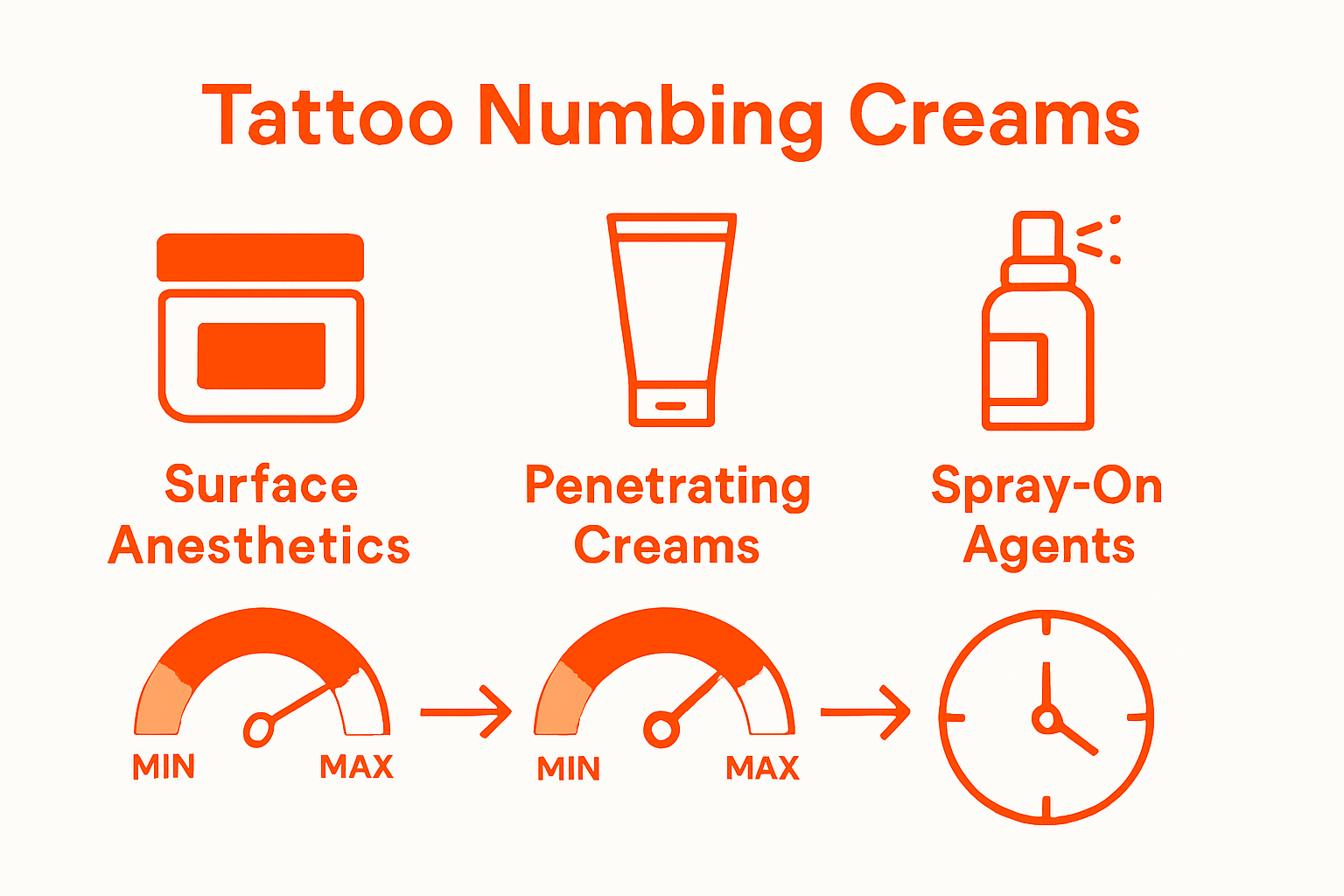
Tattoo numbing creams come in several distinct formulations, each designed to provide targeted pain relief during tattoo procedures. The most common types include surface-level creams, penetrating anesthetic mixtures, and specialized topical solutions. These products vary in their active ingredients, application methods, and duration of pain reduction, offering tattoo enthusiasts multiple options for managing discomfort.
One of the most prevalent numbing cream types is the lidocaine/prilocaine mixture, a eutectic blend that provides exceptional dermal anesthesia. These combinations typically contain multiple active ingredients that work synergistically to block nerve signals and reduce pain perception. Professional-grade numbing creams often incorporate compounds like benzocaine, tetracaine, and lidocaine in precise concentrations to maximize effectiveness while maintaining safety.
The primary categories of tattoo numbing creams include:
- Surface Anesthetic Creams: Quick-acting solutions that numb the skin’s outer layers
- Penetrating Numbing Agents: Deeper-acting formulations that block nerve signals more comprehensively
- Prolonged Relief Creams: Extended-duration products designed for longer tattoo sessions
- Sensitive Skin Formulations: Hypoallergenic options with gentler ingredient profiles
When selecting a numbing cream, tattoo enthusiasts should consider factors such as individual pain tolerance, skin sensitivity, tattoo size and location, and potential allergic reactions. Professional tattoo artists recommend patch testing any numbing product before full application and consulting with healthcare providers about potential interactions or contraindications.
How Topical Anesthetics Reduce Tattoo Pain
Topical anesthetics work through a sophisticated neurological mechanism designed to interrupt pain signals before they reach the brain. At the cellular level, these specialized compounds target nerve cell membranes, preventing the transmission of painful sensations during tattoo procedures. Lidocaine works by blocking sodium channels in nerve cells, creating a temporary barrier that stops pain impulses from being generated and transmitted.

The neurochemical process involves multiple stages of pain signal interruption. When applied to the skin, active ingredients like lidocaine and benzocaine inhibit voltage-gated sodium channels, effectively numbing the targeted area. This sophisticated biochemical intervention means that while the tattoo needle is still penetrating the skin, the brain receives significantly reduced or completely blocked pain signals, allowing for a more comfortable tattooing experience.
Different topical anesthetic compounds offer varying levels of pain reduction and duration. Some formulations provide rapid onset of numbness within minutes of application, while others offer more prolonged pain relief lasting up to several hours. The effectiveness depends on factors such as:
- Concentration of active numbing ingredients
- Individual skin sensitivity
- Application technique
- Specific body area being tattooed
- Personal pain tolerance
Professional tattoo artists recommend carefully selecting and applying topical anesthetics to ensure maximum comfort and minimal interference with the tattoo process. Understanding the scientific mechanism behind these numbing agents helps tattoo enthusiasts make informed decisions about pain management during their body art experience.
Legal and Safety Considerations in Europe
Navigating the complex landscape of tattoo numbing cream regulations requires a comprehensive understanding of European legal frameworks. The EU Cosmetics Regulation (EC) No 1223/2009 establishes stringent guidelines for safety assessments, ingredient transparency, and market entry requirements for topical anesthetic products. These regulations aim to protect consumer health by ensuring that all numbing creams meet rigorous safety standards before reaching European markets.
The European regulatory environment has significantly impacted the availability and marketing of tattoo numbing creams. Market research indicates increasing regulatory scrutiny from the European Medicines Agency, which has led to more restricted product offerings. Manufacturers must now demonstrate comprehensive safety profiles, including detailed ingredient analysis, potential side effects, and long-term usage implications before obtaining approval for sale.
Key legal considerations for tattoo numbing cream users in Europe include:
- Mandatory ingredient disclosure
- Strict concentration limits for active anesthetic compounds
- Required safety testing and certification
- Age restrictions for product purchase
- Potential prescription requirements for certain formulations
Consumers and tattoo professionals must remain vigilant about product compliance. This means carefully reviewing product documentation, understanding potential allergic reactions, and consulting healthcare professionals when uncertain about a specific numbing cream’s suitability. The evolving regulatory landscape emphasizes consumer protection while maintaining high standards for pain management solutions in the tattoo industry.
Common Mistakes with Tattoo Anesthetics
Navigating the use of tattoo numbing creams requires careful attention and understanding to avoid potentially dangerous complications. Overuse or improper application of numbing creams can lead to excessive numbness, increasing the risk of injury or poor tattoo placement. Tattoo enthusiasts often make critical errors that can compromise both their safety and the quality of their body art experience.
One of the most significant mistakes involves incorrect dosage and application techniques. Many individuals either apply too much numbing cream, hoping for extended pain relief, or fail to follow precise timing guidelines. Excessive application can potentially interfere with the tattoo artist’s ability to gauge skin tension, needle penetration, and overall tattoo quality. Some users mistakenly believe that more cream equals better pain management, when in reality, it can create dangerous complications like reduced skin sensitivity and potential absorption of excessive active ingredients.
Common errors to avoid when using tattoo numbing creams include:
- Applying cream too close to tattoo session start
- Using products without consulting the tattoo artist
- Ignoring individual skin sensitivity and allergic potential
- Failing to perform patch tests before full application
- Exceeding recommended dosage limits
- Choosing low-quality or unregulated numbing products
Professional tattoo artists recommend transparent communication about numbing cream usage. This means discussing product selection, application timing, and potential interactions with the tattooing process beforehand. Understanding the limitations and proper usage of topical anesthetics can help ensure a safer, more comfortable tattoo experience while maintaining the highest quality of artistic execution.
Experience Pain-Free Tattoo Sessions with Trusted Numbing Creams
Tattooing can be a challenging experience due to unavoidable pain and discomfort. This article highlights how topical anesthetics like lidocaine and prilocaine mixtures effectively block nerve signals to reduce pain during your tattoo process. If you struggle with sensitivity or fear about needle pain, you need reliable numbing solutions that provide immediate and lasting relief without compromising tattoo quality or safety.

Take control of your tattoo experience today with premium solutions like TKTX and Dermacain available at https://buytktx.online. Our guaranteed 3-hour pain-free formula helps you enjoy longer, comfortable tattoo sessions anywhere in Europe. We back your satisfaction with a money-back promise and offer free shipping on orders over 30 Euro. Don’t let pain stand in the way of your next masterpiece. Visit https://buytktx.online to order now and transform your tattoo journey with trusted numbing creams.
Frequently Asked Questions
What are topical anesthetics used for in tattooing?
Topical anesthetics are numbing agents applied to the skin to minimize pain and discomfort during tattoo procedures. They temporarily block nerve signals in the area being tattooed, creating a localized pain-free experience.
How do topical anesthetics work to reduce tattoo pain?
Topical anesthetics work by interrupting pain signals at the nerve cell level. Ingredients like lidocaine and benzocaine block sodium channels in nerve cells, reducing the transmission of pain sensations to the brain and allowing for a more comfortable tattooing experience.
What are the different types of tattoo numbing creams available?
Tattoo numbing creams come in several formulations, including surface anesthetic creams, penetrating numbing agents, prolonged relief creams, and sensitive skin formulations. Each type varies in active ingredients, application methods, and duration of pain relief.
What precautions should I take when using tattoo numbing creams?
When using tattoo numbing creams, it’s essential to follow product instructions carefully, perform patch tests before full application, and consult with a tattoo artist or healthcare provider. Avoid applying too much cream and ensure it doesn’t interfere with the tattooing process.


