

Nearly one in five American adults describe their skin as sensitive, yet confusion surrounds what this truly means. From unexpected stinging to invisible triggers, skin sensitivity often defies the stereotypes you hear about. Understanding the real science behind sensitive skin helps separate myth from fact, especially when it comes to tattoos and aftercare. This guide uncovers what every American with sensitive skin needs to know before their next tattoo appointment.
Table of Contents
- Defining Skin Sensitivity And Common Myths
- Types Of Sensitive Skin Reactions In Tattoos
- How Skin Sensitivity Influences Tattoo Pain
- Safe Numbing Cream Use For Sensitive Skin
- Risks, Allergies, And Aftercare Recommendations
Key Takeaways
| Point | Details |
|---|---|
| Understanding Skin Sensitivity | Skin sensitivity involves complex responses such as stinging and itching, often without visible signs or inflammation. It affects individuals across all skin types, not just those with fair skin. |
| Types of Tattoo Reactions | Tattoo-related skin reactions can vary from mild irritations to severe inflammatory responses, particularly related to certain pigments, emphasizing the importance of ink selection. |
| Pain Perception in Tattooing | Individuals with sensitive skin may experience heightened pain levels during tattooing due to increased nerve sensitivity and lower pain thresholds, requiring special consideration during the process. |
| Numbing Cream Precautions | When using numbing creams, conduct patch tests and consult professionals to minimize risks of allergic reactions and ensure a comfortable tattooing experience. |
Defining Skin Sensitivity and Common Myths
Skin sensitivity is a complex physiological response that goes far beyond simple surface-level reactions. Medical research reveals that sensitive skin is characterized by unpleasant sensory experiences like stinging, burning, and itching in response to stimuli that typically would not provoke such intense reactions. These sensations occur without visible skin lesions and can manifest across various body parts, with facial regions being particularly susceptible.
Contrary to popular misconceptions, skin sensitivity is not always immediately visible or solely tied to allergic responses. Clinical studies demonstrate that sensitive skin can present through multiple symptoms including localized itchiness, unexpected dryness, and subtle discoloration. The underlying mechanisms are nuanced, involving intricate interactions between nerve endings, environmental triggers, and individual genetic predispositions.
Debunking Common Myths:
- Myth: Sensitive skin is always visibly red or inflamed
- Reality: Many sensitive skin reactions occur without obvious external signs
- Myth: Only people with fair skin experience sensitivity
- Reality: Skin sensitivity can affect individuals across all skin types and ethnicities
- Myth: Sensitivity is purely an allergic reaction
- Reality: Multiple factors including stress, hormonal changes, and environmental conditions contribute to skin sensitivity
Understanding skin sensitivity requires recognizing its multifaceted nature. While some individuals might experience mild reactions, others can develop more profound sensory responses that significantly impact their daily comfort and skin health. Recognizing the subtle signs and avoiding oversimplified explanations is crucial in effectively managing and responding to skin sensitivity.
Types of Sensitive Skin Reactions in Tattoos
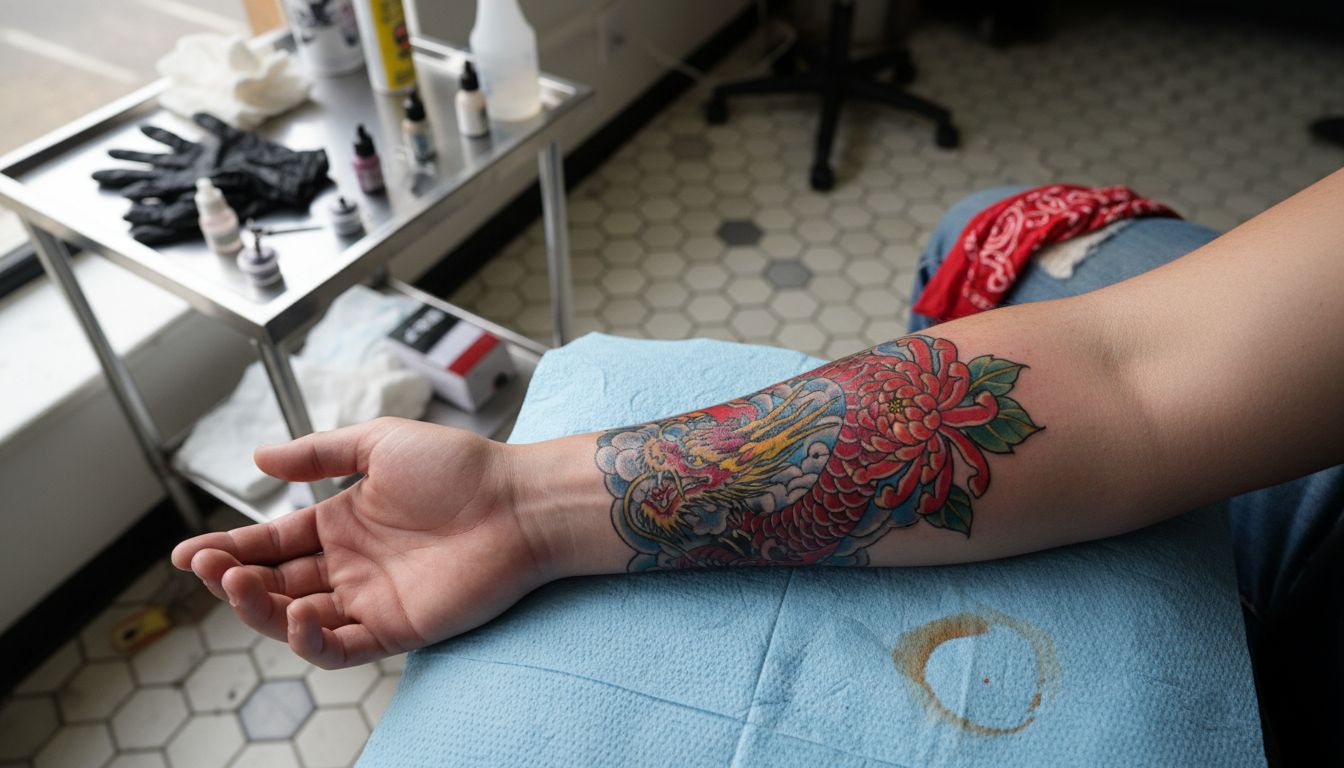
Tattoo-related skin reactions represent a complex spectrum of potential physiological responses that go beyond simple surface irritation. Medical research reveals that allergic reactions can manifest as granulomatous responses, particularly when certain pigments like those containing mercury trigger an immune system response. These reactions often appear as raised, red bumps directly at the tattoo site, signaling a deeper inflammatory process.
Dermatological studies demonstrate that sensitive skin can experience multiple types of reactions, ranging from mild to severe. The most common types include:
- Granulomatous Reactions: Inflammatory responses producing small, raised nodules
- Lichenoid Reactions: Skin eruptions resembling lichen plant formations
- Photo-Aggravated Reactions: Specific pigments like yellow containing cadmium sulfide can cause hypersensitivity when exposed to sunlight
Some tattoo pigments are more likely to trigger sensitive skin reactions than others. For instance, red and yellow pigments have higher potential for causing inflammatory responses. Environmental factors like sun exposure can dramatically amplify these reactions, transforming a seemingly benign tattoo into a source of significant discomfort. Understanding these nuanced reactions helps tattoo enthusiasts make more informed decisions about ink selection and potential skin sensitivities.
How Skin Sensitivity Influences Tattoo Pain
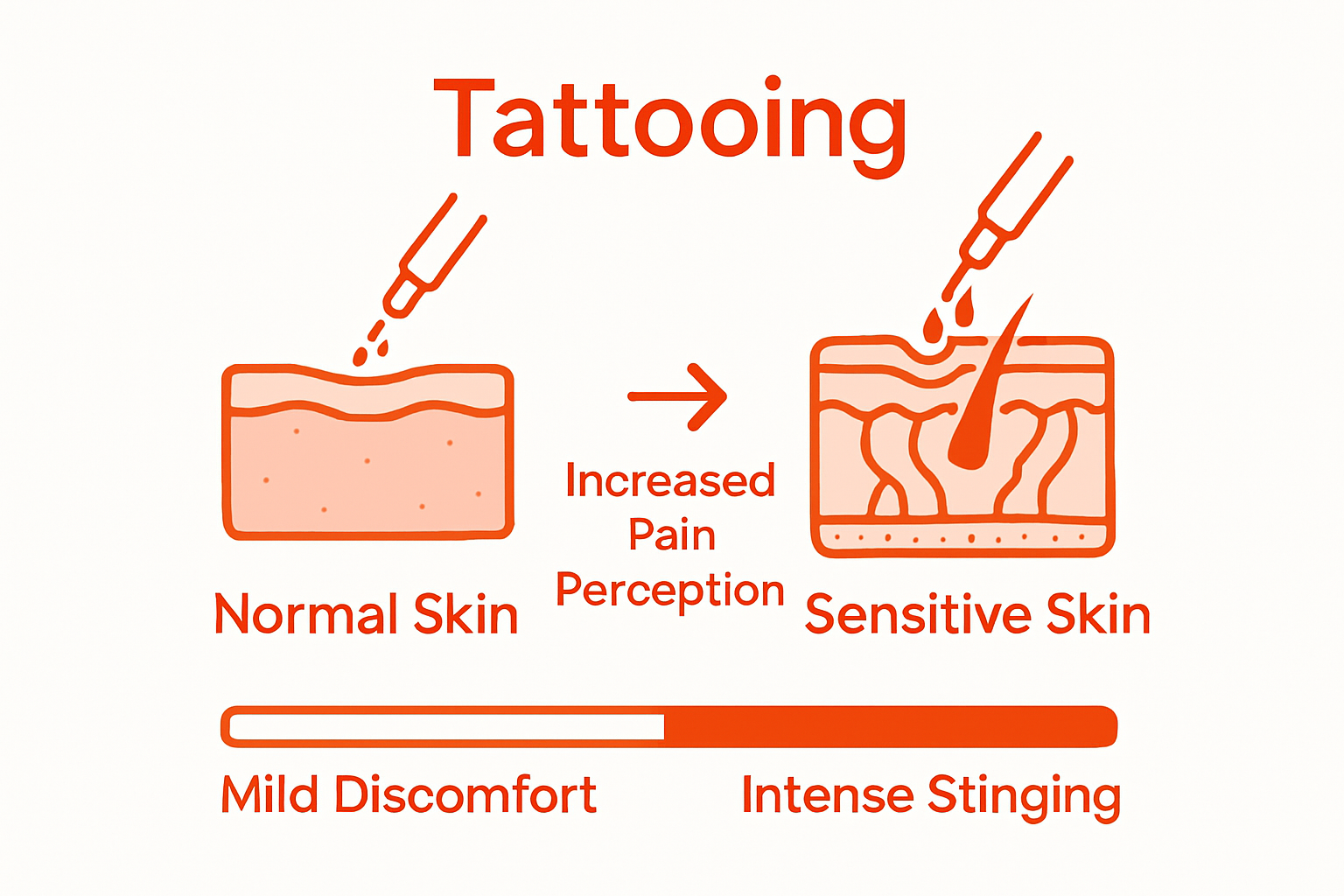
Skin sensitivity fundamentally transforms the tattooing experience by dramatically altering pain perception and physiological response. Scientific research indicates that individuals with sensitive skin often experience heightened sensations like burning and stinging, which can substantially amplify the pain encountered during the tattooing process. These heightened sensory responses mean that what might be a tolerable experience for someone with typical skin can become an intensely uncomfortable procedure for those with increased skin reactivity.
Neurological studies reveal that sensitive skin is characterized by an abnormal skin barrier and hyper-reactivity of the cutaneous nervous system. This unique physiological configuration means that sensitive skin individuals process pain signals differently, leading to:
- Increased nerve sensitivity
- Lower pain threshold
- More pronounced inflammatory responses
- Prolonged recovery periods
The impact of skin sensitivity on tattoo pain extends beyond the immediate tattooing experience. Factors like pigment composition, tattoo placement, and individual genetic predispositions can further modulate pain perception. People with sensitive skin might experience more pronounced discomfort in areas with thinner skin or higher nerve concentration, such as the inner arm, ribs, or ankle. Understanding these nuanced interactions helps tattoo enthusiasts make more informed decisions about their body art, potentially selecting numbing solutions or preparing mentally for a more intense experience.
Safe Numbing Cream Use for Sensitive Skin
Numbing cream application requires careful consideration, especially for individuals with sensitive skin. Dermatological experts recommend conducting a comprehensive patch test before full application to identify potential adverse reactions. This precautionary step is crucial for preventing unexpected complications during the tattooing process.
Medical research highlights the potential risks of hypersensitivity reactions associated with tattoo-related products. For individuals with sensitive skin, critical precautions include:
- Performing a small skin patch test 24-48 hours before tattoo appointment
- Consulting with a healthcare professional about specific product ingredients
- Checking for potential allergenic components
- Monitoring skin response during initial application
Sensitive skin demands a strategic approach to numbing cream selection. Ingredients like lidocaine, prilocaine, and benzocaine can trigger reactions in some individuals, making professional guidance essential. Understanding your skin’s unique characteristics and potential sensitivities helps minimize risks and ensures a more comfortable tattooing experience. Always prioritize communication with your tattoo artist and dermatologist to develop a personalized strategy that addresses your specific skin needs and pain management requirements.
Risks, Allergies, and Aftercare Recommendations
Tattoo complications extend far beyond aesthetic considerations, encompassing complex medical risks that demand careful attention. Medical research demonstrates that tattooing can potentially trigger non-allergic complications including infections and unexpected autoimmune responses. These risks are particularly pronounced for individuals with sensitive skin, making comprehensive understanding and proactive management essential.
Dermatological studies reveal multiple potential allergic reactions associated with tattoo processes:
- Dermatitis: Inflammatory skin reactions
- Granulomas: Localized inflammatory tissue formations
- Contact Sensitivity: Immune system responses to specific ink ingredients
- Systemic Allergic Reactions: Broader immunological responses
Effective aftercare represents the critical bridge between potential complications and successful tattoo healing. Key recommendations include using hypoallergenic products, avoiding direct sunlight during initial healing, maintaining strict hygiene protocols, and monitoring the tattoo site for any unusual changes. Individuals with known skin sensitivities should consult healthcare professionals before and after the tattooing process, ensuring a comprehensive approach to minimizing risks and promoting optimal skin recovery. Proactive communication with both tattoo artists and medical professionals can significantly reduce the likelihood of adverse reactions and support a smooth healing experience.
Manage Tattoo Pain with Confidence Using Trusted Numbing Creams
If you have sensitive skin, you already know how factors like increased nerve sensitivity and lower pain thresholds can turn the tattooing process into a challenging experience. The article “Skin Sensitivity Explained Impact on Tattoo Pain” reveals how important it is to address these issues before your session. Don’t let heightened skin reactivity control your comfort or your confidence.

Experience a pain-free tattoo process with TKTX and Dermacain numbing creams, available across Europe for long-lasting relief up to 3 hours. Our products are specially formulated for all skin types including sensitive skin. Plus, we guarantee your satisfaction with hassle-free returns and free shipping on orders over 30 Euro. Prepare yourself wisely by visiting our website to secure your trusted tattoo numbing cream and take control of your tattoo journey now.
Frequently Asked Questions
What is skin sensitivity and how does it relate to tattoos?
Skin sensitivity refers to unpleasant sensory experiences like stinging and itching that occur without visible skin lesions. It can significantly affect the tattooing process by enhancing pain perception and discomfort during the procedure.
How can skin sensitivity influence tattoo pain?
Individuals with sensitive skin often experience heightened sensations such as burning and stinging during tattooing. This can transform a typically tolerable pain experience into one that is much more intense, making careful consideration of tattoo placement and numbing options crucial.
What precautions should I take when using numbing cream on sensitive skin?
It’s important to conduct a patch test 24-48 hours before application to check for adverse reactions. Consult a healthcare professional about specific product ingredients, and monitor your skin’s response to minimize risks associated with hypersensitivity.
What are the potential risks associated with tattoos for individuals with sensitive skin?
People with sensitive skin may face various complications, including infections, dermatitis, and allergic reactions to tattoo ink ingredients. Effective aftercare and proactive communication with healthcare professionals can help mitigate these risks.


