

Finding the perfect tattoo aftercare routine can feel daunting for new clients and experienced enthusiasts across Central Europe. The first hours after leaving the studio are crucial for preventing infection and preserving vibrant color. With expert advice backed by proven methods, you’ll discover how simple steps like gentle hand-washing and thin ointment applications form your best defense against fading and irritation. Get the guidance you need for a comfortable experience and long-lasting results.
Table of Contents
- Step 1: Prepare the Fresh Tattoo Site Properly
- Step 2: Cleanse the Area and Apply Ointment
- Step 3: Monitor Healing and Avoid Irritation
- Step 4: Verify Full Recovery and Long-Term Care
Quick Summary
| Key Takeaway | Explanation |
|---|---|
| 1. Remove bandage promptly | Take off the initial bandage within 3 to 24 hours to prevent moisture buildup and bacteria. |
| 2. Clean with gentle methods | Wash the tattoo using hands with mild soap and lukewarm water; avoid scrubbing or using harsh cloths. |
| 3. Apply thin ointment daily | Use a thin layer of medicated ointment 2-3 times per day during the first week to maintain moisture. |
| 4. Monitor for infection signs | Watch for excessive redness, swelling, or pus; contact a healthcare provider if any occur. |
| 5. Protect skin long-term | Continue moisturizing and using sunscreen for longevity; avoid tanning beds and harsh chemicals. |
Step 1: Prepare the Fresh Tattoo Site Properly
Your fresh tattoo needs immediate attention to heal properly and maintain its vibrancy. The first few hours after your appointment set the tone for the entire healing process, so getting this step right prevents infection and color fading.
Start by removing the initial bandage within 3 to 24 hours after your tattoo session. Your artist will apply this protective covering right after finishing, but leaving it on too long traps moisture and bacteria. Peel it away gently when you’re ready.
Once the bandage comes off, wash your hands thoroughly before touching the tattoo site. This step sounds simple but matters more than you might think. You’re preventing bacteria transfer from your hands to the fresh wound.
Next, perform a gentle cleansing with mild soap and water. Use lukewarm water and fragrance-free soap. Pat the area dry with a clean paper towel or cloth—never rub or scrub.
After cleaning, apply a thin layer of medicated ointment for the first few days. Think of this as moisture management, not heavy moisturizing. Too much ointment traps bacteria and prevents the tattoo from breathing properly.
Here’s what to avoid during this critical preparation phase:
- Don’t re-bandage after removing the initial wrap
- Skip tight clothing that rubs against the fresh tattoo
- Avoid lotions with oils and fragrances that irritate the skin
- Don’t expose the site to swimming or excessive sun exposure
- Never pick at scabs or peeling skin, even when itching starts
Clean hands and gentle washing are your first line of defense against infection and color loss.
Pro tip: Keep paper towels nearby during the first week—they’re gentler than cloth and reduce the risk of bacteria from washing machines getting into your healing tattoo.
Here’s a quick reference comparing common tattoo aftercare products:
| Product Type | Main Purpose | When to Use | Key Benefit |
|---|---|---|---|
| Medicated Ointment | Prevents infection | First 3-5 days | Forms moisture barrier |
| Fragrance-Free Lotion | Maintains hydration | After initial healing | Keeps skin supple |
| Antibacterial Soap | Cleanses new tattoo | During each wash | Reduces bacteria risk |
| Paper Towels | Gently dries tattoo | After every cleanse | Limits friction, gentle |
Step 2: Cleanse the Area and Apply Ointment
This is where the real healing begins. Regular cleansing combined with proper moisturizing creates the ideal environment for your tattoo to develop vibrant color and smooth texture. You’ll repeat this routine multiple times daily during the first week.
Start your cleansing routine by washing with antibacterial soap and lukewarm water. Use only your hands to gently wash the tattoo—never grab a washcloth or sponge. Those materials are too harsh and can irritate the fresh design. Work the soap lightly over the entire tattooed area for about 30 seconds.
After washing, pat the skin dry with a clean towel. Patting is the operative word here. Rubbing creates friction that damages the healing skin and can blur your design. Be gentle and deliberate with every motion.
Now comes the moisturizing step that prevents infection and drying. Apply a thin layer of recommended ointment immediately after drying. Your tattoo artist should have suggested a specific product. If not, ask about their preferred aftercare cream. A little goes a long way—excess ointment clogs pores and traps bacteria.
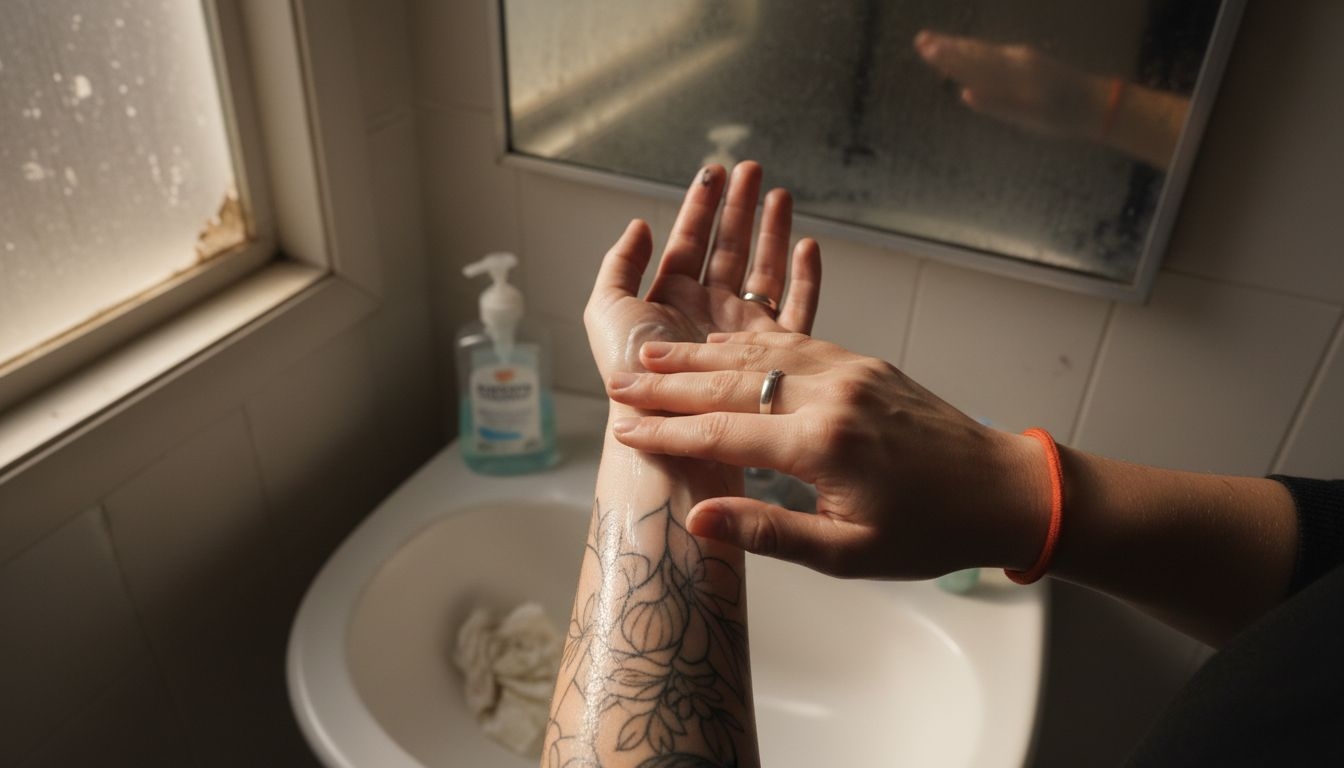
Repeat this cleansing and ointment process 2 to 3 times daily throughout the first week. Consistency matters more than intensity. Think of it as maintenance rather than treatment.
Here’s what makes this step effective:
- Gentle hands-only cleansing removes dead skin and ink particles without damage
- Frequent moisturizing reduces itching and prevents cracks in the skin
- Thin application allows the tattoo to breathe while staying hydrated
- Multiple daily sessions maintain optimal moisture balance throughout healing
Thin, frequent applications of ointment work better than heavy, infrequent ones for maintaining your tattoo’s vibrancy.
As your tattoo enters its second week, the ointment application becomes less frequent. You’ll transition to a light moisturizing lotion as the skin becomes less raw. But during these critical early days, stay committed to the routine.
Pro tip: Set phone reminders for your cleansing schedule during the first week—it’s easy to lose track, and consistent timing prevents excessive drying between applications.
Step 3: Monitor Healing and Avoid Irritation
Your tattoo goes through distinct healing stages, and knowing what to expect helps you distinguish normal progress from warning signs. The first week brings redness, peeling, and scabbing—all completely normal. Your job is to observe carefully and protect the area from aggravation.
Expect natural redness and swelling during the first few days. This is your body’s inflammatory response to the ink and needles. Over the next 1 to 7 days, you’ll notice the tattoo forming a protective scab as part of normal healing. This scab is essential—don’t disturb it.
Watch for signs of infection that require medical attention. These include excessive redness that spreads beyond the original tattoo outline, persistent swelling, tenderness, pus, or a foul odor. If you notice any of these symptoms, contact a healthcare provider immediately.
One of the hardest parts is resisting the urge to scratch or pick at your healing tattoo. The itching can be intense, especially around day three or four. But every time you pick at a scab, you risk infection, scarring, and losing ink from your design. Keep your hands away unless you’re cleaning or moisturizing.
Here are the main irritants to avoid during healing:
- Excessive sun exposure that fades colors and damages delicate skin
- Swimming, pools, and soaking in water that introduces bacteria
- Tight clothing that rubs and creates friction on the tattoo
- Activities causing sweating or intense friction against the design
- Hot tubs and saunas that expose the tattoo to heat and bacteria
Your tattoo’s first week is critical—what you do now determines whether it heals with vibrant colors or faded, scarred results.
Protect exposed areas with loose, breathable clothing. If your tattoo is on your arm or leg, wear long sleeves or pants when outdoors. Avoid direct sunlight for at least the first two weeks. When you must go outside, apply a high-SPF sunscreen once the skin has fully healed.
Pro tip: Keep a small notebook handy to track any unusual symptoms or changes in your tattoo over the first week—detailed notes help your artist or doctor identify problems early if something doesn’t seem right.
Step 4: Verify Full Recovery and Long-Term Care
Your tattoo reaches complete healing within 2 to 4 weeks, but the work doesn’t stop there. Protecting your investment requires ongoing commitment to keep those colors vibrant and the design crisp for years to come.
Check for complete healing by examining your tattoo closely. The skin should feel smooth and normal to the touch. Look for signs that all scabs have naturally fallen away without any redness, swelling, or tenderness remaining. If you’re still seeing scabs or persistent redness after four weeks, contact your tattoo artist or healthcare provider.
Below is a summary of tattoo healing milestones and what to expect:
| Stage | Typical Timeframe | What to Expect | Recommended Focus |
|---|---|---|---|
| Initial Healing | Day 1 to 3 | Redness, slight swelling | Clean, protect, moisturize |
| Peeling & Itching | Day 3 to 7 | Peeling, itching, scabbing | Avoid scratching, moisturize |
| Surface Healed | Week 2 to 4 | Clearer skin, no scabs | Light sun exposure, lotion |
| Long-Term Care | After 4 weeks onward | Fully healed skin | Sun protection, hydration |
Once you’ve verified full recovery, you can resume normal activities like swimming. Just because the surface is healed doesn’t mean your tattoo can withstand neglect. The real protection begins now.
Long-term care starts with consistent sun protection. UV rays fade tattoo colors faster than almost anything else. Apply SPF 30 or higher sunscreen whenever your tattoo will be exposed to sunlight, even on cloudy days. Avoid tanning beds entirely—they accelerate fading dramatically.
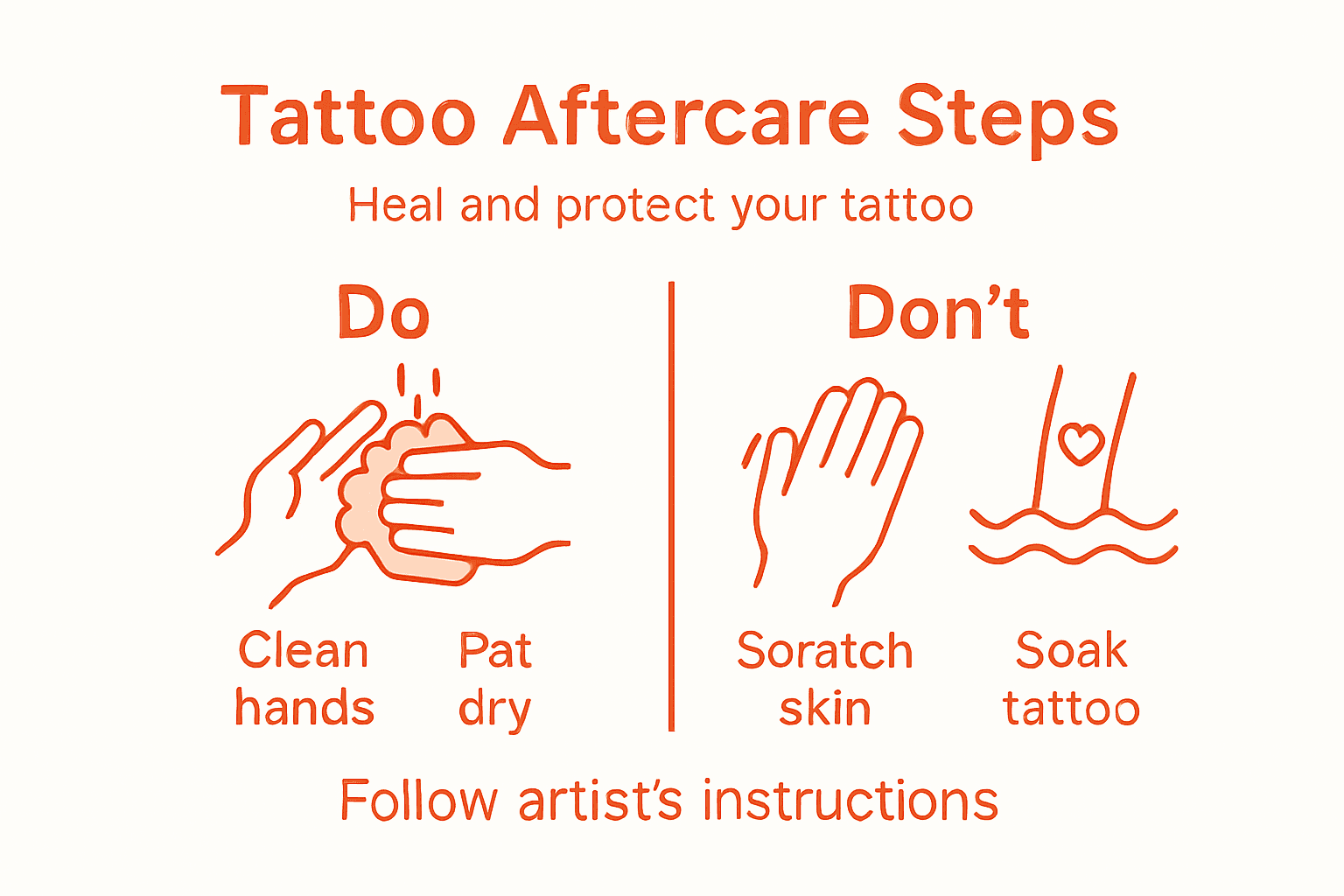
Keep your skin hydrated through regular moisturizing. Dry skin makes tattoos look dull and faded. A simple fragrance-free lotion applied daily keeps the skin plump and the colors looking fresh.
Here’s your long-term care checklist:
- Apply sunscreen SPF 30 or higher before sun exposure
- Avoid tanning beds and prolonged direct sunlight
- Moisturize daily with fragrance-free lotion
- Stay hydrated by drinking plenty of water
- Avoid harsh chemicals and abrasive scrubs on the tattoo area
- Wear protective clothing when spending extended time outdoors
Your tattoo’s longevity depends on what you do after healing ends, not just during the first four weeks.
Think of long-term tattoo care like skincare itself. You wouldn’t neglect your face after healing from a procedure, so don’t neglect your tattoo. Routine moisturizing and sun protection are the foundations of keeping your design vibrant for decades.
Pro tip: Schedule a touch-up appointment with your artist after 5 to 10 years, even if your tattoo looks good—preventative maintenance catches minor fading before it becomes obvious and keeps your design looking like the day you got it.
Enhance Your Tattoo Experience From Start to Finish
Getting a vibrant, fully healed tattoo starts well before the first needle touches your skin. This article highlights how crucial proper aftercare is to prevent infection and keep colors bright. However, the journey begins with managing pain and comfort during the tattooing process itself. Avoid unnecessary stress and discomfort by preparing your skin with proven numbing solutions that guarantee up to three hours of pain-free tattooing.

Discover how our specially formulated numbing creams like TKTX and Dermacain can make your tattoo session smoother and less intimidating. These products are trusted across Europe for their effectiveness and customer satisfaction guarantees. Don’t let pain interrupt your tattoo’s healing pathway or slow down your aftercare routine. Shop our Featured Products – TKTX obchod and get ready to protect your skin before, during, and after your tattoo session. Visit https://buytktx.online today to explore safe, reliable options with free shipping on orders over 30 Euro.
Frequently Asked Questions
How soon should I remove the bandage after getting a tattoo?
You should remove the initial bandage within 3 to 24 hours after your tattoo session. Gently peel it away to avoid trapping moisture and bacteria, setting the stage for better healing.
What is the best way to cleanse my fresh tattoo?
Wash the tattoo using mild, fragrance-free soap and lukewarm water with clean hands. Perform this gentle cleansing for about 30 seconds, and then pat the area dry with a clean paper towel to avoid irritating the skin.
How often should I apply ointment during the healing process?
Apply a thin layer of medicated ointment 2 to 3 times daily during the first week after getting your tattoo. This frequent moisturizing helps prevent infection and keeps your skin hydrated without clogging pores.
What signs should I watch for to ensure my tattoo is healing correctly?
Look out for excessive redness, swelling, tenderness, pus, or foul odor, as these may indicate infection. If you notice any of these symptoms, contact a healthcare provider immediately to address potential issues.
How can I prevent my tattoo from fading long-term?
To protect your tattoo from fading over the long term, apply a sunscreen with SPF 30 or higher on the tattooed area whenever it is exposed to sunlight. Consistently moisturizing the skin also helps maintain the vibrancy of your tattoo’s colors.


