

Tattoo pain can turn a standard session into a challenge for both artist and client. In Central Europe, where professional reputation is built on consistent quality and safety, effective pain management goes far beyond simple comfort. By using proven numbing solutions like TKTX and Dermacain and following industry safety standards, tattoo artists can ensure a smoother experience, build trust, and set their studios apart in a competitive market.
Table of Contents
- Industry Standards For Tattoo Pain Management
- Types Of Tattoo Pain Relief Methods
- How Numbing Creams Like TKTX And Dermacain Work
- Legal Requirements And Safety In Central Europe
- Best Practices For Tattoo Artists And Client Satisfaction
Key Takeaways
| Point | Details |
|---|---|
| Regulatory Compliance is Essential | Understanding and adhering to EU medical device regulations directly impacts how pain management is approached in tattoo studios. |
| Holistic Pain Management Strategies | Combining pharmacological solutions like numbing creams with psychological techniques enhances client comfort and reduces perceived pain. |
| Documentation and Communication Are Key | Maintaining records of pain management methods and clearly communicating these to clients builds trust and accountability. |
| Continual Education Improves Outcomes | Staying updated on industry standards and best practices through ongoing education ensures high-quality client experiences and satisfaction. |
Industry Standards For Tattoo Pain Management
Tattoo pain management isn’t just about comfort. It’s about operating within the regulatory frameworks that protect your clients and your business. In Central Europe, tattooing exists at the intersection of cosmetic procedures and medical device regulations, and understanding these standards directly impacts how you approach pain management in your studio.
The regulatory landscape for tattoo safety has evolved significantly. Medical devices used in tattooing must meet stringent European Union conformity standards, which means needles, sterilization equipment, and other instruments used during sessions fall under medical device oversight. This regulatory framework indirectly strengthens pain management protocols by ensuring the equipment and hygiene standards that prevent complications and reduce procedural trauma.
Beyond equipment, your studio’s pain management approach should align with industry best practices established across European tattoo associations. These standards emphasize three core principles: client education before the session, appropriate numbing solutions applied correctly, and clear communication throughout the procedure. When you use topical numbing creams like TKTX or Dermacain, you’re operating within a recognized pain management protocol that many professional studios across Central Europe have standardized.
What separates professional studios from amateur operations is consistency. Established industry standards require documenting your pain management approach, communicating expected sensations to clients beforehand, and maintaining records of which numbing methods you’ve used for each client. This creates accountability and allows you to refine your approach based on actual client feedback.
The key insight here is that regulatory compliance and client comfort work together. When you follow safety standards in tattoo preparation by minimizing infection risks through proper hygiene and sterilization, you reduce complications that could amplify pain during healing. This holistic approach to safety automatically improves the overall pain experience.
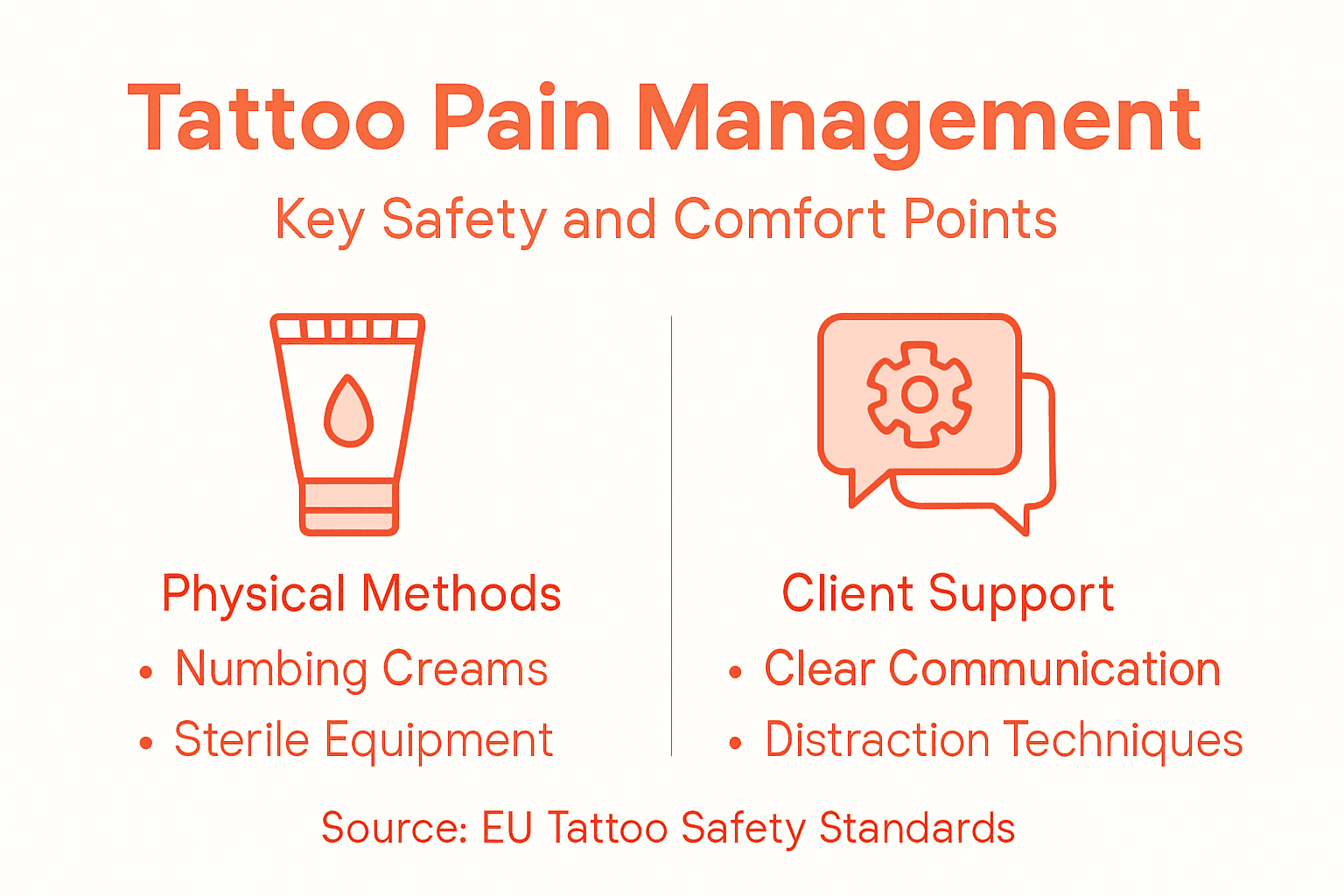
Your competitive advantage in Central Europe comes from treating pain management as a professional standard, not an afterthought. Clients increasingly expect studios to offer numbing solutions and explain their safety protocols upfront. By adopting documented pain management standards, you demonstrate professionalism and build client trust.
Pro tip: Create a written pain management protocol for your studio that documents which numbing creams you use, application timing, and expected numbing duration—this positions you as a professional operation and gives clients confidence in your process.
Types Of Tattoo Pain Relief Methods
Tattoo pain management isn’t one-size-fits-all. Your clients respond differently to discomfort, and professional studios in Central Europe have learned to offer multiple relief strategies. The most effective approach combines pharmacological solutions like numbing creams with complementary techniques that work synergistically.
Topical Numbing Creams
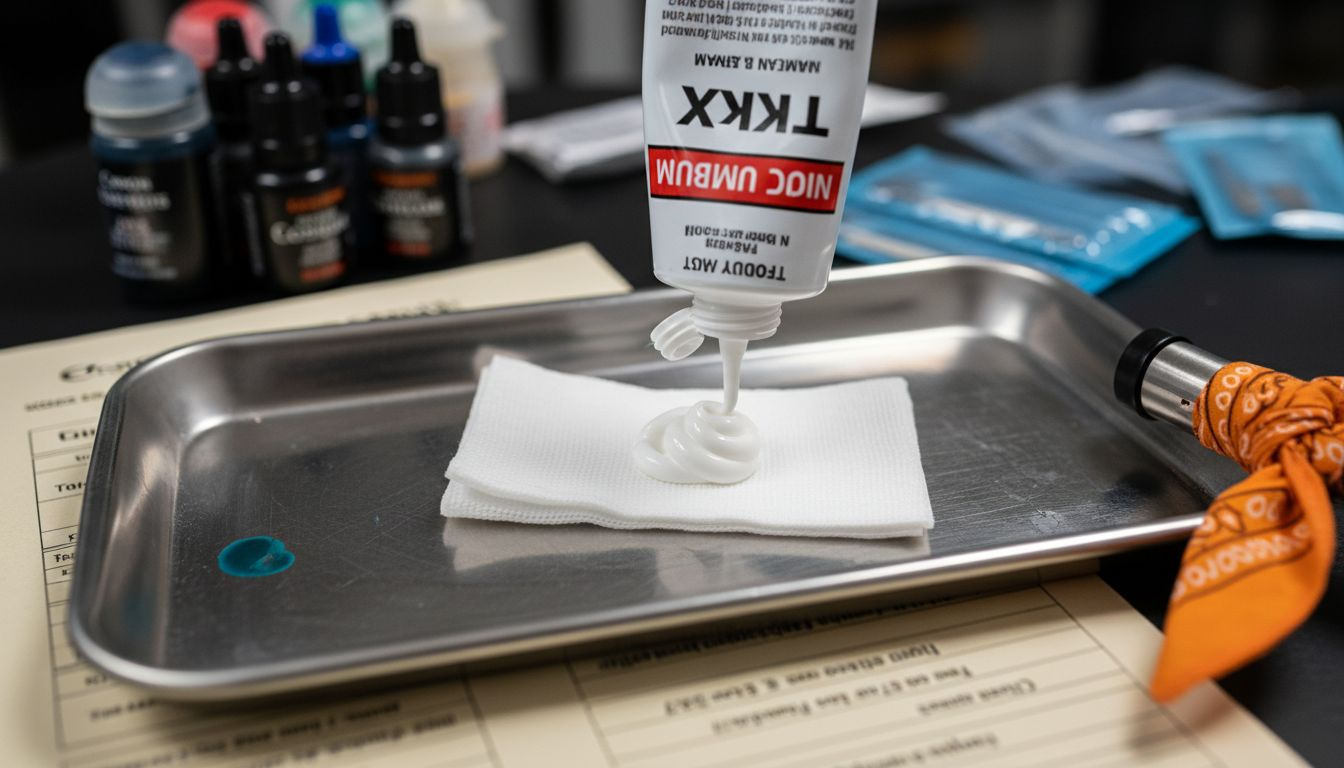
Topical numbing creams remain the gold standard in European tattoo studios. TKTX and Dermacain deliver effective numbing for approximately three hours, allowing you to work through most sessions without interruption. These creams work by blocking nerve signals at the application site, reducing pain sensation significantly. When applied correctly 30 to 45 minutes before the session begins, they create a window where clients experience minimal discomfort during the actual tattooing.
Non-Pharmacological Pain Management Techniques
Psychological approaches and distraction methods have demonstrated measurable reductions in perceived pain during tattoo procedures. Virtual reality systems can redirect client attention away from the needle sensation, significantly lowering pain perception. Beyond high-tech options, simple techniques work too: conversation, music, controlled breathing exercises, and visual focus on something other than the tattoo area all contribute to pain management.
Your role as the artist matters here. Experienced studios report that clients who receive clear communication about what to expect and feel more in control experience less pain overall. This psychological component shouldn’t be underestimated.
Complementary Therapy Integration
Non-invasive pain management modalities extend beyond the tattoo itself. Some studios in Central Europe incorporate breathing techniques, mindfulness approaches, and positioning strategies that reduce overall body tension. When clients arrive relaxed rather than anxious, their pain threshold naturally increases.
Combining numbing creams with these non-pharmacological methods creates a comprehensive pain management strategy. Your most satisfied clients typically experience the blend of topical numbing reducing actual sensation while psychological techniques reduce perceived pain and anxiety throughout the session.
Here’s a side-by-side summary of tattoo pain relief methods and their key characteristics:
| Method Type | Example Approach | Duration of Effect | Primary Benefit |
|---|---|---|---|
| Topical Numbing Creams | TKTX, Dermacain | Up to 3 hours | Significant physical pain block |
| Psychological Techniques | Guided breathing, music | During session | Reduces anxiety, lowers perception |
| Complementary Therapies | Mindfulness, posture | Session + aftercare | Higher pain threshold, relaxation |
| Sterilization & Hygiene | Proven cleaning methods | Throughout process | Prevents infection, lessens pain |
Pro tip: Pair your TKTX or Dermacain application with a simple distraction protocol like client-selected music or a guided breathing exercise before you start working, which amplifies the effectiveness of both methods.
How Numbing Creams Like TKTX And Dermacain Work
Understanding how numbing creams actually function helps you use them more effectively in your studio. TKTX and Dermacain operate through the same fundamental mechanism: blocking the nerve signals that carry pain information to your client’s brain. When applied correctly, these creams create a window of pain-free tattooing that lasts approximately three hours.
The Chemical Mechanism
Both TKTX and Dermacain contain active anesthetic ingredients like procaine and lidocaine. Anesthetic compounds block sodium channels in nerve cells, preventing pain signals from traveling through the skin. Think of it like cutting a telephone line: the pain message never reaches the brain because the neural pathway is interrupted at the application site.
These ingredients work specifically in the layers of skin where your needle will penetrate. They don’t affect your client’s overall nervous system or consciousness, making them ideal for tattoo work where you need clear communication and client awareness throughout the session.
Application And Timing
TKTX numbing cream uses procaine to achieve localized numbness by blocking pain transmission in the skin. The cream must be applied under occlusion, meaning you cover it with plastic wrap or an occlusive barrier. This barrier keeps the anesthetic in contact with the skin, allowing the active ingredients to penetrate deeper. After 30 to 45 minutes, the numbing effect reaches full strength.
The timing matters. Apply too early and the effect might diminish before you finish. Apply too late and you’ll lose valuable working time at the beginning of the session when clients are most anxious.
Duration And Effectiveness
The numbing effect typically lasts three hours, which covers most single-session tattoos. For longer sessions or touch-ups, you can reapply the cream to different areas. The effectiveness remains consistent throughout the duration, so your client experiences uniform pain reduction from start to finish.
What makes these creams valuable in Central European studios is their reliability. Unlike oral pain medications that affect the entire body and mind, topical numbing keeps clients alert and able to provide feedback while remaining comfortable throughout the procedure.
Compare these two leading topical anesthetics commonly used in Central Europe:
| Feature | TKTX | Dermacain |
|---|---|---|
| Main Ingredient | Procaine, Lidocaine | Lidocaine, Prilocaine |
| Time to Full Effect | 45 minutes | 30–45 minutes |
| Typical Numbness | 3 hours | 2–3 hours |
| Ideal Use Case | Large or sensitive areas | Quick procedures, small tats |
Pro tip: Apply your TKTX or Dermacain cream 45 minutes before your scheduled start time and cover with plastic wrap, then remove and cleanse the area thoroughly just before tattooing to maximize numbness when your needle makes contact.
Legal Requirements And Safety In Central Europe
Operating a tattoo studio in Central Europe means navigating a complex regulatory landscape that directly impacts how you manage client pain and safety. The European Union has established strict standards for tattooing, and compliance isn’t optional. Your pain management approach must align with these legal frameworks to protect both your clients and your business.
Medical Device Regulations
Tattoo equipment falls under European Union medical device classifications. EU medical device conformity assessments require that needles, sterilization equipment, and related instruments meet specific safety standards before use. This regulatory oversight ensures that the tools you use during tattooing are certified and safe, which directly reduces the risk of complications that could amplify client pain during healing.
When you purchase equipment and numbing creams for your studio, verify that they comply with EU standards. Reputable suppliers of TKTX and Dermacain understand these requirements and provide products that meet European regulations, giving you confidence in their safety profile.
Infection Prevention And Hygiene Standards
Tattoo safety regulations emphasize infection prevention throughout the European Union. Since tattooing creates a break in the skin barrier, proper sterilization, equipment protocols, and hygiene practices are legally mandated. These aren’t suggestions or best practices; they’re legal requirements enforced by health authorities across Central Europe.
Infections during healing directly increase pain and discomfort for your clients. Compliance with sterilization standards protects clients from complications while demonstrating your professionalism and commitment to their wellbeing.
Documentation And Liability
Central European studios must maintain detailed records of procedures, including which pain management methods you used for each client. This documentation protects you legally and helps you track which approaches work best for different clients. Keep records of numbing cream applications, client feedback, and any complications.
Your pain management protocol should be written and communicated to clients before they sit in your chair. This transparent approach demonstrates compliance with informed consent requirements across the region.
Staying Current With Regulations
Regulations evolve. Connect with professional tattoo associations in your country and subscribe to updates from your national health authority. What’s legal today may require adjustments next year. Professional studios maintain compliance as an ongoing responsibility, not a one-time checklist.
Pro tip: Create a compliance checklist documenting your sterilization procedures, pain management protocol, client consent forms, and product certifications, then review it quarterly to ensure you remain aligned with current Central European regulations.
Best Practices For Tattoo Artists And Client Satisfaction
Client satisfaction hinges on how well you manage the entire tattoo experience, not just the pain. Professional studios in Central Europe have discovered that combining numbing solutions with strategic communication and preparation creates predictable, positive outcomes. Your approach to pain management directly shapes whether clients return for touch-ups and recommend you to friends.
Pre-Session Communication
Start managing pain expectations before your client ever sits in your chair. Discuss what they’ll experience, how long discomfort typically lasts, and which pain management options you offer. When clients understand that TKTX or Dermacain will numb the area for three hours, they arrive prepared mentally and physically.
Clear communication also builds trust. Clients who know what to anticipate feel more in control, which paradoxically reduces their perceived pain during the session. This psychological component matters as much as the pharmacological one.
Hygiene And Sterilization Standards
Professional tattoo practices emphasize proper hygiene, sterile equipment, and safe inks as foundational to client satisfaction. Infections don’t just create complications; they amplify healing pain and damage your reputation. When you maintain impeccable sterilization protocols, you reduce infection risk and demonstrate professionalism that clients recognize and appreciate.
Document your sterilization procedures. This transparency reassures nervous clients and shows you take their safety seriously.
Numbing Cream Application Protocol
Treat numbing cream application as a critical skill, not an afterthought. Apply TKTX or Dermacain 45 minutes before your scheduled start time, cover with plastic wrap, and remove it just before tattooing. Consistent application timing ensures maximum effectiveness when your needle makes contact.
Train yourself on application techniques. Proper coverage across the entire tattoo area prevents pain breakthrough during your session, which frustrates clients and disrupts your workflow.
Professional Standards And Ongoing Education
Professional tattoo associations establish best practices that improve client satisfaction through scientific research and standard protocols. Central European artists who pursue continued education in pain management, hygiene, and technique stand out from competitors. Your commitment to professional development directly translates to better client experiences.
Attend workshops, connect with other studios, and stay current with evolving techniques. Satisfied clients notice when you operate as a true professional.
Aftercare Guidance
Pain management extends beyond the session itself. Provide detailed aftercare instructions that minimize complications during healing. When clients know how to care for their fresh tattoo, they experience less pain during recovery and better results overall.
Pro tip: Document your complete pain management protocol including numbing cream application timing, sterilization procedures, and client communication points, then review it with each new client before they’re tattooed to ensure consistency and build confidence.
Enhance Your Tattoo Studio’s Pain Management with Trusted Solutions
Managing tattoo pain effectively is a key challenge for studios committed to safety and client comfort. This article highlights the importance of adhering to professional pain management standards like applying TKTX or Dermacain numbing creams correctly and educating clients on what to expect. If you want to elevate your studio’s pain relief protocols with guaranteed products that align with these industry standards, look no further.

Explore our Featured Products – TKTX obchod to find the trusted numbing creams that deliver up to three hours of effective pain relief. We ship across Europe with free delivery on orders over 30 Euro and offer a satisfaction guarantee – your clients’ comfort and your professionalism deserve the best. Visit Buy TKTX Online today to ensure every tattoo session is safer and more comfortable from start to finish.
Frequently Asked Questions
What are the best methods for managing tattoo pain during a session?
The most effective methods for tattoo pain management include topical numbing creams like TKTX and Dermacain, as well as psychological techniques such as distraction through conversation, music, or breathing exercises. Combining these approaches can significantly enhance client comfort during the procedure.
How do numbing creams like TKTX and Dermacain work to reduce tattoo pain?
Numbing creams work by blocking nerve signals that transmit pain to the brain. They contain anesthetic ingredients such as procaine and lidocaine, which inhibit pain signals in the skin layers targeted during tattooing, providing localized numbness.
How long does the numbing effect from these creams last?
The numbing effect from TKTX typically lasts up to 3 hours, while Dermacain provides similar numbness for about 2 to 3 hours. This duration is usually sufficient for most tattoo sessions.
What legal requirements should tattoo artists follow regarding pain management and client safety?
Tattoo artists must adhere to medical device regulations, maintain proper hygiene and sterilization standards, and document pain management methods for each client. Compliance with these requirements is essential to ensure client safety and minimize the risk of complications.


