

Most American tattoo enthusiasts report that over 65 percent of clients experience noticeable pain during tattoo sessions. For artists and their clients across Central Europe, finding ways to improve comfort is more important than ever. Tattoo numbing creams like TKTX and Dermacain are changing the game by offering targeted relief that makes detailed work and long sessions easier to endure. This guide uncovers the latest advances and market trends that can help both professionals and enthusiasts achieve safer, more enjoyable tattooing experiences.
Table of Contents
- What Are Tattoo Numbing Creams?
- Types of Numbing Creams for Tattoos
- How Tattoo Artists Use Numbing Creams
- Legal and Safety Guidance in Central Europe
- Risks and Common Issues Artists Face
- Effectiveness Compared to Other Pain Remedies
Key Takeaways
| Point | Details |
|---|---|
| Tattoo Numbing Creams Minimize Pain | These topical anesthetics desensitize nerve endings, allowing for a more comfortable tattooing experience. |
| Multiple Formulations Available | Options include creams, gels, sprays, and patches, catering to different needs and pain tolerance levels. |
| Proper Application is Crucial | Artists should follow best practices for applying numbing creams to ensure effectiveness and skin integrity. |
| Regulations Ensure Safety | In Central Europe, strict guidelines control the use of numbing creams, prioritizing consumer safety and product efficacy. |
What Are Tattoo Numbing Creams?
Tattoo numbing creams are specialized topical anesthetics designed to minimize pain during tattoo procedures. These innovative skincare products provide temporary relief by desensitizing nerve endings in the targeted skin area, allowing clients to experience more comfortable tattooing sessions. Global market research indicates substantial growth in this market, reflecting increasing acceptance and demand among tattoo enthusiasts.
The primary function of these creams is to block pain signals from reaching the brain by interrupting nerve transmission. Most numbing creams contain active ingredients like lidocaine, benzocaine, or tetracaine, which work by temporarily blocking sodium channels in nerve cells. This mechanism prevents pain receptors from sending discomfort signals, creating a localized anesthetic effect that makes tattoo sessions more bearable. Market research suggests their popularity has surged with growing tattoo culture and client preferences for pain management.
Tattoo numbing creams come in various formulations, including cream, gel, and spray applications. They typically work within 20-30 minutes of application and can provide pain relief for 2-4 hours. Professional tattoo artists often recommend specific application techniques to maximize effectiveness, such as thoroughly cleaning the skin, applying a thick, even layer, and allowing adequate absorption time before the tattoo procedure begins.
Pro tip: Always perform a patch test with numbing cream 24 hours before your tattoo to check for potential allergic reactions and ensure skin compatibility.
Types of Numbing Creams for Tattoos
Comprehensive market research reveals that tattoo numbing creams come in multiple formulations designed to meet diverse client needs. The primary types include topical creams, sprays, gel-based solutions, and patches, each offering unique characteristics for pain management during tattoo procedures. These different formulations provide tattoo artists and clients with flexible options for minimizing discomfort and enhancing the overall tattooing experience.
Topical creams represent the most traditional and widely used numbing product. They typically contain active ingredients like lidocaine, benzocaine, and tetracaine that provide localized pain relief. Market analysis indicates these creams offer varying absorption rates and duration of effectiveness. Gel-based solutions have gained popularity for their faster absorption and longer-lasting numbing effects, making them particularly attractive for larger or more complex tattoo designs that require extended pain management.
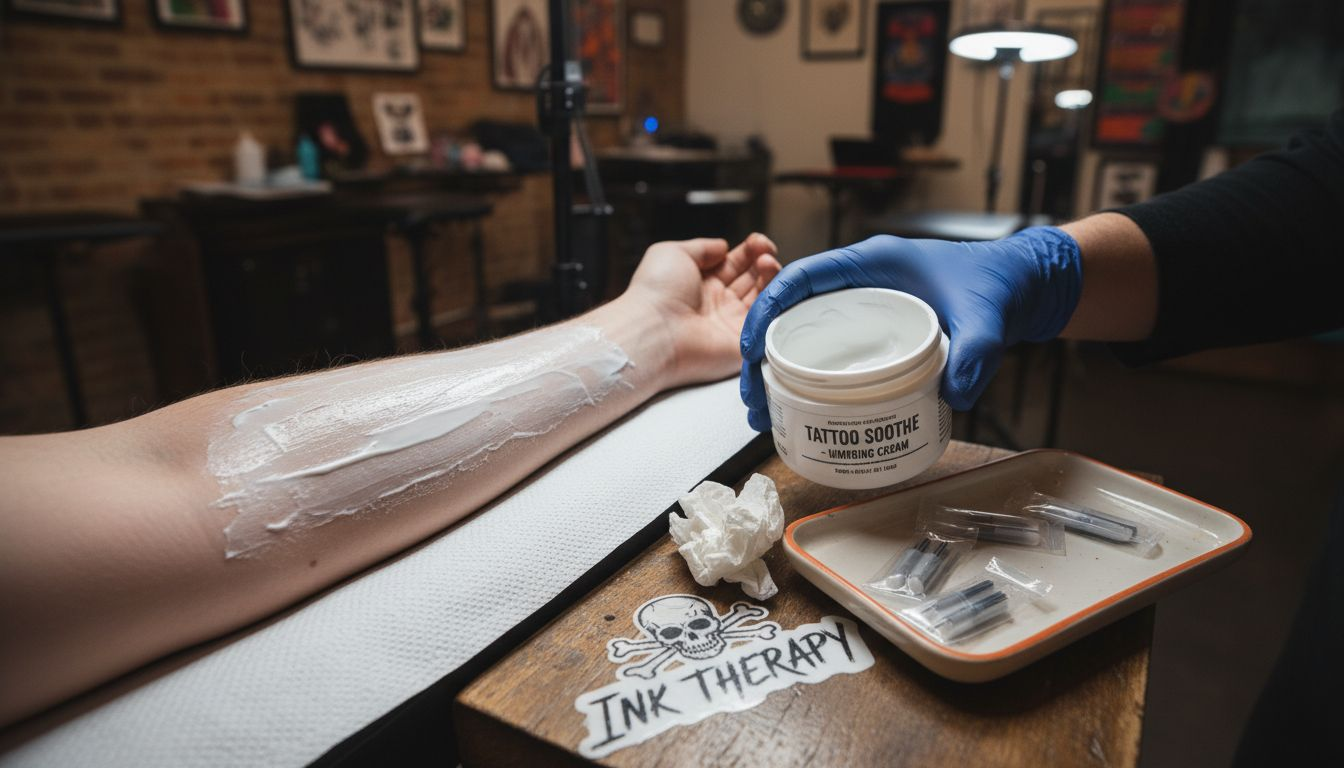
Spray and patch applications offer alternative approaches to numbing. Numbing sprays provide quick, even coverage and are especially useful for hard-to-reach areas or when precise application is challenging. Patches, while less common, offer controlled and sustained release of numbing agents, which can be beneficial for clients with sensitive skin or those requiring extended pain relief. Each type presents specific advantages depending on the tattoo’s size, location, and the individual client’s pain tolerance.
Pro tip: Consult with your tattoo artist about the most suitable numbing cream type for your specific tattoo design and personal pain threshold.
Here is a comparison of the main types of tattoo numbing products and how they differ:
| Product Type | Key Benefit | Typical Duration | Best For |
|---|---|---|---|
| Cream | Consistent absorption | 2-4 hours | Most body areas |
| Gel | Fast acting, strong effect | Up to 4 hours | Large tattoos |
| Spray | Easy application | 1-3 hours | Difficult-to-reach areas |
| Patch | Gradual release | 2-4 hours | Sensitive skin regions |
How Tattoo Artists Use Numbing Creams
Professional tattoo artists employ precise techniques when applying numbing creams to ensure optimal client comfort and tattoo quality. The application process involves strategic preparation and timing to maximize the anesthetic effect while maintaining skin integrity for ink placement. These methods have evolved to balance pain management with the technical requirements of creating high-quality tattoo artwork.
The typical application process begins with thorough skin preparation. Artists carefully clean the designated tattoo area to remove oils, dirt, and potential contaminants that might interfere with cream absorption. Standard industry practices recommend applying the numbing cream 30 to 45 minutes before the tattoo session, allowing sufficient time for the active ingredients to penetrate the skin and block pain receptors. Some artists use plastic wrap to enhance cream absorption and prevent premature drying, creating a more effective barrier against discomfort.
Professional tattoo artists must balance the use of numbing creams with their artistic technique. While these products significantly reduce client pain, they require careful application to ensure ink adherence and skin quality. Different body areas may require varied approaches, with sensitive regions like ribs or inner arms potentially benefiting more from numbing solutions. Experienced artists understand that numbing creams are a tool to enhance client experience, not a substitute for skilled tattooing technique.
Pro tip: Always communicate openly with your tattoo artist about pain tolerance and preferred numbing cream application to customize your tattoo experience.
Legal and Safety Guidance in Central Europe
Regulatory frameworks in Central Europe establish comprehensive guidelines for tattoo numbing cream usage, prioritizing consumer safety and product efficacy. The European Medicines Agency (EMA) oversees strict regulations governing the manufacture, distribution, and application of numbing products. These guidelines aim to protect consumers from potential adverse reactions while ensuring high-quality standards across tattoo and medical aesthetic industries.
The regulatory environment mandates specific requirements for numbing cream manufacturers and tattoo studios. Active ingredient concentrations, particularly for anesthetics like lidocaine, are tightly controlled. Detailed market research indicates that products must include comprehensive safety data sheets, undergo rigorous testing, and meet precise labeling standards. Unauthorized sales or non-compliant products can result in significant legal penalties, compelling manufacturers to maintain exceptional quality control and transparency.
Tattoo artists and medical professionals in Central Europe must obtain specialized certifications to legally use numbing creams. Training programs emphasize understanding potential interactions between numbing agents and tattoo ink, recognizing allergic reaction signs, and implementing proper application techniques. The legal framework extends beyond product specifications to include professional conduct, ensuring that practitioners prioritize client safety through informed consent, thorough medical history assessment, and appropriate product selection.
Pro tip: Always request and review the official safety documentation and certification of any numbing cream before use to ensure full compliance with European regulations.
Risks and Common Issues Artists Face
Scientific studies reveal complex challenges surrounding numbing cream application in tattoo procedures. Tattoo artists encounter multifaceted risks related to skin reactions, ingredient interactions, and potential adverse client responses. Understanding these potential complications is crucial for maintaining professional standards and ensuring client safety during tattoo sessions.
Market research indicates several critical risk areas that artists must navigate carefully. Allergic reactions represent a primary concern, with some clients experiencing unexpected skin sensitization or contact dermatitis from numbing cream ingredients. Potential complications include unexpected immune responses, skin irritation, and potential interference with tattoo ink absorption. Artists must develop sophisticated screening processes to identify client sensitivities before applying any numbing products.
Professional tattoo artists face significant challenges in managing product interactions and maintaining skin integrity. Improper numbing cream application can compromise tattoo healing, potentially creating microbial contamination risks or reducing pigment absorption. The lack of standardized training protocols compounds these issues, creating variability in application techniques and potential client outcomes. Experienced artists must balance client comfort with technical precision, carefully assessing individual skin responses and potential contraindications.
Pro tip: Conduct thorough client consultations and patch testing at least 24 hours before tattoo sessions to identify potential allergic reactions and ensure safe numbing cream application.
The following table summarizes common risks tattoo artists face when using numbing creams:
| Risk Factor | Artist Challenge | Prevention Method |
|---|---|---|
| Allergic reactions | Skin irritation, client discomfort | Patch test before tattoo |
| Ingredient interactions | Reduced ink absorption | Consult manufacturers, check labels |
| Improper application | Delayed healing, infection risk | Follow industry protocols |
| Lack of training | Inconsistent results | Professional certification required |
Effectiveness Compared to Other Pain Remedies
Comprehensive market research demonstrates the unique advantages of tattoo numbing creams over alternative pain management techniques. Unlike traditional methods such as cold sprays, oral painkillers, or physical cooling techniques, topical anesthetics provide targeted, sustained pain relief directly at the skin level. This localized approach offers a more precise and controlled pain management strategy for tattoo clients seeking comfortable experiences.
Industry standards indicate that numbing creams outperform many conventional pain remedies in several critical aspects. Systemic painkillers often produce body-wide side effects and potentially interact with other medications, whereas topical creams create a concentrated numbing effect with minimal systemic impact. Cold sprays and ice packs provide only momentary surface-level relief, typically lasting mere minutes, compared to numbing creams that can effectively block pain signals for 2-4 hours during extensive tattoo sessions.
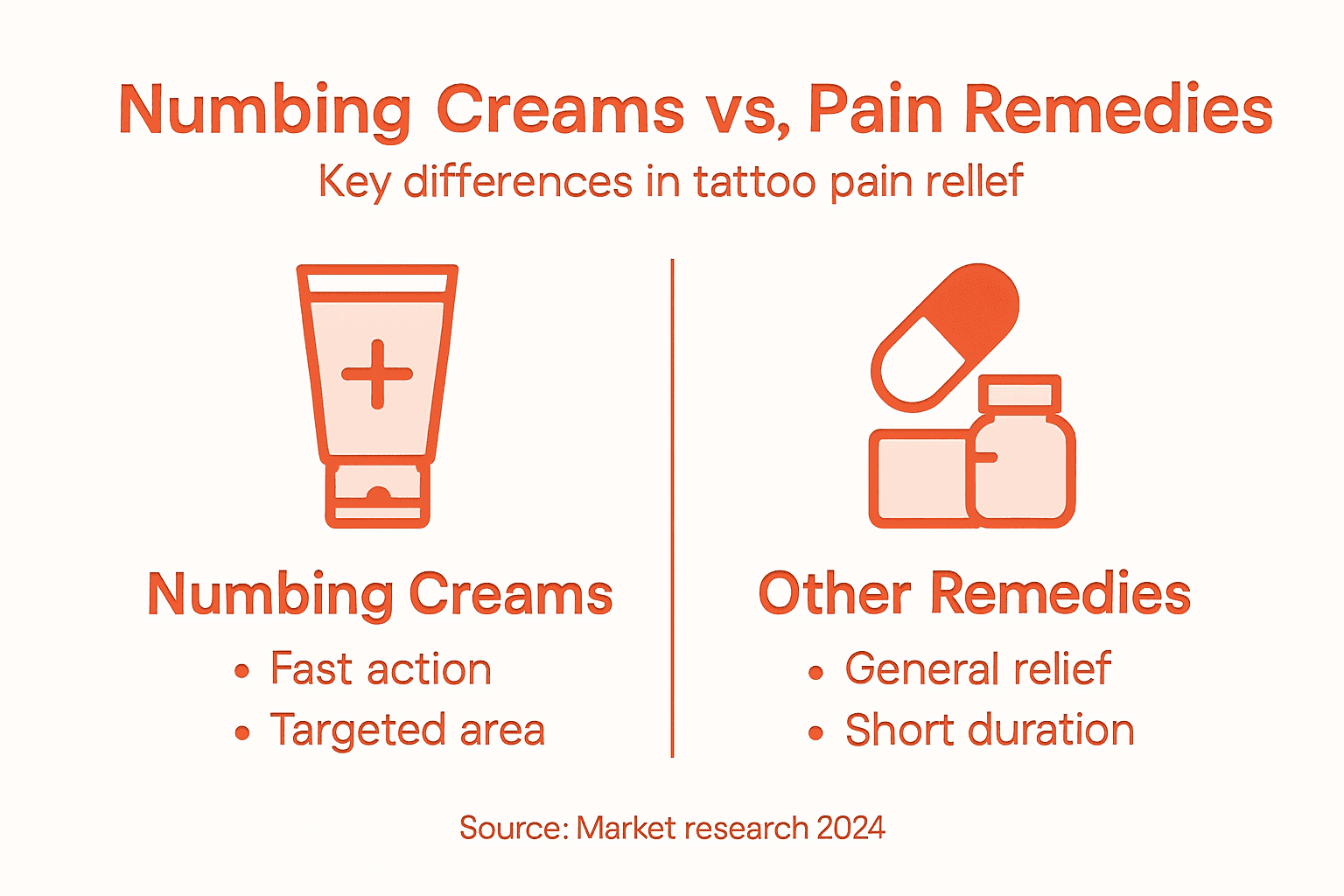
The comparative effectiveness of numbing creams extends beyond duration and localization. These specialized products offer nuanced pain management by blocking specific nerve receptors, creating a more sophisticated approach to discomfort reduction. While oral medications work through broader biochemical pathways, topical anesthetics interrupt pain signals precisely where they originate. This targeted mechanism allows clients to maintain greater awareness and responsiveness during tattoo procedures, making numbing creams a preferred choice for many tattoo enthusiasts seeking controlled pain relief.
Pro tip: Consult with your tattoo artist about combining numbing cream application with individualized pain management strategies for optimal comfort during your tattoo session.
Experience Pain-Free Tattoo Sessions with Trusted Numbing Creams
Getting the perfect tattoo should not mean enduring unnecessary pain or discomfort. The article highlights how tattoo numbing creams with active ingredients like Lidocaine offer effective, localized pain relief that lasts up to four hours. If you want to avoid common challenges such as allergic reactions or improper application, choosing a high-quality, regulated numbing cream is essential for your comfort and safety.

Discover how TKTX and Dermacain, available now at Buy TKTX Online, can transform your tattoo experience by guaranteeing up to 3 hours of reliable numbness. We ship all across Europe with free delivery on orders over 30 Euro and offer a satisfaction guarantee with hassle-free returns. Take control of your tattoo pain today by visiting our website to select the best numbing cream designed for your skin type and tattoo needs.
Frequently Asked Questions
What are tattoo numbing creams and how do they work?
Tattoo numbing creams are topical anesthetics designed to minimize pain during tattoo procedures. They work by desensitizing nerve endings in the skin, blocking pain signals from reaching the brain and providing temporary relief for clients.
What types of tattoo numbing creams are available?
Tattoo numbing creams come in various formulations, including creams, gels, sprays, and patches. Each type offers unique benefits: creams provide consistent absorption, gels act quickly and last longer, sprays offer easy application, and patches provide controlled release of numbing agents.
How do tattoo artists apply numbing creams effectively?
Tattoo artists apply numbing cream by first cleaning the skin thoroughly, then applying a thick, even layer of cream about 30 to 45 minutes before the tattoo session. Some artists use plastic wrap to enhance absorption and ensure the cream remains effective.
What are the risks associated with using tattoo numbing creams?
The risks include potential allergic reactions, skin irritation, and interaction with tattoo ink. Artists must carefully assess clients for sensitivities and follow proper application techniques to maintain skin integrity and ensure optimal results.