

Finding reliable ways to keep clients comfortable during long tattoo sessions is a challenge every artist faces. With pain reduction at the center of client satisfaction, understanding how numbing creams like TKTX and Dermacain work—and how they are regulated throughout Central Europe—is essential. Staying updated on EU Cosmetic Products Regulation and ingredient restrictions not only safeguards your business but also builds trust with clients seeking safe, pain-free tattoo experiences.
Table of Contents
- Definition And Common Uses Of Numbing Creams
- Active Ingredients And Key Distinctions
- Central European Legal Framework For Tattoo Creams
- Safety Standards And Labeling Obligations
- Risks, Liabilities, And Legal Exposure For Artists
Key Takeaways
| Point | Details |
|---|---|
| Numbing Cream Application | Numbing creams need to be applied two hours prior to sessions for optimal effectiveness. Clients must be informed to arrive early for proper preparation. |
| Active Ingredients Awareness | Understanding the active ingredients in numbing creams, such as Lidocaine and Benzocaine, helps tailor products to client needs and session duration. |
| Regulatory Compliance | Tattoo artists must comply with EU Cosmetic Products Regulation to prevent legal liabilities and ensure client safety. Always check for CE marks and ingredient compliance. |
| Professional Responsibilities | Keep detailed records and maintain liability insurance, especially relating to the use of numbing creams, to mitigate risks associated with adverse client reactions. |
Definition and Common Uses of Numbing Creams
Numbing creams are topical anesthetic products that reduce pain sensation on the skin’s surface. These creams work by containing active pharmaceutical ingredients like lidocaine, which blocks nerve signals in the targeted area. Unlike prescription medications, topical numbing medicines are typically applied externally and take effect within a specific timeframe to create a temporary pain-free zone. For tattoo artists in Central Europe, understanding this mechanism matters because it directly impacts how you schedule client appointments and manage pain management expectations during longer sessions.
In the tattoo industry specifically, numbing creams serve a clear purpose: they allow clients to sit through sessions with significantly reduced discomfort. The typical application timeline involves applying the cream roughly two hours before your procedure begins, giving it time to penetrate and numb the skin adequately. This window is crucial for your workflow since it means clients need to arrive early or you can prep the cream application as part of your pre-tattoo routine. Products like TKTX and Dermacain work on this same principle, numbing targeted areas for extended periods so your clients experience a more comfortable tattoo experience. Compounded topical pain creams with multiple active ingredients have become increasingly common in professional settings beyond just medical procedures and minor surgeries.
The practical benefit goes beyond basic pain relief. Clients who experience less discomfort during their sessions tend to sit more still, making your linework cleaner and more precise. They’re also more likely to complete larger pieces in single sessions and return for additional work. Sensitive skin areas, particularly around bones or bony regions where nerve endings are closer to the surface, benefit dramatically from numbing cream application. This transforms what might otherwise be an unbearable experience into something manageable, which expands your clientele to include pain-sensitive individuals who might otherwise avoid tattoos entirely.
Pro tip: Always inform clients that numbing cream requires advance planning since it needs application time before your session begins. Build this into your booking process by asking clients to arrive 15 minutes early or applying the cream yourself as part of your standard pre-tattoo preparation routine.
Active Ingredients and Key Distinctions
Not all numbing creams work the same way, and understanding what’s inside matters for your business. The most common active ingredients in tattoo numbing products are lidocaine, benzocaine, and tetracaine. Tattoo numbing creams typically contain lidocaine in concentrations ranging from 2 to 5 percent, which keeps them available as over-the-counter topical medications across Europe. Benzocaine shows up in formulations at higher concentrations (5 to 20 percent) specifically because it extends the duration of numbness beyond what lidocaine alone provides. This distinction matters when you’re advising clients about which product will work best for their session length. A quick two-hour touch-up requires different chemistry than a full back piece requiring eight hours of work.
The key difference between TKTX and Dermacain comes down to their specific ingredient combinations and concentration levels. Some newer formulations add vasoconstrictors like adrenaline analogs to reduce bleeding during the tattoo process, which gives cleaner visibility of your work and reduces ink seepage. However, these advanced formulations require professional use labeling because they’re not meant for casual home application. As a tattoo artist in Central Europe, you need products that clearly state their active ingredients and concentrations so you can match them to your client’s pain sensitivity and your session timeline. Clients with sensitive skin or those getting work on particularly painful areas benefit from understanding these ingredient differences upfront.
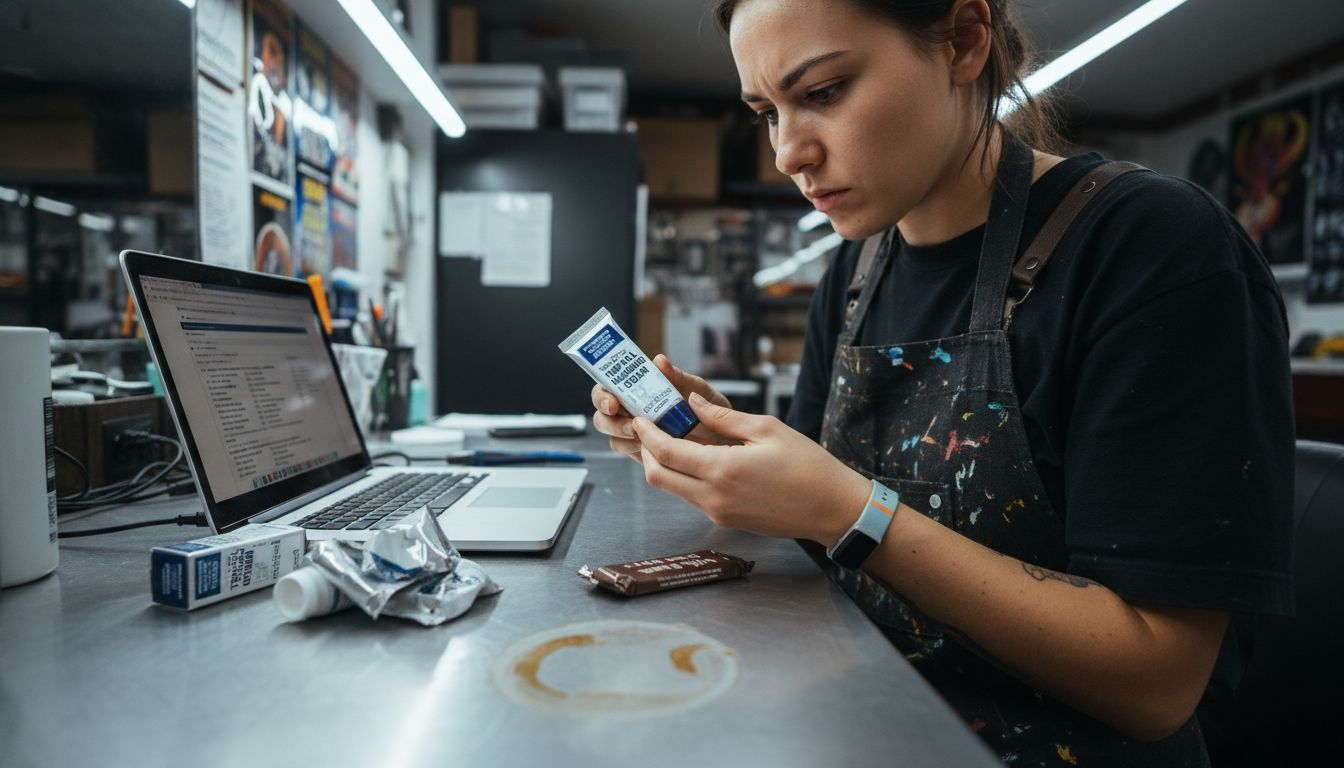
Why does this matter for your practice? Because compliance and transparency build trust. European regulations treat these ingredients differently depending on their concentrations and intended use. A cream with 5 percent lidocaine operates under different regulatory rules than one with higher concentrations. When you source numbing products like TKTX and Dermacain, you’re investing in formulations where the manufacturers have already navigated these regulatory requirements. This protects both you and your clients. Understanding these distinctions also helps you explain to nervous clients exactly how their numbing cream works and why you’ve chosen it for their specific needs.
Comparison of common active ingredients:
- Lidocaine (2-5%): Fast acting, over-the-counter availability across Europe, suitable for standard sessions
- Benzocaine (5-20%): Extended numbness duration, often combined with lidocaine for longer procedures
- Tetracaine: Potent numbing agent, typically found in professional-grade formulations
- Vasoconstrictors: Blood vessel narrowing agents that reduce bleeding and improve visibility
Pro tip: When purchasing numbing cream supplies, always verify the active ingredient percentages and ask your supplier which European regulations their formulation meets, so you can confidently communicate product specifics to clients and ensure you’re staying compliant in your jurisdiction.
Here is a quick comparison of numbing cream active ingredients and their professional implications:
| Ingredient | Onset & Duration | Typical Use Case | Professional Consideration |
|---|---|---|---|
| Lidocaine | Fast onset, 1-2 hrs | Standard tattoo sessions | Widely available OTC, low allergy risk |
| Benzocaine | Slower, extended | Long tattoo procedures | Requires higher concentration |
| Tetracaine | Longest, potent | Complex or painful areas | Usually by professionals only |
| Vasoconstrictors | Varies, not numbing | Reduce bleeding/visibility | Need pro labeling, not for home use |
Central European Legal Framework for Tattoo Creams
Tattoo numbing creams in Central Europe exist within a complex regulatory ecosystem designed to protect both artists and clients. The foundation of this framework is the EU Cosmetic Products Regulation (EC) No 1223/2009, which governs how topical anesthetic products are manufactured, labeled, and sold across member states. This regulation applies directly to your business operations regardless of where in Central Europe you operate. The EU Cosmetic Products Regulation ensures safety and composition standards for all topical products applied to skin, including numbing creams used before tattoo procedures. What this means in practical terms is that any numbing cream you stock, recommend, or provide to clients must meet these standards or you expose yourself to legal liability. Products like TKTX and Dermacain have already been vetted through this regulatory process, making them safer choices for your practice than untested alternatives.
Beyond the cosmetics regulation, the European Chemicals Agency (ECHA) takes an active role in evaluating substances used in tattoo products. The ECHA collaborates with Central European authorities to restrict certain chemicals classified as carcinogenic, mutagenic, reproductive toxins, or sensitizers. This ongoing evaluation process means regulations can shift, so staying informed matters. What was acceptable last year might face restrictions this year based on new safety data. The ECHA’s approach is preventative rather than reactive, which protects your clients but also requires you to stay current on ingredient changes in your numbing cream suppliers. When you purchase from reputable manufacturers, they handle these compliance updates automatically, but understanding this regulatory landscape helps you make informed sourcing decisions.
The practical reality for tattoo artists is straightforward: Central European regulations prioritize consumer health protection over convenience. This means numbing creams must clearly label their active ingredients, list any potential allergens, and include appropriate safety warnings. Products cannot make exaggerated medical claims, and they must undergo safety assessments before market entry. Different Central European countries may have additional national requirements beyond the EU framework, so if you operate across borders or serve international clients, you need to know whether Hungarian, Polish, or Czech regulations add extra compliance layers. The good news is that major suppliers handling TKTX and Dermacain already navigate these variations for you.
Key regulatory checkpoints for your business:
- Product registration in your country’s cosmetics authority
- Safety assessment confirming the formulation is non-toxic
- Ingredient restrictions compliance with ECHA banned substance lists
- Labeling accuracy with all active ingredients clearly listed
- Claims limitations avoiding medical or drug claims on packaging
Pro tip: Request a Safety Data Sheet (SDS) and EU Cosmetics Regulation compliance certificate from your numbing cream supplier before purchasing, and keep these documents accessible for regulatory inquiries to demonstrate your commitment to legal compliance.
Summary of key compliance steps for tattoo professionals using numbing creams:
| Compliance Step | Why It Matters | Business Impact |
|---|---|---|
| Product Registration | Legal market entry | Avoids fines and shutdowns |
| Ingredient Verification | Prevents banned substances | Reduces liability risk |
| Accurate Labeling | Client safety | Strengthens reputation |
| Record Keeping | Traceability for audits | Eases regulatory inspections |
Safety Standards and Labeling Obligations
Labeling isn’t just bureaucratic busywork. It’s your legal shield and your clients’ information lifeline. The Council of Europe and European Chemicals Agency have established comprehensive safety standards for all tattoo products, including numbing creams, with particular focus on chemical safety, microbial contamination, and user safety. Safety standards for tattoo products require detailed ingredient lists, warnings about potential allergic reactions, and clear instructions for safe application. When you stock numbing creams like TKTX and Dermacain, you’re relying on manufacturers who’ve already met these baseline safety requirements. But understanding what goes on that label matters because your clients will read it, ask questions about it, and expect you to answer confidently.
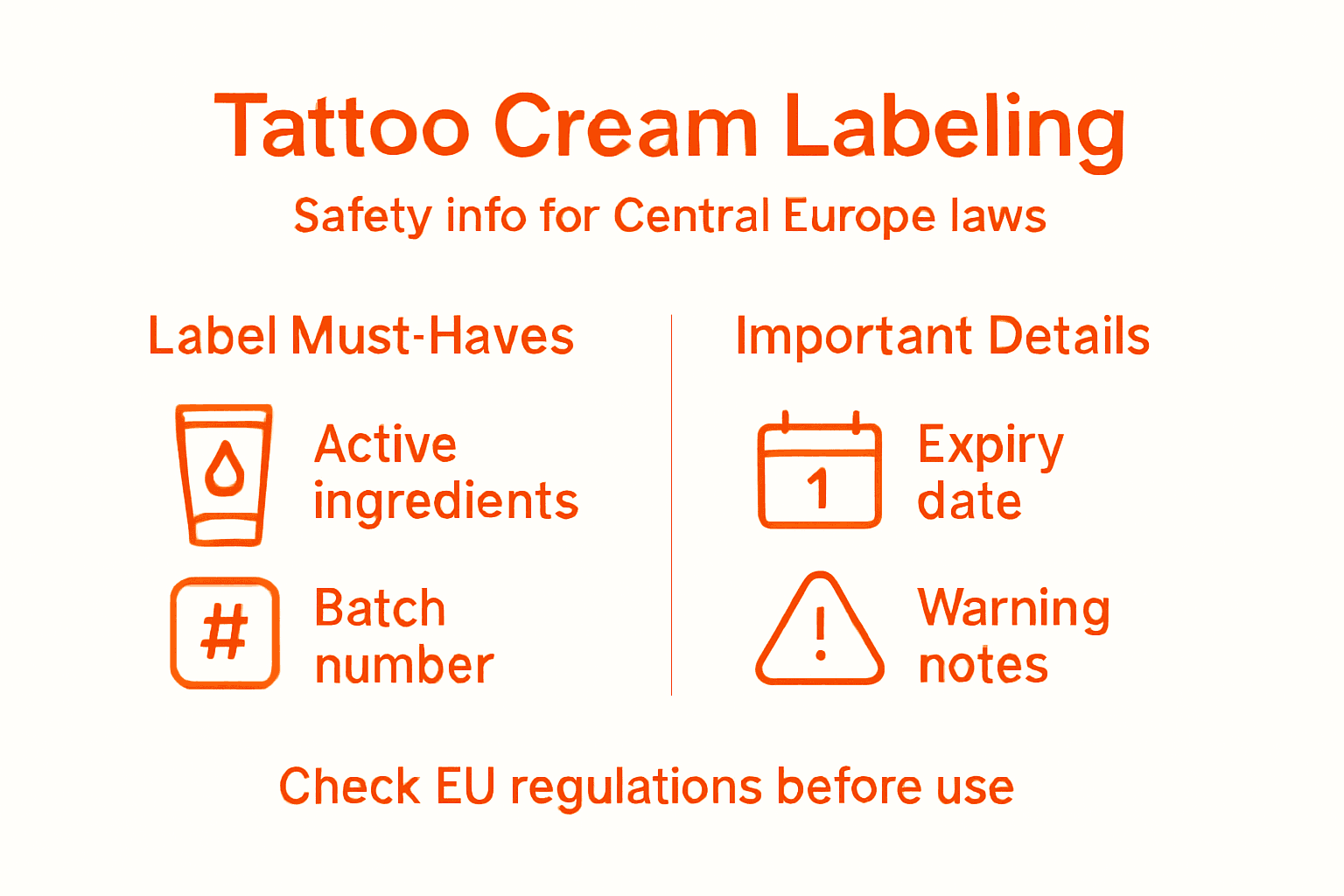
The practical labeling requirements are straightforward but non negotiable. Every product must clearly disclose all active ingredients with their percentages. This transparency allows clients with known sensitivities to make informed decisions. Potential allergic reaction warnings must appear prominently, especially for those with known reactions to lidocaine, benzocaine, or other common numbing agents. Usage instructions need to specify application time, recommended coverage area, and maximum safe application frequency. Beyond the basics, labels must include the manufacturer’s details, batch number for traceability, and shelf life information. In Central Europe, this means labels must appear in the official language of each country where the product is sold. If you’re selling across Poland, Hungary, and the Czech Republic, your suppliers must provide language variants or you need to apply compliant labels yourself. EU regulations mandate clear labeling and marking for consumer safety including ingredient disclosure and hazard warnings in local languages.
What often catches tattoo artists off guard is the CE mark requirement. Many numbing cream products need to bear the CE mark, which indicates the manufacturer has verified compliance with EU safety standards. This mark doesn’t mean the product is perfect, but it means someone has done the regulatory homework. When you’re sourcing products, ask your supplier explicitly whether their product carries CE certification and request documentation. Keep this documentation in your studio, organized and accessible. Regulatory inspectors may request it, and having it immediately available demonstrates your professional commitment to compliance. Additionally, never remove original manufacturer labels or alter them. Your liability exposure multiplies if a client has an adverse reaction and your labeling isn’t authentic or complete.
Key labeling elements required on numbing cream products:
- Active ingredients with exact percentages
- Batch number for product traceability
- Expiration or shelf life date
- Manufacturer and contact information
- Allergy warnings and contraindications
- Application instructions and safety precautions
- CE mark confirming EU compliance
- Language appropriate to your sales market
Pro tip: Create a simple checklist during each supply order to verify that products arrive with complete, undamaged labeling in your local language, and photograph the labels before storage to document compliance records in case of future regulatory inquiries.
Risks, Liabilities, and Legal Exposure for Artists
Using non-compliant numbing creams isn’t a minor shortcut. It’s a liability landmine. When a client experiences an allergic reaction, infection, or adverse health outcome linked to a numbing cream you applied, the legal consequences can devastate your business. Artists using tattoo numbing creams must ensure compliance with legal standards to avoid liability issues arising from adverse reactions or unsafe substances. In Central Europe, this isn’t just a recommendation. It’s your legal obligation. If you use unapproved products or fail to follow proper application procedures, you’re personally liable for damages, medical costs, and potentially criminal penalties depending on the severity of harm. Even if you think you’re saving money with cheaper, unvetted products, one serious incident wipes out any savings and your entire reputation.
The financial and professional consequences are real. Litigation costs alone can reach tens of thousands of euros before a case even goes to trial. If a client wins damages, you’re paying medical expenses, pain and suffering compensation, and potentially punitive damages. Beyond the immediate financial hit, a lawsuit damages your reputation in ways money can’t fix. Clients read reviews. Other artists talk. News spreads. A single incident can reduce your bookings by 50 percent or more. Beyond civil liability, regulatory agencies can suspend or revoke your business license if they determine you’ve systematically violated safety standards. This isn’t hypothetical. Central European health authorities actively inspect tattoo studios and investigate complaints. If they find you using non-compliant products, they can shut you down immediately.
Legal exposure for tattoo artists includes responsibilities under consumer protection and health safety laws, requiring hygienic procedures and compliant products to avoid litigation and licensing loss. What protects you is straightforward: source only certified products like TKTX and Dermacain that come with compliance documentation. Maintain detailed records of every product you use, including batch numbers and purchase dates. Train yourself and any assistants on proper application procedures and document that training. Keep incident reports if clients report any adverse reactions, even minor ones. Have liability insurance specifically covering numbing cream application. This combination creates a paper trail demonstrating you acted responsibly if anything goes wrong.
Common liability exposures in your practice:
- Allergic reactions from uncertified or improperly labeled products
- Infection or contamination from non-sterile numbing cream containers
- Improper application causing burns, blistering, or tissue damage
- Undisclosed ingredients causing harm to clients with sensitivities
- Expired products with degraded efficacy or safety concerns
- Failure to document client consent or product information
Pro tip: Maintain a dedicated compliance folder with product certifications, Safety Data Sheets, batch numbers, and application records for every numbing cream product you stock, and update your liability insurance annually to confirm it covers topical anesthetic application in your tattoo practice.
Ensure Safe and Compliant Pain-Free Tattoo Experiences Across Central Europe
Navigating the complex regulations surrounding tattoo numbing creams in Central Europe can be challenging. With strict rules on active ingredients like lidocaine and benzocaine, proper labeling, and safety compliance, you need trusted products that guarantee both effectiveness and legal safety. Your clients deserve pain relief during tattoo sessions without compromising their health or your professional reputation.
Discover our range of certified numbing creams, including TKTX and Dermacain, available throughout Europe and fully compliant with EU regulations. Our products provide guaranteed pain relief for up to three hours, helping your clients stay calm and still while you create flawless artwork. For reliable supplies that come with complete safety documentation and customer satisfaction guarantees, explore our Featured Products 1ndash; TKTX obchod.

Dont risk using unverified creams that could endanger your business or cause client harm. Visit our Home page 1ndash; TKTX obchod to browse trusted, compliant tattoo numbing solutions today. Take advantage of free shipping on orders over 30 Euro and our money-back satisfaction promise at https://buytktx.online. Elevate your tattoo practice with peace of mind and superior client care now.
Frequently Asked Questions
What are tattoo numbing creams and how do they work?
Tattoo numbing creams are topical anesthetics that temporarily reduce pain sensation on the skin’s surface. They usually contain active ingredients such as lidocaine, which blocks nerve signals, allowing clients to undergo tattoo procedures with less discomfort.
How long before a tattoo session should I apply numbing cream?
It is recommended to apply numbing cream about two hours before the tattoo session begins. This allows enough time for the cream to penetrate the skin and provide effective numbness during the appointment.
What ingredients should I look for in a numbing cream for tattoos?
The most common active ingredients in numbing creams for tattoos include lidocaine (2-5%), benzocaine (5-20%), and tetracaine. Lidocaine is fast-acting and suitable for standard sessions, while benzocaine can extend the duration of numbness, making it useful for longer procedures.
What are the risks of using non-compliant numbing creams?
Using non-compliant numbing creams can lead to serious liabilities, including allergic reactions, infections, and legal penalties. It is crucial to use products that meet regulatory standards to ensure client safety and protect your business from potential legal exposure.


