

Over half of American adults report intense discomfort during tattoo sessions, sparking a surge in demand for pain management solutions. Choosing the right numbing agent can make or break the experience, especially for those with sensitive skin or anxiety about the process. This guide sorts out the different types of tattoo numbing creams, explains how they work, breaks down important safety regulations in Europe, and helps you avoid common mistakes for a more comfortable tattoo journey.
Table of Contents
- Understanding Numbing Agents for Tattoos
- Main Types of Tattoo Numbing Creams
- How Tattoo Numbing Creams Work
- Legal and Safety Regulations in Europe
- Risks, Misuse, and Common Mistakes
Key Takeaways
| Point | Details |
|---|---|
| Numbing Agents Enhance Comfort | Numbing agents, primarily lidocaine-based creams, help minimize pain during tattoo procedures, improving client comfort and artist efficiency. |
| Consultation is Crucial | Consulting with a professional tattoo artist ensures the selection of an appropriate numbing agent based on individual skin sensitivity and tattoo specifics. |
| Understand Potential Risks | Misuse of numbing creams, such as excessive application or using unapproved products, can lead to serious health complications. |
| Follow Safety Regulations | Adhering to safety guidelines and using compliant products is essential for minimizing risks and ensuring the effectiveness of numbing agents in tattooing. |
Understanding Numbing Agents for Tattoos
Numbing agents are specialized topical anesthetics designed to minimize pain during tattoo procedures. These products temporarily desensitize skin nerve endings, allowing tattoo artists to work more comfortably and clients to experience less discomfort. Safety regulations for tattoo numbing products have become increasingly stringent as more consumers seek pain reduction strategies.
There are several types of numbing agents available for tattoo procedures, each with unique characteristics. Lidocaine-based creams are most common, typically containing 4-5% concentration to provide effective surface anesthesia. Other formulations include prilocaine, benzocaine, and tetracaine. These agents work by blocking sodium channels in nerve cells, preventing pain signals from being transmitted to the brain. However, European safety protocols require comprehensive product assessments to ensure these chemicals meet strict health standards before market introduction.
Tattoo enthusiasts should understand that numbing agents are not one-size-fits-all solutions. Factors like individual skin sensitivity, tattoo location, and potential allergic reactions must be considered. Some people may experience mild side effects such as temporary skin redness, slight swelling, or tingling sensations. Professional tattoo artists often recommend performing a small patch test before full application to check for adverse reactions.
Pro Tip for Smart Numbing: Always consult with your tattoo artist about the most appropriate numbing agent for your specific tattoo style and skin type. They can provide personalized recommendations based on their professional experience and understanding of different skin responses.
Main Types of Tattoo Numbing Creams
Topical numbing creams are essential tools for reducing pain during tattoo procedures, offering different formulations to suit various skin types and tattoo experiences. The primary categories include surface-level anesthetic creams, penetrating numbing agents, and hybrid formulations that combine multiple pain-blocking mechanisms.
Lidocaine-based creams represent the most common type of tattoo numbing agent. These surface anesthetics typically contain 4-5% lidocaine concentration, providing rapid nerve desensitization. Other prominent chemical formulations include prilocaine, benzocaine, and tetracaine. Each chemical compound works differently: lidocaine blocks sodium channels, preventing pain signal transmission, while benzocaine provides a quick but shorter numbing effect. Some advanced formulations combine multiple active ingredients to create longer-lasting and more comprehensive pain management.
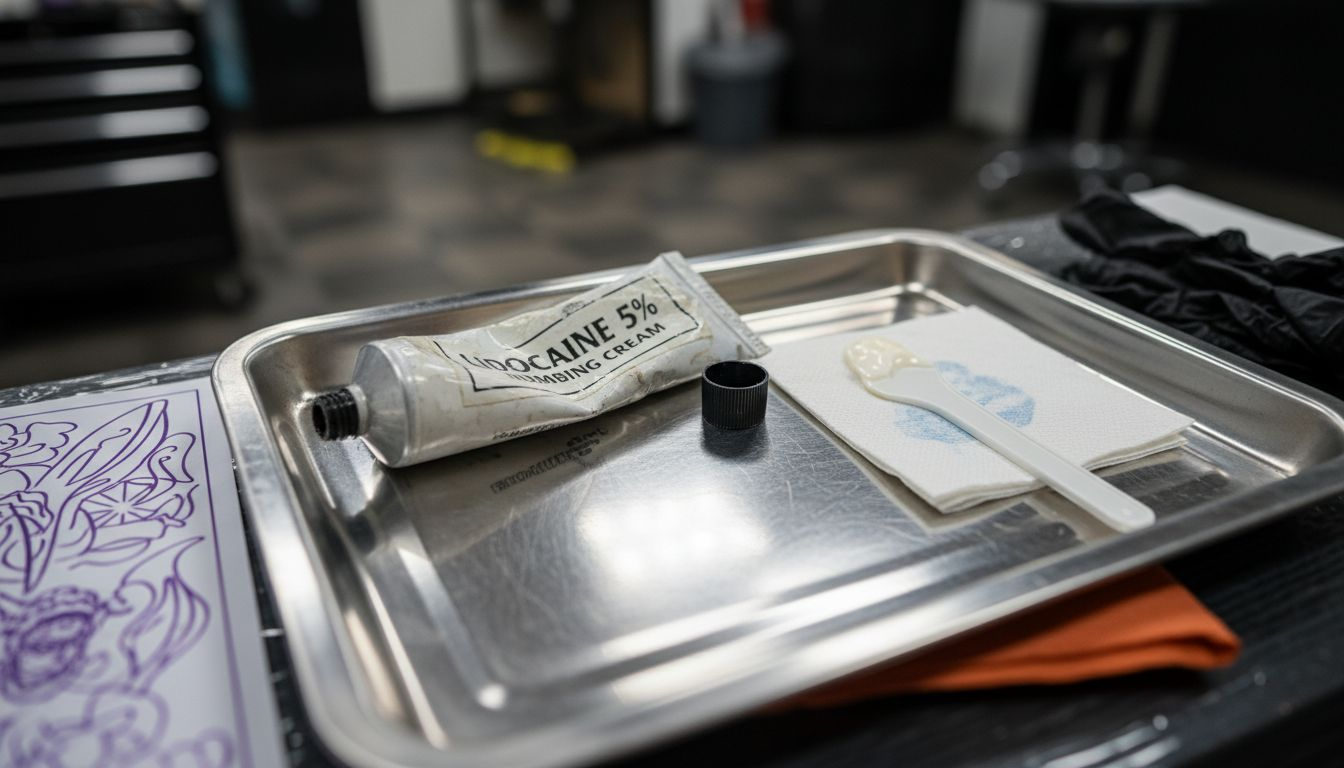
Here’s a comparison of common active ingredients found in tattoo numbing creams:
| Ingredient | Onset Speed | Duration of Effect | Typical Use Cases |
|---|---|---|---|
| Lidocaine | Rapid (10-20 min) | Moderate (1-2 hours) | General tattoo procedures |
| Prilocaine | Medium (15-30 min) | Moderate (1-2 hours) | Sensitive skin, allergies |
| Benzocaine | Fast (5-15 min) | Short (30-60 minutes) | Small tattoos, quick touch-ups |
| Tetracaine | Slow (30-45 min) | Long (2-3 hours) | Large tattoos, long sessions |
Specialized numbing cream categories also include prescription-strength and over-the-counter options. Prescription variants often feature higher concentration levels and require medical supervision. Over-the-counter products are more accessible but may have lower potency. Professional tattoo artists recommend understanding individual skin sensitivity, potential allergic reactions, and specific tattoo placement when selecting a numbing cream. Factors like skin thickness, pain tolerance, and tattoo size significantly influence the most appropriate numbing agent selection.
Pro Tip for Numbing Cream Selection: Always perform a small patch test at least 24 hours before your tattoo appointment to check for potential skin reactions and ensure compatibility with your specific skin type.
How Tattoo Numbing Creams Work
Tattoo numbing creams function through complex neurological mechanisms designed to interrupt pain signal transmission. These topical anesthetics work by blocking sodium channels in nerve cells, preventing the brain from receiving pain messages during tattoo procedures. The effectiveness of these creams depends critically on their precise chemical formulation and pH balance, which determines how deeply and quickly the active ingredients penetrate skin layers.
The primary active ingredients in numbing creams typically include lidocaine, prilocaine, benzocaine, and tetracaine. Each chemical compound targets nerve receptors differently. Lidocaine, for instance, provides the most comprehensive pain blocking by completely interrupting nerve signal transmission. These chemicals temporarily disable nerve endings by preventing sodium ions from entering nerve cell membranes, essentially creating a localized anesthetic effect that reduces pain sensation without causing permanent nerve damage.
Application technique plays a crucial role in the cream’s effectiveness. Proper absorption requires thorough skin preparation, including cleaning the area and allowing sufficient time for the numbing agent to penetrate skin layers. Most numbing creams require approximately 20-30 minutes of application time before optimal anesthetic effects are achieved. Factors like skin thickness, individual pain tolerance, and specific tattoo placement can significantly influence the cream’s performance and duration of numbness.
Pro Tip for Numbing Cream Application: Apply the numbing cream in a thick, even layer and cover with medical-grade plastic wrap to enhance absorption and maximize the cream’s pain-blocking potential before your tattoo session.
Legal and Safety Regulations in Europe
European regulatory frameworks for tattoo numbing products are comprehensive and designed to protect consumer health through stringent safety requirements. Different countries implement varying levels of oversight, but the overall approach emphasizes product safety, ingredient transparency, and potential health risks associated with topical anesthetic applications.
Germany’s Tattoo Inks Ordinance establishes critical standards for product safety, requiring manufacturers and importers to conduct thorough safety assessments before market introduction. This regulatory model has become a benchmark for other European nations, focusing on three primary areas: chemical composition, ingredient concentration, and potential long-term health impacts. Manufacturers must provide detailed documentation proving their products meet strict safety criteria, including comprehensive ingredient lists, concentration limits, and potential allergen disclosures.
The European Union’s approach to regulating numbing creams involves multiple layers of protection. National health agencies collaborate to establish uniform safety standards, requiring extensive testing and clinical trials before product approval. These regulations mandate that numbing cream manufacturers demonstrate not only immediate safety but also potential long-term effects. Key considerations include skin penetration rates, potential systemic absorption, and interactions with other substances. Professional tattoo artists and consumers must remain informed about these regulations to ensure they are using compliant and safe products.
Pro Tip for Regulatory Compliance: Always request and review the product’s safety documentation and certification before using any tattoo numbing cream, ensuring it meets the most current European safety standards.
Risks, Misuse, and Common Mistakes
Tattoo numbing cream risks extend far beyond simple skin irritation, encompassing potentially serious health complications when used improperly. Consumers and tattoo professionals must understand the complex landscape of potential dangers associated with these topical anesthetic products. Regulatory warnings highlight significant concerns about unapproved numbing cream products, emphasizing the critical need for careful product selection and application.
Common misuse scenarios include excessive application, incorrect dosage, and using products not specifically designed for tattoo procedures. Overdosing on numbing agents can lead to systemic absorption, potentially causing serious side effects like methemoglobinemia, a dangerous blood condition that reduces oxygen transportation. Some individuals experience allergic reactions, skin sensitivity, or unexpected interactions with existing medical conditions. Legal regulations strictly prohibit non-medical practitioners from administering local anesthetics, underscoring the importance of professional guidance and proper application techniques.
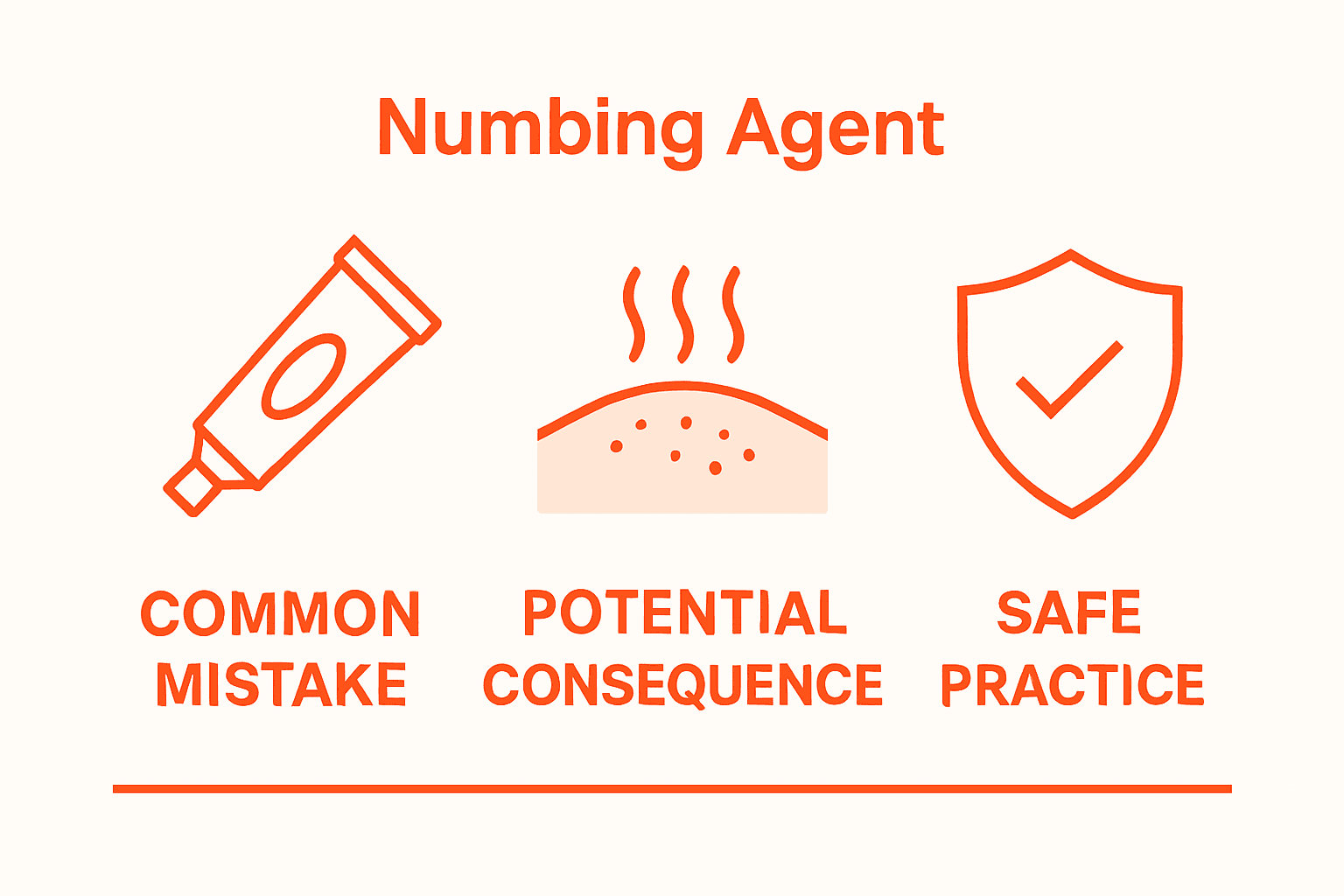
Professional tattoo artists often encounter clients who misunderstand numbing cream applications, leading to potential complications. Incorrect timing of application, inadequate skin preparation, and using expired or unregulated products can compromise both tattoo quality and personal safety. Some individuals attempt to maximize numbness by applying multiple layers or combining different numbing agents, which can exponentially increase health risks. Skin type, personal medical history, and specific tattoo characteristics must be carefully considered before selecting and applying any numbing solution.
This summary outlines the most frequent risks and mistakes associated with tattoo numbing cream use:
| Risk/Mistake | Potential Consequence | Preventive Measure |
|---|---|---|
| Excessive application | Systemic absorption, serious side effects | Use only recommended amount |
| Inadequate patch testing | Unexpected allergic reactions | Perform test 24 hours in advance |
| Incorrect application timing | Reduced numbing, possible pain during tattoo | Follow instructions precisely |
| Use of non-approved products | Health risks, legal issues | Purchase from reputable sources |
| Combining multiple numbing agents | Increased risk of adverse reactions | Stick to one product per session |
Pro Tip for Safe Numbing: Always consult with a professional tattoo artist or healthcare provider before using numbing creams, and perform a comprehensive patch test at least 24 hours prior to your tattoo appointment to identify potential adverse reactions.
Experience Pain-Free Tattoos with Trusted Numbing Creams
The challenge of enduring pain during tattoo sessions is real and often discourages many from getting inked. This article highlights how numbing agents like lidocaine-based creams can block pain signals effectively while emphasizing safety concerns and proper application. If you want to avoid discomfort and ensure the highest standards of skin safety paired with guaranteed results, using a reliable numbing cream designed for tattooing is crucial.

Discover the powerful benefits of TKTX and Dermacain numbing creams available across Europe at https://buytktx.online. Our products offer up to 3 hours of guaranteed pain relief combined with strict adherence to European safety regulations mentioned in the article. Customer satisfaction is our priority which is why we offer a full money-back guarantee if you are not satisfied. For professional recommendations and safe application tips, visit https://buytktx.online today. Don’t wait until your next tattoo to suffer pain when effective relief is just a click away.
Frequently Asked Questions
What are numbing agents used for in tattooing?
Numbing agents are topical anesthetics that minimize pain during tattoo procedures by temporarily desensitizing skin nerve endings, allowing for a more comfortable experience for clients.
How do tattoo numbing creams work?
Tattoo numbing creams work by blocking sodium channels in nerve cells, preventing pain signals from reaching the brain. The active ingredients, such as lidocaine and prilocaine, interrupt nerve communication, thus reducing pain sensation.
What types of numbing agents are available for tattoos?
There are several types of numbing agents, including lidocaine-based creams, prilocaine, benzocaine, and tetracaine. Each has different onset times, durations of effect, and specific use cases based on individual needs and skin sensitivity.
What are the risks associated with using tattoo numbing creams?
Risks include skin irritation, allergic reactions, and potential systemic absorption from excessive application. Misuse, such as combining multiple agents or using non-approved products, can lead to serious health complications, emphasizing the need for professional guidance.


