

Most advice about numbing cream misses the real science behind a pain-free tattoo experience. With over 60% of tattoo enthusiasts in Central Europe uncertain about numbing cream safety, it’s easy to see why confusion spreads quickly. Understanding how these products differ from American options and separating facts from myths will help you make safer, more informed decisions for your next tattoo session.
Table of Contents
- What Numbing Cream Really Is And Does
- Popular Numbing Cream Myths Debunked
- Types Of Tattoo Numbing Creams Explained
- Effectiveness, Safety, And Application Tips
- Does Numbing Cream Affect Tattoo Quality?
- Tattoo Artists’ Perspectives And Legal Aspects
Key Takeaways
| Point | Details |
|---|---|
| Numbing Cream Mechanism | Numbing cream temporarily reduces skin sensation by blocking pain signals through active ingredients like lidocaine and prilocaine. |
| Application Importance | Effective pain management requires careful application, including thorough skin cleaning and allowing adequate time for the cream to work. |
| Myths vs. Reality | Common myths suggest numbing creams eliminate all pain and work instantly; in reality, they reduce discomfort but do not completely erase sensation. |
| Safety Guidelines | It’s essential to perform a patch test and consult healthcare professionals if sensitivity or allergies are a concern before using numbing cream. |
What Numbing Cream Really Is and Does
Numbing cream is a specialized topical anesthetic designed to temporarily reduce skin sensation by interrupting pain signals. These localized pain-blocking solutions work through a precise neurological mechanism that prevents nerve impulses from transmitting discomfort to the brain.
At the core of numbing cream’s effectiveness are active ingredients like lidocaine and prilocaine. These compounds specifically target voltage-gated sodium channels on nerve cell membranes, effectively blocking pain transmission. When applied correctly, these creams create a temporary barrier that interrupts the body’s natural pain signaling process, allowing individuals to undergo procedures like tattooing with significantly reduced discomfort.
The application process requires careful attention to maximize effectiveness. Skin numbing preparations typically involve several critical steps:
- Clean the target skin area thoroughly
- Apply a thin, uniform layer of cream
- Cover the area to enhance absorption
- Allow sufficient time for the cream to take effect
While numbing creams provide substantial pain reduction, they do not completely eliminate all sensations. Users can still experience pressure and movement, which is crucial for procedures requiring some level of bodily awareness.
Pro tip: Always perform a small patch test before full application to check for potential allergic reactions or skin sensitivity.
Popular Numbing Cream Myths Debunked
Numbing cream has become increasingly popular among tattoo enthusiasts, but numerous misconceptions continue to circulate about its effectiveness and usage. Many people believe that these topical anesthetics are a magical solution that completely eliminates pain, which is far from the truth.
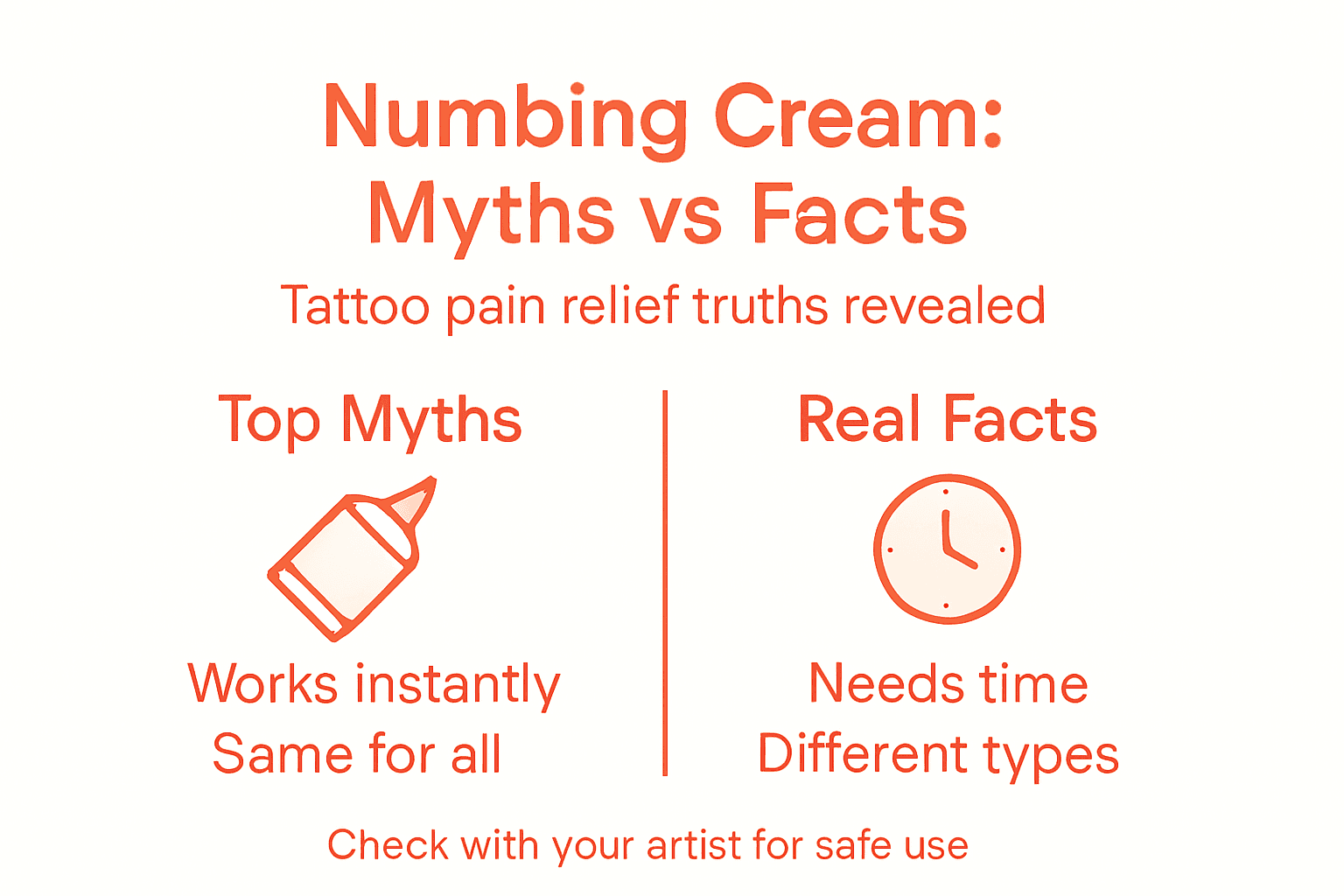
Myth 1: Numbing Cream Works Instantly Contrary to popular belief, numbing creams do not provide immediate pain relief. Most topical anesthetic solutions require careful application and sufficient time to become effective. Typically, you need to apply the cream 30-45 minutes before your tattoo session, allowing the active ingredients to penetrate the skin and block nerve signals.
Myth 2: All Numbing Creams Are the Same Not all numbing creams are created equal. Different formulations contain varying concentrations of active ingredients like lidocaine and prilocaine. Some are more potent and longer-lasting than others, and the effectiveness can depend on individual skin sensitivity and the specific procedure being performed.
Myth 3: Numbing Creams Completely Eliminate Pain This is perhaps the most dangerous misconception. Numbing creams reduce pain sensation but do not completely eliminate it. Tattoo artists and clients can still experience some level of discomfort, pressure, and awareness during the procedure. Complete pain elimination could be risky, as some sensation is crucial for monitoring the body’s response.
Myth 4: More Cream Means Better Results Applying excessive amounts of numbing cream does not increase its effectiveness. In fact, overuse can lead to potential skin irritation or reduced absorption. Always follow the recommended application guidelines and use only a thin, uniform layer.
Myth 5: Numbing Creams Are Completely Safe for Everyone While generally safe, numbing creams are not universal solutions. Some individuals may experience allergic reactions, skin sensitivity, or interact negatively with certain medications. Always consult with a healthcare professional and perform a patch test before full application.
Pro tip: Consult with your tattoo artist about the best numbing cream application method for your specific tattoo design and skin type.
Types of Tattoo Numbing Creams Explained
The world of tattoo numbing creams is more complex than most people realize. Tattoo numbing cream varieties offer diverse formulations designed to meet different pain management needs and skin sensitivities.
Lidocaine-Based Creams Lidocaine remains the most popular active ingredient in numbing creams, typically available in 4-5% concentration. These fast-acting solutions provide quick pain relief and are ideal for smaller tattoo designs. They work rapidly to block nerve signals, making them a go-to choice for many tattoo enthusiasts who want immediate sensation reduction.
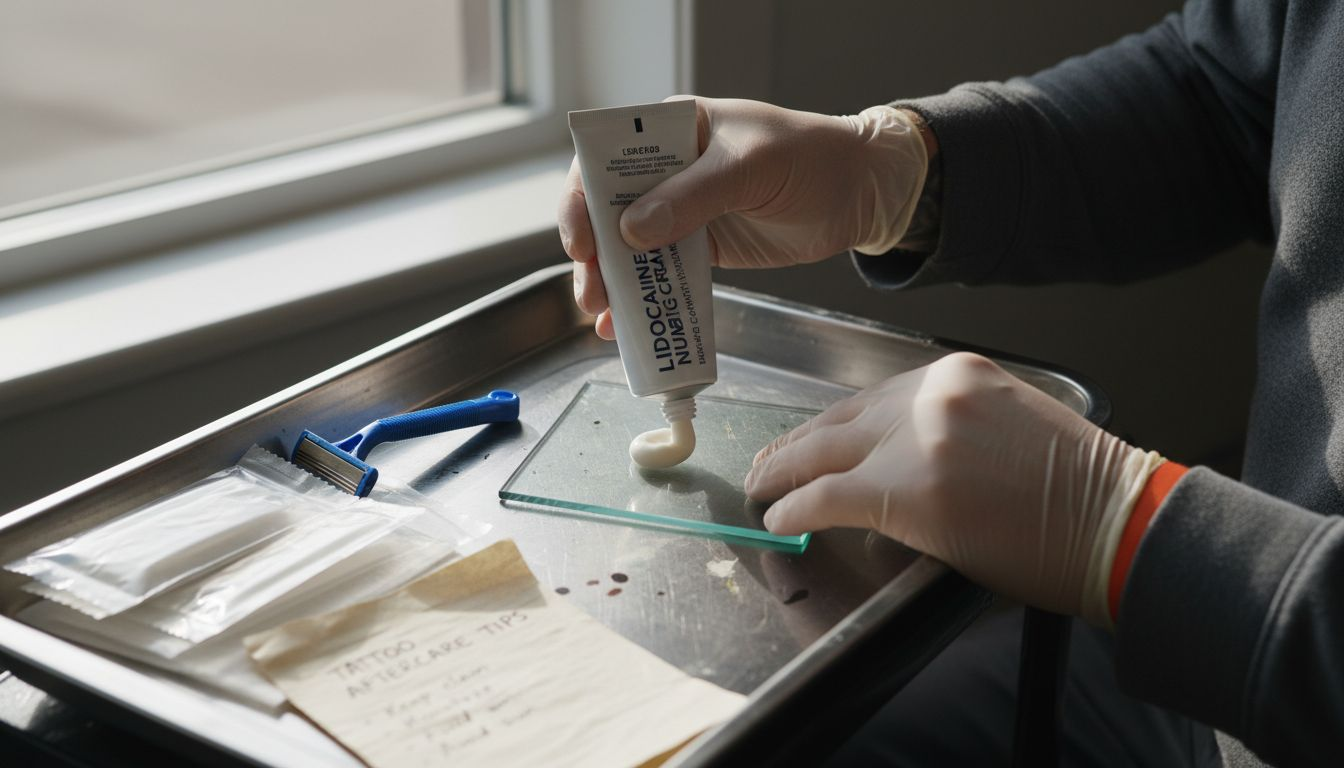
Combination Creams More advanced numbing solutions combine multiple active ingredients like lidocaine, prilocaine, and tetracaine. These hybrid formulations offer extended pain relief and longer-lasting effectiveness. By blending different anesthetic compounds, these creams provide a more comprehensive approach to pain management during tattoo sessions.
Cream Base Variations Numbing creams come in two primary base types:
- Water-Based Creams: Lightweight and easily absorbed, these are less greasy and preferred for medical and tattoo applications
- Oil-Based Creams: Provide longer-lasting coverage but might feel heavier on the skin
Each base type offers unique advantages depending on your specific tattoo placement, skin type, and personal comfort preferences.
Specialized Formulations Some numbing creams are designed for specific body areas or tattoo styles. Sensitive areas like ribs, spine, or inner arms might require specialized formulations with lower concentrations or gentler ingredients to prevent skin irritation.
Pro tip: Consult with your tattoo artist about the most appropriate numbing cream for your specific tattoo design and skin sensitivity.
Here is a comparison of common types of tattoo numbing creams:
| Cream Type | Main Ingredients | Best Use Cases | Absorption Speed |
|---|---|---|---|
| Lidocaine-Based | Lidocaine (4-5%) | Small tattoos, quick sessions | Fast-acting |
| Combination | Lidocaine, Prilocaine | Long sessions, sensitive skin | Medium-fast |
| Water-Based | Various | Medical/tattoo applications | Quick, non-greasy |
| Oil-Based | Various | Longer procedures, dry skin | Slow, longer coverage |
Effectiveness, Safety, and Application Tips
Tattoo numbing cream effectiveness varies based on multiple factors, including application technique, individual pain tolerance, and the specific product used. Understanding these nuances is crucial for achieving optimal pain management during your tattoo experience.
Effectiveness Insights Numbing creams typically reduce pain intensity by 50-70%, transforming an potentially unbearable experience into a more manageable process. They work by temporarily blocking nerve signals, which means you’ll still feel some pressure and movement during the tattoo session. This partial sensation is actually beneficial, allowing you to remain aware of your body’s responses.
Application Protocol Preparing and applying numbing cream requires precision. Skin numbing techniques involve several critical steps:
- Clean the targeted skin area thoroughly
- Exfoliate gently to enhance cream absorption
- Apply a uniform, thin layer of cream
- Cover with plastic wrap for 30-90 minutes to improve penetration
- Wipe off excess cream before tattoo session
Safety Considerations Numbing cream safety depends on proper usage and individual skin sensitivity. Key precautions include:
- Performing a patch test 24 hours before application
- Avoiding use on broken or irritated skin
- Not exceeding recommended cream quantity
- Consulting a healthcare professional if you have sensitive skin or medical conditions
Potential Side Effects While generally safe, numbing creams can cause mild side effects such as:
- Temporary skin redness
- Minor itching
- Slight swelling
- Potential allergic reactions
Pro tip: Always communicate with your tattoo artist about your numbing cream usage to ensure optimal application and minimize potential complications.
Below is a summary of potential side effects and ways to minimize risks when using numbing cream:
| Potential Side Effect | Prevention Strategy | When to Seek Help |
|---|---|---|
| Temporary redness | Use patch test before full use | If severe or persistent |
| Itching | Avoid use on irritated skin | If discomfort increases |
| Mild swelling | Apply only recommended amount | If swelling spreads |
| Allergic reaction | Consult healthcare professional | If hives or breathing issues |
Does Numbing Cream Affect Tattoo Quality?
Tattoo ink interaction research reveals that numbing creams do not chemically alter tattoo pigments, but they can physically impact the tattooing process. Understanding these nuanced effects is crucial for anyone considering using numbing cream during their tattoo session.
Skin Texture and Ink Deposition Numbing creams cause subtle changes in skin physiology that can potentially affect tattoo quality. The primary concerns include vasoconstriction (narrowing of blood vessels) and localized tissue swelling, which might make the skin less predictable for the tattoo artist. These physiological changes can slightly alter skin pliability, potentially impacting the precision of ink placement and the sharpness of tattoo lines.
Potential Impacts on Tattoo Performance While numbing creams do not directly damage tattoo ink, they can create challenges for tattoo artists:
- Reduced skin elasticity
- Temporary changes in skin texture
- Slight variations in how ink is absorbed
- Potential minor distortions in fine line work
Professional Recommendations Experienced tattoo artists recommend several strategies to minimize potential quality issues:
- Communicate with your artist about numbing cream usage
- Apply cream exactly as recommended
- Remove cream completely before the tattoo session
- Choose a thin, easily absorbed cream formulation
- Allow sufficient time for the cream to work without over-saturating the skin
Long-Term Considerations Most professional tattoo artists agree that when used correctly, numbing creams have minimal impact on overall tattoo quality. The key is proper application, timing, and communication with your tattoo artist to ensure the best possible outcome.
Pro tip: Discuss your numbing cream plan with your tattoo artist during the consultation to develop a strategy that preserves tattoo quality and minimizes potential complications.
Tattoo Artists’ Perspectives and Legal Aspects
Tattoo artist perspectives reveal a complex and nuanced stance on numbing cream usage. The tattoo community remains deeply divided, with opinions ranging from complete acceptance to strong resistance against these pain management solutions.
Artist Viewpoints on Pain Management Many tattoo artists view pain as an integral part of the tattoo experience, arguing that it connects the client to the artistic process. However, a growing number recognize that individual pain tolerance varies, and numbing creams can make challenging tattoo placements more accessible. The key concern remains maintaining tattoo quality while respecting client comfort.
Legal and Regulatory Considerations Tattoo numbing cream regulations differ significantly across European regions. Critical legal aspects include:
- Varying restrictions on topical anesthetics
- Requirements for professional supervision
- Potential liability issues for studios
- Medical-grade product certifications
- Age restrictions for numbing cream usage
Professional Recommendations Tattoo artists typically advise clients to:
- Communicate openly about numbing cream intentions
- Choose high-quality, approved products
- Understand potential impacts on tattoo precision
- Consider individual pain tolerance
- Consult with the specific artist beforehand
Potential Risks and Complications Professionals highlight several potential issues:
- Altered skin texture during tattooing
- Reduced pain feedback mechanism
- Potential healing complications
- Possible allergic reactions
- Difficulty controlling needle depth
Pro tip: Always discuss your numbing cream plans with your tattoo artist during the initial consultation to ensure mutual understanding and optimal results.
Discover True Pain-Free Tattooing with Trusted Numbing Creams
The article reveals how many myths surround tattoo numbing creams like instant relief and complete pain elimination. If you want to experience the real benefits of effective topical anesthetics such as lidocaine-based creams that provide up to 3 hours of guaranteed pain relief for your tattoo session then choosing a trusted product is essential. Avoid the uncertainty of varying formulas and improper applications by using premium, tested numbing creams designed specifically for tattoo procedures.

Take control of your tattoo pain today with TKTX and Dermacain numbing creams. Enjoy fast absorption, safe use with guaranteed customer satisfaction, and free shipping on orders over 30 Euro across Europe. Visit our site now to secure your solution and make your tattoo experience truly comfortable and manageable. Do not let pain myths hold you back – empower your tattoo journey with the right numbing cream applied the right way.
Frequently Asked Questions
What is numbing cream used for in tattooing?
Numbing cream is used to temporarily reduce pain sensation during tattooing by blocking pain signals from nerve endings, enabling clients to undergo the procedure with significantly less discomfort.
How long before a tattoo session should I apply numbing cream?
You should apply numbing cream approximately 30-45 minutes before your tattoo session to allow the active ingredients to penetrate the skin and take effect.
Do all numbing creams work the same way?
No, not all numbing creams are the same. Different formulations contain varying concentrations of active ingredients, and their effectiveness can differ based on individual skin sensitivity and the specific procedure being performed.
Can numbing cream completely eliminate pain during a tattoo?
Numbing cream reduces pain sensation significantly but does not completely eliminate all sensations, such as pressure and movement, which are important for monitoring the body’s response during the tattoo procedure.


