

Finding a truly pain-free tattoo experience can feel out of reach for many in Central Europe, especially with so many numbing creams competing for attention. Safe and effective pain management matters not just for comfort but for the health of your skin during and after a tattoo session. This guide reveals what tattoo enthusiasts and artists need to know about using TKTX and Dermacain numbing creams, focusing on precise safety standards and how to avoid unwanted side effects.
Table of Contents
- Defining Anesthetic Cream Safety For Tattoos
- Types Of Numbing Creams And Ingredients Used
- How Anesthetic Creams Reduce Tattoo Pain
- EU Rules And Safety Standards For Numbing Creams
- Potential Risks And Side Effects Of Misuse
- Common Mistakes When Using Numbing Creams
Key Takeaways
| Point | Details |
|---|---|
| Anesthetic Cream Application Safety | Thorough evaluation of individual health and skin sensitivity is essential before using anesthetic creams to prevent complications. |
| Proper Application Techniques | Correct application methods and timing are crucial for maximizing the effectiveness of numbing creams and minimizing risks. |
| Regulatory Compliance | Ensure that any numbing cream complies with local regulations, such as FDA or EU standards, for safety and effectiveness. |
| Risks of Misuse | Misapplication can lead to severe side effects, including systemic reactions, and should be approached with caution and professional guidance. |
Defining anesthetic cream safety for tattoos
Anesthetic creams serve a critical function in reducing pain during tattoo procedures, but understanding their safety parameters is paramount. Precise application of local anesthetics requires careful consideration of multiple physiological and procedural factors to ensure patient wellbeing.
When evaluating anesthetic cream safety for tattoos, several key elements demand thorough examination:
- Chemical composition and potential allergen profiles
- Method and depth of topical application
- Individual skin sensitivity variations
- Potential interaction with tattoo ink pigments
- Risk of systemic absorption
The FDA guidelines emphasize that tattoo-related anesthetic creams must meet stringent manufacturing standards. Preventing microbial contamination stands as a critical safety benchmark, given the potential for introducing pathogens directly into the skin during tattooing.
Medical professionals recommend comprehensive screening before using any anesthetic cream. This involves:
- Reviewing personal medical history
- Conducting patch testing for allergic reactions
- Consulting with a healthcare provider about potential contraindications
- Understanding proper application techniques
- Monitoring for adverse reactions during and after use
Systemic risks can emerge when anesthetic creams are improperly applied, potentially leading to complications such as allergic responses, skin irritation, or unexpected interactions with other medications.
Pro tip: Always conduct a small skin patch test 24-48 hours before your tattoo appointment to confirm you do not have an adverse reaction to the numbing cream.
Types of numbing creams and ingredients used
Numbing creams used in tattoo procedures contain specialized ingredients designed to temporarily block pain signals and provide dermal anesthesia. Common topical anesthetic formulations include a range of pharmaceutical compounds that effectively reduce skin sensitivity during medical and cosmetic procedures.
The primary active ingredients in numbing creams typically include:
- Lidocaine: Most prevalent anesthetic, usually 4-5% concentration
- Benzocaine: Surface-level numbing agent
- Prilocaine: Alternative nerve signal blocker
- Pramoxine: Mild pain-reducing compound
- Phenol: Used in some specialized formulations
Chemical compositions vary, but lidocaine-based creams represent the gold standard in topical anesthesia. These creams often contain additional inactive ingredients like benzyl alcohol, carbomers, and propylene glycol to enhance absorption and skin compatibility.

Here’s a summary of common anesthetic cream ingredients and their specific properties:
| Ingredient | Main Use | Typical Concentration | Additional Notes |
|---|---|---|---|
| Lidocaine | Deep local anesthesia | 4-5% | Most widely used; fast acting |
| Benzocaine | Surface-level numbing | 5-20% | Good for short procedures |
| Prilocaine | Alternative nerve blocking | 2-5% | Often combined with lidocaine |
| Pramoxine | Mild pain reduction | 1-1.5% | Minimal skin irritation |
| Phenol | Specialized deep numbing | <1% | Used in select cases only |
Understanding the mechanism of these numbing agents is crucial. They work by temporarily interrupting nerve signal transmission in the skin, creating a localized pain-blocking effect that allows for more comfortable tattoo experiences. Different formulations offer varying durations and depths of anesthesia, making it essential to choose a product tailored to individual pain tolerance and specific tattoo requirements.
Tattoo numbing creams are designed for external use and should never be applied internally or in excessive quantities.
Medical professionals recommend carefully reviewing the ingredient list and conducting a patch test before full application to prevent potential allergic reactions or skin sensitivities.
Pro tip: Consult with your tattoo artist about recommended numbing cream brands and application techniques specific to your tattoo procedure.
How anesthetic creams reduce tattoo pain
Anesthetic creams provide targeted pain relief during tattoo procedures by interrupting the body’s natural pain signaling mechanisms. Nerve signal blocking techniques work by preventing pain transmission at the cellular level, offering temporary relief without systemic side effects.
The pain reduction process involves several critical mechanisms:
- Sodium channel blocking: Interrupts nerve impulse transmission
- Epidermal penetration: Numbs skin surface and underlying tissues
- Localized anesthetic effect: Reduces pain perception during needle insertion
- Temporary nerve signal suppression: Creates a window of reduced sensitivity
- Targeted pain management: Limits discomfort to specific tattoo areas
Topical anesthesia mechanisms specifically target voltage-gated sodium channels on nerve fibers. By inhibiting these channels, anesthetic creams effectively prevent pain signals from reaching the brain, creating a localized numbing effect that makes tattoo procedures more comfortable.
The science behind pain reduction is fascinating. When applied correctly, anesthetic creams create a temporary barrier that stops pain signals from being initiated or propagated. This means the nerve endings are essentially “silenced” during the tattoo process, allowing for a less painful experience without compromising the body’s overall sensory system.
Proper application is key to maximizing the pain-reducing effects of anesthetic creams.
Different individuals may experience varying levels of pain relief depending on factors like skin sensitivity, cream concentration, and application technique. Understanding these nuanced interactions helps tattoo enthusiasts make informed decisions about pain management.
Pro tip: Apply the numbing cream 30-45 minutes before your tattoo session and cover with a thin, breathable bandage to enhance its effectiveness.
EU rules and safety standards for numbing creams
Navigating the complex landscape of European regulations for numbing creams requires understanding comprehensive safety protocols specific to medical devices and pharmaceutical products. EU Medical Device Regulations establish stringent guidelines that manufacturers must follow to ensure consumer protection and product safety.
Key regulatory requirements for numbing creams in the European Union include:
- Comprehensive clinical safety testing
- Multilingual product labeling
- Strict manufacturing practice standards
- Detailed ingredient disclosure
- Systematic absorption limitation protocols
The regulatory framework distinguishes between two primary classifications for numbing creams: medical devices and medicinal products. This classification depends on the product’s intended use, active ingredients, and specific pharmaceutical characteristics. Different classification determines the specific regulatory pathway a product must navigate to achieve market authorization.
European safety standards prioritize preventing potential health risks associated with topical anesthetics. Manufacturers must demonstrate:
- Maximum safe lidocaine concentration levels
- Potential allergic reaction mitigation strategies
- Clear usage instructions
- Comprehensive patient warning information
- Traceability of manufacturing processes
Compliance with EU regulations is not optional - it is a mandatory requirement for market entry.
Regulatory bodies conduct rigorous assessments to ensure these products meet exacting safety standards, protecting consumers from potential adverse reactions while maintaining high-quality medical product guidelines.
Pro tip: Always verify a numbing cream’s EU regulatory compliance by checking its official registration number and manufacturer certification before use.
The table below compares EU and FDA anesthetic cream regulations:
| Regulation Area | EU Standards | FDA Guidelines |
|---|---|---|
| Clinical Safety Testing | Mandatory before approval | Required for all products |
| Labeling Requirements | Multilingual; full details | English; main allergens |
| Ingredient Disclosure | Complete, by law | Complete, by law |
| Manufacturing Standards | Good Practice certification | cGMP enforced |
| Maximum Lidocaine Limit | Strictly regulated | Strictly regulated |
Potential risks and side effects of misuse
Numbing creams for tattoos present complex health challenges when improperly applied. Unregulated topical pain products can trigger serious medical complications that extend far beyond simple skin irritation.
Potential risks associated with numbing cream misuse include:
-
Local skin reactions
- Redness and inflammation
- Allergic contact dermatitis
- Prolonged skin sensitivity
-
Systemic health risks
- Cardiovascular irregularities
- Neurological symptoms
- Potential seizure triggers
-
Application-related dangers
- Overdose through excessive application
- Compromised skin barrier function
- Interactions with tattoo pigmentation
Local anesthetic complications can manifest through multiple physiological pathways. Excessive absorption may trigger dizziness, headaches, and potentially dangerous cardiovascular responses that require immediate medical attention.
Medical professionals emphasize understanding individual risk factors before using numbing creams. Critical considerations include:
- Personal medical history screening
- Checking for known allergies
- Verifying medication interactions
- Understanding precise application guidelines
- Monitoring post-application bodily responses
Improper numbing cream use can transform a routine tattoo procedure into a medical emergency.
Understanding these risks demands a proactive approach to personal health and professional medical guidance when considering topical anesthetic applications.
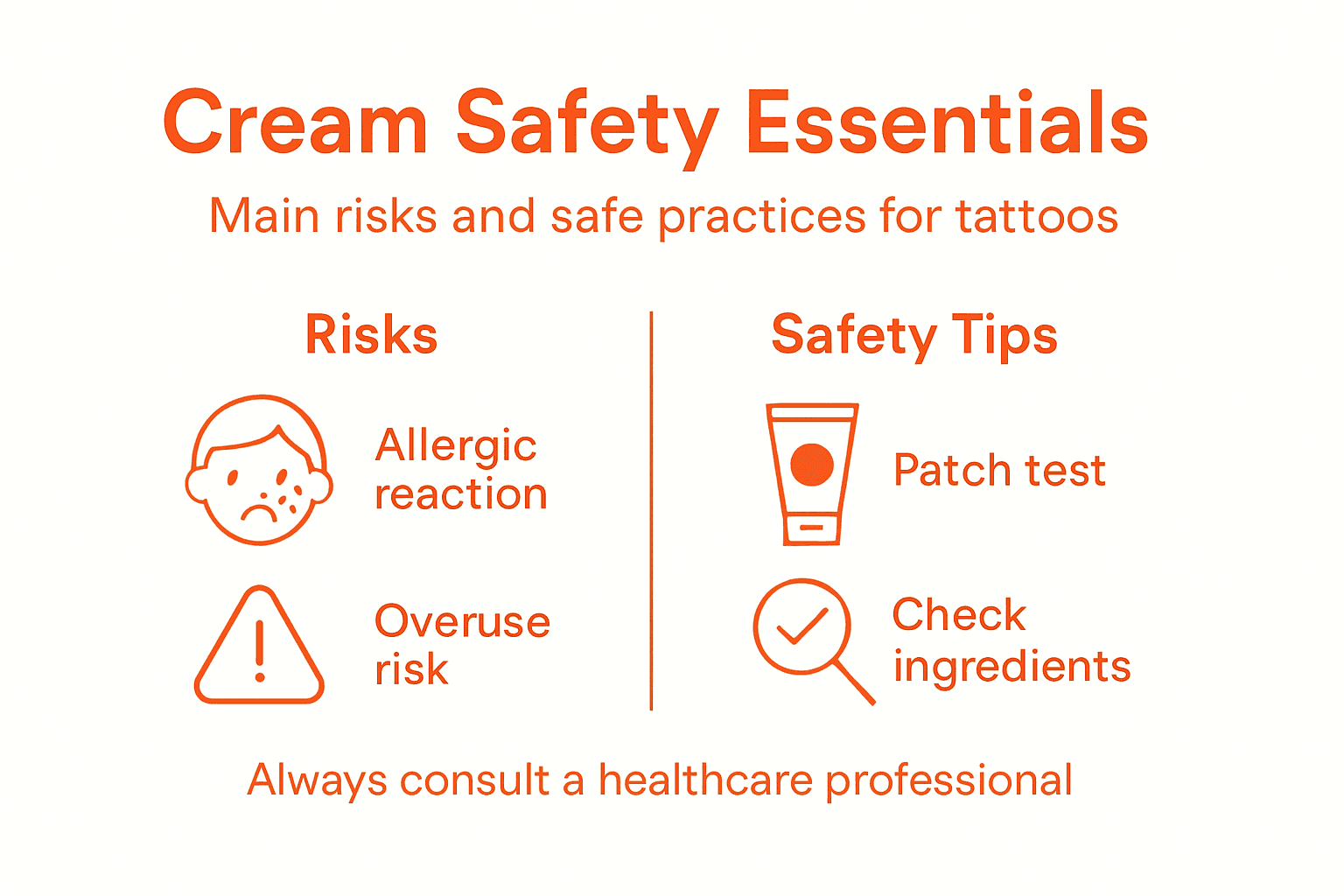
Pro tip: Always consult a healthcare professional and perform a patch test before using any numbing cream, especially if you have pre-existing medical conditions.
Common mistakes when using numbing creams
Tattoo numbing cream effectiveness relies heavily on proper application techniques and careful preparation. Anesthetic cream application errors can dramatically reduce pain management capabilities and potentially compromise skin health.
Most frequent mistakes in numbing cream application include:
-
Skin Preparation Errors
- Over-cleaning skin surface
- Applying on broken or damaged skin
- Removing natural protective skin oils
-
Timing and Application Issues
- Insufficient waiting period before procedure
- Inadequate cream coverage
- Uneven cream distribution
-
Dosage and Quantity Problems
- Over-application of product
- Using multiple numbing products simultaneously
- Not following manufacturer instructions
Proper anesthetic absorption techniques require precise attention to detail. Practitioners recommend allowing 20-60 minutes for complete skin numbing, ensuring optimal pain reduction during tattoo procedures.
Medical professionals emphasize understanding nuanced application requirements:
- Check skin integrity before application
- Follow exact manufacturer instructions
- Use recommended cream quantity
- Allow sufficient absorption time
- Monitor skin reaction during application
Incorrect numbing cream application can transform a simple tattoo experience into a potentially risky procedure.
Understanding these common pitfalls helps tattoo enthusiasts make informed decisions about pain management strategies and personal skin health.
Pro tip: Always perform a small patch test 24 hours before your tattoo to confirm no adverse skin reactions.
Experience Safe and Effective Tattoo Pain Relief with Trusted Numbing Creams
Navigating the risks of anesthetic creams for tattoos requires choosing products with proven safety and powerful pain-blocking ingredients like Lidocaine. Your tattoo experience should be comfortable without worrying about allergic reactions or improper application. At Buy TKTX, we specialize in providing premium numbing creams like TKTX and Dermacain that guarantee up to 3 hours of effective pain relief while adhering to strict European safety standards. Enjoy peace of mind with our customer satisfaction guarantee and free shipping on orders over 30 Euro.

Don’t take chances with your skin or pain management. Visit https://buytktx.online now to secure high-quality anesthetic creams designed to reduce discomfort safely during your tattoo sessions. Make your next tattoo a pain-free experience by ordering from trusted brands with reliable protection and full support. Act now and prepare for your tattoo with confidence!
Frequently Asked Questions
What are the main ingredients in tattoo numbing creams?
Tattoo numbing creams typically contain active ingredients such as lidocaine, benzocaine, prilocaine, pramoxine, and phenol, each offering varying levels of pain relief. Lidocaine is the most common and is usually present in concentrations of 4-5%.
How can I ensure the safety of anesthetic creams for tattoo use?
To ensure safety, review the ingredient list for potential allergens, conduct a patch test 24-48 hours prior to application, consult with a healthcare provider, and adhere to proper application techniques as outlined by the manufacturer.
What are the potential side effects of using anesthetic creams improperly?
Improper use of anesthetic creams can lead to local skin reactions, such as redness and inflammation, as well as systemic risks like cardiovascular irregularities and neurological symptoms. Always follow application guidelines to avoid these complications.
How long before my tattoo session should I apply numbing cream?
Apply the numbing cream 30-45 minutes before your tattoo session. This allows sufficient time for the cream to numb the skin effectively, enhancing your comfort during the procedure.


