

Finding real comfort while getting a tattoo can be challenging for both enthusiasts and artists across Central Europe. Many people seek ways to manage pain, and numbing creams like TKTX and Dermacain have become trusted options. With active ingredients such as lidocaine, these creams temporarily block nerve signals in the skin to provide noticeable relief. This guide gives clear insight into how numbing creams work, which ingredients matter, and what to consider for safe and effective pain management during your next tattoo session.
Table of Contents
- Core Ingredients In Numbing Creams Explained
- Types Of Anesthetics Used In Tattoo Numbing
- How Numbing Creams Block Tattoo Pain Signals
- Safety, Application, And Legal Regulations In Europe
- Common Myths And Risks To Avoid
Key Takeaways
| Point | Details |
|---|---|
| Active Ingredients | Lidocaine, Prilocaine, and Benzocaine are the primary anesthetics used in numbing creams, aiding pain relief during procedures. |
| Application Considerations | Factors such as concentration, skin sensitivity, and application technique significantly affect the effectiveness of numbing creams. |
| Regulatory Compliance | European regulations enforce strict guidelines on ingredient concentrations and safety testing for consumer protection. |
| Common Misconceptions | Misunderstandings about numbing creams can lead to health risks; awareness of their limitations is essential for safe use. |
Core Ingredients in Numbing Creams Explained
Numbing creams are specialized topical formulations designed to block pain signals during invasive procedures like tattooing. These products rely on specific active ingredients that temporarily interrupt nerve signal transmission, providing critical pain relief for individuals seeking comfortable tattoo experiences.
The primary active ingredients in most numbing creams include:
- Lidocaine: The most common local anesthetic, typically used at 5% concentration to effectively block nerve signals
- Prilocaine: An alternative local anesthetic that provides similar pain-blocking effects
- Benzocaine: Another nerve signal interrupting compound used in some formulations
These active ingredients work by temporarily preventing pain receptors in the skin from transmitting signals to the brain. Numbing creams create a local nerve block that reduces sensory perception, allowing individuals to undergo potentially painful procedures with minimal discomfort.
The effectiveness of these creams depends on several factors, including:
- Concentration of active ingredients
- Individual skin sensitivity
- Application technique
- Duration of effect (typically 20-90 minutes)
Supporting Ingredients like benzyl alcohol, propylene glycol, and vitamin E acetate help enhance the cream’s performance by:
- Improving skin absorption
- Providing preservation
- Controlling cream viscosity
- Offering antioxidant protection
Pro tip: Always perform a small patch test before full application to check for potential allergic reactions and ensure skin compatibility.
Types of Anesthetics Used in Tattoo Numbing
Tattoo artists and clients rely on various topical anesthetics to minimize pain during tattoo sessions. Local anesthetics play a crucial role in creating a more comfortable tattooing experience by temporarily blocking nerve signals and reducing sensory perception.
The most common types of anesthetics used in tattoo numbing creams include:
- Lidocaine: The gold standard of numbing agents, providing fast and effective pain relief
- Prilocaine: A secondary anesthetic with similar nerve-blocking properties
- Benzocaine: An alternative numbing compound used in some specialized formulations
Tattoo numbing cream solutions typically combine these anesthetics with additional supporting ingredients to enhance absorption and effectiveness. Each anesthetic works through a similar mechanism, interrupting pain signals between nerve receptors and the brain.
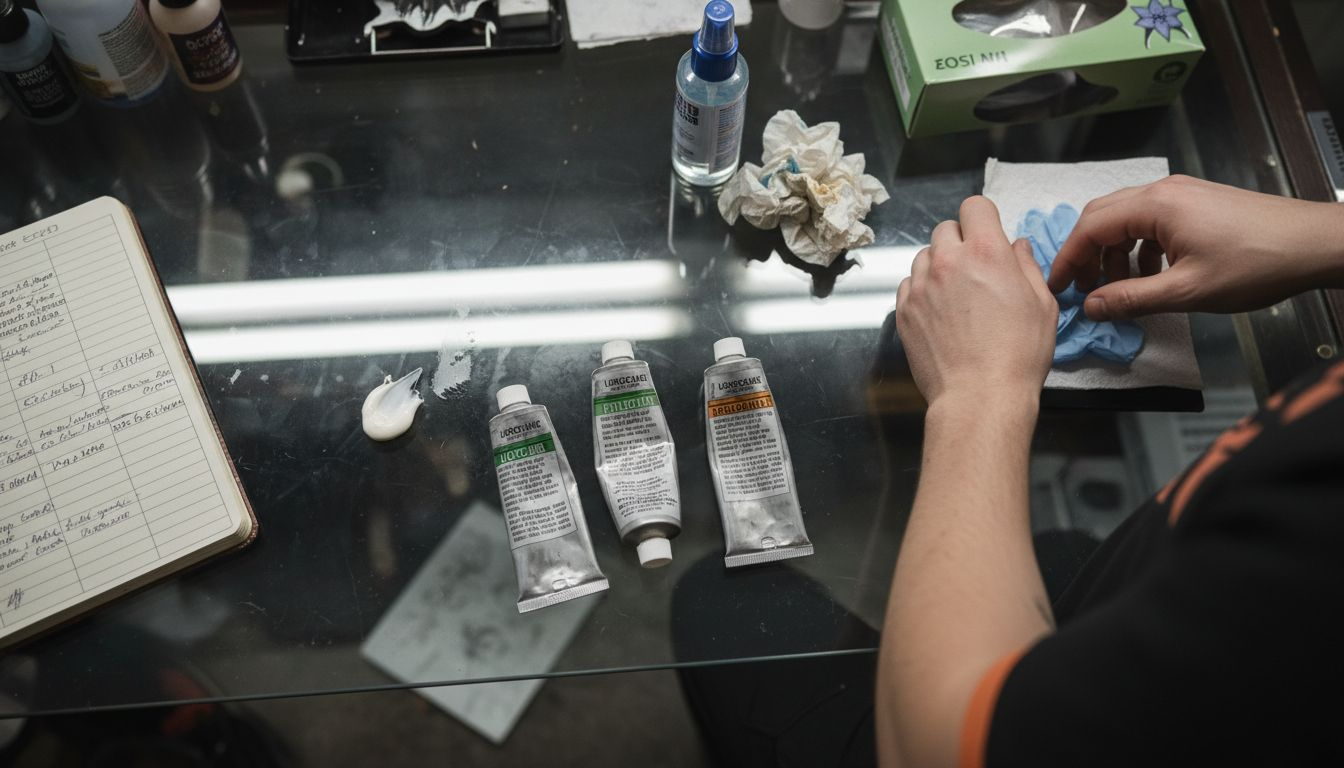
Here’s a quick comparison of popular anesthetic ingredients found in tattoo numbing creams:
| Ingredient | Chemical Class | Onset of Action | Typical Usage Scenario |
|---|---|---|---|
| Lidocaine | Amino Amide | 10-20 minutes | Most tattoo procedures |
| Prilocaine | Amino Amide | 10-15 minutes | Sensitive skin types |
| Benzocaine | Amino Ester | 5-10 minutes | Small areas, fast relief |
| Procaine | Amino Ester | 2-5 minutes | Alternative formulations |
The classification of these anesthetics can be broken down into several key categories:
- Amino Ester Anesthetics
- Benzocaine
- Procaine
- Amino Amide Anesthetics
- Lidocaine
- Prilocaine
- Mepivacaine
Concentration Levels are critical in determining the effectiveness of numbing creams. Most professional-grade tattoo numbing products contain:
- 4-5% active anesthetic ingredient
- Balanced formulation to prevent skin irritation
- Controlled release mechanisms
Pro tip: Consult with your tattoo artist about the most appropriate numbing cream for your specific skin type and tattoo procedure.
How Numbing Creams Block Tattoo Pain Signals
Numbing creams are sophisticated scientific solutions designed to interrupt the body’s natural pain transmission process. Nerve signal blocking mechanisms work at a microscopic cellular level, preventing pain perception during tattoo procedures.
The pain-blocking process involves several critical steps:
- Penetration: Active ingredients enter the skin’s nerve endings
- Channel Blocking: Anesthetics interrupt sodium ion channels
- Signal Interruption: Electrical pain impulses are prevented from reaching the brain
- Temporary Numbness: Localized area becomes temporarily desensitized
At the cellular level, voltage-gated sodium channels play a crucial role in pain signal transmission. When local anesthetic agents interact with these channels, they effectively create a barrier that stops sodium ions from generating electrical impulses responsible for pain sensation.
The blocking mechanism can be understood through three primary stages:
- Topical Application
- Cream penetrates skin surface
- Active ingredients target nerve endings
- Molecular Interaction
- Anesthetics bind to sodium channels
- Prevent ion movement
- Signal Interruption
- No pain signals reach the brain
- Temporary numbness occurs
Mechanism of Action involves precise molecular interactions that temporarily disable pain signal transmission. The anesthetic compounds prevent nerve cells from generating and conducting electrical impulses, creating a localized pain-free zone.
Numbing creams provide a scientifically engineered solution to interrupt pain signals at their source, offering a controlled and predictable pain management approach.
Pro tip: Always test a small skin area for potential allergic reactions before full application during tattoo preparation.
Safety, Application, and Legal Regulations in Europe
Navigating the complex landscape of numbing cream regulations requires understanding the stringent European guidelines designed to protect consumer safety. Safety evaluation protocols in the European Union represent a comprehensive approach to managing topical anesthetic products.
Key regulatory considerations for numbing creams in Europe include:
- Ingredient Concentration: Strict limits on active anesthetic percentages
- Safety Testing: Mandatory comprehensive testing protocols
- Medical Oversight: Required professional guidelines for application
- Consumer Protection: Rigorous labeling and information requirements
The European regulatory framework emphasizes multiple layers of protection for consumers. Medical-grade standards mandate detailed ingredient disclosure, maximum concentration limits, and explicit application instructions to minimize potential risks associated with numbing cream usage.
Legal compliance involves several critical steps:
- Ingredient Verification
- Confirm approved anesthetic compounds
- Validate concentration levels
- Safety Documentation
- Maintain comprehensive product safety records
- Provide detailed user instructions
- Regulatory Compliance
- Meet European Union cosmetic product standards
- Undergo periodic safety reassessments
European regulations prioritize consumer safety through systematic testing, alternative evaluation methods, and comprehensive risk assessment protocols.
Market Dynamics in Europe reflect these stringent regulatory requirements. Tattoo numbing cream markets must navigate complex legal frameworks that balance product effectiveness with consumer protection.
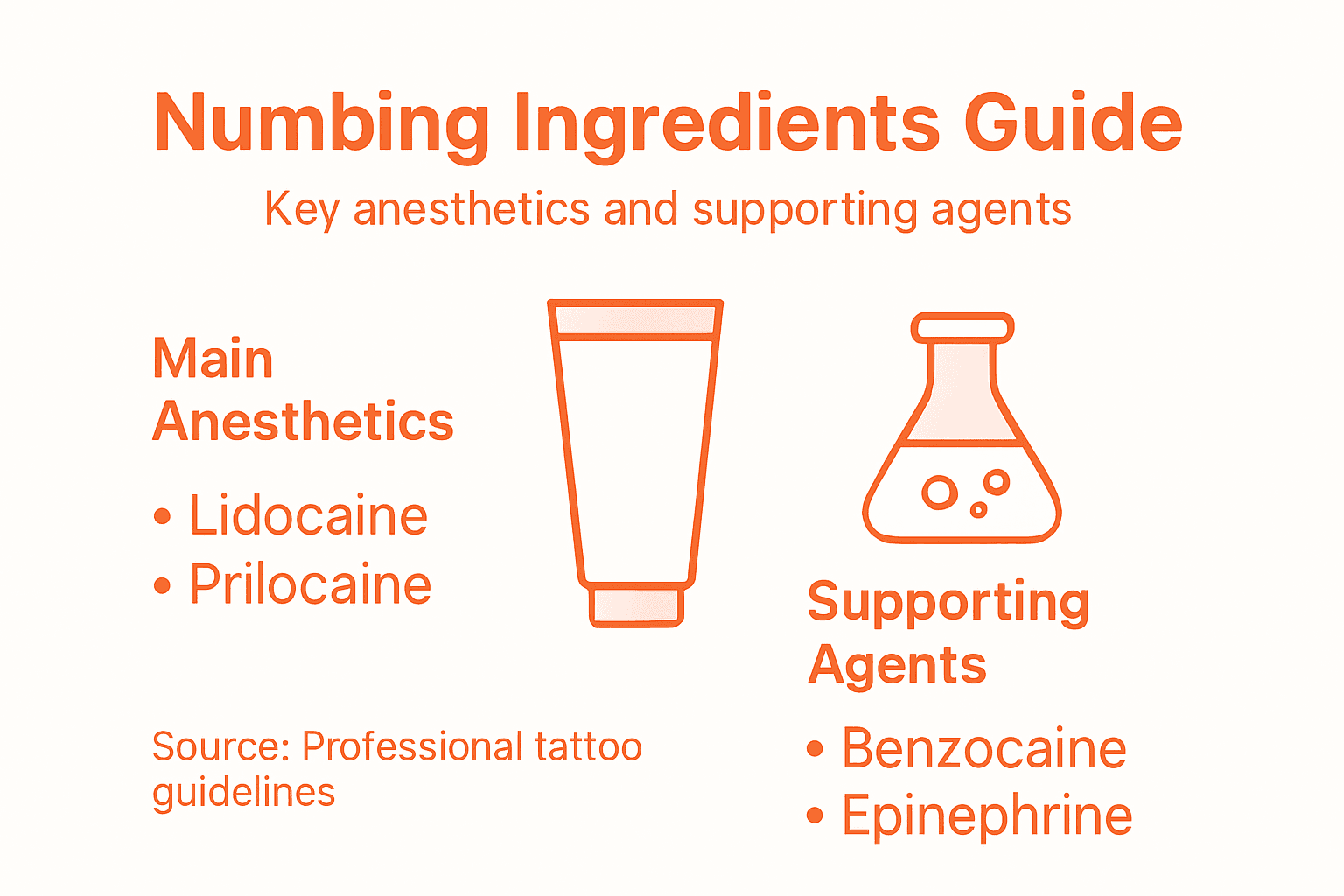
For quick reference, below is a summary of EU safety and legal requirements for tattoo numbing creams:
| Requirement | Description | Consumer Impact |
|---|---|---|
| Max Concentration | Strict limits on anesthetic levels | Reduces overdose risk |
| Labeling Standards | Full ingredient disclosure and warnings | Ensures informed use |
| Safety Testing | Mandatory pre-market product evaluation | Enhances safety |
| Medical Oversight | Professional guidelines for application | Minimizes misuse |
Pro tip: Always verify the current regulatory status and recommended usage guidelines for numbing creams with local health authorities before application.
Common Myths and Risks to Avoid
Numbing creams have become increasingly popular among tattoo enthusiasts, but misconceptions about their use can lead to potential health risks. Numbing cream misconceptions often create dangerous assumptions about their application and effectiveness.
Common myths about tattoo numbing creams include:
- Instant Pain Elimination: Numbing creams do not provide 100% pain relief
- Universal Effectiveness: Different skin types respond differently to anesthetics
- No Side Effects: Potential reactions and allergic responses are possible
- Unlimited Application: Overuse can lead to serious health complications
The most significant risks associated with numbing cream misuse involve potential allergic reactions and improper application. Systemic absorption can occur if the cream is applied incorrectly or used in excessive quantities, potentially leading to more serious health complications.
Key risks to be aware of include:
- Allergic Reactions
- Skin irritation
- Potential systemic allergic responses
- Improper Application
- Incorrect dosage
- Extended exposure
- Medical Interactions
- Potential conflicts with existing medications
- Individual health conditions
Proper research and consultation with healthcare professionals are essential before using any topical numbing product.
Understanding the limitations of numbing creams is crucial for safe tattoo experiences. Individual factors such as skin sensitivity, existing medical conditions, and personal health history play significant roles in determining the appropriate and safe use of these products.
Pro tip: Consult with a healthcare professional and perform a patch test at least 24 hours before your tattoo to identify potential adverse reactions.
Experience True Pain Relief with Trusted Numbing Creams for Tattoos
Understanding the role of active ingredients like Lidocaine and Prilocaine is essential when aiming for a pain-free tattoo experience. The challenge of managing discomfort during tattooing calls for a reliable numbing solution that works deeply to block pain signals and provides lasting relief up to three hours, just as explained in the article.
At BuyTKTX Online, we offer professional-grade TKTX and Dermacain numbing creams designed specifically for tattoo pain management. Our creams combine effective anesthetic concentrations with skin-safe formulations ensuring fast and controlled numbness while respecting European safety standards. You can shop with confidence knowing that your satisfaction is guaranteed or your money back.
Make your tattoo session more comfortable today. Discover the power of scientifically backed numbing creams at BuyTKTX Online and learn more about controlling tattoo pain in our Tattoo Numbing Cream Solutions.

Choose comfort over pain and order now to enjoy free shipping on orders over 30 Euro. Trust the experts and take the first step toward a smooth, pain-free tattoo experience at BuyTKTX Online.
Frequently Asked Questions
What are the main active ingredients in numbing creams used for tattoos?
The main active ingredients in numbing creams for tattoos typically include Lidocaine, Prilocaine, and Benzocaine. These ingredients work by blocking nerve signals to provide pain relief during tattoo procedures.
How do numbing creams block pain signals during tattooing?
Numbing creams block pain signals by penetrating the skin and interrupting the sodium ion channels in nerve endings. This prevents electrical pain impulses from reaching the brain, resulting in temporary numbness in the area applied.
How long does the numbing effect from these creams last?
The numbing effect of these creams generally lasts between 20 to 90 minutes, depending on factors such as concentration of active ingredients and individual skin sensitivity.
Are there any risks or side effects associated with using numbing creams?
Yes, potential risks include allergic reactions, skin irritation, and improper application leading to systemic absorption. It is essential to perform a patch test and consult with a healthcare professional before full application.


