

Most tattoo artists in Central Europe know that even the best american-style numbing creams can fail if their pH is not carefully balanced. Roughly 80 percent of pain relief issues during tattoo sessions can be traced back to poor product formulation. This matters to anyone serious about comfort and safety. Understanding how pH influences numbing cream performance gives you an edge in choosing products that actually promise pain-free, irritation-free results.
Table of Contents
- Defining pH in Numbing Creams
- Types of pH Levels and Creams
- How pH Affects Cream Efficacy
- Risks of Unbalanced pH Formulas
- Best Practices for Choosing pH-Safe Creams
Key Takeaways
| Point | Details |
|---|---|
| pH Balance is Critical | Proper pH levels (4.5 - 6.5) in numbing creams significantly enhance pain management effectiveness and skin compatibility during tattoo procedures. |
| Ingredient Impact | Active ingredients like Lidocaine work best at optimal pH, affecting absorption and performance to ensure reduced pain and irritation. |
| Risks of pH Imbalance | Unbalanced pH can disrupt skin barriers, increase inflammation, and reduce anesthetic effectiveness, highlighting the need for careful product selection. |
| Best Practices for Selection | Always verify pH, seek ingredient transparency, conduct patch tests, and consult professionals to ensure safe usage of numbing creams. |
Defining pH in Numbing Creams
Understanding pH in numbing creams is essential for tattoo enthusiasts seeking optimal pain management during their artistic experiences. pH represents the chemical measurement of acidity or alkalinity that critically impacts how topical anesthetic formulations interact with human skin.
In the context of tattoo numbing creams, pH plays a sophisticated role beyond simple chemical measurements. The precise pH balance determines how active ingredients like lidocaine are absorbed and function within skin layers. Most professional numbing creams maintain a pH range slightly below 7 (neutral), which allows the active compounds to penetrate effectively without causing unnecessary skin irritation.
The biochemical interactions between numbing cream ingredients and skin are intricate. A carefully calibrated pH helps preserve the skin’s natural protective barrier while enabling rapid anesthetic absorption. This delicate balance means that creams with inappropriate pH levels might result in:
- Reduced pain relief effectiveness
- Potential skin inflammation
- Slower absorption of numbing agents
- Compromised skin protective mechanisms
pH Considerations Matter: Tattoo artists and clients should recognize that not all numbing creams deliver identical performance. The chemical composition and pH balance significantly influence the cream’s ability to provide comfortable, safe pain management during tattoo procedures.
Pro tip: When selecting a numbing cream, always check the product’s pH level and confirm it falls within the 4.5 to 6.5 range for optimal skin compatibility and anesthetic performance.
Types of pH Levels and Creams
Numbing creams for tattoos exhibit diverse pH levels that significantly impact their effectiveness and skin interaction. Lidocaine and benzocaine based creams represent two primary categories with distinct pH characteristics, each offering unique performance profiles for pain management during tattoo procedures.
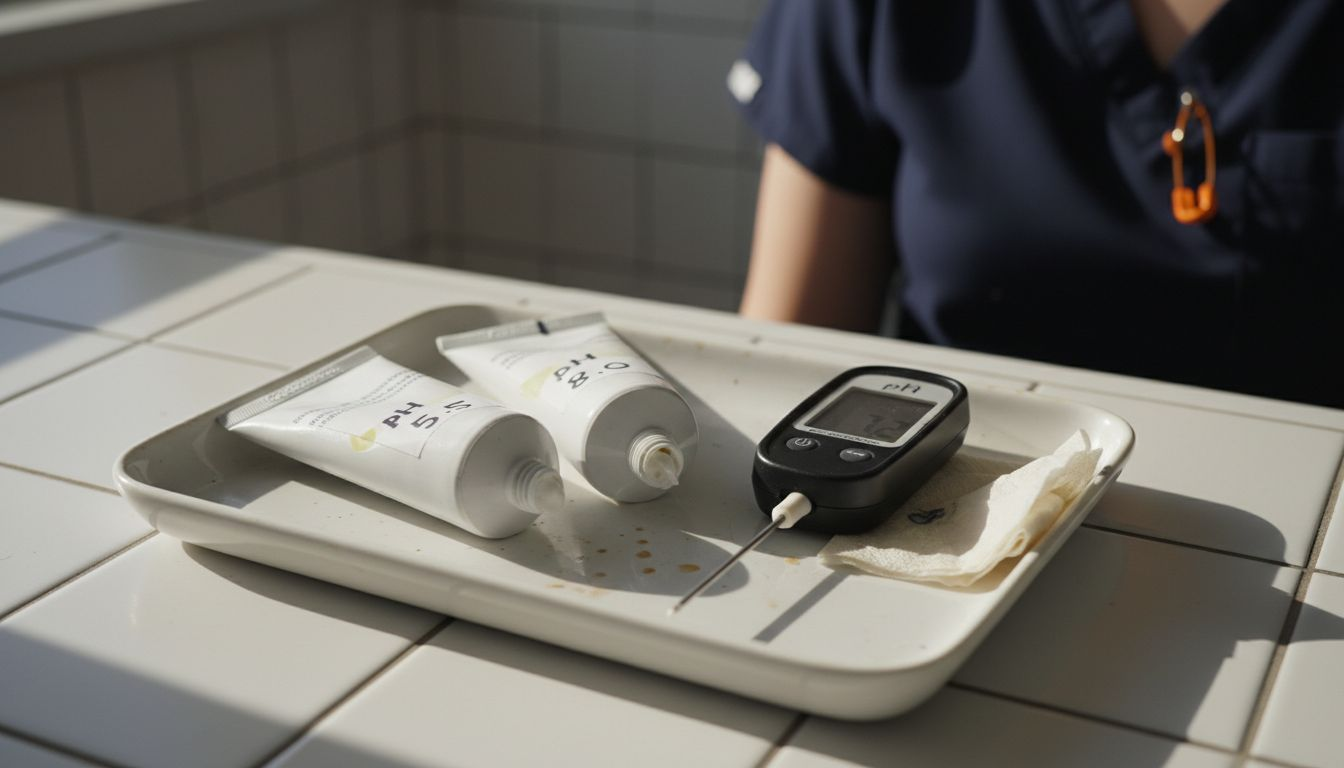
Prescription and over-the-counter numbing creams demonstrate varied pH formulations that directly influence their anesthetic capabilities. Lidocaine creams typically maintain an acidic pH range between 4.5 and 6.5, which optimizes active ingredient absorption and minimizes potential skin irritation. Benzocaine creams, conversely, often have less consistent pH profiles that can impact their overall efficacy.
The primary pH categories for tattoo numbing creams include:
-
Acidic pH Range (4.5 - 6.5): Ideal for most professional numbing creams
- Most effective skin penetration
- Minimal skin irritation
- Optimal lidocaine performance
-
Neutral pH (7.0): Less common in professional formulations
- Reduced active ingredient effectiveness
- Potential slower absorption
-
Alkaline pH (Above 7.0): Generally avoided in professional numbing creams
- Higher risk of skin inflammation
- Compromised anesthetic performance
Performance Matters: Understanding these pH variations helps tattoo artists and clients select the most appropriate numbing cream for their specific needs and skin sensitivity.
Pro tip: Always request pH information from the numbing cream manufacturer and prefer creams with a slightly acidic pH between 5.0 and 6.0 for optimal tattoo pain management.
Here’s a comparison of common numbing cream active ingredients and their typical pH considerations:
| Active Ingredient | Typical pH Range | Skin Compatibility | Absorption Rate |
|---|---|---|---|
| Lidocaine | 4.5–6.5 | Highly compatible | Fast |
| Benzocaine | 5.0–8.0 | Varies, less predictable | Moderate |
| Prilocaine | 5.0–6.5 | Good for sensitive skin | Fast |
| Tetracaine | 4.5–5.5 | Suitable for most users | Rapid |
How pH Affects Cream Efficacy
pH plays a critical role in determining the overall performance and effectiveness of numbing creams, particularly in the context of tattoo pain management. The chemical environment created by pH levels directly influences how active anesthetic ingredients interact with skin tissues, ultimately impacting the cream’s ability to provide reliable pain relief.
The molecular behavior of anesthetic compounds like lidocaine is fundamentally tied to pH variations. When a numbing cream maintains an optimal acidic pH range, the active ingredients remain ionized and stable, which ensures:
- Faster onset of numbness
- More consistent pain blocking
- Improved molecular penetration
- Reduced potential for skin irritation
- Enhanced absorption through skin layers
The biochemical mechanism behind pH efficacy is intricate. Lidocaine and other anesthetic molecules function most effectively when they can easily pass through skin membranes, a process significantly influenced by the cream’s pH balance. Creams that deviate from the ideal 4.5 to 6.5 pH range may experience reduced performance, potentially leaving tattoo clients more vulnerable to discomfort during their artistic procedure.
Precision Matters: Understanding the delicate pH balance helps tattoo professionals and clients select numbing creams that provide maximum pain management with minimal skin disruption.
Pro tip: Invest in pH testing strips to verify your numbing cream’s acidity and ensure optimal anesthetic performance before your tattoo session.
Risks of Unbalanced pH Formulas
Unbalanced pH in numbing creams can pose significant risks to skin health and tattoo procedure outcomes, creating potential complications that extend far beyond simple discomfort. When a topical anesthetic’s chemical composition deviates from the optimal acidic range, multiple physiological reactions can compromise both skin integrity and pain management effectiveness.
The primary risks associated with pH imbalance in numbing creams include:
- Skin Barrier Disruption: Extreme pH levels can break down protective skin layers
- Increased Inflammation: Inappropriate pH triggers inflammatory immune responses
- Reduced Anesthetic Effectiveness: Molecular instability prevents proper pain blocking
- Allergic Reactions: Chemical imbalances may provoke unexpected immunological responses
- Potential Permanent Skin Damage: Prolonged exposure to incorrect pH can alter skin microenvironment
Chemical interactions between numbing cream ingredients and skin are delicately balanced. Creams with pH levels significantly above or below the skin’s natural 5.5 range can cause molecular changes that prevent effective anesthetic absorption. This means tattoo clients might experience unexpected pain, increased sensitivity, or even temporary skin trauma during their artistic procedure.
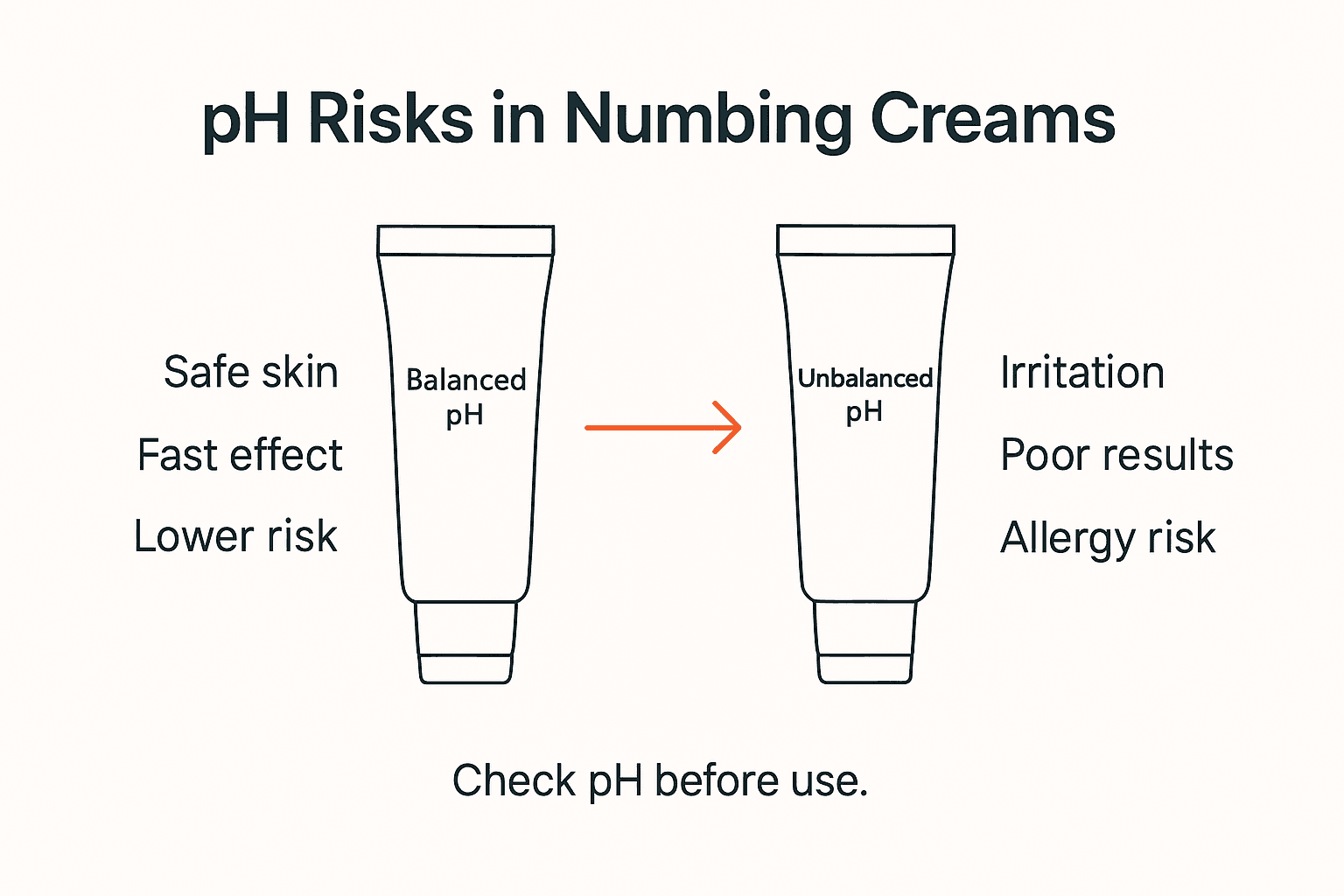
Safety First: Understanding the potential risks of pH imbalance helps tattoo enthusiasts make informed decisions about numbing cream selection and application.
Pro tip: Always perform a small patch test with a new numbing cream to check for potential skin reactions and verify its pH compatibility before a full tattoo session.
Best Practices for Choosing pH-Safe Creams
Selecting the right pH-balanced numbing cream requires a strategic approach to ensure optimal skin protection and anesthetic effectiveness. Tattoo enthusiasts must understand the critical factors that contribute to a safe and reliable topical anesthetic selection process, focusing on chemical composition and skin compatibility.
When evaluating numbing creams, consider these essential selection criteria:
- pH Range Verification: Prioritize creams with pH levels between 4.5 and 6.5
- Ingredient Transparency: Seek products with clear, detailed ingredient listings
- Professional Recommendations: Consult tattoo artists and dermatology experts
- Skin Sensitivity Assessment: Consider individual skin type and potential reactions
- Certification and Testing: Look for clinically tested and approved formulations
The primary goal is finding a numbing cream that mimics the skin’s natural acidic environment while providing effective pain management. Professional-grade creams typically demonstrate superior performance through carefully balanced chemical formulations that minimize potential adverse reactions. Tattoo clients should approach product selection as a personalized process, understanding that individual skin responses can vary significantly.
Quality Matters: Investing time in researching and selecting the right pH-balanced numbing cream can dramatically improve the overall tattoo experience and minimize potential skin complications.
Pro tip: Request product pH documentation from manufacturers and perform a small patch test 24 hours before your tattoo to confirm personal skin compatibility.
This summary highlights best practices to ensure safe and effective pH-balanced numbing cream selection:
| Selection Factor | Why It Matters | Professional Tip |
|---|---|---|
| Target pH Range | Prevents irritation, boosts effect | Aim for 4.5–6.5 at all times |
| Ingredient Transparency | Avoids allergens, ensures safety | Read the full product label |
| Patch Testing | Ensures personal skin compatibility | Test 24 hours before tattoo |
| Certification/Testing | Confirms clinical safety | Choose dermatologist-approved |
| Professional Guidance | Reduces risk of adverse reactions | Ask your tattoo artist or doctor |
Achieve Optimal Tattoo Comfort with pH-Balanced Numbing Creams
Understanding how pH influences numbing cream effectiveness is crucial for anyone wanting a pain free tattoo experience. The article highlights that creams with an acidic pH between 4.5 and 6.5 maximize anesthetic absorption while protecting your skin. If you are concerned about reduced pain relief, skin irritation, or slower absorption caused by unbalanced pH formulas, selecting the right product becomes your priority.

Choose from trusted brands like TKTX and Dermacain available across Europe at BuyTKTX Online. Our guaranteed formulations provide up to 3 hours of reliable numbness, ensuring a more comfortable tattoo process without skin damage. With free shipping on orders over 30 Euro and our money back guarantee with product returns, you get risk free pain management tailored to your skin’s natural pH balance. Explore our collection now and experience the difference a pH safe numbing cream makes at BuyTKTX Online.
Start your painless tattoo journey today by visiting https://buytktx.online where expert recommended creams meet your skin’s needs.
Frequently Asked Questions
What is the ideal pH range for numbing creams used in tattoos?
The ideal pH range for numbing creams used in tattoos is between 4.5 and 6.5, which helps optimize skin compatibility and the effectiveness of active anesthetic ingredients.
How does pH affect the absorption of numbing creams?
The pH level influences how anesthetic compounds like lidocaine remain ionized and stable, leading to better absorption through the skin and faster onset of numbness.
What risks are associated with using numbing creams that have an unbalanced pH?
Unbalanced pH levels can lead to skin barrier disruption, increased inflammation, reduced anesthetic effectiveness, allergic reactions, and even potential permanent skin damage.
How can I select a pH-safe numbing cream for my tattoo?
To select a pH-safe numbing cream, verify its pH range (aim for 4.5-6.5), check ingredient transparency, consult professionals, perform a patch test for skin compatibility, and look for clinically tested products.


