

Most tattoo enthusiasts in Central Europe share a common goal with their American counterparts: minimizing pain without sacrificing a quality tattoo experience. More than half of first-time clients list pain as their top concern before getting inked. Reliable numbing solutions like TKTX and Dermacain are changing expectations for comfort at the studio. This quick guide gives you clear insights on how numbing creams reduce pain and what makes professional products a smart choice for a smoother tattoo session.
Table of Contents
- What Tattoo Numbing Creams Really Do
- How TKTX And Dermacain Work
- Numbing Cream Types And Application
- Common Concerns And Misconceptions
- Risks, Side Effects, And Safe Use
- Tattoo Numbing In European Regulations
Key Takeaways
| Point | Details |
|---|---|
| Pain Reduction | Tattoo numbing creams significantly reduce discomfort by blocking nerve signals, allowing for a more manageable tattooing experience. |
| Effectiveness Variation | The effectiveness of numbing creams varies by individual factors such as skin sensitivity and pain tolerance, so results may differ. |
| Application Precautions | Proper application techniques, such as performing patch tests and applying appropriate amounts, are crucial for safety and effectiveness. |
| Regulatory Awareness | In Europe, strict regulations govern tattoo numbing creams, emphasizing consumer safety and the need to verify product standards before use. |
What Tattoo Numbing Creams Really Do
Tattoo numbing creams are specialized anesthetic products designed to significantly reduce pain during tattoo sessions. These topical solutions work by strategically blocking nerve signals in the skin, creating a temporary barrier that prevents intense pain sensations. Comprehensive research from studio experts reveals how these creams function at a molecular level to minimize discomfort.
The primary mechanism involves specialized active ingredients like lidocaine, benzocaine, prilocaine, and tetracaine. These compounds penetrate skin layers and interact directly with nerve endings, effectively interrupting pain transmission pathways. By blocking nerve receptors, numbing creams create a localized anesthetic effect that dulls sensation without completely eliminating feeling. This means you’ll experience significantly reduced pain during tattooing while maintaining enough sensory awareness to communicate with your artist.
Numbing cream effectiveness varies widely based on individual factors. Skin thickness, pain tolerance, tattoo placement, and precise application technique all influence how well the product performs. Some individuals might experience near-total pain reduction, while others might only feel mild relief. Factors like hydration, skin sensitivity, and genetic pain response can dramatically impact the cream’s performance. Professional tattoo artists recommend testing the numbing cream beforehand and understanding your personal pain threshold.
Pro tip: Always perform a small patch test of numbing cream 24 hours before your tattoo to check for potential allergic reactions and assess individual sensitivity.
How TKTX and Dermacain Work
TKTX and Dermacain are advanced topical numbing creams specifically engineered to provide targeted pain relief during tattoo procedures. These specialized products utilize a sophisticated blend of anesthetic compounds designed to interrupt nerve signal transmission and create a localized numbing effect. Unlike standard over-the-counter pain relief solutions, these creams are formulated with precise concentrations of active ingredients to ensure maximum effectiveness and minimal skin irritation.
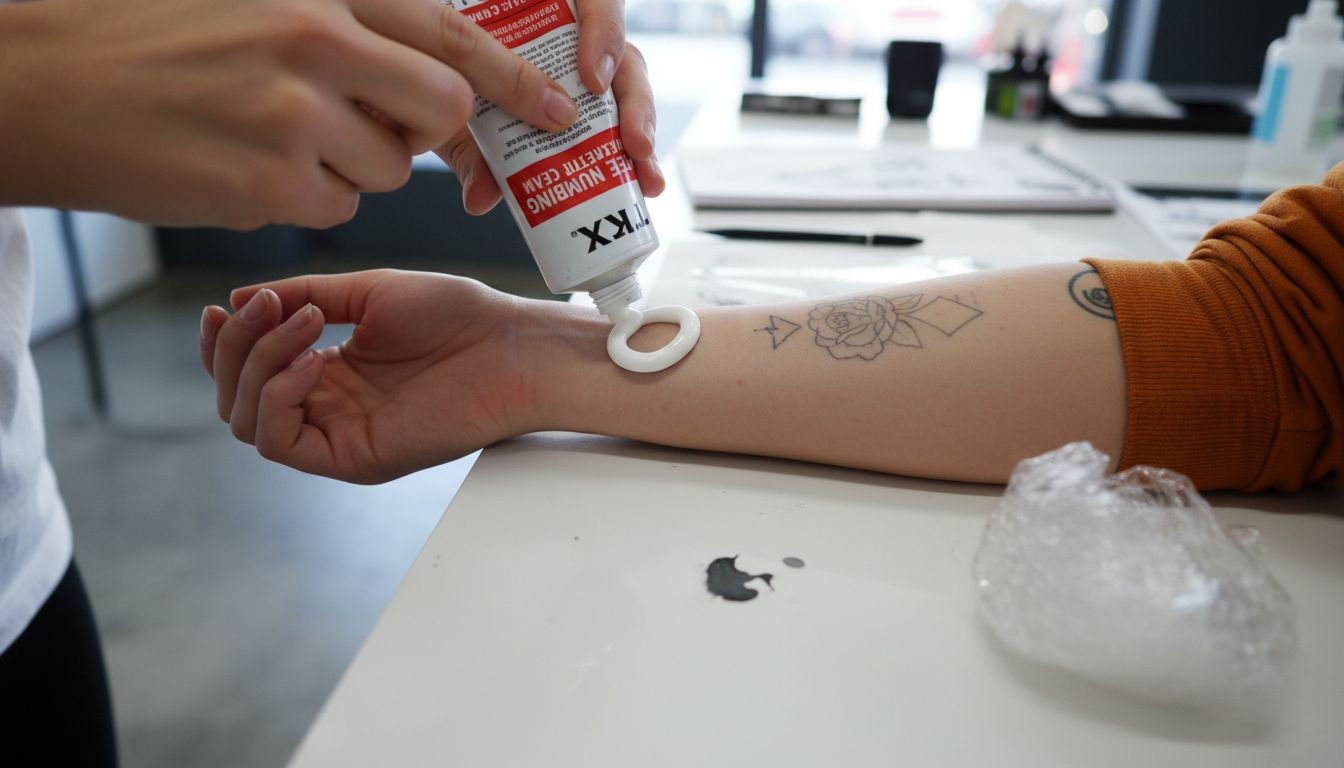
The core mechanism of these numbing creams involves multiple layers of pain intervention. Their primary active ingredients penetrate skin layers rapidly, blocking sodium channels in nerve receptors. This biochemical interruption prevents pain signals from being transmitted to the brain, effectively creating a temporary barrier against discomfort. The creams work by creating a localized anesthetic zone that reduces sensation without completely eliminating nerve responsiveness, allowing tattoo artists to maintain communication with clients during the tattooing process.
Unique to professional-grade numbing solutions like TKTX and Dermacain is their advanced delivery system. These creams contain specialized penetration enhancers that help active ingredients like lidocaine and prilocaine absorb more quickly and effectively into the skin. By using sophisticated molecular structures, the creams ensure a more uniform and longer-lasting numbing effect compared to traditional topical anesthetics. Some formulations also include additional skin-soothing ingredients like aloe vera or vitamin E to minimize potential irritation and support skin recovery.
Pro tip: Apply the numbing cream in a thick, even layer approximately 30-45 minutes before your tattoo session and cover with medical-grade plastic wrap to enhance absorption and effectiveness.
Numbing Cream Types and Application
Tattoo numbing solutions come in diverse formulations designed to address different pain management needs. Dermatologist recommendations reveal multiple product types, including creams, gels, sprays, and specialized patches. Each format offers unique advantages depending on tattoo size, location, and individual skin sensitivity. Water-based creams provide smooth application, while gels offer more concentrated delivery, and sprays enable quick, even coverage across larger skin areas.
Here’s a quick comparison of common tattoo numbing cream formats and when each is most suitable:
| Formulation Type | Best Use Scenario | Absorption Speed | Application Area |
|---|---|---|---|
| Cream | Small/medium tattoos, sensitive skin | Moderate | Focused zones |
| Gel | Highly detailed or longer sessions | Fast | Precise/direct zones |
| Spray | Large tattoos, quick coverage needed | Very fast | Broad skin areas |
| Patch | Controlled numbing for tiny tattoos | Slow | Small targeted areas |
The application process requires careful preparation and precise technique. Successful numbing cream usage involves several critical steps: thoroughly cleaning the skin, applying a generous and uniform layer of product, and creating an optimal absorption environment. Experts recommend covering the cream with medical-grade plastic wrap to enhance penetration and maximize numbing effectiveness. The standard application window ranges between 30 to 60 minutes before tattoo placement, with the duration allowing active ingredients sufficient time to interact with nerve receptors.
Active ingredients in numbing products typically include powerful anesthetic compounds like lidocaine, benzocaine, and prilocaine. These chemicals work by temporarily blocking sodium channels in nerve endings, creating a localized pain reduction zone. Concentration levels vary between products, directly impacting the duration and intensity of numbness. Most professional-grade numbing solutions provide pain relief lasting between 1 to 4 hours, though individual experiences can differ based on skin type, metabolism, and specific product formulation.
Pro tip: Always perform a small patch test 24 hours before your tattoo to verify skin compatibility and assess individual sensitivity to the numbing cream ingredients.
Common Concerns and Misconceptions
Mixed opinions within the tattoo community reveal numerous misconceptions about numbing creams that can create unnecessary anxiety for potential tattoo clients. One of the most prevalent myths is that these products guarantee a completely painless tattoo experience. In reality, numbing creams are designed to reduce pain, not eliminate it entirely. The effectiveness varies significantly based on individual skin sensitivity, pain tolerance, and precise application technique.
Tattoo artists and professionals often express concerns about potential side effects and complications. Some artists caution that numbing agents might alter skin reaction, potentially impacting tattoo placement and healing processes. The primary worry revolves around how these creams might modify skin texture, making it more challenging to apply ink consistently. Additionally, not all numbing products are medically approved for tattoo use, which raises important safety and regulatory questions that clients should carefully consider.
Another critical misconception involves the uniform effectiveness of numbing creams across different body areas and individuals. Factors like skin thickness, nerve density, and personal pain perception play significant roles in determining how well a numbing cream will work. Some people might experience substantial pain reduction, while others might find the effect minimal. Professional tattoo artists recommend open communication about pain management strategies and individual expectations to ensure the most comfortable and successful tattoo experience possible.
Pro tip: Discuss your specific concerns and skin characteristics with your tattoo artist before applying any numbing cream to ensure compatibility with their tattooing technique and your individual needs.
Risks, Side Effects, and Safe Use
Dermatologist recommendations emphasize the importance of careful numbing cream usage, highlighting potential risks that tattoo enthusiasts must understand. Numbing creams are generally safe when applied correctly, but they can produce a range of side effects varying from mild skin irritation to more serious allergic reactions. The most common immediate responses include localized redness, itching, and temporary skin sensitivity. These reactions typically result from individual skin chemistry and the specific formulation of the numbing product.
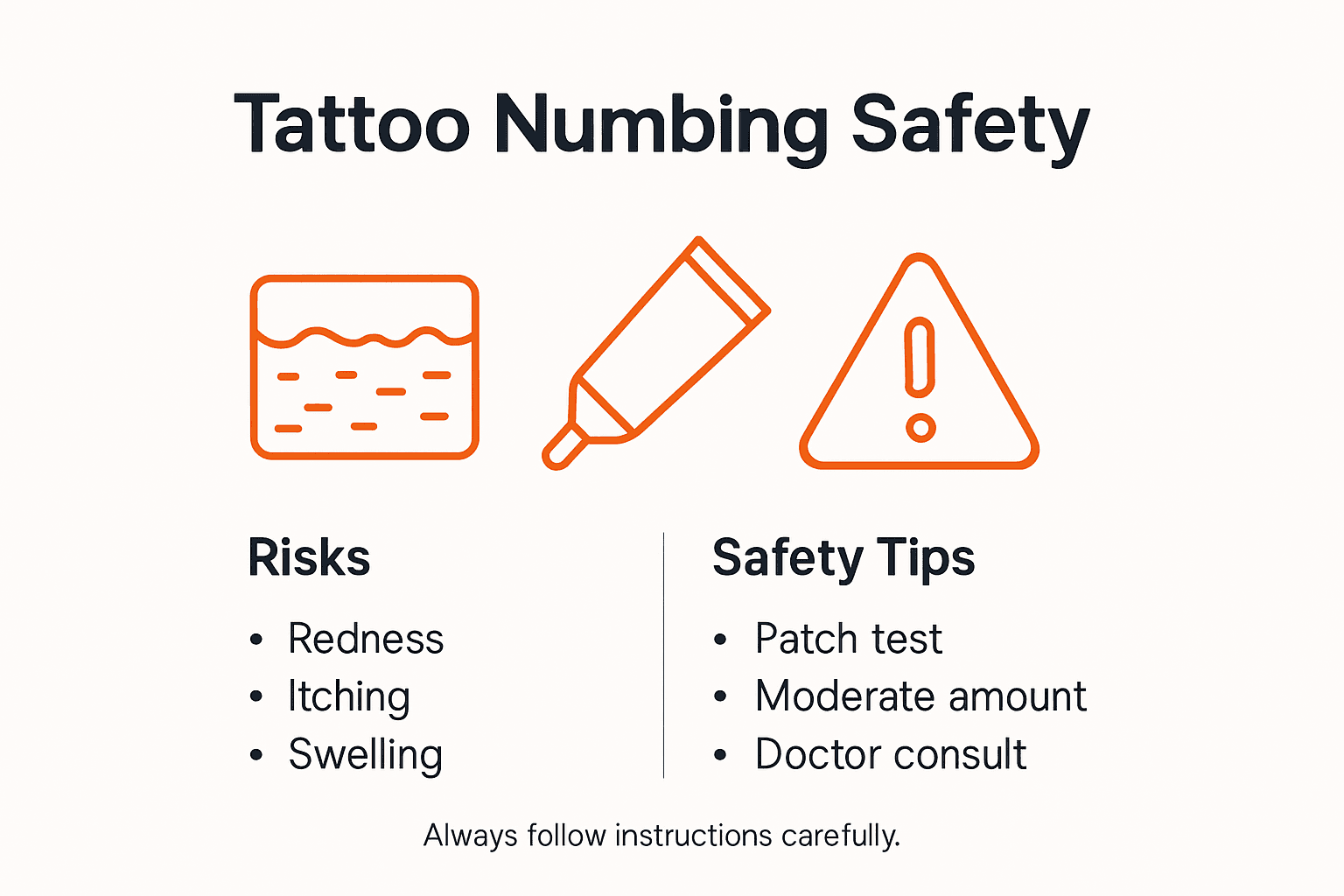
Systemic risks become more pronounced with improper application or excessive use. Overapplication can lead to potential complications such as skin absorption of higher-than-recommended anesthetic levels, which might cause temporary numbness beyond the intended area or, in rare cases, trigger more serious systemic reactions. Key risk factors include applying the cream on broken or damaged skin, using multiple products simultaneously, or exceeding recommended application quantities. Individuals with pre-existing skin conditions, allergies, or sensitive skin should exercise additional caution and consult healthcare professionals before use.
Safe application requires a methodical approach to minimize potential negative outcomes. This includes performing a comprehensive patch test at least 24 hours before tattoo application, carefully following manufacturer instructions, and avoiding application on irritated or compromised skin surfaces. Proper preparation involves thoroughly cleaning the target area, applying a thin and uniform layer of numbing cream, and monitoring skin response. Professional tattoo artists recommend communicating openly about any previous reactions or skin sensitivities to ensure a safe and comfortable tattooing experience.
This table summarizes major risks, safety tips, and recommended actions for numbing cream use:
| Potential Risk | Safety Precaution | Action if Reaction Occurs |
|---|---|---|
| Skin irritation | Perform patch test 24h before | Clean area, stop use |
| Allergic reaction | Review ingredient list carefully | Seek medical advice |
| Systemic absorption | Use correct dose, avoid broken skin | Contact healthcare provider |
| Delayed healing | Consult artist before use | Monitor skin closely |
Pro tip: Always keep a first-aid kit nearby and discontinue use immediately if you experience any unusual skin reactions or widespread irritation.
Tattoo Numbing in European Regulations
The European regulatory landscape for tattoo numbing products represents a complex and nuanced framework that prioritizes consumer safety and product transparency. Unlike less structured markets, European Union regulations mandate strict oversight of topical anesthetic products used in cosmetic and medical procedures. These regulations focus on ensuring that numbing creams meet rigorous standards for ingredient composition, safety testing, and potential health impacts before they can be legally marketed and sold across European countries.
Key regulatory considerations include comprehensive ingredient screening, maximum concentration limits for active anesthetic compounds, and mandatory toxicological assessments. Manufacturers must provide detailed documentation demonstrating that their numbing creams do not contain harmful substances and meet the European Chemical Agency (ECHA) guidelines. This involves extensive testing for potential allergenic components, skin irritation potential, and long-term systemic effects. Each product must undergo thorough evaluation to receive approval for commercial distribution, with special attention paid to protecting consumer health and preventing potential adverse reactions.
Different European countries maintain slightly varied interpretations of these overarching regulatory standards. Countries like Germany, France, and the Netherlands tend to implement particularly stringent review processes, requiring additional clinical documentation and proof of safety beyond basic EU requirements. Professional tattoo artists and consumers must remain informed about these nuanced regulatory differences, understanding that a product legally sold in one European country might face additional scrutiny or restrictions in another. This complex regulatory environment ensures a high level of consumer protection while maintaining flexibility for innovative pain management solutions in the tattoo industry.
Pro tip: Always verify the specific regulatory status of numbing creams in your particular European country before purchasing or using them for tattoo procedures.
Experience a Pain-Free Tattoo with Trusted Numbing Creams
Getting a tattoo can be an exciting but painful experience. This article explained how tattoo numbing creams like TKTX and Dermacain work by blocking nerve signals and reducing pain for up to three hours. If you worry about discomfort during your next tattoo session or want to manage your pain without risking skin irritation or ineffective products, you are not alone. Many tattoo enthusiasts face challenges such as finding the right concentration of anesthetic, ensuring proper application, and staying safe according to European regulations.
We offer genuine TKTX and Dermacain creams designed exactly to meet those concerns. Our products guarantee effective, long-lasting numbing that helps you enjoy your tattoo session with significantly less pain and no compromise to skin health. With free shipping on orders over 30 Euro and a customer satisfaction guarantee, you have every reason to shop with confidence at https://buytktx.online.

Don’t let fear of pain hold you back from your next tattoo. Discover the professional-grade relief trusted by many throughout Europe. Visit our landing page now to order your TKTX or Dermacain numbing cream. Take control of your tattoo experience today with proven pain relief from TKTX and Dermacain. Your skin deserves the best care and your comfort matters to us.
Frequently Asked Questions
What are tattoo numbing creams and how do they work?
Tattoo numbing creams are specialized anesthetic products that significantly reduce pain during tattoo sessions. They block nerve signals in the skin using active ingredients like lidocaine and prilocaine, creating a localized numbing effect without completely eliminating sensation.
How effective are tattoo numbing creams?
The effectiveness of tattoo numbing creams varies based on factors such as skin thickness, pain tolerance, and application technique. Some individuals may experience significant pain reduction, while others may feel only mild relief. Testing the cream on a small patch of skin beforehand is recommended to gauge personal sensitivity.
How should I apply tattoo numbing cream for best results?
For optimal results, apply a thick, even layer of numbing cream 30-45 minutes before your tattoo session and cover it with medical-grade plastic wrap. This enhances absorption and effectiveness, allowing the active ingredients to penetrate the skin properly.
Are there risks or side effects associated with using tattoo numbing creams?
Yes, while generally safe when used correctly, tattoo numbing creams can cause side effects like localized redness, itching, and allergic reactions. It’s important to perform a patch test 24 hours before use and consult with a healthcare professional if you have pre-existing skin conditions or concerns.


