

Most American tattoo clients are surprised to learn that over 80 percent experience different numbing cream results depending on their skin type. This matters because each person’s skin reacts uniquely to pain management, directly shaping both comfort and tattoo quality. Understanding skin characteristics gives tattoo artists a clear edge, revealing exactly how to match techniques and products for safer sessions, faster healing, and better results tailored to every client.
Table of Contents
- Defining Skin Types And Their Key Characteristics
- How Skin Types Influence Numbing Cream Absorption
- Best Numbing Cream Practices For Each Skin Type
- Common Issues And Mistakes When Numbing Different Skin Types
- Comparing TKTX And Dermacain Results By Skin Type
Key Takeaways
| Point | Details |
|---|---|
| Understanding Skin Types is Essential | Accurate assessment of skin types informs tattoo techniques and healing protocols, ensuring optimal results. |
| Numbing Cream Application Varies by Skin Type | Tailored application strategies are crucial, as absorption rates differ significantly among skin types. |
| Common Mistakes Can Compromise Results | Avoid over-application and neglecting skin preparation to minimize complications and enhance comfort during procedures. |
| Product Performance Differs Across Skin Types | Numbing creams like TKTX and Dermacain exhibit varying efficacy based on skin characteristics, necessitating personalized approaches. |
Defining Skin Types And Their Key Characteristics
Understanding skin types goes far beyond simple cosmetic considerations. Professional tattoo artists recognize that skin morphological characteristics profoundly impact the tattooing process, healing outcomes, and overall client experience.
Skin types are fundamentally categorized based on multiple physiological factors, with key distinguishing features including stratum corneum hydration, sebum production, pigmentation, and sensitivity. These characteristics determine how skin will respond to tattoo needles, ink deposition, and healing processes. Essentially, no two skin types are identical - each presents unique challenges and considerations for tattoo professionals.
The primary skin type classifications include:
- Normal Skin: Balanced hydration, minimal sensitivity, consistent texture
- Oily Skin: Increased sebaceous gland activity, larger pores, more prone to inflammation
- Dry Skin: Reduced hydration, potential increased sensitivity, higher risk of microtrauma
- Combination Skin: Mixed characteristics across different facial regions
- Sensitive Skin: Higher reactivity, potential for irritation and prolonged healing
Tattoo artists must carefully assess these skin characteristics before beginning any tattoo procedure. Phototype influences crucial factors like pore count and skin topography, which directly impact needle penetration, ink retention, and overall tattoo quality. Professional assessment becomes critical in determining appropriate techniques, numbing cream application, and potential healing protocols.
How Skin Types Influence Numbing Cream Absorption
Numbing cream effectiveness is not a one-size-fits-all solution. Dermal absorption rates and pharmacokinetics vary significantly depending on individual skin type characteristics, making professional assessment crucial for optimal pain management during tattoo procedures.
Skin Barrier Function plays a pivotal role in determining numbing cream penetration. Different skin types exhibit unique barriers that directly impact how quickly and effectively topical anesthetics are absorbed. Oily skin, with its higher sebum production, can create a more challenging surface for cream absorption, potentially reducing the numbing agent’s effectiveness. Conversely, sensitive skin might experience more rapid absorption but also increased risk of potential irritation.
Key factors influencing numbing cream absorption include:
- Skin Thickness: Thicker skin requires more time and product for effective numbing
- Hydration Levels: Well-hydrated skin allows better product penetration
- Sebum Production: Excess oil can create barriers to effective cream absorption
- Skin Temperature: Warmer skin can increase absorption rates
- Skin pH: Variations in skin acidity impact product effectiveness
Professional tattoo artists must recognize that individual variations in dermal pharmacokinetics require personalized approach to numbing cream application. This means carefully assessing each client’s unique skin type, preparing the skin appropriately, and potentially adjusting application techniques to ensure maximum comfort and minimal discomfort during tattoo procedures.
Best Numbing Cream Practices For Each Skin Type
Dermal application strategies for topical anesthetics require nuanced approaches tailored to specific skin characteristics. Professional tattoo artists must understand that blanket application techniques can lead to inconsistent pain management and potential skin irritation.
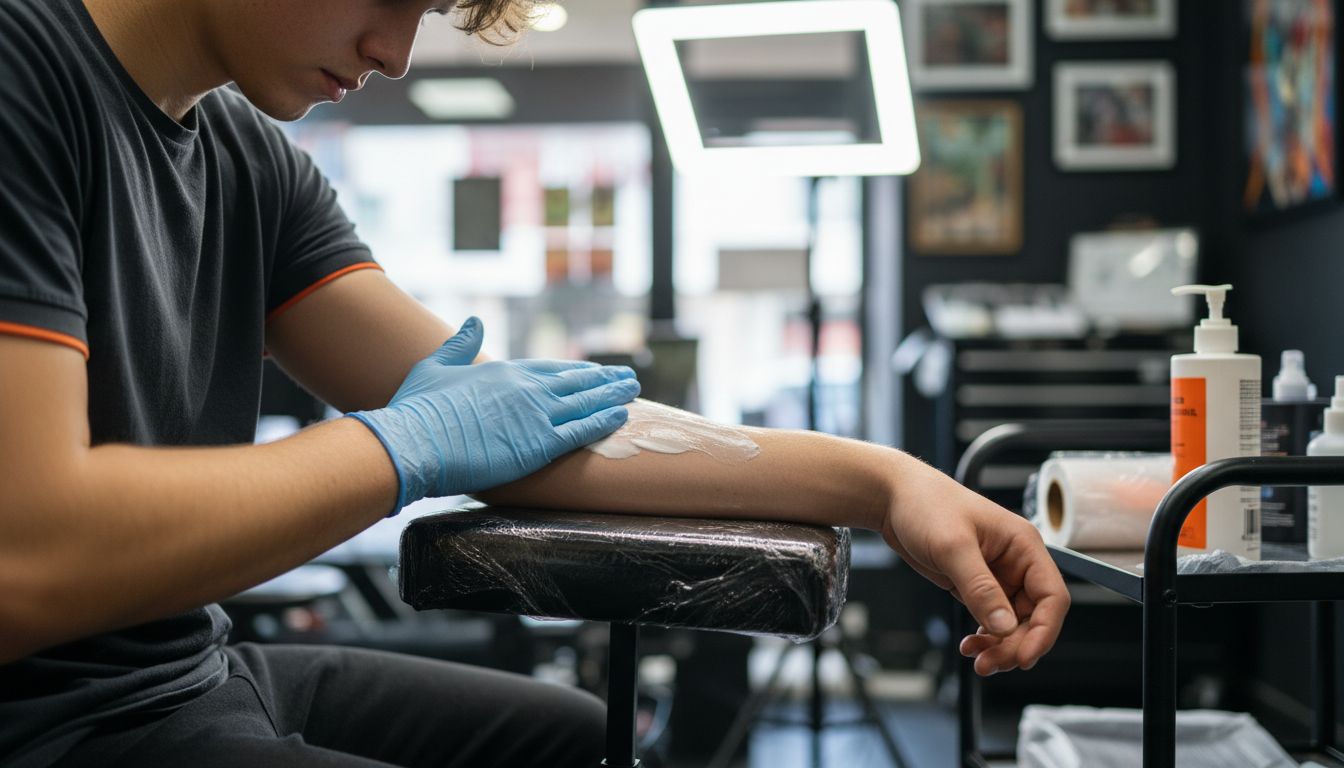
For different skin types, specialized numbing cream application becomes critical. Normal Skin typically allows standard application methods, requiring a thin, even layer applied 30-45 minutes before the tattoo procedure. Oily Skin demands more strategic approaches - artists should first cleanse the area thoroughly, potentially using alcohol wipes to remove excess sebum, which can impede cream absorption. Blotting the skin after application helps ensure better penetration and more consistent numbing effect.
Specific numbing cream practices for various skin types include:
-
Dry Skin:
- Gentle exfoliation before application
- Use slightly thicker cream layer
- Apply 45-60 minutes prior to procedure
-
Sensitive Skin:
- Perform patch test before full application
- Use minimal product quantity
- Choose hypoallergenic numbing formulations
-
Combination Skin:
- Treat different areas with targeted application
- Use lighter layer on oily zones
- More generous application on dry regions
Pharmacokinetic variations across skin types suggest that understanding individual skin responses is crucial. Professional tattoo artists should always communicate with clients, assess their unique skin characteristics, and adjust numbing cream protocols accordingly to ensure optimal comfort and minimize potential adverse reactions.
Common Issues And Mistakes When Numbing Different Skin Types
Numbing cream application is a delicate process fraught with potential complications. Dermal pharmacokinetic variations reveal that improper application can lead to significant challenges across different skin types, making professional understanding critical for successful tattoo procedures.
Skin Sensitivity plays a crucial role in determining potential issues during numbing cream application. Common mistakes include over-application, insufficient waiting time, and neglecting individual skin characteristics. For instance, oily skin types often experience reduced cream absorption, while sensitive skin may develop unexpected allergic reactions or heightened irritation. Tattoo artists must recognize that a universal approach can result in inconsistent pain management and potential skin complications.
Key mistakes to avoid for different skin types include:
-
Oily Skin:
- Applying cream without proper skin preparation
- Failing to remove excess sebum before application
- Using too thick a layer of numbing cream
-
Sensitive Skin:
- Skipping patch testing
- Using high-concentration numbing agents
- Ignoring potential allergic reaction signs
-
Dry Skin:
- Applying cream on non-exfoliated surfaces
- Using alcohol-based products that further dry the skin
- Neglecting skin hydration before cream application
Pharmacological absorption mechanisms demonstrate that each skin type requires a nuanced approach. Professional tattoo artists must remain vigilant, conduct thorough client consultations, and adapt their numbing strategies to minimize risks and ensure a comfortable, safe tattooing experience.
Comparing TKTX And Dermacain Results By Skin Type
Dermal pharmacokinetic variations demonstrate that numbing cream performance significantly differs across individual skin types. Professional tattoo artists must understand how these specialized products interact with various skin characteristics to ensure optimal pain management.
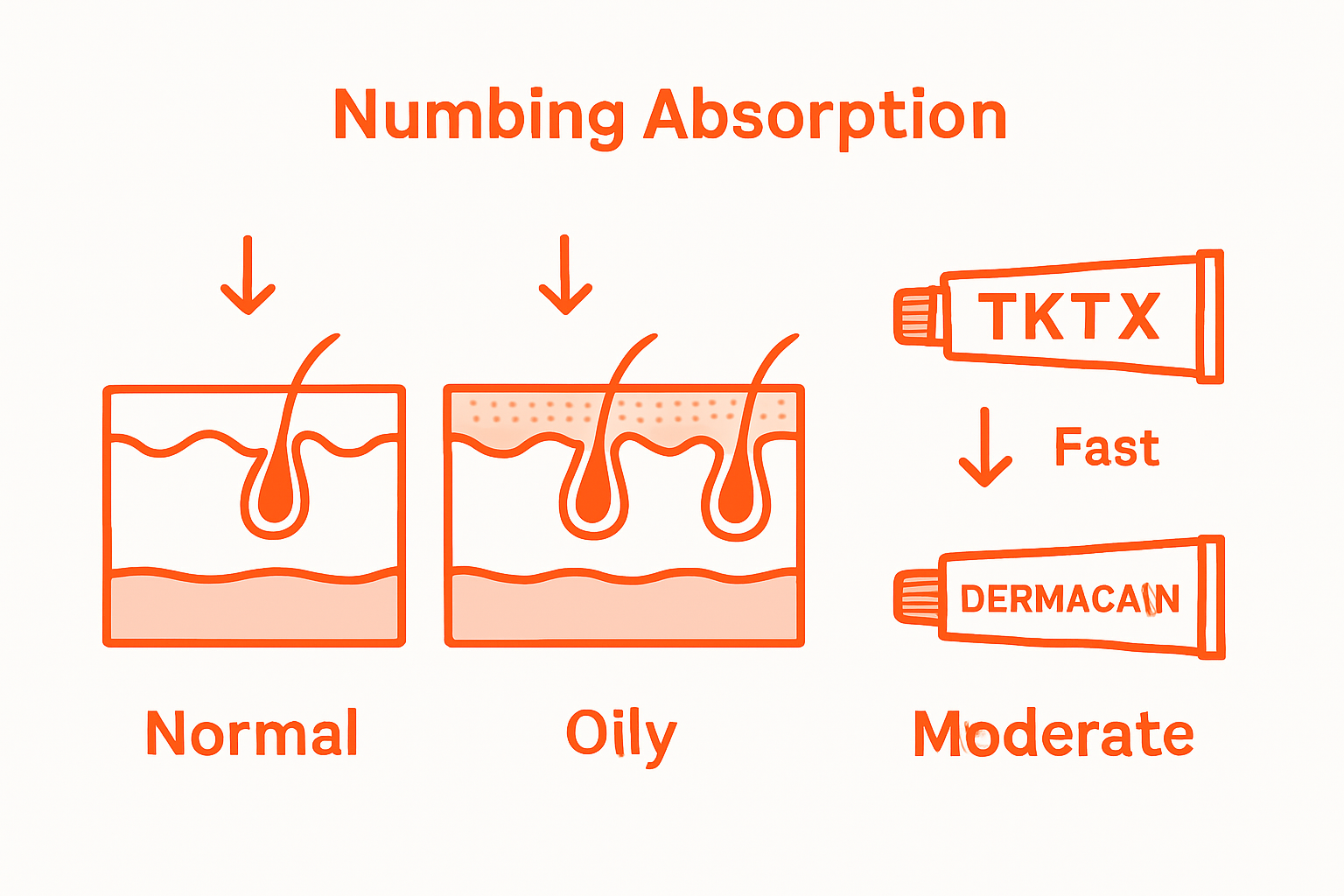
Absorption Efficiency varies dramatically between skin types, making a one-size-fits-all approach ineffective. TKTX and Dermacain exhibit unique performance profiles that respond differently to skin’s physiological attributes. Oily skin types, for instance, may experience slower absorption and reduced effectiveness, while sensitive skin might show heightened reactivity to active ingredients.
Performance comparison across skin types reveals distinct characteristics:
-
Normal Skin:
- TKTX: Consistent, even absorption
- Dermacain: Slightly faster initial numbing effect
-
Oily Skin:
- TKTX: Potentially slower penetration
- Dermacain: Better adaptation to sebum-rich environments
-
Sensitive Skin:
- TKTX: Lower likelihood of irritation
- Dermacain: More controlled active ingredient release
-
Dry Skin:
- TKTX: Enhanced moisture retention
- Dermacain: Potentially quicker initial absorption
Topical anesthetic absorption mechanisms indicate that individual skin responses can be unpredictable. Tattoo professionals should conduct thorough client consultations, perform patch tests, and be prepared to adjust their numbing cream strategies based on real-time skin reactions and individual client feedback.
Master Pain-Free Tattooing with the Right Numbing Cream for Every Skin Type
Understanding how different skin types affect numbing cream absorption is crucial for a comfortable tattoo experience. Whether your client has oily, dry, sensitive, or combination skin, selecting and applying the correct topical anesthetic can dramatically improve pain management and healing. Avoid common pitfalls like improper application or ignoring skin-specific needs by choosing proven products designed to work with your client’s unique skin characteristics.

Discover the trusted performance of TKTX and Dermacain numbing creams that guarantee up to 3 hours of pain-free tattooing across all skin types. With free shipping on orders over 30 Euro and a satisfaction guarantee including money-back returns, you can confidently provide the best care for your clients. Explore our full range of Tattoo Numbing Creams and elevate your tattooing process today. Visit https://buytktx.online now to get started and provide unmatched comfort for every skin type.
Frequently Asked Questions
How do different skin types affect the absorption of numbing creams?
Different skin types have unique characteristics that influence how well numbing creams are absorbed. Oily skin may impede absorption due to excess sebum, while dry skin may require a thicker layer for effective numbing. Sensitive skin can absorb anesthetics quickly but may also react more to the ingredients.
What are the best practices for applying numbing cream on dry skin?
For dry skin, it is advisable to gently exfoliate the area before applying a slightly thicker layer of numbing cream. The cream should be applied 45-60 minutes prior to the tattoo procedure to ensure adequate penetration and effectiveness.
Why is it important to perform a patch test on sensitive skin before applying numbing cream?
Performing a patch test on sensitive skin helps to identify any potential allergic reactions or irritations caused by the numbing cream. This proactive step can prevent complications and ensure the client’s comfort during the tattoo procedure.
How do TKTX and Dermacain compare in effectiveness across different skin types?
TKTX generally offers consistent absorption on normal skin, while Dermacain may provide a quicker initial numbing effect. On oily skin, Dermacain might perform better due to its adaptability, while TKTX tends to enhance moisture retention on dry skin, making both suitable for different skin types.


